Description: Unlock the secrets of 4K Projectors for your home theatre. This in-depth guide for Indian readers covers Native vs. Pixel Shift, best brands, key features, and installation tips.
🌟 Introduction: The Cinematic Shift to 4K in the Indian Home
The desire for a truly cinematic experience at home has never been stronger in India. Fuelled by the explosion of high-quality, 4K resolution content on Over-The-Top (OTT) platforms like Netflix, Prime Video, and Disney+ Hotstar, the traditional TV screen is increasingly being replaced by the stunning, large-scale immersion of a projector.
A 4K Projector is the essential gateway to this experience. Offering four times the resolution of Full HD (1080p), it brings unprecedented clarity, depth, and detail to movies, sports, and gaming, transforming a mere viewing session into an event. Data from market analysts consistently shows that the 4K resolution segment is a key growth driver in the Indian projector market, with consumer preference rapidly shifting towards higher-end models that support solid-state light sources (LED/Laser) and Smart features.
This comprehensive, expert guide is designed specifically for the discerning Indian buyer. We will demystify the technology, cut through the marketing jargon, and provide actionable, data-backed advice to help you select the perfect 4K projector for your unique home and budget.
🔬 Section 1: Demystifying 4K: Native vs. Pixel Shift Technology
The single most confusing aspect of buying a 4K projector is understanding how the resolution is actually achieved. Not all ‘4K’ is created equal. Understanding the difference between Native 4K and Pixel Shift 4K is the foundation of a smart purchasing decision.
Native 4K: The Gold Standard (True 4K)
- Definition: A Native 4K projector uses imaging chips (DLP, 3LCD, or LCoS/SXRD) that contain the full 3840 x 2160 (8.3 million) or 4096 x 2160 (8.8 million) pixels. Every single pixel on the chip is a unique, dedicated entity corresponding to a pixel on the screen.
- Advantages:
- Superior Clarity: Unrivalled sharpness and detail, especially noticeable on very large screens (120 inches and above).
- Better Contrast and Colour: Generally offers better contrast ratios and more precise colour accuracy due to dedicated processing.
- Disadvantages:
- Significantly Higher Cost: Due to the complexity and cost of manufacturing the high-density native 4K imaging chips, these models are the most expensive option.
- Best For: Dedicated, high-end home theatre rooms where budget is not the primary constraint and the absolute best image quality is demanded (e.g., Sony, JVC).
Pixel Shift 4K (4K UHD): The Affordable Powerhouse
- Definition: Pixel Shifting (often labelled as 4K UHD) is a sophisticated optical and computational trick. These projectors start with a lower-resolution chip (often 1080p, or 2176 x 1528 micromirrors) and rapidly shift each pixel diagonally at high speed (up to four times). The speed is so fast that the human eye blends these shifted sub-frames together, creating the perception of a full 4K image on the screen.
- Advantages:
- Cost-Effective: Pixel Shift technology drastically reduces manufacturing costs, making 4K-like resolution accessible to the mass market.
- Excellent Image Quality: For the vast majority of viewers, the difference between Native and Pixel Shift is subtle and offers a massive visual upgrade over standard 1080p.
- Disadvantages:
- Technically not displaying 8.3 million unique pixels simultaneously.
- Best For: Most Indian home users and gamers who want a true 4K-like experience, great features, and high brightness without the exorbitant price tag (e.g., BenQ, Optoma, Epson 4K Pro-UHD).
| Feature | Native 4K Projector | Pixel Shift 4K Projector |
| Resolution Chip | True 3840×2160 or 4096×2160 | 1080p or intermediate resolution |
| Pixel Count | 8.3 Million unique pixels | Simulates 8.3 Million via rapid shifting |
| Image Clarity | Absolute Best (superior pixel-level detail) | Excellent (noticeably better than 1080p) |
| Price Point | Premium / High-End | Mid-Range / Upper-Budget |
🛠️ Section 2: Key Factors for 4K Projectors in the Indian Context
Choosing a projector in India involves unique considerations related to our living spaces, ambient light, and power fluctuations.
Brightness (ANSI Lumens) and Light Source
This factor is critical for Indian homes, where dedicated dark rooms are often a luxury.
- The Ambient Light Challenge: Most Indian living rooms have significant ambient light from windows and doors. Low-lumen projectors will produce a washed-out, lifeless image in these conditions.
- Recommendation:
- Dedicated Dark Room: Aim for 1,500 – 2,200 ANSI Lumens. Focus on contrast and colour accuracy.
- Ambient Light / Living Room: Aim for 3,000+ ANSI Lumens. A higher brightness is essential to cut through the light.
- Light Source Longevity:
- Lamp-Based: Cheapest initial cost, but lamps need replacement every 3,000–6,000 hours, which is costly and inconvenient.
- LED / Laser (Solid-State): Higher initial cost, but offers a lifespan of 20,000 to 30,000+ hours (e.g., the BenQ TK710STi or Hisense Laser TVs). This makes them virtually maintenance-free for years, offering a significantly lower Total Cost of Ownership (TCO). The market is showing a strong shift towards these long-life sources.
Throw Distance: UST vs. Short Throw vs. Long Throw
The projector’s placement is dictated by your room size, a common limitation in urban Indian apartments.
- Ultra Short Throw (UST / Laser TV): Placed just inches away from the wall/screen (e.g., Hisense PX3-PRO).
- Pro: Perfect for small rooms and replaces a TV on a cabinet. No cables running across the room.
- Con: Requires a perfectly flat wall or a specialized ALR (Ambient Light Rejecting) screen, which adds cost.
- Short Throw (ST): Projects a large image from a short distance (e.g., 4-8 feet for a 100-inch screen).
- Pro: Great for small-to-medium rooms; reduces shadows.
- Con: Needs dedicated ceiling or wall mounting.
- Long Throw: Traditional placement, usually at the back of the room or ceiling-mounted. Best for large, dedicated cinema rooms.
Actionable Tip: For apartment dwellers in cities like Mumbai or Delhi, the Ultra Short Throw (UST) projector is often the smartest choice, offering a massive screen size with minimal installation hassle and space consumption.
Connectivity and Smart Features
Modern 4K projectors must integrate seamlessly into the digital ecosystem.
- HDMI 2.1: Crucial for gamers and future-proofing. Supports 4K resolution at high refresh rates (up to 120Hz), which is essential for PlayStation 5 and Xbox Series X.
- Smart OS: Look for built-in operating systems like Android TV or Google TV (e.g., on BenQ or XGIMI models). This allows direct access to popular Indian OTT apps, eliminating the need for an external streaming stick. Ensure the platform is certified for stability and access to key apps like Netflix.
🎮 Section 3: The Gaming and HDR Revolution
4K Projectors are not just for movies; they are transforming the gaming landscape and delivering HDR content with incredible impact.
Gaming: Input Lag and Refresh Rate
For serious console or PC gamers, two specifications are paramount:
- Input Lag (Latency): The delay between your controller input and the action appearing on the screen.
- Recommendation: Look for a dedicated Gaming Mode and an input lag of under 20ms. Anything higher than 35ms will severely impact fast-paced competitive gaming.
- Refresh Rate: How many times the image refreshes per second.
- Recommendation: High-end models (e.g., BenQ X3100i or Epson LS12000) offer 4K at 60Hz or even 1080p at 120Hz/240Hz, providing buttery-smooth motion for the ultimate gaming advantage.
High Dynamic Range (HDR) and Colour Accuracy
HDR (HDR10, HLG, Dolby Vision) dramatically increases the difference between the darkest blacks and the brightest whites, bringing visuals to life.
- Colour Gamut: Look for projectors that advertise coverage of colour standards like DCI-P3 (for cinematic colours) or Rec. 709 (the HDTV standard). High coverage (e.g., 90%+ DCI-P3) means richer, more true-to-life colours, making a huge difference when watching Indian cinema or global blockbusters.
- Dolby Vision: The most advanced HDR format. Only a select few premium models (e.g., some Optoma or LG CineBeam models) support it, offering the highest level of picture calibration.
🏆 Section 4: Handpicked 4K Projector Recommendations for Indian Buyers (2025)
Based on a blend of market share, feature set, price point, and relevance to the Indian consumer, here are top picks across three key segments:
The Budget-Friendly 4K Challenger (Pixel Shift Focus)
- Recommendation:Viewsonic PX701-4K / BenQ TK710
- Why it works in India: Offers high brightness (3000+ ANSI Lumens) to combat ambient light and a pixel-shifted 4K image at an accessible price. It’s the perfect step-up from 1080p.
The Mid-Range Smart Home Hero (Laser/LED Focus)
- Recommendation:XGIMI Horizon Ultra / BenQ W2720i
- Why it works in India: Features a solid-state light source (Laser/LED) for massive longevity and quick boot-up, plus Smart TV operating systems (Android/Google TV). The Horizon Ultra, in particular, excels with auto-focus and auto-keystone correction—essential for users who move their projector frequently.
The Premium Home Cinema Beast (Native/Advanced UST Focus)
- Recommendation:Epson Pro Cinema LS12000 / Hisense PX3-Pro Laser TV
- Why it works in India:
- The Epson LS12000 uses 4K Pro-UHD (an advanced pixel shift) with a high-end laser, offering spectacular contrast and colour accuracy that rivals Native 4K models. It’s ideal for dedicated cinema rooms.
- The Hisense PX3-Pro is an Ultra Short Throw (Laser TV) perfect for high-end living room integration, offering a massive screen without complex installation or wire clutter.
- Why it works in India:
📝 Section 5: Installation and Maintenance for Longevity
A 4K projector is a serious investment. Proper installation and simple maintenance are crucial, especially considering the dust and heat common in many Indian climates.
Installation Considerations
- Screen Selection: A projector is only as good as its screen. A high-quality Ambient Light Rejecting (ALR) screen is a game-changer for rooms with light, significantly enhancing contrast and colour saturation. Do not project directly onto a painted wall if you are serious about picture quality.
- Venting and Heat: Projectors generate heat. Ensure the unit has adequate ventilation space around it, especially if it’s placed in a cabinet or a small recess. Overheating is a primary cause of premature lamp/light source failure.
- Cable Management: Use certified High-Speed HDMI cables (HDMI 2.0 or 2.1). Long runs of poor-quality cables can result in signal loss, preventing the projector from displaying the full 4K signal.
Maintenance and Dust Management
- Dust Filters: Projectors, particularly DLP models, are sensitive to dust. Regularly clean or replace the dust filters (if available) as per the manufacturer’s instructions. Dust contamination can lead to frustrating spots on the projected image over time.
- Power Protection: Due to power fluctuations and surges common in many parts of India, always connect your 4K projector to a high-quality Surge Protector or an Uninterruptible Power Supply (UPS), especially for high-end Laser/Lamp models.
🚀 Conclusion: The Future is Big, Bright, and 4K
The decision to buy a 4K projector is a commitment to a truly immersive entertainment experience—an escape to a world of brilliant colour and staggering detail, far surpassing the limitations of a conventional TV.
For the Indian consumer, the best 4K projector is the one that perfectly balances high brightness (for living room use), a reliable, long-life light source (LED/Laser), and smart connectivity, all within a reasonable budget. The rise of sophisticated Pixel Shift 4K models has made this cinematic dream remarkably accessible. By understanding the critical factors of Native vs. Pixel Shift, brightness, and throw distance, you are now equipped with the expertise to make a confident, future-proof investment.
Don’t just watch content; live it on a colossal 4K screen.
✍️ Compelling Call to Action
Ready to ditch the small screen and bring the theatre home? Use our comprehensive checklist to match your room size and budget to the perfect model. Click here to compare the top-rated 4K UST, LED, and Laser projectors and start building your ultimate home cinema today!
Smart Projector with Android 11 HD Projector 1080P 4K WiFi6 BT Home Theater Video Projector 180° Rotatable Stand Car Keystone Correction for Mobile Phone TV Stick (S1)
₹3,099.00 (as of September 19, 2026 21:00 GMT +05:30 - More infoProduct prices and availability are accurate as of the date/time indicated and are subject to change. Any price and availability information displayed on [relevant Amazon Site(s), as applicable] at the time of purchase will apply to the purchase of this product.)
Wzatco Blaze Max, Google TV Official, Native 1080P Projector 4k Ultra HD, 1800 ANSI Ultra Bright, Fully Automatic, 1:1 Throw Ratio, 16 Watt, Chromecast, Smart Home Cinema, Blue
₹26,990.00 (as of September 19, 2026 21:00 GMT +05:30 - More infoProduct prices and availability are accurate as of the date/time indicated and are subject to change. Any price and availability information displayed on [relevant Amazon Site(s), as applicable] at the time of purchase will apply to the purchase of this product.)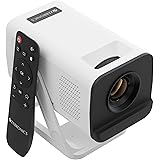
Zebronics Android Smart LED Projector, 4K UHD Support, 4000 Lumens, 100" Screen Size, 240° Tiltable, Auto Keystone, OTT Apps (Netflix, Prime), Miracast, WiFi, BT v5.4, HDMI, USB (Pixaplay 35)
₹5,999.00 (as of September 19, 2026 21:00 GMT +05:30 - More infoProduct prices and availability are accurate as of the date/time indicated and are subject to change. Any price and availability information displayed on [relevant Amazon Site(s), as applicable] at the time of purchase will apply to the purchase of this product.)
Portable Mini Projector, 4K 1080P Full HD Projector, Support Video Projector, WiFi 5G BT 5.0, Cinema Projector 180° Can Be Rotated, Android 11, Compatible with TV Stick
₹2,999.00 (as of September 19, 2026 21:00 GMT +05:30 - More infoProduct prices and availability are accurate as of the date/time indicated and are subject to change. Any price and availability information displayed on [relevant Amazon Site(s), as applicable] at the time of purchase will apply to the purchase of this product.)
Portable Mini Projector, 4K 1080P Full HD Projector, Support Video Projector, WiFi 5G BT 5.0, Cinema Projector 180° Can Be Rotated, Android 11, Compatible with TV Stick
₹2,999.00 (as of September 19, 2026 21:00 GMT +05:30 - More infoProduct prices and availability are accurate as of the date/time indicated and are subject to change. Any price and availability information displayed on [relevant Amazon Site(s), as applicable] at the time of purchase will apply to the purchase of this product.)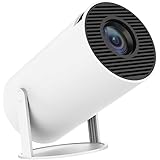
Portable Mini Projector, 4K 1080P Full HD Projector, Support Video Projector, WiFi 5G BT 5.0, Cinema Projector 180° Can Be Rotated, Android 11, Compatible with TV Stick for Adult's, Home Cinema, Compatible with Smartphone/Laptop/PS4/Firestick A78
₹3,099.00 (as of September 19, 2026 21:00 GMT +05:30 - More infoProduct prices and availability are accurate as of the date/time indicated and are subject to change. Any price and availability information displayed on [relevant Amazon Site(s), as applicable] at the time of purchase will apply to the purchase of this product.)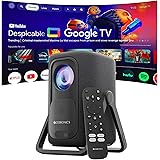
Zebronics Official Google TV Projector, 7500 Lumens, 4K Support, 200” Display, Auto Focus & Keystone, 270° Tilt, Portable Home Theater Cinema,Netflix, Prime, WiFi, BT, HDMI ARC (PixaPlay 77G)
₹19,990.00 (as of September 19, 2026 21:00 GMT +05:30 - More infoProduct prices and availability are accurate as of the date/time indicated and are subject to change. Any price and availability information displayed on [relevant Amazon Site(s), as applicable] at the time of purchase will apply to the purchase of this product.)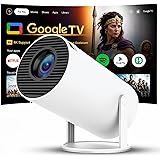
OLV Portable Smart Mini Projector, 4K 1080P Full HD Projector Supports Netflix, Prime and YouTube Etc. WiFi 5G, BT-5.0, Cinema Projector 180° Android 11, Compatible with TV Stick/Windows/iOS/Android
₹3,497.00 (as of September 19, 2026 21:00 GMT +05:30 - More infoProduct prices and availability are accurate as of the date/time indicated and are subject to change. Any price and availability information displayed on [relevant Amazon Site(s), as applicable] at the time of purchase will apply to the purchase of this product.)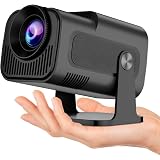
NISOO Hy320 Mini Portable Projector-5G WiFi 6,Bluetooth 5.0 and Android 11,Support 4K and 1080P Full Hd,12,000 Lumens,Led Projector with 4D/4P (BLACKK)
₹4,499.00 (as of September 19, 2026 21:00 GMT +05:30 - More infoProduct prices and availability are accurate as of the date/time indicated and are subject to change. Any price and availability information displayed on [relevant Amazon Site(s), as applicable] at the time of purchase will apply to the purchase of this product.)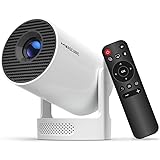
Magcubic Mini Projector with WiFi 6 and Bluetooth 5.4, Portable Projector 4K Support, 5W Soundbase Speaker, Auto Vertical Keystone 180°Rotatable Smart Proyector for Movie Home Outdoor
₹5,948.00 (as of September 19, 2026 21:00 GMT +05:30 - More infoProduct prices and availability are accurate as of the date/time indicated and are subject to change. Any price and availability information displayed on [relevant Amazon Site(s), as applicable] at the time of purchase will apply to the purchase of this product.)
E GATE Atom 3X Projector 4k Ultra HD Full HD 1080p Native Automatic Home Projector for Room | 300 ISO | Rotatable Design | Android Netflix Prime | ARC-HDMI USB WiFi-6 BT Screen Mirroring Egate
₹8,750.00 (as of September 19, 2026 21:00 GMT +05:30 - More infoProduct prices and availability are accurate as of the date/time indicated and are subject to change. Any price and availability information displayed on [relevant Amazon Site(s), as applicable] at the time of purchase will apply to the purchase of this product.)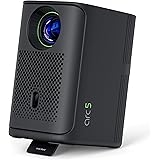
Lumio Arc 5 Portable Home Projector | Official Google TV with Netflix | Native 1080p Full HD | 4K Support | 200 ANSI Lumens | Auto Keystone | Dolby Audio | Sealed Light Engine | Bluetooth Speaker
₹21,990.00 (as of September 19, 2026 21:00 GMT +05:30 - More infoProduct prices and availability are accurate as of the date/time indicated and are subject to change. Any price and availability information displayed on [relevant Amazon Site(s), as applicable] at the time of purchase will apply to the purchase of this product.)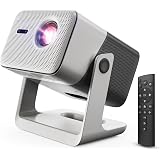
Crossbeats Vista Projector 4K Ultra HD Smart Mini Portable Dolby | Dolby Audio| Android TV |1200 ANSI | 300'' Display |1080p Native |WIFI | Home Theater Cinema Video Projector | Built-in Apps
₹22,999.00 (as of September 19, 2026 21:00 GMT +05:30 - More infoProduct prices and availability are accurate as of the date/time indicated and are subject to change. Any price and availability information displayed on [relevant Amazon Site(s), as applicable] at the time of purchase will apply to the purchase of this product.)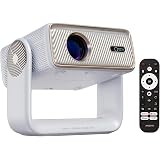
WZATCO Yuva Horizon Google TV Official Native 1080P Projector, 4K UHD Support, 1500 ANSI Lumens, Auto Focus, WiFi 6, Bluetooth 5.4, ARC, HDMI, USB, Home Theater Projector, White
₹24,990.00 (as of September 19, 2026 21:00 GMT +05:30 - More infoProduct prices and availability are accurate as of the date/time indicated and are subject to change. Any price and availability information displayed on [relevant Amazon Site(s), as applicable] at the time of purchase will apply to the purchase of this product.)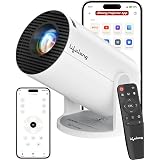
Lifelong Electronics Lightbeam Smart LED Projector | Smartphone Remote App | Android 14, 1080P & 4K Ultra HD Support, 4000 Lumens | All OTT Apps (Netflix, Prime, Jio etc) | WiFi/BT, HDMI, Cast, 150 in
₹7,490.00 (as of September 19, 2026 21:00 GMT +05:30 - More infoProduct prices and availability are accurate as of the date/time indicated and are subject to change. Any price and availability information displayed on [relevant Amazon Site(s), as applicable] at the time of purchase will apply to the purchase of this product.)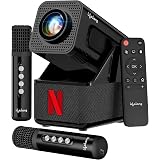
Lifelong Electronics ROAR Projector with 2 Mics | Booming 20W Speakers | Cricket Commentary, Karaoke Party & Room Cinema | 1080P & 4K Ultra HD Support | All Android OTT Apps | Ultra Bright 150” Screen
₹9,450.00 (as of September 19, 2026 21:00 GMT +05:30 - More infoProduct prices and availability are accurate as of the date/time indicated and are subject to change. Any price and availability information displayed on [relevant Amazon Site(s), as applicable] at the time of purchase will apply to the purchase of this product.)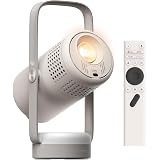
XGIMI Vibe One 1080p Full HD Projector, Official Netflix & Google TV, Supports 4k Ultra HD, Built-in Battery (1.2 Hrs Playtime), 250 ISO Lumens(320 ANSI), 2×3W JBL Speakers, Auto Keystone & Auto Focus
₹24,999.00 (as of September 19, 2026 21:00 GMT +05:30 - More infoProduct prices and availability are accurate as of the date/time indicated and are subject to change. Any price and availability information displayed on [relevant Amazon Site(s), as applicable] at the time of purchase will apply to the purchase of this product.)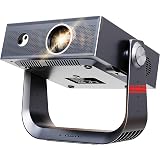
E Gate Duster 6X Projector | 100% Dust Proof | Fully Automatic Native 1080p Projector | 6X Brighter - 600 ISO Lumens | Android TV, Netflix, Prime, Live TV | HDR+ HLG | HDMI-ARC-WiFi6 | EGATE
₹13,990.00 (as of September 19, 2026 21:00 GMT +05:30 - More infoProduct prices and availability are accurate as of the date/time indicated and are subject to change. Any price and availability information displayed on [relevant Amazon Site(s), as applicable] at the time of purchase will apply to the purchase of this product.)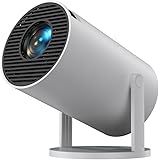
Portronics Beem 440 Smart LED Projector with 720p HD Resolution, Rotatable Design, Built-in Streaming Apps (Netflix, Prime Video, Hotstar), 2200 Lumens, Screen Mirroring, 3 Watts Speaker (White)
₹6,798.00 (as of September 19, 2026 21:00 GMT +05:30 - More infoProduct prices and availability are accurate as of the date/time indicated and are subject to change. Any price and availability information displayed on [relevant Amazon Site(s), as applicable] at the time of purchase will apply to the purchase of this product.)