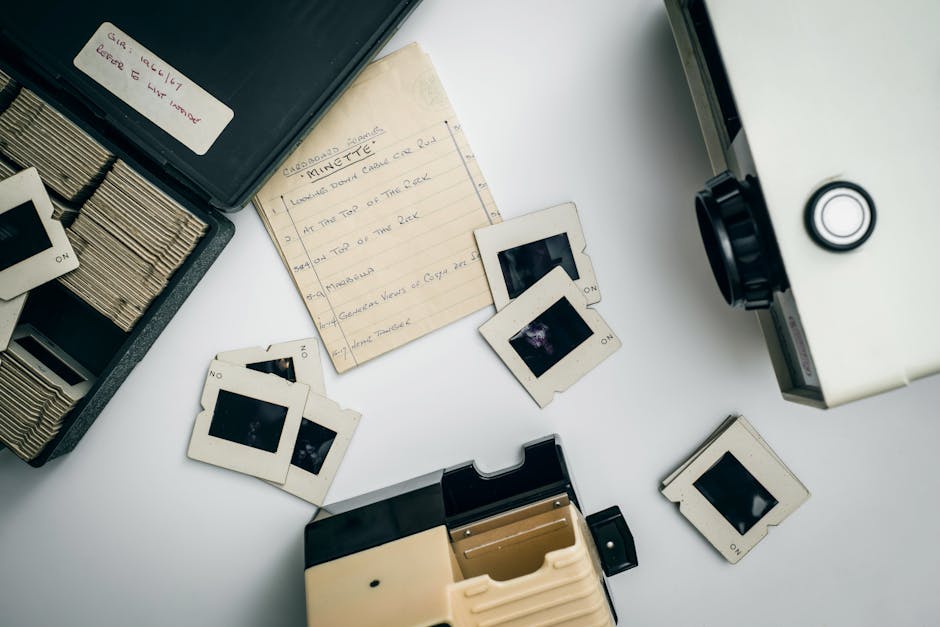
Transforming your living room into a cinematic sanctuary is an achievable dream with the right projector. Gone are the days of bulky, expensive, and difficult-to-operate machines. Today’s home theater projectors offer stunning visuals, immersive sound potential, and user-friendly features, catering to every budget and preference. This comprehensive guide will navigate you through the essential considerations, key technologies, and top-tier models to help you find the perfect projector for your ultimate home theater experience.
Understanding Projector Technologies: DLP vs. LCD vs. LCoS
The heart of any projector lies in its display technology. Understanding the nuances of each will significantly impact your viewing experience.
- Digital Light Processing (DLP): DLP projectors utilize a chipset with millions of tiny mirrors. These mirrors tilt rapidly to reflect light, creating the image.
- Pros: Excellent contrast ratios, deep blacks, sharp images, and often brighter than LCD. They are also generally more compact and less prone to dust build-up.
- Cons: Can suffer from the “rainbow effect” (flashes of color) for sensitive viewers, though this is less common in newer, higher-end models.
- Liquid Crystal Display (LCD): LCD projectors use three separate LCD panels (red, green, and blue) to create the image. Light passes through each panel, and the colors are combined.
- Pros: Generally more affordable, excellent color accuracy, and no rainbow effect. They tend to produce brighter images in well-lit rooms.
- Cons: Can exhibit a “screen door effect” (visible pixel grid) in lower resolutions, and blacks may not be as deep as DLP.
- Liquid Crystal on Silicon (LCoS): LCoS projectors, such as Sony’s SXRD and JVC’s D-ILA, combine aspects of both DLP and LCD. They use liquid crystal on a silicon chip, offering a hybrid approach.
- Pros: Superb image quality with excellent contrast, deep blacks, and no rainbow effect or screen door effect. They are often considered the pinnacle of home theater projection.
- Cons: Typically the most expensive option.
Key Projector Specifications to Consider:
Beyond technology, several specifications dictate a projector’s performance.
- Resolution: This refers to the number of pixels on the screen. Higher resolution means a sharper, more detailed image.
- 1080p (Full HD): Still a viable option for budget-conscious buyers, offering a good balance of quality and price.
- 4K UHD (3840 x 2160): The current standard for premium home theater. Delivers incredibly sharp and lifelike images, especially noticeable on larger screen sizes.
- 8K: Emerging technology, offering even greater detail, but currently very expensive and with limited native 8K content.
- Brightness (Lumens): Lumens measure the projector’s light output. Higher lumens are crucial for combating ambient light and achieving vibrant images.
- 1000-1500 Lumens: Suitable for dedicated dark rooms.
- 1500-2500 Lumens: A good all-rounder for rooms with some controlled ambient light.
- 2500+ Lumens: Necessary for brighter rooms or very large screen sizes.
- Contrast Ratio: This is the difference between the brightest white and the darkest black a projector can produce. A higher contrast ratio results in more depth, detail, and realism. Look for native contrast ratios rather than dynamic ones, which can be misleading.
- Color Accuracy (Color Gamut): This refers to the range of colors a projector can reproduce. For cinematic experiences, look for projectors that cover a wide color gamut, such as DCI-P3, which is the standard for digital cinema.
- Throw Ratio: This determines how far the projector needs to be from the screen to produce a specific image size.
- Standard Throw: Requires a moderate distance.
- Short Throw: Projects a large image from a short distance, ideal for smaller rooms.
- Ultra-Short Throw (UST): Projects a massive image from inches away, often placed directly beneath the screen.
- Lamp Type:
- Lamp (Bulb): Traditional and most affordable, but bulbs have a limited lifespan and require replacement.
- LED: Offer excellent longevity (20,000+ hours), low power consumption, and instant on/off. Colors can sometimes be less vibrant than lamp-based projectors.
- Laser: The premium option, providing exceptional brightness, long lifespan (20,000+ hours), excellent color reproduction, and instant on/off.
- HDR (High Dynamic Range): HDR support allows for a wider range of brightness and color, resulting in more realistic and impactful images with better detail in both bright and dark scenes. Look for HDR10, HDR10+, and Dolby Vision compatibility.
- Connectivity: Ensure the projector has enough HDMI ports (preferably HDMI 2.0 or 2.1 for 4K/8K and high refresh rates), USB ports, and audio outputs to connect all your devices.
- Lens Shift and Keystone Correction:
- Lens Shift: Allows you to move the image up, down, left, or right without physically moving the projector, preserving image quality.
- Keystone Correction: Digitally adjusts the image to make it rectangular, but can distort the image if overused. Lens shift is always preferred.
- Built-in Speakers: While most home theater enthusiasts will use external audio systems, some projectors offer decent built-in speakers for casual use.
- Smart Features: Some projectors come with built-in operating systems (like Android TV) and app stores, allowing for streaming without an external device.
Top Projector Categories and Recommendations:
Based on your needs and budget, here are some of the best projectors available.
1. Best Overall 4K Projector: Sony VPL-XW7000ES
This flagship LCoS projector from Sony sets the benchmark for home theater. It boasts an incredibly bright laser light source, stunning native 4K resolution, and unparalleled contrast. The XW7000ES delivers breathtakingly realistic images with vibrant colors and deep blacks, making it ideal for dedicated cinema rooms. Its advanced processing ensures smooth motion and exceptional detail, even in the most demanding content.
2. Best Value 4K Projector: Epson Home Cinema 3200
Epson consistently delivers excellent value, and the Home Cinema 3200 is no exception. This 4K PRO-UB projector utilizes advanced pixel-shifting technology to achieve sharp, detailed images. It offers impressive brightness for its price point, good color accuracy, and HDR support. While not reaching the absolute black levels of premium LCoS projectors, it provides a fantastic cinematic experience for a much more accessible price.
3. Best Short-Throw Projector: BenQ W1800
For rooms where space is a premium, a short-throw projector is essential. The BenQ W1800 offers true 4K resolution with excellent color accuracy and HDR support. Its short-throw lens allows you to project a large 100-inch image from just a few feet away, making it perfect for apartments or smaller living spaces. It also features good brightness for its class, ensuring a vibrant picture.
4. Best Ultra-Short Throw Projector: Samsung LSP9T (The Premiere)
Ultra-short throw projectors are game-changers for their ability to be placed just inches from the screen. Samsung’s The Premiere LSP9T is a top-tier option, delivering brilliant 4K HDR visuals with its triple-laser technology. It offers exceptional brightness, wide color gamut, and a sleek, minimalist design that blends seamlessly into your living room. The built-in smart TV platform adds further convenience.
5. Best Budget 4K Projector: Optoma UHD55
If you’re looking to dip your toes into the 4K projector world without breaking the bank, the Optoma UHD55 is a strong contender. It offers 4K UHD resolution through pixel-shifting, good brightness, and decent contrast for the price. While it may not match the performance of higher-end models, it provides a significant upgrade over 1080p projectors and delivers an enjoyable big-screen experience.
6. Best Projector for Gaming: BenQ TK700STi
Gamers demand low input lag and high refresh rates. The BenQ TK700STi excels in this area, offering 4K resolution with a lightning-fast input lag of just 4.2ms at 120Hz. Its short-throw capability is also a boon for gaming setups. With good color accuracy and bright output, it provides an immersive and responsive gaming experience.
Optimizing Your Home Theater Setup:
Once you’ve chosen your projector, consider these factors for the best viewing experience:
- Screen: A dedicated projector screen is crucial. Choose a screen material and gain that suits your projector’s brightness and your room’s ambient light. Fixed frame screens offer the flattest surface, while motorized screens offer convenience.
- Room Light Control: The darker your room, the better your.
WZATCO Yuva Go Pro Fully Automatic Projector 4k Ultra HD | Native 1080p | Auto Focus | 12000 Lumens | Android 14, Netflix, Prime | ARC-CEC | WiFi 6, Auto 4D Keystone
₹10,990.00 (as of October 11, 2026 00:40 GMT +05:30 - More infoProduct prices and availability are accurate as of the date/time indicated and are subject to change. Any price and availability information displayed on [relevant Amazon Site(s), as applicable] at the time of purchase will apply to the purchase of this product.)
PIXPAQ Gold RAY Mastered 2026| 3450 ANSI Lumens | Vision X Optical Engine | HDMI 2.1 Android 13 Smart Home Theater Cinema Projector
₹27,999.00 (as of October 11, 2026 00:40 GMT +05:30 - More infoProduct prices and availability are accurate as of the date/time indicated and are subject to change. Any price and availability information displayed on [relevant Amazon Site(s), as applicable] at the time of purchase will apply to the purchase of this product.)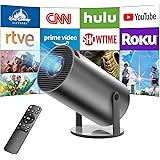
NISOO Mini Projector 4K 1080P Supported, 15000 Lumen Portable WiFi 6 Projector,270° Rotatable Projector with 50% Zoom Home/Outdoor Movie Projector for TV Stick/PS5/Phone/HDMI (Light Black)
₹3,499.00 (as of October 11, 2026 00:40 GMT +05:30 - More infoProduct prices and availability are accurate as of the date/time indicated and are subject to change. Any price and availability information displayed on [relevant Amazon Site(s), as applicable] at the time of purchase will apply to the purchase of this product.)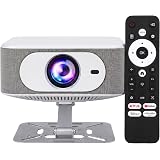
PIXPAQ Power Boost 1250 ANSI Smart Projector with Android 13, WiFi 6 | 1250 ANSI Lumens with Cross Matrix LED delivers bright, vivid visuals for movies, gaming and presentations.
₹14,999.00 (as of October 11, 2026 00:40 GMT +05:30 - More infoProduct prices and availability are accurate as of the date/time indicated and are subject to change. Any price and availability information displayed on [relevant Amazon Site(s), as applicable] at the time of purchase will apply to the purchase of this product.)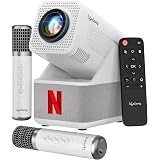
Lifelong Electronics ROAR Projector with 2 Mics | Booming 20W Speakers | Cricket Commentary, Karaoke Party & Room Cinema | 1080P & 4K Ultra HD Support | All Android OTT Apps | Ultra Bright 150” Screen
₹8,490.00 (as of October 11, 2026 00:40 GMT +05:30 - More infoProduct prices and availability are accurate as of the date/time indicated and are subject to change. Any price and availability information displayed on [relevant Amazon Site(s), as applicable] at the time of purchase will apply to the purchase of this product.)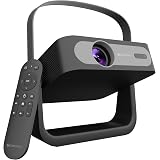
Zebronics Pixaplay 78 Smart Home Projector, 200" Display, Native 1080p, 7000 Lumens, Netflix, Prime Video & Hotstar, Dual Band WiFi, Miracast, iOS Screen Mirroring, Built-in Speaker, Portable Design
₹9,999.00 (as of October 11, 2026 00:40 GMT +05:30 - More infoProduct prices and availability are accurate as of the date/time indicated and are subject to change. Any price and availability information displayed on [relevant Amazon Site(s), as applicable] at the time of purchase will apply to the purchase of this product.)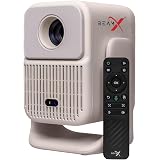
Glide 360 Max Smart Projector Projector for Room | Native 1080P, 4K HDR Support, 450 ANSI Lumens, Android 12, Auto Focus & Auto Keystone
₹9,490.00 (as of October 11, 2026 00:40 GMT +05:30 - More infoProduct prices and availability are accurate as of the date/time indicated and are subject to change. Any price and availability information displayed on [relevant Amazon Site(s), as applicable] at the time of purchase will apply to the purchase of this product.)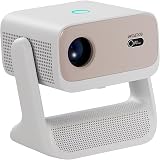
WZATCO Yuva Spectra 13000 Lumens Native 1080P Fully Automatic Smart Projector 4K Ultra HD | Auto Focus | Sealed Engine | Dual Speakers | ARC | Home & Bedroom
₹9,990.00 (as of October 11, 2026 00:40 GMT +05:30 - More infoProduct prices and availability are accurate as of the date/time indicated and are subject to change. Any price and availability information displayed on [relevant Amazon Site(s), as applicable] at the time of purchase will apply to the purchase of this product.)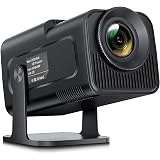
Mini Projector with Wifi 6 and Bluetooth5.4, Portable Projector 4K Support, Android 14 Smart Proyector with 200ASIN & Auto Keystone, Alwtniet HY320 Mini Small Proyector for Bedroom, Movie, Outdoor for Kids and Adults (TG2)
₹3,399.00 (as of October 11, 2026 00:40 GMT +05:30 - More infoProduct prices and availability are accurate as of the date/time indicated and are subject to change. Any price and availability information displayed on [relevant Amazon Site(s), as applicable] at the time of purchase will apply to the purchase of this product.)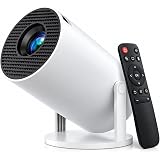
Portable Mini Projector, 4K 1080P Full HD Projector, Support Video Projector, WiFi 5G BT 5.0, Cinema Projector 180° Can Be Rotated, Android 11, Compatible with TV Stick for Kids and Adults.
Now retrieving the price.
(as of October 11, 2026 00:40 GMT +05:30 - More infoProduct prices and availability are accurate as of the date/time indicated and are subject to change. Any price and availability information displayed on [relevant Amazon Site(s), as applicable] at the time of purchase will apply to the purchase of this product.)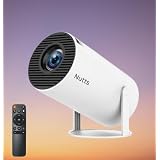
Nutts LED Portable Portable Mini Projector | 4K 1080P Full HD Projector | Support Video Projector WiFi 5G BT 5.0 | Cinema Projector 180° Can Be Rotated Android 11 (White) (WH)
₹1,999.00 (as of October 11, 2026 00:40 GMT +05:30 - More infoProduct prices and availability are accurate as of the date/time indicated and are subject to change. Any price and availability information displayed on [relevant Amazon Site(s), as applicable] at the time of purchase will apply to the purchase of this product.)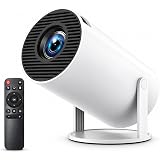
TECHNOVIEW Smart LED Projector, 1080P and 4K Support HD, Android OS, OTT Apps, 180° Rotatable, Auto Keystone, WiFi/BT, HDMI, Cast
₹2,999.00 (as of October 11, 2026 00:40 GMT +05:30 - More infoProduct prices and availability are accurate as of the date/time indicated and are subject to change. Any price and availability information displayed on [relevant Amazon Site(s), as applicable] at the time of purchase will apply to the purchase of this product.)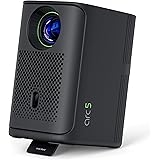
Lumio Arc 5 Portable Home Projector | Official Google TV, Gemini, Netflix | 200 ANSI Lumens (250 ISO Lumens) | 1080p Sealed ArcLight Engine | 4K Support (HDMI) | Auto Keystone | Dolby Speaker
₹18,489.00 (as of October 11, 2026 00:40 GMT +05:30 - More infoProduct prices and availability are accurate as of the date/time indicated and are subject to change. Any price and availability information displayed on [relevant Amazon Site(s), as applicable] at the time of purchase will apply to the purchase of this product.)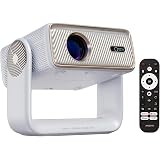
WZATCO Yuva Horizon Google TV Official Netflix Prime | Native 1080P Projector 4K Ultra HD | Fully Automatic | Auto Focus |1500 ANSI | ARC | Sealed Engine | Premium Cinema for Home & Room
₹20,990.00 (as of October 11, 2026 00:40 GMT +05:30 - More infoProduct prices and availability are accurate as of the date/time indicated and are subject to change. Any price and availability information displayed on [relevant Amazon Site(s), as applicable] at the time of purchase will apply to the purchase of this product.)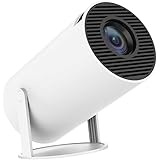
PoRtAbLe MiNi PrOjEcToR, 4K 1080P FuLl HD PrOjEcToR, SuPpOrT ViDeO PrOjEcToR, WiFi 5G BT 5.0, CiNeMa PrOjEcToR 180° CaN Be RoTaTeD, AnDrOiD 11, CoMpAtIbLe WiTh TV StIcK/WiNdOwS/iOS/AnDrOiD FoR KiDs AnD AdUlTs FV1
₹2,799.00 (as of October 11, 2026 00:40 GMT +05:30 - More infoProduct prices and availability are accurate as of the date/time indicated and are subject to change. Any price and availability information displayed on [relevant Amazon Site(s), as applicable] at the time of purchase will apply to the purchase of this product.)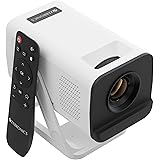
Zebronics Android Smart LED Projector, 4K UHD Support, 4000 Lumens, 100" Screen Size, 240° Tiltable, Auto Keystone, OTT Apps (Netflix, Prime), Miracast, WiFi, BT v5.4, HDMI, USB (Pixaplay 35)
₹5,499.00 (as of October 11, 2026 00:40 GMT +05:30 - More infoProduct prices and availability are accurate as of the date/time indicated and are subject to change. Any price and availability information displayed on [relevant Amazon Site(s), as applicable] at the time of purchase will apply to the purchase of this product.)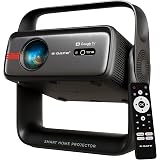
E GATE Zen 9X Google TV Official Native 1080P Projector 4K Ultra HD | Certified Apps Netflix, Prime | 1700 ANSI Lumens | 100% Dust Proof | 900 ISO | Fully Automatic | HDMI-ARC WiFi6, Home Cinema EGATE
₹20,990.00 (as of October 11, 2026 00:40 GMT +05:30 - More infoProduct prices and availability are accurate as of the date/time indicated and are subject to change. Any price and availability information displayed on [relevant Amazon Site(s), as applicable] at the time of purchase will apply to the purchase of this product.)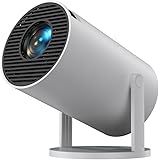
Portronics Beem 440 Smart LED Projector with 720p HD Resolution, Rotatable Design, Built-in Streaming Apps (Netflix, Prime Video, Hotstar), 2200 Lumens, Screen Mirroring, 3 Watts Speaker (White)
₹5,490.00 (as of October 11, 2026 00:40 GMT +05:30 - More infoProduct prices and availability are accurate as of the date/time indicated and are subject to change. Any price and availability information displayed on [relevant Amazon Site(s), as applicable] at the time of purchase will apply to the purchase of this product.)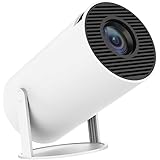
Portable Mini Projector, 4K 1080P Full HD Projector, Support Video Projector, WiFi 5G BT 5.0, Cinema Projector 180° Can Be Rotated, Android 11, Compatible with TV Stick (GY1)
₹2,999.00 (as of October 11, 2026 00:40 GMT +05:30 - More infoProduct prices and availability are accurate as of the date/time indicated and are subject to change. Any price and availability information displayed on [relevant Amazon Site(s), as applicable] at the time of purchase will apply to the purchase of this product.)