
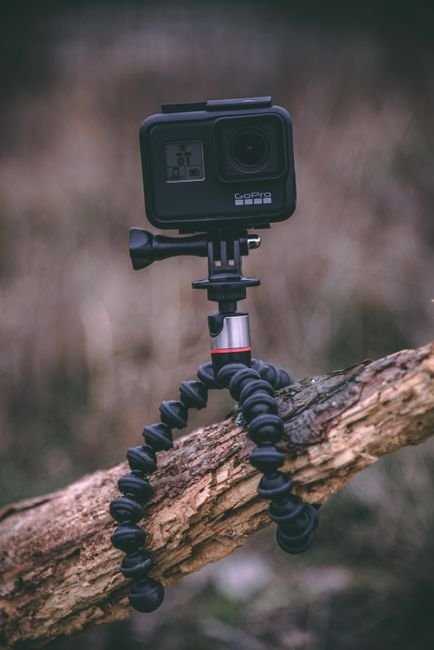
Action Camera Reviews: Your Ultimate Buying Guide
The world is a canvas of breathtaking landscapes, exhilarating adventures, and fleeting moments that beg to be captured. For the thrill-seeker, the outdoor enthusiast, and the everyday explorer, an action camera is an indispensable tool. These rugged, compact devices are designed to withstand extreme conditions while recording high-quality video and stills, transforming your experiences into shareable memories. But with a plethora of options flooding the market, choosing the right action camera can feel like navigating a whitewater rapid. This comprehensive guide delves into the critical factors to consider, dissects key features, and provides actionable insights to help you make an informed purchase.
Understanding Your Needs: The Foundation of Your Choice
Before diving into specifications, the most crucial step is to define your intended use. Are you a professional filmmaker documenting extreme sports, a vlogger capturing your travel escapades, or a parent recording your child’s first bike ride?
- Extreme Sports Enthusiasts: Durability, shock resistance, waterproof capabilities (without a housing), and advanced image stabilization are paramount. High frame rates for slow-motion replay are also highly desirable.
- Travel Vloggers: Portability, battery life, intuitive controls, and excellent audio quality are key. Features like built-in microphones, wireless connectivity for easy file transfer, and advanced editing software integration will be beneficial.
- Outdoor Adventurers (Hiking, Camping, etc.): Longevity of battery, ease of use in varying conditions (gloves, cold weather), and robust build quality are essential. Wide-angle lenses are great for capturing expansive vistas.
- Casual Users/Parents: Simplicity of operation, good image quality in good lighting, and affordability might be your primary concerns.
Key Features to Scrutinize:
Once you have a clear understanding of your needs, you can begin to evaluate action cameras based on their core functionalities.
1. Video Resolution and Frame Rates:
This is arguably the most defining characteristic of an action camera.
- Resolution: Measured in pixels (e.g., 1080p, 4K, 5K), higher resolutions offer sharper, more detailed footage. 4K is the current industry standard, providing exceptional clarity. 5K and higher offer even more detail, allowing for cropping and zooming in post-production without significant quality loss.
- Frame Rates (fps – frames per second): This determines the smoothness of motion.
- 24/25/30fps: Standard for cinematic or natural-looking footage.
- 50/60fps: Ideal for capturing fast-moving action with smoother playback, especially when slowed down.
- 120fps and above: Crucial for dramatic slow-motion effects, allowing you to dissect intricate movements. A camera offering 4K at 60fps and 1080p at 120fps or higher provides excellent versatility.
2. Image Stabilization:
Action cameras are inherently subject to vibrations and movement. Effective image stabilization is non-negotiable for smooth, watchable footage.
- Electronic Image Stabilization (EIS): Most modern action cameras employ EIS, which digitally analyzes and corrects for shake. Advanced EIS algorithms can produce remarkably smooth results, often rivaling gimbal performance. Look for terms like “HyperSmooth” (GoPro), “FlowState” (Insta360), or similar proprietary technologies.
- Optical Image Stabilization (OIS): Less common in action cameras due to size and complexity, OIS uses physical lens or sensor movement to counteract shake. When present, it’s generally superior to EIS but often comes at a higher cost.
3. Durability and Waterproofing:
The “action” in action camera implies it can handle rough treatment.
- Waterproofing: Many cameras are advertised as waterproof to a certain depth without a case. Check the IP rating (e.g., IPX8) or the manufacturer’s stated depth. If you plan on diving deeper or for extended periods, you might need an additional dive housing.
- Shock Resistance: The ability to withstand drops and impacts is crucial for adventure sports. Look for cameras with robust chassis and protective lens covers.
- Temperature Resistance: Consider if you’ll be using the camera in extreme cold or heat, as battery performance and functionality can be affected.
4. Lens and Field of View (FOV):
The lens dictates how much of the scene you capture.
- Wide-Angle Lens: Action cameras are known for their ultra-wide FOV, perfect for capturing expansive landscapes and fitting more into the frame during dynamic activities. Common FOVs range from 120° to 170°.
- Adjustable FOV: Some cameras allow you to adjust the FOV, offering more creative control.
- Digital Lenses: Newer cameras might offer “digital lenses” or perspective adjustments that mimic different focal lengths without physical lens changes.
5. Battery Life and Charging:
Powering your adventures is critical.
- Battery Capacity: Measured in mAh (milliampere-hours), a higher number generally indicates longer recording times. However, actual battery life is heavily influenced by resolution, frame rate, and usage patterns.
- Removable Batteries: The ability to swap out batteries is a significant advantage, allowing you to keep recording without interruption.
- Fast Charging: USB Power Delivery (PD) support can significantly reduce charging times, getting you back in action faster.
6. Audio Quality:
While often overlooked, good audio can elevate your footage from good to great.
- Built-in Microphones: Most action cameras have integrated microphones. Look for cameras with multiple microphones for better wind noise reduction and clearer audio capture.
- External Microphone Support: For professional-quality audio, the ability to connect an external microphone via a 3.5mm jack or USB-C adapter is essential.
7. Connectivity and File Transfer:
Seamlessly getting your footage off the camera is important.
- Wi-Fi and Bluetooth: These allow for wireless connection to your smartphone or tablet for live preview, remote control, and quick file transfers.
- USB-C: The modern standard for fast wired data transfer and charging.
- MicroSD Card Support: Ensure the camera supports high-capacity, high-speed MicroSD cards (UHS-I or UHS-II) to handle large video files.
8. Ease of Use and User Interface:
A complex interface can detract from the experience.
- Intuitive Menus: Easy-to-navigate menus and clear button layouts are crucial, especially when wearing gloves or in challenging conditions.
- Touchscreen Display: A responsive touchscreen can significantly improve usability for settings adjustments and playback.
- Companion App: A well-designed mobile app for remote control, editing, and sharing is a major plus.
9. Additional Features to Consider:
- GPS: For geotagging your footage and tracking your routes.
- Voice Control: Hands-free operation can be incredibly convenient.
- Time-Lapse and Slow-Motion Modes: Built-in modes can simplify creating these popular video styles.
- RAW Photo Capture: For advanced users who want maximum flexibility in post-processing.
- Live Streaming Capabilities: For real-time broadcasting of your adventures.
- Mounting Options: Consider the variety of mounts and accessories available to attach your camera to helmets, bikes, drones, and more.
Top Action Camera Brands and Their Strengths:
While specific models evolve rapidly, understanding the general strengths of leading brands can guide your research:
- GoPro: The undisputed king of action cameras, known for its robust build, exceptional video quality, advanced image stabilization (HyperSmooth), and vast ecosystem of accessories. They set the benchmark for the industry.
- DJI: A strong contender, particularly with their Osmo Action series, offering excellent image quality, advanced stabilization, and often innovative features like a front-facing screen for vlogging.
- Insta360: A leader in 360-degree cameras, but also offers impressive traditional action cameras with unique features like FlowState stabilization and modular designs. Their ability to create “invisible selfie stick” shots is a major draw.
- AKASO/APEMAN/Crosstour: These brands offer more budget-friendly alternatives that can provide excellent value for casual users or those on a tighter budget. While they may not match the absolute top-tier performance of GoPro or DJI, they often deliver impressive results for the price.
Making Your Final Decision:
- Set Your Budget: Action cameras range from under $100 to over $500. Determine how much you’re willing to spend.
- Read In-Depth Reviews: Once you’ve narrowed down your choices, seek out detailed reviews from reputable tech websites and YouTube channels. Pay attention to real-world performance, not just spec sheets.
- Watch Sample Footage: This is crucial. See how the stabilization truly performs, assess the color science, and judge the audio quality in various scenarios.
- Consider the Ecosystem: If you’re invested in a particular brand’s accessories (e.g., mounts, batteries), it might be worth sticking with that brand.
- Check for Deals and Sales: Action cameras are frequently discounted, especially around holidays or when new models are released.
By meticulously considering these factors and conducting thorough research, you’ll be