Description: Discover what a room heater is, how different types work, and expert tips to choose the most efficient and safe heater for your home this winter.
Introduction: The Essential Companion for Winter Comfort
As the frost begins to settle on windowpanes and the evening air turns biting, the search for domestic comfort becomes a priority. At its most fundamental level, the answer to what is room heater is simple: it is a localized heating device designed to warm a single, enclosed space rather than an entire building. While central heating systems are the backbone of many Tier 1 households, room heaters—often called space heaters—provide the surgical precision needed to keep specific areas cozy without skyrocketing energy bills.
In the United States and Europe, space heaters are a staple in nearly 40% of households during peak winter months. They serve as a bridge between high-utility costs and personal comfort. Whether you are working in a drafty home office or trying to take the chill off a basement bedroom, understanding the nuances of these devices is the first step toward a more sustainable and comfortable winter.
This guide dives deep into the technology, safety, and efficiency of room heaters, ensuring you possess the authoritative knowledge required to make an informed investment.
Understanding the Core Mechanics: How Does a Room Heater Work?
To truly grasp what is room heater technology, one must look at the physics of heat transfer. These devices do not “create” heat in a vacuum; they convert energy (usually electricity or gas) into thermal energy and distribute it through one of three primary methods.
The Three Pillars of Heat Transfer
- Convection: This is the most common method found in household heaters. The device warms the air immediately around it. As the air heats up, it expands, becomes less dense, and rises. Cooler air rushes in to take its place, creating a “convection current” that eventually warms the entire volume of the room.
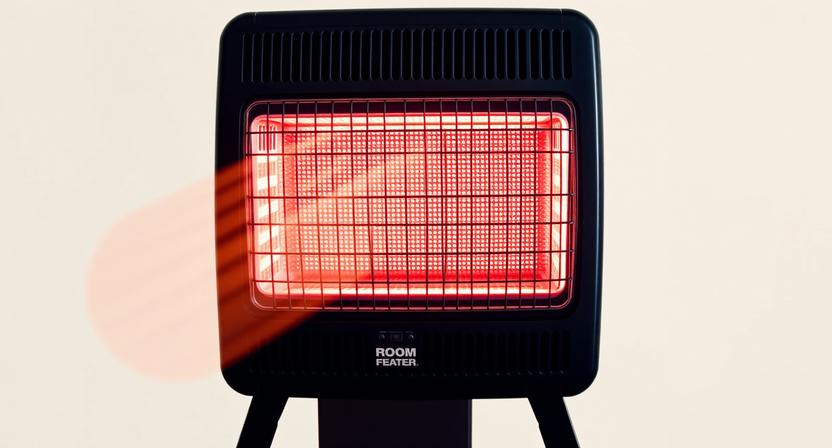
- Radiation: Have you ever felt the warmth of the sun on a cold day? That is radiant heat. Radiant or infrared heaters emit electromagnetic waves that travel through the air without heating it. Instead, they heat the objects and people they strike directly.
- Conduction: While less common for “room” heating, conduction involves the direct transfer of heat through physical contact. Some baseboard heaters or specialized floor mats utilize this to provide a warm surface.
Primary Types of Room Heaters for Modern Homes
Choosing the right heater requires matching the technology to your specific environment. Below is a breakdown of the most popular types found in modern markets.
1. Fan-Forced Convection Heaters
These are the “sprinters” of the heating world. They utilize an internal fan to blow air over a heated element (often metal or ceramic).
- Best For: Quickly warming small offices or bathrooms.
- Pros: Instant heat, portable, and usually the most affordable.
- Cons: Can be noisy; the heat dissipates quickly once the unit is turned off.
2. Oil-Filled Radiators
If fan heaters are sprinters, oil-filled radiators are the “marathon runners.” These units look like traditional radiators but are filled with a specialized thermal oil that never needs replacing.
- Best For: Bedrooms and living rooms where long-term, silent heat is required.
- Pros: Extremely quiet, holds heat for a long time, and doesn’t dry out the air.
- Cons: Takes 15-30 minutes to reach peak temperature; heavy to move.
3. Infrared (Radiant) Heaters
These heaters use quartz tubes or carbon filaments to emit infrared light.
- Best For: Drafty areas, garages, or when you are sitting in one spot for a long time.
- Pros: Energy efficient because they don’t waste energy heating the air; provides instant “sun-like” warmth.
- Cons: If you move out of the “line of sight” of the heater, you will feel cold immediately.
4. Ceramic Heaters
Ceramic heaters are a sub-type of fan heaters but use ceramic plates instead of metal coils. Ceramic is a highly efficient heat conductor.
- Best For: Personal space heating with a focus on safety.
- Pros: The outer casing stays cooler to the touch; very efficient at lower temperatures.
- Cons: Generally covers a limited area.
Comparative Analysis of Popular Room Heater Types
| Feature | Fan-Forced | Oil-Filled | Infrared | Ceramic |
| Heat-up Speed | Instant | Slow | Instant | Fast |
| Noise Level | Moderate to High | Silent | Silent | Low to Moderate |
| Energy Efficiency | Moderate | High (thermal mass) | Very High | High |
| Safety Level | Moderate | Very High | Moderate | High |
| Ideal Room Size | Small | Medium to Large | Personal Space | Small to Medium |
Key Factors to Consider Before Buying a Room Heater
When people ask what is room heater efficiency, they are usually referring to the “Wattage-to-Warmth” ratio. In North America, the standard space heater pulls 1,500 Watts of power. Here is how to calculate what you actually need.
Sizing Your Heater (The 10-Watt Rule)
A general rule of thumb in the HVAC industry is that you need roughly 10 Watts of heating power for every square foot of floor space in a room.
- Example: If you have a 150-square-foot bedroom, you should look for a 1,500-Watt heater.
- Note: If your ceilings are higher than 8 feet or your insulation is poor (common in older Tier 1 homes), you may need to increase this by 25%.
Smart Features and Modern Tech
The “smart” revolution has not skipped the humble room heater. Look for these high-value features:
- Digital Thermostats: Allows you to set a precise temperature (e.g., 68°F/20°C) so the unit clicks off when the room is comfortable.
- Wi-Fi Connectivity: Control your heater via a smartphone app. You can turn on the heat in your home office 10 minutes before you start work.
- Eco-Modes: Many modern units like those from De’Longhi or Dyson feature modes that oscillate power levels to maintain heat using the least amount of electricity.
Safety Protocols: Protecting Your Home
Safety is the most critical angle when discussing what is room heater usage. According to the National Fire Protection Association (NFPA), space heaters account for 44% of home heating fires in the U.S.
Essential Safety Features
- Tip-Over Switch: An internal sensor that automatically cuts power if the unit is knocked over by a pet or a child.
- Overheat Protection: A thermal fuse that shuts the unit down if internal components reach a dangerous temperature.
- Cool-to-Touch Housing: Essential for homes with toddlers or curious pets.
The “Three-Foot Rule”
Always maintain a three-foot (one-meter) clearance around your heater. Keep curtains, bedding, furniture, and papers away from the heating element. Furthermore, never use an extension cord with a high-wattage heater. The high current can melt the cord and start a fire; always plug directly into a wall outlet.
Energy Efficiency: How to Heat Without Breaking the Bank
In a world of rising energy costs, using a room heater strategically can actually save you money. This is known as “Zone Heating.”
Instead of setting your central furnace to 72°F for the entire house, drop the central thermostat to 62°F and use a high-efficiency room heater in the one room you are currently occupying. This targeted approach can reduce heating bills by up to 15-20%, depending on your home’s insulation.
Real-World Case Study: The Home Office
A professional working from home in a 2,000-sq-ft house in Chicago decided to lower the central heating and use a 1,500W ceramic heater in a 120-sq-ft office. By only heating the office during the day, they saved approximately $40 per month on their natural gas bill, easily paying for the heater in one winter season.
Maintenance: Ensuring Longevity and Performance
A well-maintained room heater can last 5 to 10 years. Follow these steps to ensure peak performance:
- Dusting: Use a vacuum or compressed air to remove dust from the intake grilles. Dust acts as an insulator and can cause the unit to overheat or smell like “burnt hair.”
- Cord Inspection: Regularly check the power cord for fraying or heat damage. If the plug feels hot to the touch during use, stop using it immediately.
- Off-Season Storage: Store your heater in its original box in a dry place to prevent moisture from damaging the internal electronics.
Frequently Asked Questions (FAQs)
1. Is it safe to leave a room heater on overnight?
Generally, it is not recommended to leave a heater on while sleeping unless it is an oil-filled radiator with a certified thermostat and auto-shutoff features. Even then, ensure the room is well-ventilated and the heater is far from bedding.
2. Do room heaters dry out the air?
Convection heaters (fan-forced) tend to dry out the air more because they circulate it constantly. If you suffer from dry skin or sinuses, an oil-filled radiator or a heater with a built-in humidifier is a better choice.
3. Can a room heater save me money on my electric bill?
Only if you use it for zone heating. If you run multiple space heaters in every room while also running your central heat, your electric bill will skyrocket.
Conclusion: Empowering Your Winter Strategy
When you understand what is room heater technology and how to apply it, you move from merely surviving the winter to mastering your environment. These devices are more than just boxes of hot air; they are sophisticated tools for efficiency, comfort, and personalized warmth.
By selecting the right type—be it a silent oil radiator for your bedroom or a quick ceramic fan for your office—and adhering to strict safety protocols, you can create a sanctuary of warmth even in the harshest climates. Remember to prioritize safety features like tip-over switches and always aim for the “Zone Heating” strategy to keep your costs manageable.
Ready to upgrade your comfort? Don’t let the cold dictate your productivity. Evaluate your room size today, check for those essential safety certifications, and invest in a high-quality room heater that fits your lifestyle.
✍️ Call to Action
Stay Warm and Save Smart! If you found this guide helpful, subscribe to our newsletter for more home maintenance tips, or share this article with a friend who’s currently shivering in their home office. Your cozy winter starts with one smart choice!
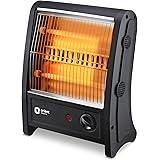
Orient Electric Quartz Room Heater | 800 W Low Power Consumption | Tip-over Protection | 2 Heating Rods for Quick Heating | Cool Touch Body | 1 Year Warranty, Black
₹1,470.00 (as of September 19, 2026 18:07 GMT +05:30 - More infoProduct prices and availability are accurate as of the date/time indicated and are subject to change. Any price and availability information displayed on [relevant Amazon Site(s), as applicable] at the time of purchase will apply to the purchase of this product.)
B&K Wall Mounted Electric Convector Heater | Silent Infrared Room Heater for Bathroom, Bedroom & Indoor Use
₹599.00 (as of September 19, 2026 18:07 GMT +05:30 - More infoProduct prices and availability are accurate as of the date/time indicated and are subject to change. Any price and availability information displayed on [relevant Amazon Site(s), as applicable] at the time of purchase will apply to the purchase of this product.)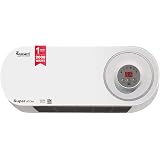
WARMEX HOME APPLIANCES Super Atom 2000W/1000W Wall Mount PTC Room Heater, 2 Heat Modes with Digital Display, ISI Certified With 1 Year Warranty, Overheat Protection Heater for Bedroom, White
₹5,499.00 (as of September 19, 2026 18:07 GMT +05:30 - More infoProduct prices and availability are accurate as of the date/time indicated and are subject to change. Any price and availability information displayed on [relevant Amazon Site(s), as applicable] at the time of purchase will apply to the purchase of this product.)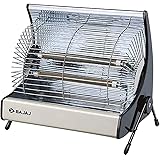
Bajaj Deluxe 2000 Watts Halogen Room Heater | ISI Approved | Adjustable Thermostat | 2 Heat Settings | 2 Yr Warranty 【Multicolor】
₹1,795.00 (as of September 19, 2026 18:07 GMT +05:30 - More infoProduct prices and availability are accurate as of the date/time indicated and are subject to change. Any price and availability information displayed on [relevant Amazon Site(s), as applicable] at the time of purchase will apply to the purchase of this product.)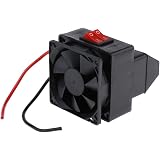
CALANDIS 12V 300W Car Heating Heater Hot Fan Driving Defroster Demister For Vehicle
Now retrieving the price.
(as of September 19, 2026 18:07 GMT +05:30 - More infoProduct prices and availability are accurate as of the date/time indicated and are subject to change. Any price and availability information displayed on [relevant Amazon Site(s), as applicable] at the time of purchase will apply to the purchase of this product.)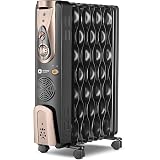
Orient Electric 9 Fin Oil Filled Radiator | 2400W | Advanced S- Shaped Fins | Overheat Protection| 3 Heat Setting | Portable | 2-year warranty by Orient | Black-Gold
₹8,900.00 (as of September 19, 2026 18:07 GMT +05:30 - More infoProduct prices and availability are accurate as of the date/time indicated and are subject to change. Any price and availability information displayed on [relevant Amazon Site(s), as applicable] at the time of purchase will apply to the purchase of this product.)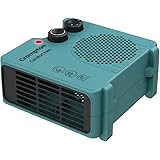
Crompton COMFORT NEO Room Heater, 2000W heat convector,Adjustable thermostast over heat protection shock proof body.
₹1,385.00 (as of September 19, 2026 18:07 GMT +05:30 - More infoProduct prices and availability are accurate as of the date/time indicated and are subject to change. Any price and availability information displayed on [relevant Amazon Site(s), as applicable] at the time of purchase will apply to the purchase of this product.)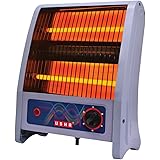
Usha 2 Rod Quartz Heater | 800Watt with Low Power Consumption | Cool Touch Body | Tip Over Protection | 1 Year Warranty | (4302, Grey)
Now retrieving the price.
(as of September 19, 2026 18:07 GMT +05:30 - More infoProduct prices and availability are accurate as of the date/time indicated and are subject to change. Any price and availability information displayed on [relevant Amazon Site(s), as applicable] at the time of purchase will apply to the purchase of this product.)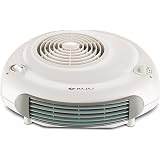
Bajaj RX 11 2000-Watt Heat Convector, White
₹2,239.00 (as of September 19, 2026 18:07 GMT +05:30 - More infoProduct prices and availability are accurate as of the date/time indicated and are subject to change. Any price and availability information displayed on [relevant Amazon Site(s), as applicable] at the time of purchase will apply to the purchase of this product.)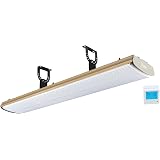
Xtreme H1 Infrared Room Heater | 1800 watts, Covers 2000 cu. ft. | Remote Adjustable Temperature | Instant & Healthier Warmth | Thermostat with Heating Mode | 1- Year Warranty
₹36,999.00 (as of September 19, 2026 18:07 GMT +05:30 - More infoProduct prices and availability are accurate as of the date/time indicated and are subject to change. Any price and availability information displayed on [relevant Amazon Site(s), as applicable] at the time of purchase will apply to the purchase of this product.)
Orient Electric Areva Portable Room Heater | 2000W | Two Heating Modes | Advanced Overheat Protection | Horizontal & Vertical Mount | 1-year replacement warranty by Orient | White
₹1,309.00 (as of September 19, 2026 18:07 GMT +05:30 - More infoProduct prices and availability are accurate as of the date/time indicated and are subject to change. Any price and availability information displayed on [relevant Amazon Site(s), as applicable] at the time of purchase will apply to the purchase of this product.)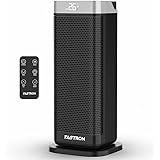
FASTRON 2000W PTC Space Heater for Indoor Use | Fast Heating Portable Electric Heater with Remote, 12H Timer, 70° Oscillation, Large Ceramic Room Heater for Bedroom, Office & Home Safety Protection
₹5,497.00 (as of September 19, 2026 18:07 GMT +05:30 - More infoProduct prices and availability are accurate as of the date/time indicated and are subject to change. Any price and availability information displayed on [relevant Amazon Site(s), as applicable] at the time of purchase will apply to the purchase of this product.)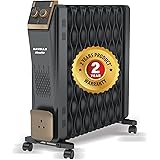
Havells 13 Fin Hestio Wave Fin OFR (Oil Filled Radiator)|Room Heater|2900 W|3 Heat Settings & PTC Fan Heater|Inclined Control Panel|Retractable Wheels| Comfortable Breathing|360° Heating (Black)
₹15,799.00 (as of September 19, 2026 18:07 GMT +05:30 - More infoProduct prices and availability are accurate as of the date/time indicated and are subject to change. Any price and availability information displayed on [relevant Amazon Site(s), as applicable] at the time of purchase will apply to the purchase of this product.)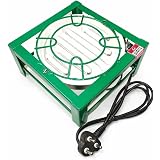
Electric Cooking Heater 1500W Single Burner | Portable Electric Stove with Fast Heating Coil | Heavy Duty Cooking Heater Model-03
₹1,145.00 (as of September 19, 2026 18:07 GMT +05:30 - More infoProduct prices and availability are accurate as of the date/time indicated and are subject to change. Any price and availability information displayed on [relevant Amazon Site(s), as applicable] at the time of purchase will apply to the purchase of this product.)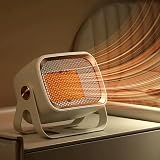
Drumstone (𝐒𝐩𝐞𝐜𝐢𝐚𝐥 𝟏𝟓 𝐘𝐞𝐚𝐫𝐬 𝐖𝐚𝐫𝐫𝐚𝐧𝐭𝐲) Portable 1200W Electric Heater Wall & Desk Mount Room Heater Instant Fast Heating Energy Efficient Safe Heater for Home Bedroom Office
₹2,849.00 (as of September 19, 2026 18:07 GMT +05:30 - More infoProduct prices and availability are accurate as of the date/time indicated and are subject to change. Any price and availability information displayed on [relevant Amazon Site(s), as applicable] at the time of purchase will apply to the purchase of this product.)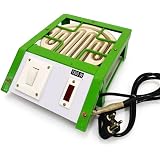
Electric Cooking Heater 1500W Single Burner | Portable Electric Stove, Fast Heating Coil, Heavy Duty
Now retrieving the price.
(as of September 19, 2026 18:07 GMT +05:30 - More infoProduct prices and availability are accurate as of the date/time indicated and are subject to change. Any price and availability information displayed on [relevant Amazon Site(s), as applicable] at the time of purchase will apply to the purchase of this product.)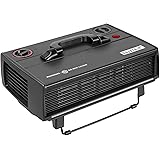
Sujata Heat Convector | 1 Year Warranty, 2000W | Room Heater for Bedroom, Heater for Room in Winter, Fire Resistance PVC Wiring, Adjustable Height & Thermostast for Temperature Control (SRH36- Black)
₹2,070.00 (as of September 19, 2026 18:07 GMT +05:30 - More infoProduct prices and availability are accurate as of the date/time indicated and are subject to change. Any price and availability information displayed on [relevant Amazon Site(s), as applicable] at the time of purchase will apply to the purchase of this product.)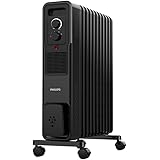
PHILIPS 11 Fin Oil Filled Room Heater (OFR) | M-Shaped fins for faster, uniform heating | Two Knob Controls for temperature & heat modes | Tilt & Auto Shut-Off Safety | PTC Fan Heater for quick warmth
₹13,495.00 (as of September 19, 2026 18:07 GMT +05:30 - More infoProduct prices and availability are accurate as of the date/time indicated and are subject to change. Any price and availability information displayed on [relevant Amazon Site(s), as applicable] at the time of purchase will apply to the purchase of this product.)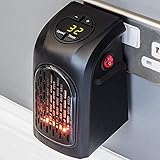
GIOGD 400W Handy Wall-Mounted Electric Convector Heater – Silent Infrared Fan Stove for Bathroom, Bedroom & Greenhouse | Energy-Saving Small Indoor Room Heater
Now retrieving the price.
(as of September 19, 2026 18:07 GMT +05:30 - More infoProduct prices and availability are accurate as of the date/time indicated and are subject to change. Any price and availability information displayed on [relevant Amazon Site(s), as applicable] at the time of purchase will apply to the purchase of this product.)