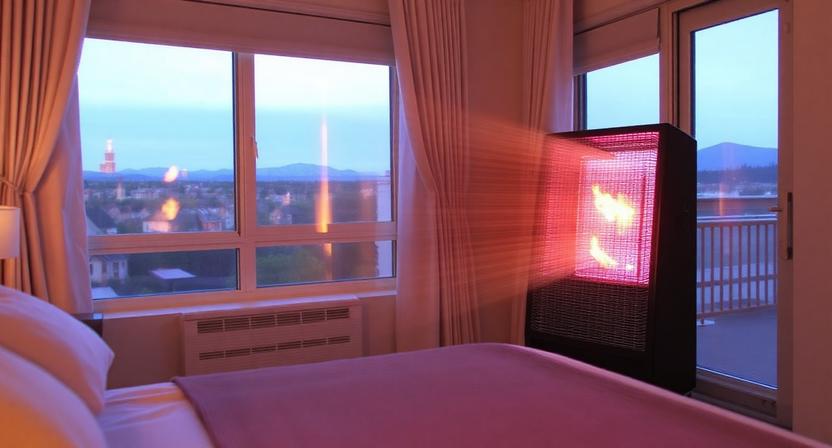
Description: Master the Indian winter! Discover the top room heater types—PTC, Halogen, and Oil-Filled—with expert safety tips, cost analysis, and handpicked model recommendations.
❄️ Introduction: Embracing the Chill – Why a Top Room Heater is Essential
For millions of households across North, East, and Central India, the winter months bring more than just pleasant weather; they bring a biting cold that can significantly impact daily life, health, and comfort. From the chilly mornings in Delhi-NCR to the frosty nights in Kashmir and the sometimes-surprisingly cold inland areas, a high-quality room heater is not a luxury—it’s a necessity.
However, the Indian market is saturated with countless room heater models, confusing consumers with jargon like ‘Oil-Filled Radiator (OFR),’ ‘Halogen,’ and ‘PTC Fan Heater.’ Making the wrong choice can lead to excessive electricity bills, dry air that affects your skin and lungs, or, worst of all, safety hazards.
This comprehensive, expert-driven guide is designed specifically for the Indian reader. We will dismantle the complexities of heating technology, analyze the real-world costs, prioritize crucial safety features, and handpick the top room heater choices across every major category. Our goal is to empower you to select a heater that provides safe, efficient, and consistent warmth throughout the long Indian winter.
🔬 Section 1: Decoding Room Heater Technology – The Three Main Types
Understanding the core technology of a room heater is the first and most critical step. Each type offers a different balance of heating speed, energy efficiency, and moisture retention.
The Quick Warmth: Convection and Radiant Heaters
These heaters work by either blowing hot air (Convection/Fan) or emitting infrared radiation (Radiant/Halogen). They are known for providing instant heat.
- PTC (Positive Temperature Coefficient) Fan Heaters:
- How They Work: Uses special ceramic stones (PTC) that heat up quickly and maintain temperature. A fan then blows the heat out, rapidly warming the air in the room.
- Pros: Quickest heating time, usually within minutes. Excellent for small to medium-sized rooms (up to 150 sq. ft.). Generally safer than traditional coil heaters as the heating element never gets red-hot.
- Cons: Can be noisy due to the fan. Tends to dry out the air more significantly, which can be harsh on the throat and skin.
- Best For: Offices, single rooms, or areas where you need instant, short-burst warmth before turning to a more ambient heater.
- Halogen/Quartz Radiant Heaters:
- How They Work: Uses quartz or halogen tubes to generate heat via infrared rays, which directly warm objects and people in its line of sight, much like the sun.
- Pros: Silent operation and very affordable initial cost. Immediate, directional warmth. Energy efficient for single-person use or spot heating.
- Cons: Safety concern due to the exposed, red-hot heating element. Does not heat the ambient air evenly, leading to cold spots. Can be dazzlingly bright in a dark room.
- Best For: Spot heating, short sessions, or users who prioritize silent warmth near their desk or bed.
The Ambient Warmth: Oil-Filled Radiator (OFR) Heaters
OFRs use a completely different, safer, and more sustained heating mechanism.
- How They Work: Electric coils heat oil sealed inside metal fins. The hot oil then transfers heat to the metal fins, which warm the surrounding air via convection. The oil is a heat reservoir, not a fuel source, meaning it never burns out.
- Pros: Does not reduce oxygen or humidity in the room significantly. Provides comfortable, ambient, and sustained warmth, ideal for long periods (e.g., overnight). They are the safest type for continuous use and have no exposed heating element. Highly energy efficient once the oil is heated up.
- Cons: Slow heating time (takes 20-30 minutes to warm a room). Highest initial purchase cost. Bulky and heavy.
- Best For: Bedrooms, children’s rooms, large living spaces, or continuous overnight use where comfort and safety are paramount.
💡 Section 2: Energy Efficiency and Running Costs in the Indian Context
A major concern for Indian consumers is the high cost of electricity (the unit rate is often higher than in many Western countries). Choosing an energy-efficient room heater can save you thousands of Rupees over a single winter.
Calculating the Real-World Cost of Operation
Room heaters typically consume between 1000W and 2500W. We can calculate the hourly cost using the formula:
Hourly Cost = Wattage (W) / 1000 x Unit Rate (₹/kWh)
- Real-World Example (Northern India): Assuming an average unit rate of ₹7.00 per kilowatt-hour (kWh).
- 2000W Fan Heater: 2000 / 1000 x ₹7.00 = ₹14.00 per hour.
- 1500W OFR (After heating): 1500 / 1000 x ₹7.00 = ₹10.50 per hour.
Key Takeaway: While Fan Heaters (PTC) have a higher wattage, they are only used for short periods. OFRs are used for long periods but are more efficient at maintaining temperature, cycling on and off less frequently once the desired warmth is reached, ultimately leading to comparable, and often lower, long-term running costs for overnight use.
The Thermostat Advantage
Look for heaters with an adjustable thermostat. This feature is the secret weapon for energy savings.
- The Mechanism: A heater without a thermostat runs continuously at full power. A thermostat-equipped heater automatically switches off once the room reaches the set temperature and only switches back on when the temperature drops.
- Actionable Tip: Set your thermostat to a comfortable 22°C and let the heater manage itself. This cyclic operation significantly reduces consumption, sometimes by up to 30-40% compared to continuous running.
🛡️ Section 3: Non-Negotiable Safety Features for Indian Homes
Given the prevalence of children, pets, and sometimes less-than-ideal electrical wiring in older Indian buildings, safety features must be your highest priority when selecting a top room heater.
- Tip-Over Protection Switch:
- Function: Automatically and instantly cuts power if the heater is accidentally knocked or tipped over (a common risk with pets or active children).
- Why it Matters: Prevents the hot element from igniting carpets, curtains, or paper. This feature is non-negotiable for all homes.
- Overheating Protection/Thermal Cut-Off:
- Function: Uses a sensor to monitor the internal temperature. If the airflow is blocked or the internal components get too hot, the heater shuts down before a dangerous temperature is reached.
- Why it Matters: Essential for preventing electrical fires due to internal component failure.
- Cool-Touch Exterior (OFRs and some Fan Heaters):
- Function: The outer body remains cool or warm to the touch, preventing accidental burns.
- Why it Matters: Crucial for homes with small children or elders who might accidentally brush against the heater.
- ISI Mark Certification:
- Trust Builder: Always look for the Bureau of Indian Standards (BIS) ISI mark on the product and packaging. This mark signifies that the product meets the safety and quality standards mandated by the Indian government. Never buy a room heater without it.
Safety Case Study: In a recent analysis of home heating appliance related fires in India, a significant portion were attributed to heaters without certified tip-over protection being used near flammable materials. The cost of a few safety features is negligible compared to the loss caused by an accident.
🥇 Section 4: Handpicked Top Room Heater Recommendations
Based on performance, safety ratings, energy efficiency, and value for money in the Indian context, we recommend models across the three major categories.
Best Overall: Oil-Filled Radiators (OFR)
| Model Category | Key Features for Indian Users | Best For |
| Havells/Bajaj OFR (9-13 Fins) | PTC Fan Boost: Combines slow, ambient warmth with a fan for quick initial heating. Quiet: Perfect for all-night use in bedrooms. Safety: Multiple heat settings and thermal cut-off. | Large Bedrooms, Kids’ Rooms, Overnight Comfort, Highest Safety |
| Usha OFR (11 Fins) | Humidifier Tray: Addresses the dryness issue often associated with heating. Cord Winder: Prevents trip hazards and ensures tidy storage. | Health-Conscious Users, Those with Respiratory Issues, Long-Term Use |
Best for Quick & Portable Warmth: PTC Fan Heaters
| Model Category | Key Features for Indian Users | Best For |
| Orient Electric / V-Guard PTC | Adjustable Thermostat: Essential for preventing continuous high power draw. Oscillation: Distributes warmth quickly and evenly across a room. Compact Size: Easily stored and moved between rooms. | Small Offices, Spot Heating, Quick Warmth, Day Use |
| Kenstar / Crompton PTC | Digital Display & Remote: Convenience features for professional use (e.g., in a cabin or meeting room). Timer Function: Allows auto-shutoff to save electricity. | Professionals, Users Demanding Smart Features and Convenience |
Best Budget & Spot Heating: Radiant/Quartz Heaters
| Model Category | Key Features for Indian Users | Best For |
| Bajaj / Orpat Quartz (2 Rods) | Low Cost, High Output: Highly economical initial purchase. High Efficiency: Provides immediate, directed heat with low wattage (400W/800W). | Individuals, Shops, Small Spot Use, Lowest Budget |
📝 Section 5: Heater Maintenance and Usage Tips
Even the top room heater will perform poorly and unsafely if not used and maintained correctly. These simple tips can ensure peak performance throughout the chilly months.
- Optimal Placement is Key: Place the heater on a flat, stable surface, at least 3 feet (1 meter) away from any flammable materials like curtains, bedding, or furniture. For OFRs, central placement in a room allows for the best convection circulation.
- The Power Socket Check: Room heaters draw high current. Never use an extension cord or power strip, as cheap ones can overheat and melt. Always plug the heater directly into a wall socket that is rated for 15 Amps (a power socket, not a light socket).
- Tackling Dry Air: Especially when using fan/PTC heaters, place a bowl of water near the heater. The water will slowly evaporate, adding moisture back into the air and mitigating throat and skin dryness. OFRs are naturally better at retaining humidity.
- Cleaning Routine: Dust and lint accumulate inside and on the fins. Always unplug the heater and use a soft, dry brush or a vacuum cleaner with a brush attachment to gently remove dust from the vents/fins. Dust can become a fire hazard if it builds up near the heating element.
🚀 Conclusion: Safe, Smart Warmth is Within Reach
The quest for the top room heater is a search for the perfect blend of comfort, safety, and efficiency. For the Indian consumer, the choice boils down to use case:
- If safety and all-night ambient comfort for a large family room or bedroom are the priorities, the Oil-Filled Radiator (OFR) is the undisputed champion, despite its higher upfront cost.
- If quick, intermittent warmth for a small personal space or office is needed, the PTC Fan Heater provides the best solution, provided you monitor its use and humidity output.
By prioritizing features like ISI certification, tip-over protection, and a thermostat, and by committing to proper usage, you can confidently navigate the winter. Investing in a high-quality, reputable room heater is an investment in the health and comfort of your family—a decision you will appreciate every time the temperature dips.
✍️ Compelling Call to Action
Don’t shiver through another cold season! Use our guide to match your needs to the perfect technology. Click here to compare the best-rated OFR and PTC models and secure the ultimate safe and efficient warmth for your home today!
CALANDIS™ Mini Electric Stove Home Travel Hot Plate Burner Heater 220V 500W 50HZ Green | Burners & Hot Plates | Small Kitchen Appliances | Kitchen Dining & Bar
Now retrieving the price.
(as of September 19, 2026 18:07 GMT +05:30 - More infoProduct prices and availability are accurate as of the date/time indicated and are subject to change. Any price and availability information displayed on [relevant Amazon Site(s), as applicable] at the time of purchase will apply to the purchase of this product.)
Usha 2 Rod Quartz Heater | 800Watt with Low Power Consumption | Cool Touch Body | Tip Over Protection | 1 Year Warranty | (4302, Grey)
Now retrieving the price.
(as of September 19, 2026 18:07 GMT +05:30 - More infoProduct prices and availability are accurate as of the date/time indicated and are subject to change. Any price and availability information displayed on [relevant Amazon Site(s), as applicable] at the time of purchase will apply to the purchase of this product.)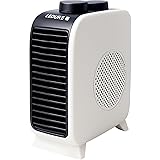
LEDURE 2000W Velar Turbonite Room Heater with 1 Year Warranty | ISI Approved High-Power Fan Blower with Adjustable Thermostat & Overheat Protection
₹1,014.31 (as of September 19, 2026 18:07 GMT +05:30 - More infoProduct prices and availability are accurate as of the date/time indicated and are subject to change. Any price and availability information displayed on [relevant Amazon Site(s), as applicable] at the time of purchase will apply to the purchase of this product.)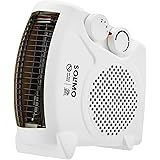
Amazon Brand - Solimo 2000/1000 Watts Room Heater with Adjustable Thermostat (ISI certified, White colour, Ideal for small to medium room/area)
₹1,299.00 (as of September 19, 2026 18:07 GMT +05:30 - More infoProduct prices and availability are accurate as of the date/time indicated and are subject to change. Any price and availability information displayed on [relevant Amazon Site(s), as applicable] at the time of purchase will apply to the purchase of this product.)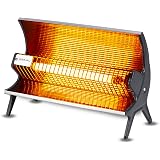
Bajaj Flashy 1000 Watts Radiant Room Heater Black
₹1,375.00 (as of September 19, 2026 18:07 GMT +05:30 - More infoProduct prices and availability are accurate as of the date/time indicated and are subject to change. Any price and availability information displayed on [relevant Amazon Site(s), as applicable] at the time of purchase will apply to the purchase of this product.)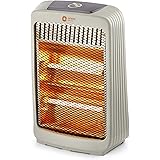
Orient Electric Stark Quartz Room Heater | 800 W Low Power Consumption | Tip-over Protection | 2 Heating Rods for Quick Heating | Cool Touch Body | 1 Year Warranty, White
₹1,579.00 (as of September 19, 2026 18:07 GMT +05:30 - More infoProduct prices and availability are accurate as of the date/time indicated and are subject to change. Any price and availability information displayed on [relevant Amazon Site(s), as applicable] at the time of purchase will apply to the purchase of this product.)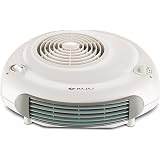
Bajaj RX 11 2000-Watt Heat Convector, White
₹2,239.00 (as of September 19, 2026 18:07 GMT +05:30 - More infoProduct prices and availability are accurate as of the date/time indicated and are subject to change. Any price and availability information displayed on [relevant Amazon Site(s), as applicable] at the time of purchase will apply to the purchase of this product.)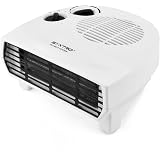
Syntro Aero Heat 1000W/2000W Fan Room Heater for Home | Dual Heat Settings, Adjustable Thermostat, Overheat Protection, Lightweight Portable Electric Heater for Bedroom & Office (White)
₹799.00 (as of September 19, 2026 18:07 GMT +05:30 - More infoProduct prices and availability are accurate as of the date/time indicated and are subject to change. Any price and availability information displayed on [relevant Amazon Site(s), as applicable] at the time of purchase will apply to the purchase of this product.)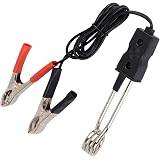
APIRILY® Car Immersion Heater 12V Electric for Picnic Drinking Water Heating | Home & Garden | Yard, Garden & Outdoor Living | Pools & Spas | Pool Equipment & Parts
₹796.00 (as of September 19, 2026 18:07 GMT +05:30 - More infoProduct prices and availability are accurate as of the date/time indicated and are subject to change. Any price and availability information displayed on [relevant Amazon Site(s), as applicable] at the time of purchase will apply to the purchase of this product.)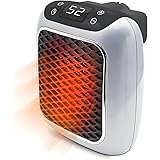
sadhguru volex 800W Electric Convector Room Heater for Home - Wall Mounted & Portable Silent Heater for Bedroom & Bathroom | Energy Saving Infrared Technology | Grey & White
Now retrieving the price.
(as of September 19, 2026 18:07 GMT +05:30 - More infoProduct prices and availability are accurate as of the date/time indicated and are subject to change. Any price and availability information displayed on [relevant Amazon Site(s), as applicable] at the time of purchase will apply to the purchase of this product.)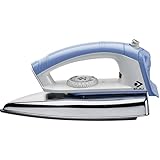
Bajaj Popular Neo 1000W Dry Iron | Advance Soleplate And Anti-Bacterial German Coating Technology | 360 Degree Swivel Cord | Cool Touch Handle | 2-Yrs Warranty 【White&Blue】
Now retrieving the price.
(as of September 19, 2026 18:07 GMT +05:30 - More infoProduct prices and availability are accurate as of the date/time indicated and are subject to change. Any price and availability information displayed on [relevant Amazon Site(s), as applicable] at the time of purchase will apply to the purchase of this product.)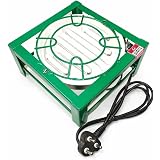
Electric Cooking Heater 1500W Single Burner | Portable Electric Stove with Fast Heating Coil | Heavy Duty Cooking Heater Model-03
₹1,145.00 (as of September 19, 2026 18:07 GMT +05:30 - More infoProduct prices and availability are accurate as of the date/time indicated and are subject to change. Any price and availability information displayed on [relevant Amazon Site(s), as applicable] at the time of purchase will apply to the purchase of this product.)
Orient Electric Areva Portable Room Heater | 2000W | Two Heating Modes | Advanced Overheat Protection | Horizontal & Vertical Mount | 1-year replacement warranty by Orient | White
₹1,309.00 (as of September 19, 2026 18:07 GMT +05:30 - More infoProduct prices and availability are accurate as of the date/time indicated and are subject to change. Any price and availability information displayed on [relevant Amazon Site(s), as applicable] at the time of purchase will apply to the purchase of this product.)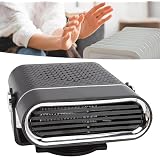
Softnix Car Heater Fan 12V Portable Auto Heater and Cooling Fan, Windshield Defroster Demister with 360 Degree Adjustable Base for Car, SUV, Van and Truck
Now retrieving the price.
(as of September 19, 2026 18:07 GMT +05:30 - More infoProduct prices and availability are accurate as of the date/time indicated and are subject to change. Any price and availability information displayed on [relevant Amazon Site(s), as applicable] at the time of purchase will apply to the purchase of this product.)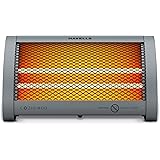
Havells Cozio Nuo Room Heater| Dual Heat Setting 400/800 Watt| Dual Quartz Heating Rods| Silent Operation| Tip Over Protection| Fire Retardant Material| Anti Rust Reflector| 2 Year Warranty(Grey)
₹999.00 (as of September 19, 2026 18:07 GMT +05:30 - More infoProduct prices and availability are accurate as of the date/time indicated and are subject to change. Any price and availability information displayed on [relevant Amazon Site(s), as applicable] at the time of purchase will apply to the purchase of this product.)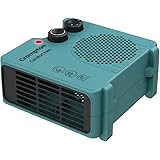
Crompton COMFORT NEO Room Heater, 2000W heat convector,Adjustable thermostast over heat protection shock proof body.
₹1,385.00 (as of September 19, 2026 18:07 GMT +05:30 - More infoProduct prices and availability are accurate as of the date/time indicated and are subject to change. Any price and availability information displayed on [relevant Amazon Site(s), as applicable] at the time of purchase will apply to the purchase of this product.)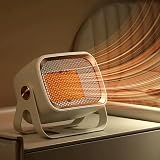
Drumstone (𝐒𝐩𝐞𝐜𝐢𝐚𝐥 𝟏𝟓 𝐘𝐞𝐚𝐫𝐬 𝐖𝐚𝐫𝐫𝐚𝐧𝐭𝐲) Portable 1200W Electric Heater Wall & Desk Mount Room Heater Instant Fast Heating Energy Efficient Safe Heater for Home Bedroom Office
₹2,849.00 (as of September 19, 2026 18:07 GMT +05:30 - More infoProduct prices and availability are accurate as of the date/time indicated and are subject to change. Any price and availability information displayed on [relevant Amazon Site(s), as applicable] at the time of purchase will apply to the purchase of this product.)
Orpat OEH-1260 2000-Watt Fan Heater (Grey)
₹1,299.00 (as of September 19, 2026 18:07 GMT +05:30 - More infoProduct prices and availability are accurate as of the date/time indicated and are subject to change. Any price and availability information displayed on [relevant Amazon Site(s), as applicable] at the time of purchase will apply to the purchase of this product.)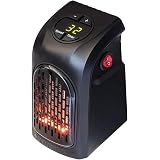
B&K Wall Mounted Electric Convector Heater | Silent Infrared Room Heater for Bathroom, Bedroom & Indoor Use
₹599.00 (as of September 19, 2026 18:07 GMT +05:30 - More infoProduct prices and availability are accurate as of the date/time indicated and are subject to change. Any price and availability information displayed on [relevant Amazon Site(s), as applicable] at the time of purchase will apply to the purchase of this product.)