
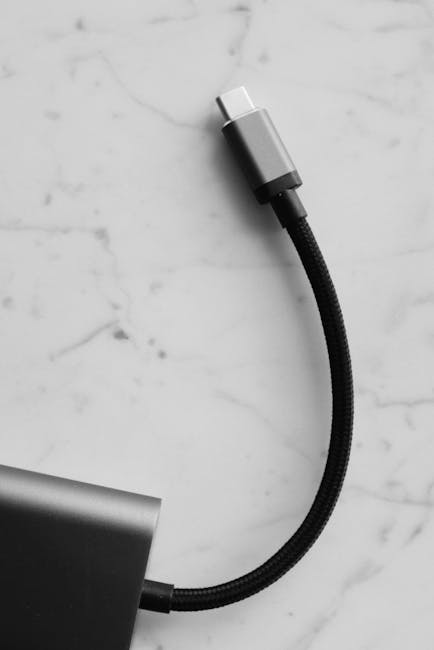
Beyond Charging: Unlocking the Creative Potential of Your USB Cables
We live in a world powered by USB. From smartphones and tablets to laptops and gaming consoles, these ubiquitous cables have become the lifeline for our digital devices. While their primary function of delivering power is undeniable, the humble USB cable is far more than just a charger. Its versatile design and underlying technology offer a surprising array of creative, practical, and even artistic applications that extend far beyond the wall socket. It’s time to look at your USB cables not just as conduits for electricity, but as tools for innovation and everyday problem-solving.
The Anatomy of Versatility: Understanding Your USB Cable
Before diving into creative uses, a quick understanding of USB cable construction is beneficial. Most standard USB cables consist of four internal wires: two for power (VBUS and Ground) and two for data transfer (D+ and D-). While some cables are designed for charging only (often lacking the data wires), many retain the full functionality. This dual capability is the key to many of the non-charging applications we’ll explore. The connectors themselves – USB-A, USB-B, Micro-USB, Mini-USB, and the increasingly common USB-C – also offer different physical interfaces that can be leveraged.
Data Transfer: More Than Just File Syncing
The data transfer capability of USB cables opens up a world of possibilities beyond simply moving files between your computer and phone.
- Connecting Peripherals: This is the most obvious extension of data transfer. USB cables are essential for connecting keyboards, mice, external hard drives, webcams, and printers to your computer. But think beyond the usual suspects. Specialized USB adapters can connect older devices with serial or parallel ports to modern computers, breathing new life into vintage electronics.
- Microcontroller Programming: For hobbyists and makers, USB cables are the gateway to the world of microcontrollers like Arduino and Raspberry Pi. These cables allow you to upload code and communicate with the microcontroller, enabling the creation of custom electronics projects, from automated plant watering systems to interactive art installations.
- Diagnostic Tools: Many automotive diagnostic tools utilize USB connections to communicate with a vehicle’s onboard computer. This allows mechanics (and increasingly, DIY enthusiasts) to read error codes, monitor engine performance, and even perform software updates.
- Audio Interfaces: High-quality USB audio interfaces allow musicians and podcasters to connect microphones and instruments to their computers for recording. These devices bypass the often-inferior built-in sound cards, delivering professional-grade audio capture.
- Network Bridging (Limited): In specific scenarios, some devices can use their USB connection to act as a network bridge. For instance, a smartphone connected to a computer via USB can sometimes share its internet connection (tethering), effectively turning your phone into a Wi-Fi hotspot for your laptop.
Power Delivery: Beyond the Wall Socket
While we’re moving beyond charging, the power delivery aspect of USB cables can be creatively repurposed.
- Powering Small Electronics: Many low-power electronic devices, like LED strips, small fans, USB-powered speakers, and even some digital photo frames, can be powered directly from a USB port on a computer, power bank, or even a smart TV. This eliminates the need for dedicated power adapters and simplifies setups.
- DIY Power Banks: With a few basic electronic components (a battery, a charging circuit, and a USB port), you can create your own custom power bank using a USB cable as the output. This is a fun and educational project for electronics enthusiasts.
- Emergency Power for Small Devices: A USB-to-AA/AAA battery adapter can be a lifesaver. These adapters plug into a USB power source and provide power to devices that typically use AA or AAA batteries, like remote controls or small toys, when you’re out of disposable batteries.
- Testing Power Supplies: A simple USB cable can be used to test the output of USB power supplies. By connecting a USB voltage meter to the cable, you can verify if a charger or power bank is delivering the correct voltage.
Data and Power Synergy: Unique Applications
The combination of data and power capabilities unlocks even more inventive uses.
- USB OTG (On-The-Go): USB OTG technology, particularly prevalent with USB-C, allows devices like smartphones and tablets to act as a host, enabling them to connect to other USB devices. This means you can plug in a USB flash drive to transfer files, connect a keyboard for easier typing, or even use a game controller for a more immersive gaming experience directly from your mobile device.
- Driving Small Displays: Certain small, portable displays are designed to be powered and driven via a single USB-C cable, simplifying connectivity for secondary monitors or portable workstations.
- Smart Home Integration: Many smart home devices, from smart plugs to sensors, utilize USB for both power and data communication. This allows for seamless integration into your existing smart home ecosystem.
Creative and Artistic Endeavors
Beyond the purely functional, USB cables can also be incorporated into creative projects.
- Cable Art and Sculptures: The colorful insulation and flexible nature of USB cables make them an interesting medium for artistic expression. Artists have used them to create intricate sculptures, wall art, and even woven tapestries. The variety of colors and lengths allows for diverse visual compositions.
- DIY Lighting Projects: By carefully stripping the insulation and connecting the power wires to LEDs, USB cables can be used to create custom LED lighting solutions. This is a popular technique for accent lighting, mood lighting, or even creating illuminated signage.
- Cable Management as Art: While not directly using the cable’s electrical properties, the art of cable management can be elevated. Using colorful cable ties and strategically routing cables can transform a messy tangle into a visually pleasing and organized display, especially in studios or gaming setups.
- Themed Decorations: For themed parties or events, USB cables can be repurposed. For a “tech” theme, they can be woven into decorations, used as faux wires in prop machinery, or even strung together to create illuminated banners.
Safety and Considerations
While exploring these creative uses, it’s crucial to prioritize safety.
- Understand Your Cable: Not all USB cables are created equal. Some are designed for charging only and lack data wires. Attempting data transfer with such cables will fail. Conversely, some data cables have lower power delivery ratings. Always check the specifications of your cable.
- Voltage and Amperage: Be mindful of the voltage and amperage requirements of the devices you are connecting. Overloading a USB port or power source can cause damage. USB-C, with its Power Delivery (PD) standard, offers more sophisticated power negotiation, but caution is still advised.
- Short Circuits: When working with exposed wires, always ensure proper insulation to prevent short circuits, which can damage devices and pose a fire hazard.
- Reputable Sources: For DIY projects involving electronics, use reputable components and follow established guidelines to ensure safety and functionality.
- Manufacturer Guidelines: Always refer to the manufacturer’s guidelines for your devices. Modifying or misusing cables can void warranties and lead to unexpected issues.
The humble USB cable, often overlooked as merely a charging accessory, is a testament to the power of thoughtful design and versatile technology. By understanding its underlying capabilities and approaching it with a creative mindset, you can unlock a world of applications that extend far beyond simply powering your devices. From intricate electronic projects and artistic endeavors to practical problem-solving and efficient organization, your USB cables are waiting to be reimagined.