
Decoding Your Pulse: What Your Fitness Tracker’s Heart Rate Data Truly Reveals
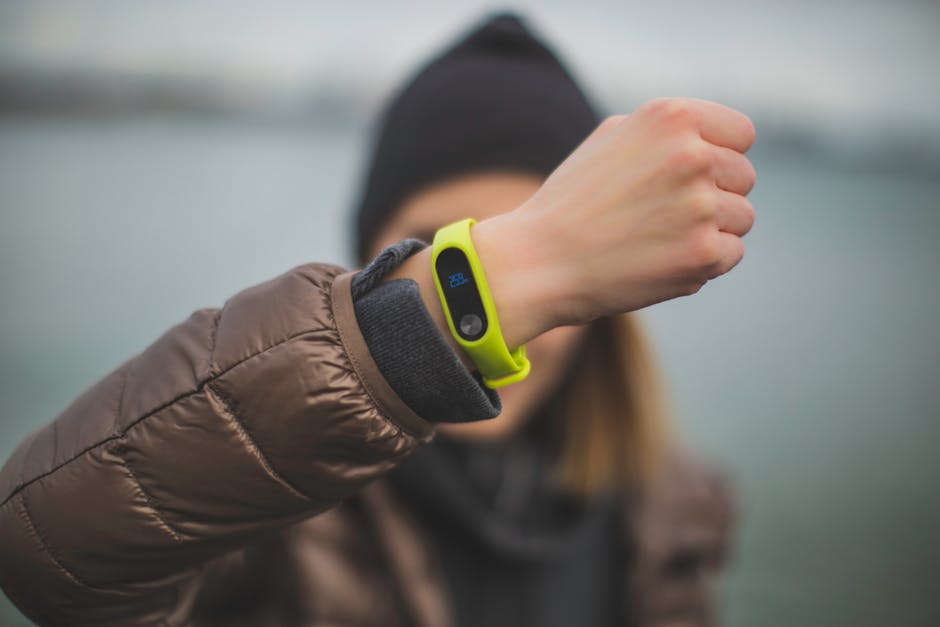
Your fitness tracker, that sleek band adorning your wrist, is more than just a step counter. At its core, it’s a powerful, albeit often underutilized, heart rate monitor. This seemingly simple metric, your pulse, is a window into your body’s physiological state, offering profound insights into your fitness levels, stress, recovery, and overall well-being. Understanding what your fitness tracker’s heart rate data can tell you is key to unlocking its full potential and making informed decisions about your health and training.
The Science Behind the Beat: How Trackers Measure Your Heart Rate
Most modern fitness trackers employ photoplethysmography (PPG) to measure your heart rate. Tiny LED lights on the underside of the device emit green light into your skin. As your heart pumps blood, the volume of blood in your capillaries fluctuates. The sensors then detect the amount of light absorbed or reflected by this changing blood volume. A redder hue (more blood) absorbs more light, while a paler hue (less blood) reflects more. By analyzing these fluctuations, the tracker’s algorithms can calculate your heart rate in beats per minute (BPM). While remarkably accurate for everyday use and moderate activity, it’s important to note that PPG can be less precise during intense exercise with significant arm movement or in situations with poor circulation (e.g., cold extremities).
Resting Heart Rate: Your Baseline Indicator of Health
Your Resting Heart Rate (RHR) is arguably the most crucial metric your tracker provides. Measured when you are completely at rest, ideally upon waking before getting out of bed, it reflects the efficiency of your cardiovascular system. A lower RHR generally indicates a stronger, healthier heart that can pump more blood with each beat, requiring less effort to maintain circulation. For adults, a normal RHR typically falls between 60 and 100 BPM. However, athletes and highly conditioned individuals often have RHRs in the 40s or 50s.
- What a declining RHR signifies: A consistent decrease in your RHR over weeks and months is a strong indicator of improved cardiovascular fitness. Regular aerobic exercise strengthens your heart muscle, making it more efficient.
- What an increasing RHR suggests: A sudden or gradual rise in your RHR can signal various issues. It could be a sign of overtraining, insufficient sleep, increased stress, dehydration, illness (your body is working harder to fight something off), or even the early stages of a cold or flu. It’s a valuable early warning system.
- Tracking trends is key: Don’t get overly fixated on a single RHR reading. Focus on the trend over time. Consistent monitoring allows you to identify deviations from your personal baseline.
Heart Rate Zones: Optimizing Your Workouts for Specific Goals
Your fitness tracker can also categorize your heart rate into different heart rate zones during exercise. These zones are typically based on a percentage of your maximum heart rate (MHR), which is often estimated using the formula 220 minus your age, though this is a generalization. More accurate MHR testing can be done with a healthcare professional. Understanding these zones helps you tailor your workouts for specific physiological adaptations:
- Zone 1: Very Light (50-60% of MHR): Recovery pace. This zone is for warm-ups, cool-downs, and active recovery days. It aids in blood flow and muscle repair without significant cardiovascular stress.
- Zone 2: Light (60-70% of MHR): Fat-burning zone. This is where your body preferentially uses fat for fuel. It’s excellent for building aerobic base endurance and is sustainable for longer durations. Think of brisk walking or light jogging.
- Zone 3: Moderate (70-80% of MHR): Aerobic fitness. This zone improves cardiovascular health and endurance. You’ll feel like you’re working, but you can still hold a conversation. This is common during sustained moderate-intensity exercise like running or cycling.
- Zone 4: Hard (80-90% of MHR): Anaerobic threshold. Pushing into this zone improves your lactate threshold, meaning your body can sustain higher intensities for longer before fatigue sets in. Workouts here are challenging, and conversation is difficult. This is typical for interval training.
- Zone 5: Maximum (90-100% of MHR): Peak effort. This zone is for short bursts of maximal intensity, like sprinting. It’s crucial for developing peak power and speed but is unsustainable and should be used sparingly.
By tracking which zones you spend time in during your workouts, you can ensure you’re hitting your training goals, whether it’s building endurance, improving speed, or maximizing calorie burn.
Heart Rate Variability (HRV): A Deeper Dive into Recovery and Stress
While not all trackers prominently display it, Heart Rate Variability (HRV) is a sophisticated metric that offers profound insights into your autonomic nervous system. HRV measures the time variations between successive heartbeats. It’s not about how fast your heart is beating, but the subtle differences in the intervals. A higher HRV generally indicates a more adaptable and resilient nervous system, suggesting good recovery and readiness for stress. Conversely, a lower HRV can signal that your body is under stress, fatigued, or not fully recovered.
- HRV and Recovery: After intense exercise, your HRV typically drops as your body prioritizes recovery. A healthy recovery will see your HRV return to your baseline or even exceed it. If your HRV remains low days after a hard workout, it suggests you might need more rest.
- HRV and Stress: Both physical and mental stress can negatively impact HRV. Chronic stress can lead to persistently low HRV, indicating that your body is in a state of constant alert, which can have long-term health implications.
- HRV and Illness: Similar to RHR, a significant drop in HRV can be an early indicator of illness, as your body diverts resources to fight off infection.
- Understanding Your Baseline: Like RHR, establishing your personal HRV baseline is crucial. Track it consistently, ideally in the morning, to understand what’s normal for you. Deviations from this baseline are more informative than absolute numbers.
Beyond the Workout: Heart Rate in Daily Life
Your fitness tracker’s heart rate monitor isn’t just for exercise. It provides valuable data throughout your day:
- Stress Detection: Many trackers now offer stress tracking features that use heart rate and HRV data to identify periods of elevated stress. This can prompt you to take breaks, practice mindfulness, or engage in relaxation techniques.
- Sleep Tracking: While primarily based on movement, heart rate data during sleep can offer additional insights into sleep quality. A lower average heart rate during sleep can indicate deeper, more restorative sleep. Fluctuations in heart rate during sleep can sometimes point to sleep disturbances.
- Calorie Expenditure: Heart rate is a key factor in calculating calorie burn. By using your real-time heart rate, trackers can provide a more accurate estimate of calories burned during both exercise and daily activities compared to simple step counting.
- Detecting Irregular Heart Rhythms (with caveats): Some advanced trackers are beginning to incorporate features that can detect potential atrial fibrillation (AFib), a common type of irregular heartbeat. While these features are not a substitute for professional medical diagnosis, they can alert you to potential issues that warrant a conversation with your doctor. Always consult a healthcare professional if you have concerns about your heart rhythm.
Maximizing Your Tracker’s Potential: Tips for Accurate Data
To get the most out of your heart rate data, consider these tips:
- Proper Fit: Ensure your tracker is snug but not constricting. It should sit about a finger’s width above your wrist bone. A loose band can lead to inaccurate readings.
- Cleanliness: Keep the sensors on the underside of your tracker clean. Dirt and sweat can interfere with light transmission.
- Skin Tone and Tattoos: Very dark skin tones or tattoos directly under the sensor can sometimes affect PPG accuracy. If you experience persistent issues, try wearing the tracker on your other wrist or ensuring good contact.
- Hydration: Dehydration can impact blood volume and circulation, potentially affecting heart rate readings.
- Consistency: Wear your tracker consistently, especially overnight and during workouts, to build a comprehensive dataset.
- Manual Input: For some activities, like weightlifting or yoga, where arm movement is minimal, manually logging your workout and heart rate can improve accuracy if your tracker struggles to capture it automatically.
- Context is King: Always interpret your heart rate data within the context of your overall health, lifestyle, and training. Don’t panic over a single elevated reading; look for trends.
By actively engaging with and understanding the heart rate data provided by your fitness tracker, you transform it from a passive gadget into a proactive tool for enhancing your fitness, managing stress, and ultimately, improving your overall health. Your pulse, when deciphered, tells a compelling story of your body’s resilience and progress.