
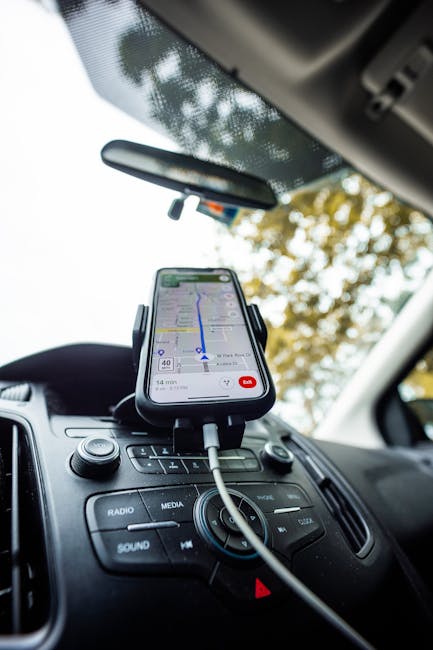
Secure Your Drive: Navigating the Maze of Car Dashboard Phone Holders
In today’s hyper-connected world, our smartphones are indispensable companions, acting as navigators, communication hubs, and entertainment centers. When it comes to using them safely and effectively in the car, a reliable dashboard phone holder isn’t just a convenience; it’s a necessity. However, with a bewildering array of options flooding the market, choosing the right one can feel like navigating a complex GPS route without signal. This guide delves into the critical factors to consider, empowering you to make an informed decision that prioritizes security, functionality, and your peace of mind on the road.
The primary function of a car dashboard phone holder is to keep your device securely in place, preventing it from becoming a dangerous projectile during sudden stops or sharp turns. Beyond mere safety, a well-chosen holder enhances your driving experience by providing easy access to navigation, music controls, and hands-free calling without compromising your focus on the road. This is where the “right” holder truly shines, seamlessly integrating into your driving environment.
Understanding the Mounting Mechanisms: The Foundation of Security
The method by which your phone holder attaches to your dashboard is paramount. Each mechanism offers distinct advantages and disadvantages, and understanding these nuances is the first step towards a secure installation.
-
Adhesive Mounts: These are perhaps the most common and versatile option. They utilize a strong, often 3M VHB (Very High Bond) adhesive to firmly attach to the dashboard surface.
- Pros: Excellent adhesion, minimal interference with dashboard aesthetics, generally very stable once applied correctly. Many offer a wide range of adjustability.
- Cons: Can leave residue if removed, may not adhere well to heavily textured or porous surfaces, extreme temperatures can sometimes affect adhesive strength.
- SEO Keywords: Adhesive car phone mount, 3M dashboard holder, sticky phone mount, strong adhesive phone holder.
- Expert Tip: Ensure the dashboard surface is thoroughly cleaned and dry before application. For extra security, consider using a small piece of double-sided automotive trim tape on textured areas.
-
Suction Cup Mounts: These rely on creating a vacuum seal against a smooth, non-porous surface. While traditionally associated with windshield mounting, many modern designs are adapted for dashboards.
- Pros: Easy to reposition, generally leave no residue, can be effective on glossy or smooth dashboard sections.
- Cons: Can lose suction over time, especially in extreme heat or cold, may not adhere to textured or matte dashboards, can be less secure than adhesive mounts in rough driving conditions.
- SEO Keywords: Suction cup car phone holder, dashboard suction mount, windshield phone holder dashboard.
- Expert Tip: Regularly clean the suction cup and the mounting surface. A small amount of petroleum jelly applied to the rim of the suction cup can sometimes improve its seal.
-
Vent Mounts: These clip onto your car’s air vents. They are a popular choice for their ease of installation and removal.
- Pros: Extremely easy to install and remove, good for drivers who frequently switch cars, keeps the phone within easy reach.
- Cons: Can obstruct airflow from the vent, may not be suitable for all vent designs (e.g., delicate or unusually shaped vents), prolonged use in hot weather can overheat the phone.
- SEO Keywords: Car vent phone mount, air vent phone holder, dashboard vent clip.
- Expert Tip: Ensure the vent clip is robust and has a secure grip. Avoid placing it on vents that direct air directly onto your phone for extended periods.
-
Beanbag Mounts (Friction Mounts): These heavy, weighted bases sit on the dashboard and use friction to stay in place.
- Pros: No adhesive or suction required, easy to move between vehicles, stable on most dashboard surfaces.
- Cons: Can take up more dashboard space, may slide slightly on very aggressive turns if not weighted sufficiently.
- SEO Keywords: Beanbag car phone holder, dashboard friction mount, weighted phone mount.
- Expert Tip: Look for models with a non-slip base for maximum stability.
-
Clip-on/Dashboard Edge Mounts: These grip the edge of your dashboard, often near the instrument cluster.
- Pros: Keeps the phone in your line of sight without obstructing the main dashboard area, can be very secure if the clip is well-designed.
- Cons: Limited compatibility with different dashboard designs, may not fit all vehicles.
- SEO Keywords: Dashboard edge phone mount, car dash clip holder.
- Expert Tip: Check compatibility with your specific vehicle’s dashboard design before purchasing.
Phone Grip Mechanisms: The Embrace of Your Device
Once the holder is secured to your dashboard, the way it grips your phone is equally crucial. A loose grip is an invitation to disaster.
-
Spring-Loaded Claws/Arms: These are the most prevalent. They use spring tension to clamp onto the sides of your phone.
- Pros: Universally compatible with most phone sizes, generally very secure.
- Cons: Can sometimes be difficult to operate with one hand, may scratch the phone’s finish if not well-padded.
- SEO Keywords: Spring-loaded phone holder, adjustable phone grip, car mount clamp.
- Expert Tip: Look for holders with rubberized or silicone padding on the gripping surfaces to protect your phone.
-
Magnetic Mounts: These utilize strong magnets. One part attaches to your dashboard, and the other is a metal plate that adheres to the back of your phone (or its case).
- Pros: Extremely easy to attach and detach your phone with one hand, sleek and minimalist design.
- Cons: Requires attaching a metal plate to your phone, may not be suitable for very heavy phones or in extremely bumpy conditions, some users worry about magnetic interference with phone components (though modern phones are generally shielded).
- SEO Keywords: Magnetic car phone mount, dashboard magnetic holder, phone magnet car.
- Expert Tip: Use a high-quality metal plate and ensure it’s placed on a non-wireless charging-enabled part of your phone if you use wireless charging.
-
Adjustable Cradle Mounts: These feature a more substantial cradle that your phone slots into, often with adjustable side and bottom supports.
- Pros: Very secure, can accommodate a wide range of phone sizes and even larger devices like tablets (in dedicated models).
- Cons: Can be bulkier, may be less convenient for quick one-handed removal.
- SEO Keywords: Adjustable phone cradle, car mount for larger phones.
- Expert Tip: Ensure the cradle’s depth and width can accommodate your phone with its case.
Material and Durability: Withstanding the Elements
Your car dashboard holder will be exposed to varying temperatures, sunlight, and vibrations. Choosing a material that can withstand these conditions is vital for longevity and consistent performance.
- High-Quality Plastics: ABS (Acrylonitrile Butadiene Styrene) and polycarbonate are common. Look for models that feel robust and don’t creak or flex excessively. UV-resistant coatings are a plus.
- Rubber and Silicone: These materials are excellent for padding, grip, and vibration dampening. They prevent slippage and protect your phone from scratches.
- Metal Components: Some higher-end holders incorporate metal for added strength and durability, particularly in the articulating arms and mounting bases.
Articulation and Adjustability: Finding Your Perfect Angle
The ability to position your phone precisely where you need it is crucial for both visibility and ease of use.
- Ball Joints: These offer the most freedom of movement, allowing for 360-degree rotation and tilting.
- Articulating Arms: Extendable arms allow you to bring the phone closer or further away, and often have multiple pivot points for fine-tuning the position.
- Swivel Heads: Enable rotation of the phone holder itself, allowing for portrait or landscape orientation.
Wireless Charging Integration: The Ultimate Convenience
For many, the ideal car phone holder also offers wireless charging capabilities. This eliminates the need for fumbling with cables, keeping your device powered up on the go.
- Qi-Certified Chargers: Ensure the holder is Qi-certified, guaranteeing compatibility and safe charging speeds with your smartphone.
- Power Input: Most wireless charging holders require a connection to your car’s 12V outlet or a USB port. Ensure you have a suitable adapter and cable.
- Heat Dissipation: Prolonged charging, especially in a hot car, can lead to overheating. Look for holders with good heat dissipation features.
Compatibility and Fit: Beyond the Phone Itself
While the holder needs to accommodate your phone, it also needs to work seamlessly with your car’s interior.
- Phone Size and Weight: Always check the holder’s specifications for the maximum phone size and weight it can support. This is especially important for larger smartphones and those with heavy cases.
- Dashboard Surface: As discussed earlier, the mounting mechanism must be compatible with your dashboard’s texture and material.
- Vent Design: If considering a vent mount, ensure it will securely attach to your car’s specific vent type.
- Charging Ports and Buttons: Ensure the holder doesn’t