
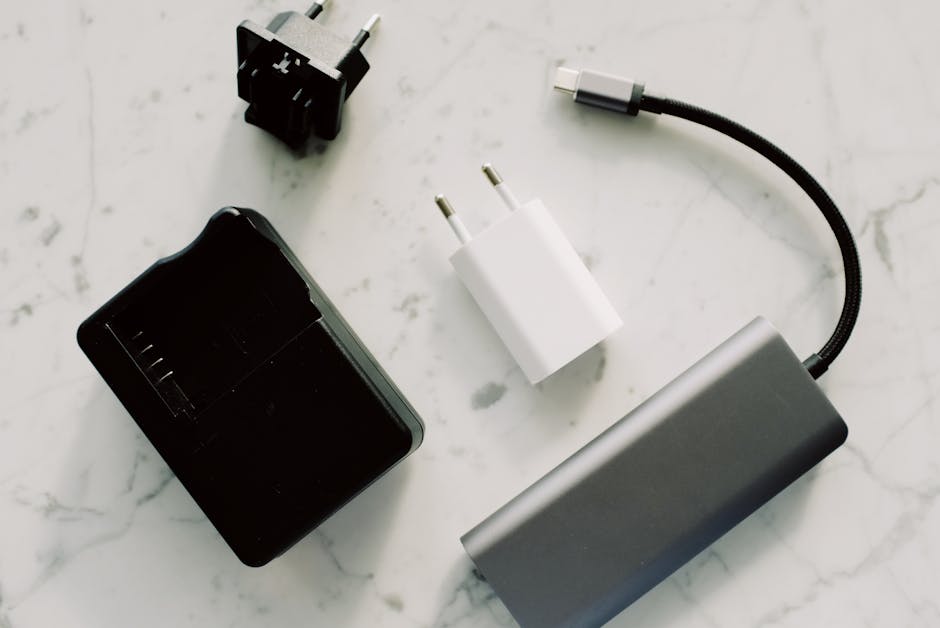
Unleash the Power: Boost Your Charging Speed with a 1m USB-C Cable Solution
In today’s hyper-connected world, a sluggish charging experience can feel like a significant bottleneck. The ubiquitous USB-C port, lauded for its versatility and speed, promises rapid power delivery. However, not all USB-C cables are created equal. To truly harness the potential of your devices and reclaim your time, investing in a high-quality 1-meter USB-C cable is a surprisingly effective and often overlooked solution. This article delves deep into why a specific length and type of cable can dramatically improve your charging speed, exploring the underlying technology, the crucial factors to consider, and how to identify the best 1m USB-C cable for your needs.
The Science Behind Faster Charging: Power Delivery and Cable Limitations
At the heart of modern fast charging lies the USB Power Delivery (USB PD) standard. This intelligent protocol allows devices and chargers to negotiate optimal power levels, enabling significantly faster charging than older USB standards. However, USB PD’s effectiveness is directly influenced by the cable connecting the power source to the device.
Cables act as conduits for electrical current. The longer and thinner a cable, the higher its electrical resistance. This resistance causes a voltage drop, meaning less power actually reaches your device. Imagine trying to push water through a very long, narrow hose – the flow will be significantly reduced. In charging terms, this translates to slower charging speeds, even if your charger and device support fast charging.
A 1-meter USB-C cable strikes an optimal balance. At this length, the impact of resistance on voltage drop is minimized, allowing a greater percentage of the charger’s power to reach your device. This is particularly crucial for devices that demand high wattage for rapid charging, such as modern smartphones, tablets, and even some laptops. Shorter cables, while offering minimal resistance, can be impractical for everyday use. Longer cables, especially those of lower quality, can become the primary limiting factor in your charging speed.
Why a Quality 1m USB-C Cable Matters: Beyond Just Length
While length is a critical factor, the quality of the cable itself plays an equally vital role. Not all 1-meter USB-C cables are built to the same standards. Here’s what to look for:
- Wire Gauge (AWG): This refers to the thickness of the copper wires within the cable. Thicker wires have lower resistance. Look for cables with a lower AWG number (e.g., 20 AWG or 22 AWG) for charging applications, as this indicates thicker, more conductive wires capable of handling higher currents without significant power loss. Cheaper cables often use thinner wires (higher AWG), which are a major culprit for slow charging.
- Shielding: High-quality cables feature robust shielding to protect the data and power signals from electromagnetic interference (EMI). EMI can disrupt the charging process, leading to inconsistencies and slower speeds. Look for cables with multiple layers of shielding, including aluminum foil and braided shielding.
- Connector Quality: The USB-C connectors themselves are crucial. Poorly manufactured connectors can have loose connections, leading to intermittent charging or even damage to the ports. Opt for cables with solid, well-machined connectors, often featuring gold-plated contacts for improved conductivity and corrosion resistance.
- E-Marker Chip: For USB PD charging above 3A (which is common for fast charging), a cable requires an E-Marker chip. This chip communicates the cable’s capabilities to the charger and device, ensuring safe and efficient power delivery. Cables without an E-Marker chip will be limited to lower charging speeds (typically 60W or less), even if your charger and device support higher wattages. A quality 1m USB-C cable designed for fast charging will explicitly mention the presence of an E-Marker chip and its support for higher power delivery (e.g., 100W or 240W).
- Material Quality: The outer jacket material also contributes to durability and protection. Braided nylon or TPE (thermoplastic elastomer) are excellent choices, offering flexibility, resistance to tangling, and protection against wear and tear. Avoid cheap, flimsy plastic jackets that can easily crack or fray.
Identifying the Ideal 1m USB-C Cable for Your Devices
To maximize your charging speed, it’s essential to match your cable to your device’s and charger’s capabilities.
- Determine Your Device’s Charging Needs: Check your device’s specifications or charger’s output to understand the maximum wattage it supports. Smartphones typically range from 18W to 65W, while tablets and laptops can go up to 100W or even higher.
- Verify Charger Compatibility: Ensure your charger also supports the desired wattage and USB PD. A powerful charger paired with an inadequate cable will still result in slow charging.
- Look for Specific Certifications: Reputable manufacturers will often highlight certifications like USB-IF (USB Implementers Forum), which signifies that the cable meets industry standards for performance and safety.
- Read Reviews: User reviews can provide valuable insights into a cable’s real-world performance, durability, and charging speeds. Look for reviews that specifically mention fast charging capabilities and consistency.
Practical Scenarios Where a 1m USB-C Cable Excels
The benefits of a high-quality 1m USB-C cable extend beyond mere speed:
- Bedside Charging: A 1-meter cable provides ample reach from your nightstand outlet to your phone or tablet, allowing you to comfortably use your device while it charges overnight or during a quick top-up.
- Desk Setup: Keep your workspace tidy and organized. A 1m cable allows you to connect your laptop or phone to a power source without excessive cable slack cluttering your desk.
- Travel Companion: While shorter cables are often packed for travel, a reliable 1m cable offers more flexibility in hotel rooms or airport lounges where power outlets might not be conveniently located.
- Gaming and Entertainment: For power-hungry activities like mobile gaming or streaming, a consistent and fast charge is crucial. A quality 1m cable ensures your device stays powered without interruptions.
- Power Bank Connectivity: When using a power bank, a 1m cable provides a good balance of reach and efficiency for charging your devices on the go.
Common Pitfalls to Avoid When Choosing a USB-C Cable
- The “Cheap” Trap: While tempting, extremely cheap USB-C cables are almost always a false economy. They often compromise on wire gauge, shielding, and connector quality, leading to frustratingly slow charging and potential damage.
- “Data” vs. “Charge” Cables: Some cables are optimized for data transfer and may not be built for high-wattage charging. Ensure the cable explicitly states support for USB PD and high charging speeds.
- Generic Unbranded Cables: While not all unbranded cables are bad, sticking to reputable brands known for their quality accessories provides a greater assurance of performance and safety.
- Overly Long Cables: While longer cables offer reach, anything significantly exceeding 2 meters, especially without robust construction and thicker wiring, will inevitably lead to noticeable power loss and slower charging.
The 1m USB-C Cable: A Small Investment, a Big Impact
In conclusion, the humble 1-meter USB-C cable, when chosen wisely, is far more than just a connector. It’s a critical component in the fast-charging ecosystem. By understanding the interplay of USB PD, wire gauge, shielding, and E-Marker chips, you can make an informed decision that significantly boosts your charging speed, reduces frustration, and maximizes the utility of your modern devices. Investing in a high-quality 1m USB-C cable is a simple yet profoundly effective way to reclaim your time and ensure your devices are always ready when you are.