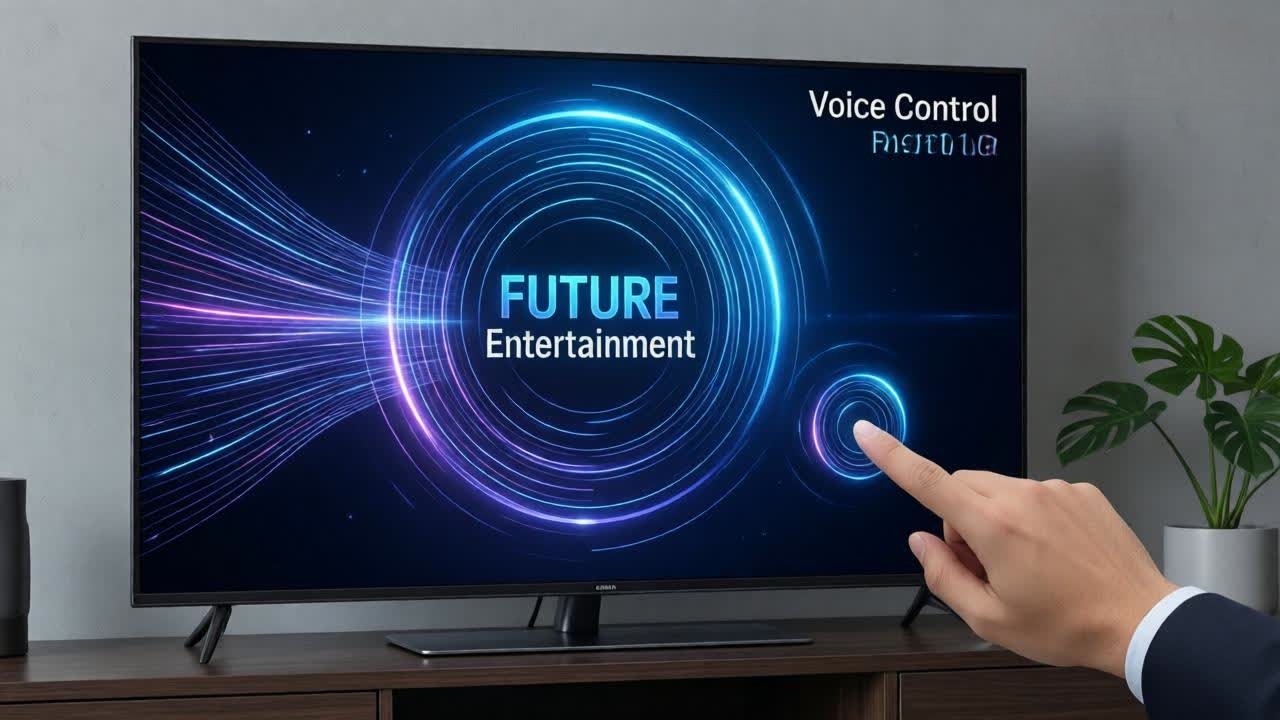
The living room, once a sanctuary of physical remotes and complex button sequences, is undergoing a radical transformation. At the forefront of this revolution is smart TV voice control, a technology that has rapidly evolved from a niche novelty to an indispensable feature, promising a future where entertainment is as effortless as speaking your desires. This article delves into the intricate workings, burgeoning capabilities, and profound impact of voice control on how we interact with our televisions, positioning it as the undeniable future of home entertainment.
At its core, smart TV voice control leverages sophisticated Natural Language Processing (NLP) and Artificial Intelligence (AI) to interpret spoken commands. Unlike rudimentary voice recognition systems of the past, modern voice assistants, powered by deep learning algorithms, can understand context, nuances in speech, and even infer intent. This allows for a far more intuitive and fluid interaction. When you say, “Play the latest episode of ‘Stranger Things’ on Netflix,” the TV doesn’t just search for those keywords; it understands the request for a specific show, on a particular streaming service, and the desire to watch the newest installment. This level of comprehension is the bedrock upon which the future of entertainment is being built.
The convenience factor is arguably the most significant driver of smart TV voice control’s ascendancy. The days of fumbling for a lost remote, deciphering cryptic menus, or typing lengthy search queries are rapidly fading. With voice control, accessing content becomes instantaneous. Want to switch to a specific channel? “Tune to ESPN.” Looking for a particular movie genre? “Show me action movies from the 80s.” The ability to control playback – pause, rewind, fast-forward, skip – with simple vocal cues further enhances this seamless experience. This liberation from physical interfaces is particularly beneficial for individuals with mobility issues or those simply seeking a more relaxed viewing experience.
Beyond basic navigation and content discovery, the integration with smart home ecosystems is a game-changer. Many smart TVs are now equipped with voice assistants that can act as central hubs for a connected home. Imagine this: you’re settling in for a movie. A single voice command, “Hey [Assistant Name], movie night,” can dim the lights, close the smart blinds, adjust the thermostat, and then cue up your chosen film. This interconnectedness creates a truly immersive and personalized entertainment environment, blurring the lines between the television and the broader smart home. The potential for automation and scene-setting through voice is vast, offering a glimpse into a future where our living spaces intelligently adapt to our needs and desires.
The evolution of content discovery is another area profoundly impacted by voice control. Traditional search methods often lead to overwhelming results or require precise keyword knowledge. Voice assistants, however, can engage in more conversational searches. You can ask for recommendations based on your viewing history, mood, or even the weather outside. “I’m in the mood for something funny and lighthearted,” or “Find me a documentary about space exploration.” These nuanced requests allow the AI to tap into vast databases and user preferences, surfacing content that might otherwise remain undiscovered. Furthermore, voice control facilitates the exploration of live TV, on-demand libraries, and streaming services concurrently, offering a unified search experience that transcends individual platforms.
The underlying technology powering this revolution is a testament to ongoing innovation. Speech recognition engines have become remarkably accurate, capable of distinguishing between different voices, accents, and even background noise. Machine learning algorithms continuously refine the AI’s understanding, learning from every interaction to improve its responsiveness and accuracy. Cloud-based processing ensures that complex computations are handled efficiently, providing near-instantaneous responses. The development of dedicated voice processing chips within smart TVs further enhances performance and reduces reliance on external devices for basic voice commands. This technological sophistication is what transforms a simple microphone into a powerful gateway to entertainment.
However, the journey of smart TV voice control is not without its challenges and considerations. Privacy concerns are paramount. The constant listening for wake words raises questions about data collection and potential misuse. Reputable manufacturers are increasingly transparent about their data policies and offer users granular control over voice recording and data storage. Security is another crucial aspect, ensuring that unauthorized individuals cannot access or control the TV through voice commands. Robust authentication protocols and user-defined security settings are vital to building trust.
The user experience itself is continuously being refined. Early iterations of voice control could be frustrating, with frequent misinterpretations or limited command sets. Today, the focus is on creating a natural and intuitive dialogue. Developers are working on enhancing contextual awareness, allowing the TV to remember previous interactions within a session. For instance, if you ask to “make it louder,” the TV understands you’re referring to the current audio, not a general volume setting. The development of multi-modal interactions, where voice is complemented by visual cues on the screen, further enhances usability.
The impact on the entertainment industry is already palpable. Streaming services are optimizing their content for voice search, with metadata and tagging becoming increasingly important. The ability to easily discover and access niche content through voice commands could democratize content consumption, giving smaller creators and independent films a greater chance of being found. Furthermore, the data gathered from voice interactions provides invaluable insights into viewer preferences, influencing content creation and curation strategies.
Looking ahead, the capabilities of smart TV voice control are poised for even greater expansion. We can anticipate more personalized recommendations driven by a deeper understanding of individual moods and preferences. Interactive entertainment experiences, where viewers can influence storylines or participate in games through voice, are on the horizon. The integration with augmented reality (AR) and virtual reality (VR) could lead to entirely new forms of immersive entertainment, all controlled by the human voice. Imagine virtually exploring historical sites or participating in interactive documentaries, with your voice as the sole controller.
The accessibility benefits of voice control cannot be overstated. For individuals with visual impairments, the ability to navigate complex menus and control their viewing experience through spoken commands opens up a world of entertainment that was previously inaccessible. Similarly, for those with dexterity challenges, voice control eliminates the need for precise button presses, making technology more inclusive.
The future of entertainment is inherently conversational. Smart TV voice control is not merely a feature; it is a fundamental shift in how we engage with technology and media. It promises a more intuitive, personalized, and accessible entertainment landscape, where the power of our voice unlocks a universe of possibilities within the comfort of our homes. As the technology continues to mature, the seamless integration of voice into our daily lives will redefine what it means to watch, play, and experience entertainment. The era of the silent screen, dictated by physical buttons, is giving way to a dynamic, responsive, and voice-driven future.
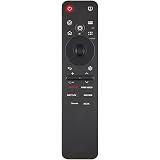
BULLMIGHT LG Original AI Magic Remote Control (MR25GA) for All LG TVs: OLED, QNED, UHD, LED, LCD with AI, Pointer and Alexa Voice - Only for 2025 Models and Above (NOT Below 2025 Models)
₹1,999.00 (as of September 21, 2026 11:24 GMT +05:30 - More infoProduct prices and availability are accurate as of the date/time indicated and are subject to change. Any price and availability information displayed on [relevant Amazon Site(s), as applicable] at the time of purchase will apply to the purchase of this product.)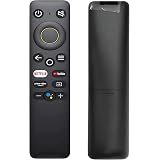
Remote Compatible with Realme Smart LED TV | Non-Voice TV Remote Control, Netflix, Prime Video and YouTube Shortcut Keys, Ready to Use, Please Match Layout Before Order
₹189.00 (as of September 21, 2026 11:24 GMT +05:30 - More infoProduct prices and availability are accurate as of the date/time indicated and are subject to change. Any price and availability information displayed on [relevant Amazon Site(s), as applicable] at the time of purchase will apply to the purchase of this product.)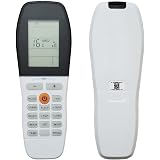
Redatom AC Remote Compatible for Voltas Air Conditioner, Original 1,1.5, 2 Ton Inverter Split Ac Remote (AC-248)
₹399.00 (as of September 21, 2026 11:24 GMT +05:30 - More infoProduct prices and availability are accurate as of the date/time indicated and are subject to change. Any price and availability information displayed on [relevant Amazon Site(s), as applicable] at the time of purchase will apply to the purchase of this product.)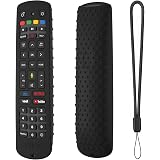
Oboe Silicone TV Remote Cover 'Compatible with' Jio Tv Remote Protective Case with Lanyard (Black) [Remote NOT Included]
₹296.00 (as of September 21, 2026 11:24 GMT +05:30 - More infoProduct prices and availability are accurate as of the date/time indicated and are subject to change. Any price and availability information displayed on [relevant Amazon Site(s), as applicable] at the time of purchase will apply to the purchase of this product.)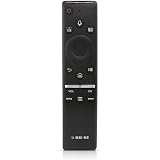
RESORB Samsung TV Remote Compatible with Samsung Smart LED LCD QLED Crystal UHD Neo QLED 4K 8K Frame TV Models (2019-2025), Remote Control, Black (LED 300 Non-Voice Control Remote)
₹244.00 (as of September 21, 2026 11:24 GMT +05:30 - More infoProduct prices and availability are accurate as of the date/time indicated and are subject to change. Any price and availability information displayed on [relevant Amazon Site(s), as applicable] at the time of purchase will apply to the purchase of this product.)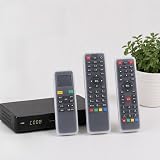
3-Piece Silicone Remote Cover Set Universal, Various Sizes | For TV, AC & Set-Top Box Remotes, Universal Stretchable, Waterproof & Dustproof, Anti-Slip Transparent
₹198.00 (as of September 21, 2026 11:24 GMT +05:30 - More infoProduct prices and availability are accurate as of the date/time indicated and are subject to change. Any price and availability information displayed on [relevant Amazon Site(s), as applicable] at the time of purchase will apply to the purchase of this product.)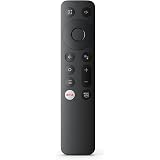
K2 Remote Compatible for OnePlus Smart TV – Replacement for U1S, Y1S, Y1S Edge & Y1S Pro 4K UHD Android TVs | Non Voice Control | 1 Year Warranty | Exact Match Required
₹249.00 (as of September 21, 2026 11:24 GMT +05:30 - More infoProduct prices and availability are accurate as of the date/time indicated and are subject to change. Any price and availability information displayed on [relevant Amazon Site(s), as applicable] at the time of purchase will apply to the purchase of this product.)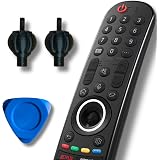
Round Scroll Wheel Replacement Kit Compatible with LG Magic Remote, 2 Round Scroll Button and 1 Prying Tool - Compatible with AN-MR21 | AN-MR22 | AN-MR23 | AN-MR24 remotes | DIY Replacement Kit
₹209.00 (as of September 21, 2026 11:24 GMT +05:30 - More infoProduct prices and availability are accurate as of the date/time indicated and are subject to change. Any price and availability information displayed on [relevant Amazon Site(s), as applicable] at the time of purchase will apply to the purchase of this product.)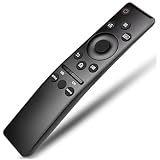
Remote Control Compatible for Samsung Smart 4K Tv Remote Original Led UHD QLED Television and Monitor Suitable for Frame Ultra 6 7 8 Series with Hot Keys BN59 Model Without Voice Command
₹299.00 (as of September 21, 2026 11:24 GMT +05:30 - More infoProduct prices and availability are accurate as of the date/time indicated and are subject to change. Any price and availability information displayed on [relevant Amazon Site(s), as applicable] at the time of purchase will apply to the purchase of this product.)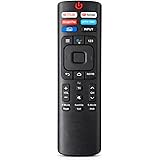
Remote Control Compatible for VU/Hisense LED Smart TV 4k Without Voice Command with Netflix & P-Video hot Keys (Please Match The Image with Your Old Remote)- Black.
₹299.00 (as of September 21, 2026 11:24 GMT +05:30 - More infoProduct prices and availability are accurate as of the date/time indicated and are subject to change. Any price and availability information displayed on [relevant Amazon Site(s), as applicable] at the time of purchase will apply to the purchase of this product.)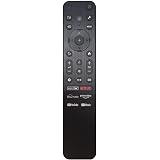
ALERHA Compatible with Sony Tv Remote RMF-TX810U Model Suitable Bravia XR OLED 4K Ultra HD Smart Google Television of A80L A83L A84L X75L X74L X70L X64L X90L XR80 XR81 Series-[Non Voice Control]
₹499.00 (as of September 21, 2026 11:24 GMT +05:30 - More infoProduct prices and availability are accurate as of the date/time indicated and are subject to change. Any price and availability information displayed on [relevant Amazon Site(s), as applicable] at the time of purchase will apply to the purchase of this product.)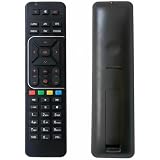
Saplotia Airtel DTH Remote Original Compatible (Come with 2 AAA Batteries), Black
₹299.00 (as of September 21, 2026 11:24 GMT +05:30 - More infoProduct prices and availability are accurate as of the date/time indicated and are subject to change. Any price and availability information displayed on [relevant Amazon Site(s), as applicable] at the time of purchase will apply to the purchase of this product.)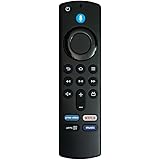
7SEVEN® Compatible with Amazon Fire TV Stick Remote Suitable for All Models L5B83G S3L46N 3rd Generation Fire TV 4K Device Bluetooth Voice Command Follow Pairing & Troubleshoot Steps to Enable Alexa
₹436.00 (as of September 21, 2026 11:24 GMT +05:30 - More infoProduct prices and availability are accurate as of the date/time indicated and are subject to change. Any price and availability information displayed on [relevant Amazon Site(s), as applicable] at the time of purchase will apply to the purchase of this product.)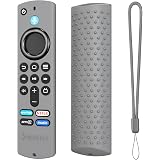
Sounce Silicone Cover Case Compatible with Fire TV Stick 3rd Gen 2021 Alexa Voice Remote – Shockproof Full-Body Silicone Sleeve with Anti-Slip Texture (Grey) [Remote NOT Included]
₹199.00 (as of September 21, 2026 11:24 GMT +05:30 - More infoProduct prices and availability are accurate as of the date/time indicated and are subject to change. Any price and availability information displayed on [relevant Amazon Site(s), as applicable] at the time of purchase will apply to the purchase of this product.)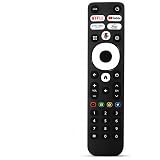
Supreme E-commerce Compatible for Airtel Xstream TV IPTV OTT Set Top Box – Replacement Remote for Airtel IPTV | Match with Old Remote Before (Non Voice Infrared Function), with Hot Key Function
₹284.00 (as of September 21, 2026 11:24 GMT +05:30 - More infoProduct prices and availability are accurate as of the date/time indicated and are subject to change. Any price and availability information displayed on [relevant Amazon Site(s), as applicable] at the time of purchase will apply to the purchase of this product.)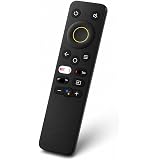
AULCMEET Non-Voice Remote Compatible with Realme Android LED Smart TVs with Streaming App Shortcut Buttons(Please Match The Image with Your Old Remote)
₹249.00 (as of September 21, 2026 11:24 GMT +05:30 - More infoProduct prices and availability are accurate as of the date/time indicated and are subject to change. Any price and availability information displayed on [relevant Amazon Site(s), as applicable] at the time of purchase will apply to the purchase of this product.)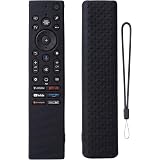
SHOPOFLUX Silicone Cover Compatible with Sony Bravia Smart Tv Voice Remote Case with Lanyard [Remote NOT Included]
₹449.00 (as of September 21, 2026 11:24 GMT +05:30 - More infoProduct prices and availability are accurate as of the date/time indicated and are subject to change. Any price and availability information displayed on [relevant Amazon Site(s), as applicable] at the time of purchase will apply to the purchase of this product.)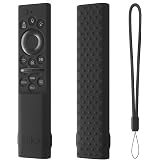
Oboe Silicone Tv Remote Cover Compatible with Samsung Smart Tv Remote 2026 Model BN59-01498A Open Key Case with Lanyard (Black) [REMOT E NOT Included]
₹398.00 (as of September 21, 2026 11:24 GMT +05:30 - More infoProduct prices and availability are accurate as of the date/time indicated and are subject to change. Any price and availability information displayed on [relevant Amazon Site(s), as applicable] at the time of purchase will apply to the purchase of this product.)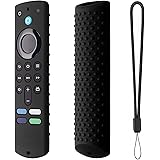
Dealfreez Silicone Cover Case Compatible with Fire TV Stick 3rd Gen 2021 Remote Full Wrap Remote Cover with Lanyard (D-Black) [Remote NOT Included]
₹293.00 (as of September 21, 2026 11:24 GMT +05:30 - More infoProduct prices and availability are accurate as of the date/time indicated and are subject to change. Any price and availability information displayed on [relevant Amazon Site(s), as applicable] at the time of purchase will apply to the purchase of this product.)