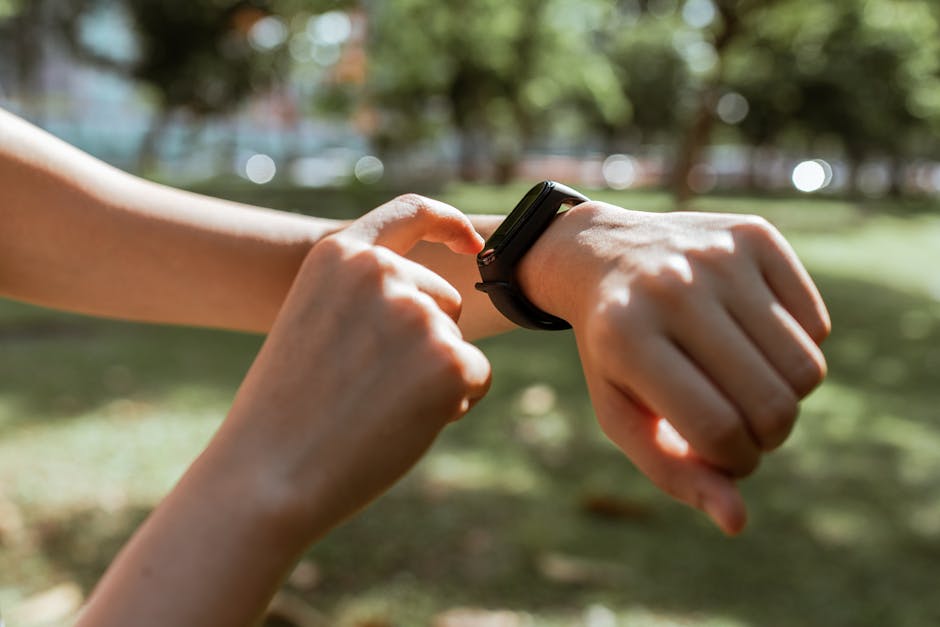
Choosing the right activity tracker can feel overwhelming with the sheer volume of options available. Beyond simply counting steps, modern wearables offer a sophisticated suite of features to monitor everything from sleep patterns and heart rate variability to advanced workout metrics and stress levels. To navigate this landscape effectively, it’s crucial to align your chosen device with your specific fitness aspirations. Whether you’re a casual walker aiming for better daily movement, a dedicated runner pushing for personal bests, a cyclist conquering miles, or someone focused on holistic well-being, there’s an activity tracker perfectly suited to your needs. This guide will delve into the top contenders, highlighting their strengths and ideal use cases to help you make an informed decision.
For the Everyday Mover: Elevating Daily Activity and General Health
For individuals whose primary goal is to increase general activity, improve daily step counts, and gain a better understanding of their overall health, simplicity and ease of use are paramount. These trackers focus on core metrics like steps, distance, calories burned, and active minutes, often with added benefits of sleep tracking and basic heart rate monitoring.
Fitbit Charge 6: This perennial favorite continues to impress with its balanced feature set and user-friendly interface. The Charge 6 excels at providing a comprehensive overview of daily activity. Its accurate step and calorie tracking are complemented by excellent sleep stage analysis, helping users understand their recovery. For those looking to incorporate light exercise, the built-in GPS is a significant upgrade, allowing for phone-free run and walk tracking. The inclusion of an ECG app for heart rhythm assessment and EDA scan for stress management elevates it beyond a simple step counter, making it a powerful tool for holistic health monitoring. Its intuitive app ecosystem provides actionable insights and motivational challenges, fostering consistent engagement.
Garmin Vivosmart 5: Garmin’s Vivosmart 5 offers a more minimalist approach, prioritizing core activity tracking with exceptional battery life. It reliably tracks steps, distance, calories, and intensity minutes. The integrated Pulse Ox sensor provides blood oxygen saturation monitoring, particularly useful for sleep analysis and altitude acclimatization. Its Body Battery™ feature, which estimates energy reserves, is a clever way to gauge readiness for activity. While it lacks built-in GPS, its seamless integration with the Garmin Connect app, renowned for its depth of data and analysis, makes it a strong contender for those who prefer to track GPS data with their phone.
For the Dedicated Runner: Precision, Performance, and Pace
Runners, whether training for their first 5K or aiming for marathon glory, require devices that offer detailed performance metrics, accurate GPS, and robust training analysis. Key features include pace, distance, cadence, stride length, heart rate zones, and recovery time.
Garmin Forerunner 965: Widely considered the gold standard for serious runners, the Forerunner 965 is a feature-rich smartwatch designed to optimize performance. Its advanced running dynamics, including ground contact time, vertical oscillation, and stride length, provide invaluable insights for improving running form and efficiency. The highly accurate multi-band GPS ensures precise distance and pace tracking, even in challenging environments. The comprehensive training status and readiness metrics, coupled with suggested workouts tailored to your fitness level and recovery, make it an indispensable training partner. Its vibrant AMOLED display offers excellent visibility, and the extensive battery life means it can handle even the longest ultramarathons.
Coros Pace 3: For runners seeking a balance of advanced features and exceptional value, the Coros Pace 3 is a compelling option. It boasts impressive GPS accuracy and a suite of running metrics comparable to more expensive competitors. The EvoLab provides detailed training analysis, including training load, tempo, and recovery time suggestions. Its standout feature is its remarkable battery life, often lasting weeks on a single charge, which is a significant advantage for ultra-endurance athletes or those who dislike frequent charging. The lightweight design and comfortable strap ensure it remains unobtrusive during long runs.
For the Cycling Enthusiast: Metrics, Navigation, and Connectivity
Cyclists benefit from trackers that can monitor speed, distance, cadence, power output (when paired with a power meter), and offer navigation capabilities. Integration with cycling-specific apps and the ability to display real-time data are crucial.
Garmin Edge 1040 Solar: While often categorized as a bike computer, the Edge 1040 Solar functions as an ultimate activity tracker for cyclists. Its advanced navigation features, including preloaded maps and turn-by-turn directions, are unparalleled. It seamlessly integrates with power meters, providing critical metrics like power zones, efficiency, and balance. The solar charging capability extends battery life significantly, ensuring it can handle multi-day cycling tours. The ClimbPro feature offers real-time information on ascents, helping cyclists pace themselves effectively. Its robust connectivity allows for live tracking, group tracking, and incident detection.
Wahoo ELEMNT ROAM: The Wahoo ELEMNT ROAM is another top-tier cycling computer that excels as an activity tracker. Its intuitive interface and large, bright display make it easy to read at a glance. The unit offers robust navigation, including route creation and re-routing on the go. It pairs effortlessly with a wide range of sensors, including power meters, speed sensors, and cadence sensors, providing comprehensive data. The companion app is user-friendly for route planning and data analysis. Its durable construction and excellent battery life make it a reliable companion for any cycling adventure.
For the Strength Trainer and Gym-Goer: Reps, Sets, and Muscle Focus
For those who prioritize strength training, the ideal tracker goes beyond cardio metrics to offer insights into resistance training. This includes automatic rep counting, set tracking, rest timers, and muscle group analysis.
Whoop 4.0: While not a traditional “tracker” with a screen, Whoop 4.0 is a powerful recovery and strain monitoring device that is exceptionally beneficial for strength athletes. It focuses on physiological data – heart rate variability, resting heart rate, respiratory rate, and sleep – to provide a daily recovery score and strain target. This allows users to optimize their training intensity based on their body’s readiness, preventing overtraining and maximizing gains. Its lack of a screen encourages a focus on data-driven decisions rather than constant notifications. The accompanying app is a treasure trove of insights into sleep quality, strain, and recovery.
Garmin Venu 3: The Venu 3 offers a more traditional smartwatch experience with robust strength training features. It boasts automatic rep counting for a variety of exercises and provides on-screen animations to guide proper form. The ability to create custom workouts within the Garmin Connect app and have them appear on the watch is a significant advantage for gym-goers. While it excels at cardio tracking, its strength training capabilities are a welcome addition, making it a versatile option for those who engage in a mix of activities.
For the Holistic Health Seeker: Sleep, Stress, and Mindfulness
Individuals focused on overall well-being, stress management, and optimizing sleep quality will find value in trackers that offer advanced sleep tracking, heart rate variability (HRV) monitoring, stress scores, and guided mindfulness exercises.
Oura Ring Gen3: The Oura Ring is a discreet and powerful wellness tracker that prioritizes sleep and recovery. Its accurate sleep staging, including deep, REM, and light sleep, along with its readiness score, provides actionable insights into how well you’re recovering. The ring also monitors body temperature, heart rate, and HRV, offering a comprehensive picture of your physiological state. Its focus on trends over time helps users understand how lifestyle factors impact their well-being. The app provides personalized recommendations for improving sleep and managing stress.
Fitbit Sense 2: The Fitbit Sense 2 is designed for comprehensive health monitoring. Its advanced sensors track heart rate, blood oxygen (SpO2), skin temperature, and ECG. A key feature is its continuous electrodermal activity (EDA) sensor, which detects subtle changes in your sweat that can indicate stress. The Sense 2 provides stress management tools, including guided breathing exercises and mindfulness sessions. Its excellent sleep tracking and integration with the Fitbit ecosystem make it a well-rounded choice for those prioritizing mental and physical well-being.
Choosing Your Perfect Companion:
Ultimately, the “best” activity tracker is the one that aligns with your personal fitness goals, lifestyle, and budget. Consider what metrics are most important to you, how you prefer to interact with your data, and what level of detail you require. Don’t be afraid to explore the features of different brands and read user reviews to find the device that will empower you on your fitness journey.
Drumstone (𝐒𝐩𝐞𝐜𝐢𝐚𝐥 𝟏𝟓 𝐘𝐞𝐚𝐫𝐬 𝐖𝐚𝐫𝐫𝐚𝐧𝐭𝐲 M3 Bluetooth Fitness Band Smart Watch for Men & Women | Activity Tracker with Heart Rate Monitor, Step Counter, Sleep Tracking
₹739.00 (as of July 18, 2026 18:28 GMT +05:30 - More infoProduct prices and availability are accurate as of the date/time indicated and are subject to change. Any price and availability information displayed on [relevant Amazon Site(s), as applicable] at the time of purchase will apply to the purchase of this product.)
Drumstone Smart Fitness Band with OLED Display, Bluetooth Activity Tracker, Heart Rate Monitor, Step Counter, Waterproof Silicone Strap, Rechargeable Fitness Watch for Daily Activity Tracking
₹739.00 (as of July 18, 2026 18:28 GMT +05:30 - More infoProduct prices and availability are accurate as of the date/time indicated and are subject to change. Any price and availability information displayed on [relevant Amazon Site(s), as applicable] at the time of purchase will apply to the purchase of this product.)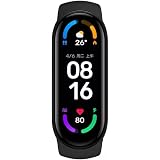
Elevea 𝟏𝟓 𝐘𝐞𝐚𝐫𝐬 𝐖𝐚𝐫𝐫𝐚𝐧𝐭𝐲 Smart Fitness Watch, Lite Band Bracelet/Fitband, Heart Rate Monitor Sensor & Activity Tracker Band OLED Bluetooth Wristband.
₹889.00 (as of July 18, 2026 18:28 GMT +05:30 - More infoProduct prices and availability are accurate as of the date/time indicated and are subject to change. Any price and availability information displayed on [relevant Amazon Site(s), as applicable] at the time of purchase will apply to the purchase of this product.)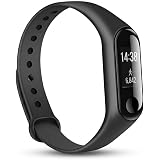
Drumstone 5 𝒀𝒆𝒂𝒓𝒔 𝑾𝒂𝒓𝒓𝒂𝒏𝒕𝒚 Smart Fitness Band M3 with Heart Rate & Blood Pressure Monitor, Waterproof Activity Tracker, OLED Display, Calorie Counter, Step Tracker for Android Phones
₹739.00 (as of July 18, 2026 18:28 GMT +05:30 - More infoProduct prices and availability are accurate as of the date/time indicated and are subject to change. Any price and availability information displayed on [relevant Amazon Site(s), as applicable] at the time of purchase will apply to the purchase of this product.)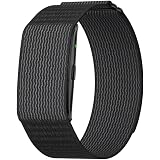
Smart Band Fitness Tracker | for Men & Women | HRV, Heart Rate, Sleep Tracker | Activity & Recovery | Analysis, Sports Modes | 30 Day Battery | iOS & Android | Subscription Free | Black
Now retrieving the price.
(as of July 18, 2026 18:28 GMT +05:30 - More infoProduct prices and availability are accurate as of the date/time indicated and are subject to change. Any price and availability information displayed on [relevant Amazon Site(s), as applicable] at the time of purchase will apply to the purchase of this product.)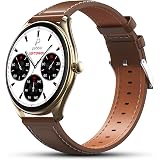
Pebble Royale Legend | 1.43" AMOLED Display | Ultra-Slim Premium Build | Always-On Display | Bluetooth Calling | Health Tracking & Smart Features (Brown)
₹3,499.00 (as of July 18, 2026 18:28 GMT +05:30 - More infoProduct prices and availability are accurate as of the date/time indicated and are subject to change. Any price and availability information displayed on [relevant Amazon Site(s), as applicable] at the time of purchase will apply to the purchase of this product.)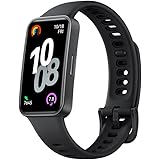
Huawei Band 10 Smartwatch with AI-Powered Fitness Monitoring, Pro-Level Sleep Analysis, Emotional Wellbeing Assistant,Streamlined Metallic Design,Fast Charging,iOS Android (Band 10, Strap Black)
Now retrieving the price.
(as of July 18, 2026 18:28 GMT +05:30 - More infoProduct prices and availability are accurate as of the date/time indicated and are subject to change. Any price and availability information displayed on [relevant Amazon Site(s), as applicable] at the time of purchase will apply to the purchase of this product.)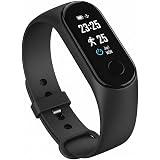
Drumstone (𝐄𝐱𝐥𝐮𝐬𝐢𝐯𝐞 𝟐𝟎 𝐘𝐞𝐚𝐫𝐬 𝐰𝐚𝐫𝐫𝐚𝐧𝐭𝐲 Waterproof M4 Fitness Tracker Smart Band with OLED Display, Heart Rate Monitor & Bluetooth Activity Bracelet
₹739.00 (as of July 18, 2026 18:28 GMT +05:30 - More infoProduct prices and availability are accurate as of the date/time indicated and are subject to change. Any price and availability information displayed on [relevant Amazon Site(s), as applicable] at the time of purchase will apply to the purchase of this product.)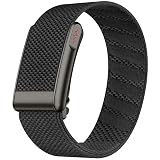
Nexlina Loop Smart Fitness Tracker with Heart Rate, SpO2, Body Temperature, HRV Analysis, 30+ Sports Modes, Sleep and Stress Monitor, 7 Days Battery (Cosmic Black)
Now retrieving the price.
(as of July 18, 2026 18:28 GMT +05:30 - More infoProduct prices and availability are accurate as of the date/time indicated and are subject to change. Any price and availability information displayed on [relevant Amazon Site(s), as applicable] at the time of purchase will apply to the purchase of this product.)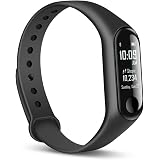
Drumstone M3Band Smart Fitness Activity Tracker with Digital Display Step Monitoring Sleep Tracking Sports Mode Rechargeable Wearable Wrist Band for Daily Activity Management
₹739.00 (as of July 18, 2026 18:28 GMT +05:30 - More infoProduct prices and availability are accurate as of the date/time indicated and are subject to change. Any price and availability information displayed on [relevant Amazon Site(s), as applicable] at the time of purchase will apply to the purchase of this product.)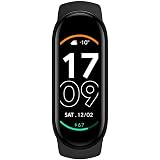
Elevea 𝟏𝟓-𝐘𝐚𝐫 𝐋𝐨𝐧𝐠-𝐋𝐢𝐟𝐞 𝐖𝐚𝐫𝐫𝐚𝐧𝐭𝐲 Smart Bluetooth Fitness Band with Heart Rate Monitor, Activity Tracker and Sleep Monitoring Bracelet for Men and Women Android Compatible.
₹389.00 (as of July 18, 2026 18:28 GMT +05:30 - More infoProduct prices and availability are accurate as of the date/time indicated and are subject to change. Any price and availability information displayed on [relevant Amazon Site(s), as applicable] at the time of purchase will apply to the purchase of this product.)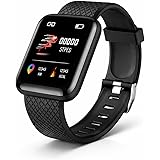
ID116 Plus Smart Bracelet, Fitness Tracker, Heart Rate and Blood Pressure Monitor, Pedometer, Sleep Monitor, IP67, Colour Screen
Now retrieving the price.
(as of July 18, 2026 18:28 GMT +05:30 - More infoProduct prices and availability are accurate as of the date/time indicated and are subject to change. Any price and availability information displayed on [relevant Amazon Site(s), as applicable] at the time of purchase will apply to the purchase of this product.)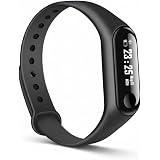
Drumstone (𝐄𝐱𝐥𝐮𝐬𝐢𝐯𝐞 𝟐𝟎 𝐘𝐞𝐚𝐫𝐬 𝐰𝐚𝐫𝐫𝐚𝐧𝐭𝐲 M4 Smart Fitness Band with, OLED Display Bluetooth Waterproof Sports Activity Tracker Bracelet
₹739.00 (as of July 18, 2026 18:28 GMT +05:30 - More infoProduct prices and availability are accurate as of the date/time indicated and are subject to change. Any price and availability information displayed on [relevant Amazon Site(s), as applicable] at the time of purchase will apply to the purchase of this product.)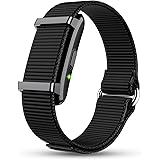
Pebble Newly Launched Qore 2 Premium Metal Fitness Band | 45 Days Battery Life, Heart Rate, SpO2, HRV & Body Temp Monitor, Sleep Tracker, AI Health Analysis, Smart Notifications (Cosmic Black)
₹3,499.00 (as of July 18, 2026 18:28 GMT +05:30 - More infoProduct prices and availability are accurate as of the date/time indicated and are subject to change. Any price and availability information displayed on [relevant Amazon Site(s), as applicable] at the time of purchase will apply to the purchase of this product.)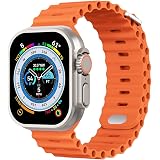
Bluetooth Calling Smart Watch for Men & Women | HD Touch Display | Heart Rate Monitor | Fitness Tracker | Sports Modes
₹415.00 (as of July 18, 2026 18:28 GMT +05:30 - More infoProduct prices and availability are accurate as of the date/time indicated and are subject to change. Any price and availability information displayed on [relevant Amazon Site(s), as applicable] at the time of purchase will apply to the purchase of this product.)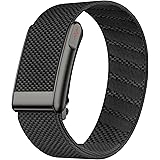
StyleOxx Loop Smart Fitness Band with Heart Rate, SpO2, Body Temperature, HRV Analysis, 30+ Sports Modes, Sleep and Stress Monitor, 7 Days Battery, Subscription Free (Midnight Black)
Now retrieving the price.
(as of July 18, 2026 18:28 GMT +05:30 - More infoProduct prices and availability are accurate as of the date/time indicated and are subject to change. Any price and availability information displayed on [relevant Amazon Site(s), as applicable] at the time of purchase will apply to the purchase of this product.)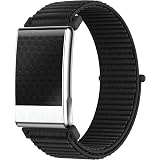
Fitness smart Band for Men & Women Health Activity Tracker ECG PPG Bracelet with Blood Pressure, Medical Grade,HRV, BT Call, Waterproof, Sport Mode, Screenless, Subscription Free (Black)
₹5,499.00 (as of July 18, 2026 18:28 GMT +05:30 - More infoProduct prices and availability are accurate as of the date/time indicated and are subject to change. Any price and availability information displayed on [relevant Amazon Site(s), as applicable] at the time of purchase will apply to the purchase of this product.)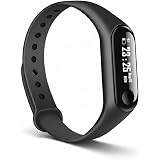
Drumstone (𝐄𝐱𝐥𝐮𝐬𝐢𝐯𝐞 𝟐𝟎 𝐘𝐞𝐚𝐫𝐬 𝐰𝐚𝐫𝐫𝐚𝐧𝐭𝐲 M4 Waterproof Smart Fitness Band with Bluetooth 4.0, OLED Display & Heart Rate Monitoring Bracelet
₹739.00 (as of July 18, 2026 18:28 GMT +05:30 - More infoProduct prices and availability are accurate as of the date/time indicated and are subject to change. Any price and availability information displayed on [relevant Amazon Site(s), as applicable] at the time of purchase will apply to the purchase of this product.)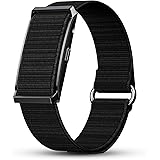
Pebble Newly Launched Qore Fitness Band with 45 Days Battery Life | 100+ Sports Modes | Advanced Health Tracking | HR & SpO2| Stress| Sleep | OneKey Measurement | Smart Notifications - Black
₹2,799.00 (as of July 18, 2026 18:28 GMT +05:30 - More infoProduct prices and availability are accurate as of the date/time indicated and are subject to change. Any price and availability information displayed on [relevant Amazon Site(s), as applicable] at the time of purchase will apply to the purchase of this product.)