The perennial debate of PlayStation versus Xbox has captivated gamers for decades, fueling passionate discussions about which console truly reigns supreme. Both Sony’s PlayStation and Microsoft’s Xbox offer compelling gaming experiences, each with its distinct strengths and weaknesses. Choosing between them often boils down to individual preferences, gaming habits, and the specific features that resonate most with a player. This deep dive dissects the core aspects of each platform, from hardware prowess and exclusive game libraries to online services and overall ecosystem, to help you navigate this iconic rivalry.
Hardware Powerhouse: Performance and Capabilities
At the heart of any gaming console lies its hardware. Both the PlayStation 5 (PS5) and the Xbox Series X|S represent significant leaps forward in processing power, graphical fidelity, and loading speeds. The PS5 boasts a custom AMD Zen 2 CPU and a powerful RDNA 2 GPU, delivering impressive frame rates and stunning visual detail. Its standout feature is the ultra-high-speed SSD, drastically reducing load times and enabling seamless transitions within game worlds. The DualSense controller, with its haptic feedback and adaptive triggers, further immerses players in the action, offering a tactile dimension previously unseen in console gaming.
The Xbox Series X, Microsoft’s flagship console, also features a comparable AMD Zen 2 CPU and RDNA 2 GPU, pushing graphical boundaries with its 12 teraflops of processing power. It matches the PS5’s SSD speed, ensuring lightning-fast game launches and quick asset streaming. While the Xbox Wireless Controller is a refinement of its predecessors, offering excellent ergonomics and reliability, it lacks the innovative tactile features of the DualSense. The Xbox Series S, a more budget-friendly option, offers impressive performance for its price point, targeting 1440p resolution and 60fps, making next-gen gaming accessible to a wider audience.
When it comes to raw power, the Xbox Series X and PS5 are remarkably close, with minor differences in specific benchmarks that often translate to negligible real-world performance variations for the average gamer. The true differentiator often lies in the optimization of games for each platform and the unique features each console brings to the table.
The Exclusives Arena: Defining the Gaming Landscape
One of the most significant factors influencing console choice is the allure of exclusive titles. PlayStation has long been lauded for its critically acclaimed first-party studios, consistently delivering narrative-driven, visually spectacular games that often become system sellers. Franchises like The Last of Us, God of War, Marvel’s Spider-Man, and Horizon Zero Dawn have garnered widespread critical acclaim and a dedicated fanbase, showcasing Sony’s commitment to high-quality, single-player experiences. These exclusives often push the boundaries of storytelling and character development, offering emotional depth and memorable journeys.
Xbox, while historically trailing in the sheer volume of critically lauded exclusives, has been making significant strides, particularly with its acquisition of Bethesda and Activision Blizzard. This strategic move has brought powerhouse franchises like The Elder Scrolls, Fallout, Doom, and Call of Duty into the Xbox ecosystem. While many of these titles remain multiplatform, their inclusion strengthens Xbox’s overall offering. Furthermore, Xbox Game Studios has been developing new IPs and nurturing existing ones, with titles like Halo Infinite, Forza Horizon 5, and Gears 5 offering compelling gameplay and strong multiplayer components. Xbox’s strategy often emphasizes variety and accessibility, with many first-party titles launching day one on Xbox Game Pass.
The exclusivity debate is multifaceted. PlayStation excels in delivering unique, character-focused narratives that are often considered artistic achievements. Xbox, with its recent acquisitions, is building a formidable library of beloved franchises, aiming for broader appeal and a consistent stream of high-profile releases.
Online Services and Ecosystem: Connectivity and Value
The online infrastructure and subscription services offered by each console play a crucial role in the gaming experience. PlayStation Plus offers tiered subscription plans, providing access to online multiplayer, monthly free games, exclusive discounts, and cloud storage. PlayStation Plus Premium also includes a catalog of classic PlayStation games and cloud streaming for select titles. The PlayStation Network (PSN) has a robust online community, facilitating multiplayer gaming and social interaction.
Xbox Live Gold, the equivalent of PlayStation Plus for online multiplayer, has been a cornerstone of the Xbox experience for years. However, the true game-changer for Xbox is Xbox Game Pass. This subscription service offers an ever-growing library of hundreds of games, including all first-party Xbox titles on day one of their release, along with a vast selection of third-party games. Game Pass Ultimate bundles Xbox Live Gold, PC Game Pass, EA Play, and cloud gaming, offering unparalleled value for gamers who want access to a wide variety of titles without purchasing them individually. The Xbox ecosystem is designed for flexibility, allowing seamless transitions between console, PC, and cloud gaming.
In terms of pure value, Xbox Game Pass is difficult to beat. It democratizes access to a massive game library, making it an incredibly attractive proposition for budget-conscious gamers or those who enjoy experimenting with a wide range of titles. PlayStation Plus, while offering a solid suite of benefits, doesn’t quite match the sheer breadth and day-one access of Game Pass.
Controller Innovation: Tactile Immersion vs. Refined Ergonomics
The controller is the primary interface between the player and the game, and both Sony and Microsoft have iterated on their designs to enhance the gaming experience. The PS5’s DualSense controller is a revolutionary piece of hardware. Its haptic feedback technology provides nuanced vibrations that simulate everything from the subtle texture of rain to the impact of an explosion, creating a truly immersive sensory experience. The adaptive triggers offer variable resistance, mimicking the tension of a bowstring or the recoil of a firearm, further blurring the lines between the virtual and the real.
The Xbox Wireless Controller, a familiar and beloved design, has been refined for the current generation. It boasts excellent ergonomics, a comfortable grip, and a responsive D-pad and analog sticks. Its Share button allows for easy capture and sharing of gameplay moments. While it may lack the groundbreaking tactile innovations of the DualSense, its familiarity and consistent performance make it a reliable and enjoyable input device.
For players who prioritize deep immersion and novel sensory feedback, the DualSense is a clear winner. However, for those who value a comfortable, familiar, and highly functional controller, the Xbox Wireless Controller remains an excellent choice.
Backward Compatibility and Game Libraries: Continuity and Choice
Backward compatibility is a significant consideration for gamers who have invested in previous generations of consoles. PlayStation has offered some level of backward compatibility with its earlier consoles through digital storefronts and subscription services like PlayStation Plus Premium. However, direct disc-based backward compatibility has been more limited on recent PlayStation consoles compared to Xbox.
Xbox has made backward compatibility a cornerstone of its strategy. The Xbox Series X|S can play a vast majority of Xbox One, Xbox 360, and original Xbox games, often with performance enhancements like faster loading times and improved frame rates. This commitment to preserving gaming history and allowing players to access their existing libraries is a major draw for many.
When considering the breadth of available games, both platforms offer extensive libraries. PlayStation’s strength lies in its curated collection of high-quality exclusives and a vast catalog of third-party titles available for purchase. Xbox, powered by Game Pass, provides access to a constantly evolving library of hundreds of games, including many older titles and indie gems, alongside its growing first-party offerings.
The Verdict: A Matter of Personal Preference
Ultimately, the question of which console reigns supreme is subjective and depends entirely on individual priorities.
Choose PlayStation if:
- You prioritize critically acclaimed, narrative-driven single-player exclusives.
- You are drawn to innovative controller features like haptic feedback and adaptive triggers.
- You are deeply invested in PlayStation’s established franchises and its specific brand of gaming.
- You value a strong, curated library of unique gaming experiences.
Choose Xbox if:
- You are seeking the best value through a subscription service like Xbox Game Pass, offering a vast library of games.
- You want seamless backward compatibility with a wide range of previous Xbox titles.
- You appreciate the flexibility of the Xbox ecosystem, including PC and cloud gaming integration.
- You are excited by the prospect of major franchises like Call of Duty and The Elder Scrolls being central to the Xbox platform.
- You prefer a more accessible entry point to next-gen gaming with the Xbox Series S.
Both the PlayStation 5 and the Xbox Series X|S are exceptional gaming machines that offer unparalleled experiences. The rivalry between them continues to push innovation and deliver incredible entertainment for gamers worldwide. The true winner is the player, who benefits from the fierce competition and the constant evolution of these iconic platforms.
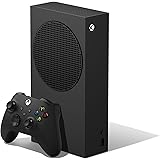
Microsoft Xbox Series S Gaming Console 1Tb (Black)
Now retrieving the price.
(as of September 15, 2026 02:00 GMT +05:30 - More infoProduct prices and availability are accurate as of the date/time indicated and are subject to change. Any price and availability information displayed on [relevant Amazon Site(s), as applicable] at the time of purchase will apply to the purchase of this product.)
GAMENOPHOBIA Xbox 360 Wireless Controller Replacement Battery Pack Cover Shell (White) – Restore Your Controller’s Look & Functionality
₹220.00 (as of September 15, 2026 02:00 GMT +05:30 - More infoProduct prices and availability are accurate as of the date/time indicated and are subject to change. Any price and availability information displayed on [relevant Amazon Site(s), as applicable] at the time of purchase will apply to the purchase of this product.)
Minecraft Explorers Pack Platinum Nla
Now retrieving the price.
(as of September 15, 2026 02:00 GMT +05:30 - More infoProduct prices and availability are accurate as of the date/time indicated and are subject to change. Any price and availability information displayed on [relevant Amazon Site(s), as applicable] at the time of purchase will apply to the purchase of this product.)
oopz Wall Mount Kit for Xbox One .. | Detachable Design, Console Stand
₹999.00 (as of September 15, 2026 02:00 GMT +05:30 - More infoProduct prices and availability are accurate as of the date/time indicated and are subject to change. Any price and availability information displayed on [relevant Amazon Site(s), as applicable] at the time of purchase will apply to the purchase of this product.)
New World 2-Pack For Steam Deck Screen Protector, Ultra HD 7 Inch Glass Protector 9H Hardness Scratch Resistant Tempered Glass for Steam Deck/Steam Deck OLED
₹490.00 (as of September 15, 2026 02:00 GMT +05:30 - More infoProduct prices and availability are accurate as of the date/time indicated and are subject to change. Any price and availability information displayed on [relevant Amazon Site(s), as applicable] at the time of purchase will apply to the purchase of this product.)
DKD Power Cord/cable/plug For PS3 Slim/ PS4 /PS5/ PS4/xbox one/xbox one SX Slim/TV video Game console Power Supply Cable ony(Black)
₹350.00 (as of September 15, 2026 02:00 GMT +05:30 - More infoProduct prices and availability are accurate as of the date/time indicated and are subject to change. Any price and availability information displayed on [relevant Amazon Site(s), as applicable] at the time of purchase will apply to the purchase of this product.)
atdaraz Thumb Grips (8pc) for Xbox One (One S) Sweat Free Silicone Precision Raised Antislip Rubber Analog Stick Grips for Xbox One Controller (8 Grips) Black
₹499.00 (as of September 15, 2026 02:00 GMT +05:30 - More infoProduct prices and availability are accurate as of the date/time indicated and are subject to change. Any price and availability information displayed on [relevant Amazon Site(s), as applicable] at the time of purchase will apply to the purchase of this product.)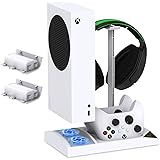
FYOUNG Upgraded Vertical Cooling Fan Stand for Xbox Series S | Cooler Fan System Dual Controller Charging Dock Station with 2 x 1400mAh Rechargeable Battery Pack, Headphone Bracket
₹8,961.00 (as of September 15, 2026 02:00 GMT +05:30 - More infoProduct prices and availability are accurate as of the date/time indicated and are subject to change. Any price and availability information displayed on [relevant Amazon Site(s), as applicable] at the time of purchase will apply to the purchase of this product.)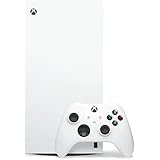
Microsoft Xbox Series X 1TB All-Digital Console (Robot White)
Now retrieving the price.
(as of September 15, 2026 00:27 GMT +05:30 - More infoProduct prices and availability are accurate as of the date/time indicated and are subject to change. Any price and availability information displayed on [relevant Amazon Site(s), as applicable] at the time of purchase will apply to the purchase of this product.)
Firefly Xbox Controller Silicone Cover Skin SC Blue Dragonhead
₹499.00 (as of September 15, 2026 00:27 GMT +05:30 - More infoProduct prices and availability are accurate as of the date/time indicated and are subject to change. Any price and availability information displayed on [relevant Amazon Site(s), as applicable] at the time of purchase will apply to the purchase of this product.)
New World Silicone Cover Skin Case Protective Cover for Xbox Series X/S Controller -Blue with Anti-Slip Surface- 2 Thumb Grips Free
₹399.00 (as of September 15, 2026 00:27 GMT +05:30 - More infoProduct prices and availability are accurate as of the date/time indicated and are subject to change. Any price and availability information displayed on [relevant Amazon Site(s), as applicable] at the time of purchase will apply to the purchase of this product.)
ESWAP X D4XB D-PAD MODULE WW
₹1,843.00 (as of September 15, 2026 00:27 GMT +05:30 - More infoProduct prices and availability are accurate as of the date/time indicated and are subject to change. Any price and availability information displayed on [relevant Amazon Site(s), as applicable] at the time of purchase will apply to the purchase of this product.)
oopz Wall Mount For'Xbox Series S' (Mount The Gaming Console On Wall Near Or Behind TV Left/Right), Wall Shelf Bracket Kit For 'XSS'.
₹999.00 (as of September 15, 2026 00:27 GMT +05:30 - More infoProduct prices and availability are accurate as of the date/time indicated and are subject to change. Any price and availability information displayed on [relevant Amazon Site(s), as applicable] at the time of purchase will apply to the purchase of this product.)
Xbox Series X
Now retrieving the price.
(as of September 15, 2026 00:27 GMT +05:30 - More infoProduct prices and availability are accurate as of the date/time indicated and are subject to change. Any price and availability information displayed on [relevant Amazon Site(s), as applicable] at the time of purchase will apply to the purchase of this product.)
Microsoft Xbox Series S 1TB All-Digital Console (Robot White)
Now retrieving the price.
(as of September 15, 2026 00:27 GMT +05:30 - More infoProduct prices and availability are accurate as of the date/time indicated and are subject to change. Any price and availability information displayed on [relevant Amazon Site(s), as applicable] at the time of purchase will apply to the purchase of this product.)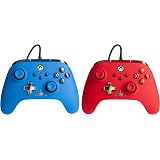
PowerA Enhanced Wired Gaming Controller Enhanced Wired Gaming Controller for Gaming Console Desktop, Red
Now retrieving the price.
(as of September 15, 2026 00:27 GMT +05:30 - More infoProduct prices and availability are accurate as of the date/time indicated and are subject to change. Any price and availability information displayed on [relevant Amazon Site(s), as applicable] at the time of purchase will apply to the purchase of this product.)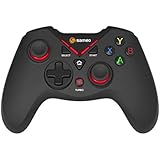
SAMEO SG17 2.4G 32 Bit Wireless Gaming Controller | Dual Vibration and Auto Fire functions | 3D Gamepad for Xbox Series/ PS3/ PC/Android | Supports Windows XP/7/8/10 (Black)
₹2,399.00 (as of September 15, 2026 00:27 GMT +05:30 - More infoProduct prices and availability are accurate as of the date/time indicated and are subject to change. Any price and availability information displayed on [relevant Amazon Site(s), as applicable] at the time of purchase will apply to the purchase of this product.)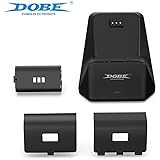
Dobe Wireless Controller Charger Dock Station Fast Charging Stand for Xbox Series S/X and Xbox one S/X Controller with Rechargeable Battery
Now retrieving the price.
(as of September 15, 2026 00:27 GMT +05:30 - More infoProduct prices and availability are accurate as of the date/time indicated and are subject to change. Any price and availability information displayed on [relevant Amazon Site(s), as applicable] at the time of purchase will apply to the purchase of this product.)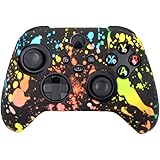
Firefly Xbox Controller Silicone Cover Skin SC Dark Splatter
Now retrieving the price.
(as of September 15, 2026 00:27 GMT +05:30 - More infoProduct prices and availability are accurate as of the date/time indicated and are subject to change. Any price and availability information displayed on [relevant Amazon Site(s), as applicable] at the time of purchase will apply to the purchase of this product.)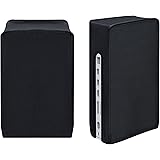
Mcbazel Dust Cover for Xbox Series S Console, Easy Access Cable Port, Protective Case Cover Waterproof for Xbox Series S Game Console - Black
Now retrieving the price.
(as of September 15, 2026 00:27 GMT +05:30 - More infoProduct prices and availability are accurate as of the date/time indicated and are subject to change. Any price and availability information displayed on [relevant Amazon Site(s), as applicable] at the time of purchase will apply to the purchase of this product.)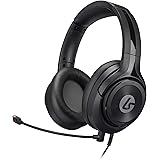
LucidSound LS10X Wired Stereo Gaming Headset with Mic for Xbox Series X/S or Xbox One, Black (Officially Licensed)
₹3,862.28 (as of September 15, 2026 00:27 GMT +05:30 - More infoProduct prices and availability are accurate as of the date/time indicated and are subject to change. Any price and availability information displayed on [relevant Amazon Site(s), as applicable] at the time of purchase will apply to the purchase of this product.)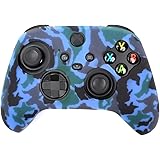
Firefly Xbox Controller Silicone Cover Skin SC Sky Camo
Now retrieving the price.
(as of September 15, 2026 00:27 GMT +05:30 - More infoProduct prices and availability are accurate as of the date/time indicated and are subject to change. Any price and availability information displayed on [relevant Amazon Site(s), as applicable] at the time of purchase will apply to the purchase of this product.)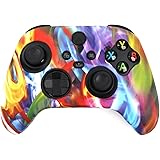
Firefly Xbox Controller Silicone Cover Skin SC Rainbow
₹229.00 (as of September 15, 2026 00:27 GMT +05:30 - More infoProduct prices and availability are accurate as of the date/time indicated and are subject to change. Any price and availability information displayed on [relevant Amazon Site(s), as applicable] at the time of purchase will apply to the purchase of this product.)
FYOUNG Upgraded Vertical Cooling Fan Stand for Xbox Series S | Cooler Fan System Dual Controller Charging Dock Station with 2 x 1400mAh Rechargeable Battery Pack, Headphone Bracket
₹8,961.00 (as of September 15, 2026 00:27 GMT +05:30 - More infoProduct prices and availability are accurate as of the date/time indicated and are subject to change. Any price and availability information displayed on [relevant Amazon Site(s), as applicable] at the time of purchase will apply to the purchase of this product.)
Microsoft Xbox Series S 512GB All-Digital Handheld Console Game (Robot White)
Now retrieving the price.
(as of September 15, 2026 00:27 GMT +05:30 - More infoProduct prices and availability are accurate as of the date/time indicated and are subject to change. Any price and availability information displayed on [relevant Amazon Site(s), as applicable] at the time of purchase will apply to the purchase of this product.)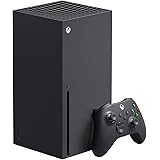
Xbox Series X
Now retrieving the price.
(as of September 15, 2026 00:27 GMT +05:30 - More infoProduct prices and availability are accurate as of the date/time indicated and are subject to change. Any price and availability information displayed on [relevant Amazon Site(s), as applicable] at the time of purchase will apply to the purchase of this product.)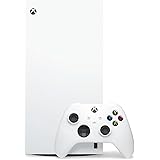
Xbox Series X -1TB Digital Edition Console Video Game
Now retrieving the price.
(as of September 15, 2026 00:27 GMT +05:30 - More infoProduct prices and availability are accurate as of the date/time indicated and are subject to change. Any price and availability information displayed on [relevant Amazon Site(s), as applicable] at the time of purchase will apply to the purchase of this product.)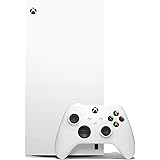
Xbox Series X -1TB Digital Edition Console Video Game
Now retrieving the price.
(as of September 15, 2026 00:27 GMT +05:30 - More infoProduct prices and availability are accurate as of the date/time indicated and are subject to change. Any price and availability information displayed on [relevant Amazon Site(s), as applicable] at the time of purchase will apply to the purchase of this product.)
SQUARE ENIX OCTOPATH TRAVELER II
₹4,499.00 (as of September 12, 2026 06:08 GMT +05:30 - More infoProduct prices and availability are accurate as of the date/time indicated and are subject to change. Any price and availability information displayed on [relevant Amazon Site(s), as applicable] at the time of purchase will apply to the purchase of this product.)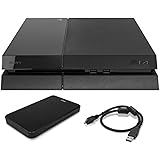
OWC 2.0 TB External Hard Drive Upgrade USB for Sony Playstation 4
₹16,354.23 (as of September 12, 2026 06:08 GMT +05:30 - More infoProduct prices and availability are accurate as of the date/time indicated and are subject to change. Any price and availability information displayed on [relevant Amazon Site(s), as applicable] at the time of purchase will apply to the purchase of this product.)
Mafia: Trilogy (PS4)
₹3,255.00 (as of September 12, 2026 06:08 GMT +05:30 - More infoProduct prices and availability are accurate as of the date/time indicated and are subject to change. Any price and availability information displayed on [relevant Amazon Site(s), as applicable] at the time of purchase will apply to the purchase of this product.)
k.l.k enterprise 8 Bit Game Cartridges Gaming Console (Pack of 4)
₹369.00 (as of September 12, 2026 06:08 GMT +05:30 - More infoProduct prices and availability are accurate as of the date/time indicated and are subject to change. Any price and availability information displayed on [relevant Amazon Site(s), as applicable] at the time of purchase will apply to the purchase of this product.)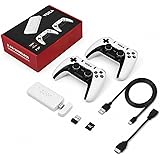
Voila M22 Special Edition Retro Gaming Console – Dual 2.4G Wireless Controllers, 1080P HD Output, CE/ROHS/BIS Certified (Multi-Color)
Now retrieving the price.
(as of September 12, 2026 06:08 GMT +05:30 - More infoProduct prices and availability are accurate as of the date/time indicated and are subject to change. Any price and availability information displayed on [relevant Amazon Site(s), as applicable] at the time of purchase will apply to the purchase of this product.)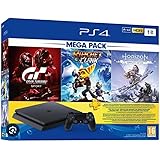
GAMEZZ24 PS 4 1TB slim/Horizon Zero Dawn CE/GT Sport II/Ratchet &Clank/PS+3M
Now retrieving the price.
(as of September 12, 2026 06:08 GMT +05:30 - More infoProduct prices and availability are accurate as of the date/time indicated and are subject to change. Any price and availability information displayed on [relevant Amazon Site(s), as applicable] at the time of purchase will apply to the purchase of this product.)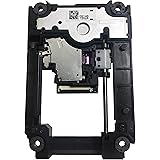
Rinbers OEM Blu-ray Drive Laser Lens KES-496 with KEM-496AAA Laser Deck Assembly Replacement for Sony Playstation PS4 Slim CUH-2015A, CUH-2015B, CUH-2115B Series and PS4 Pro CUH-7000 Consoles
₹5,687.90 (as of September 12, 2026 06:08 GMT +05:30 - More infoProduct prices and availability are accurate as of the date/time indicated and are subject to change. Any price and availability information displayed on [relevant Amazon Site(s), as applicable] at the time of purchase will apply to the purchase of this product.)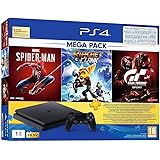
GAMEZZ24 Ps 4 1TB Slim Gaming Console Bundle With Spider-Man, Gt Sport, Ratchet & Clank
Now retrieving the price.
(as of September 12, 2026 06:08 GMT +05:30 - More infoProduct prices and availability are accurate as of the date/time indicated and are subject to change. Any price and availability information displayed on [relevant Amazon Site(s), as applicable] at the time of purchase will apply to the purchase of this product.)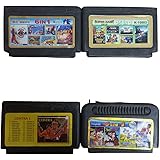
Ajooni Gallery 8 Bit Tv Video Game Cassette, Cartridge (pack of 4)
Now retrieving the price.
(as of September 12, 2026 06:08 GMT +05:30 - More infoProduct prices and availability are accurate as of the date/time indicated and are subject to change. Any price and availability information displayed on [relevant Amazon Site(s), as applicable] at the time of purchase will apply to the purchase of this product.)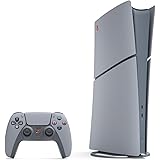
Sony PlayStation®5 Digital Edition – 30th Anniversary Limited Edition Bundle
Now retrieving the price.
(as of September 12, 2026 06:08 GMT +05:30 - More infoProduct prices and availability are accurate as of the date/time indicated and are subject to change. Any price and availability information displayed on [relevant Amazon Site(s), as applicable] at the time of purchase will apply to the purchase of this product.)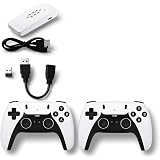
Wireless Game Controller Combo Pack with 2 Controllers, USB Receiver, Charging Cable & Extension Cable | 2.4GHz Wireless Gaming Controller | Rechargeable Dual Controller Set | White & Black
₹2,699.00 (as of September 12, 2026 06:08 GMT +05:30 - More infoProduct prices and availability are accurate as of the date/time indicated and are subject to change. Any price and availability information displayed on [relevant Amazon Site(s), as applicable] at the time of purchase will apply to the purchase of this product.)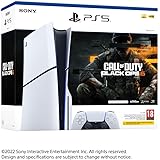
Sony PlayStation®5 Console STD SLIM Handheld Console Game (COD Bundle)
Now retrieving the price.
(as of September 12, 2026 06:08 GMT +05:30 - More infoProduct prices and availability are accurate as of the date/time indicated and are subject to change. Any price and availability information displayed on [relevant Amazon Site(s), as applicable] at the time of purchase will apply to the purchase of this product.)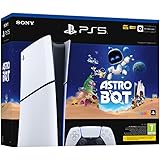
PS5® Digital Edition - ASTRO BOT Bundle (Slim)
Now retrieving the price.
(as of September 12, 2026 06:08 GMT +05:30 - More infoProduct prices and availability are accurate as of the date/time indicated and are subject to change. Any price and availability information displayed on [relevant Amazon Site(s), as applicable] at the time of purchase will apply to the purchase of this product.)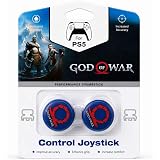
GET IN THE GAME PS 5 / PS4 Controller Thumb Grips Analog Extender FPS Freek Compatible with PS 5 and PS4 GOD of WAR - Blue
Now retrieving the price.
(as of September 12, 2026 06:08 GMT +05:30 - More infoProduct prices and availability are accurate as of the date/time indicated and are subject to change. Any price and availability information displayed on [relevant Amazon Site(s), as applicable] at the time of purchase will apply to the purchase of this product.)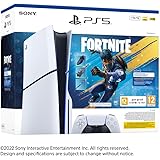
PS5® Console - Fortnite Flowering Chaos Bundle
Now retrieving the price.
(as of September 12, 2026 06:08 GMT +05:30 - More infoProduct prices and availability are accurate as of the date/time indicated and are subject to change. Any price and availability information displayed on [relevant Amazon Site(s), as applicable] at the time of purchase will apply to the purchase of this product.)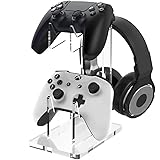
oopz Universal holder for Gamepad and Headphone Stand, 2 in 1 Game Controller Holder Storage Organizer for ps5, ps4, Xbox One, Xbox Series, Controller holder Gaming Accessories, CrystalClear..
Now retrieving the price.
(as of September 12, 2026 06:08 GMT +05:30 - More infoProduct prices and availability are accurate as of the date/time indicated and are subject to change. Any price and availability information displayed on [relevant Amazon Site(s), as applicable] at the time of purchase will apply to the purchase of this product.)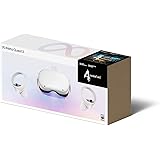
Meta Quest 2 128GB Console Headset, Advanced All-in-One Virtual Reality Headset - 128GB
Now retrieving the price.
(as of September 12, 2026 06:08 GMT +05:30 - More infoProduct prices and availability are accurate as of the date/time indicated and are subject to change. Any price and availability information displayed on [relevant Amazon Site(s), as applicable] at the time of purchase will apply to the purchase of this product.)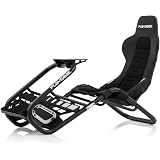
Playseat Trophy Sim Racing Cockpit | High Performance Racing Simulator Cockpit | Supports Direct Drive | Compatible with All Steering Wheels & Pedals on The Market | Supports PC & Console | Black
₹89,999.00 (as of September 12, 2026 06:08 GMT +05:30 - More infoProduct prices and availability are accurate as of the date/time indicated and are subject to change. Any price and availability information displayed on [relevant Amazon Site(s), as applicable] at the time of purchase will apply to the purchase of this product.)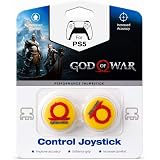
GET IN THE GAME PS 5 / PS4 Controller Thumb Grips Analog Extender FPS Freek Compatible with PS 5 and PS4 - GOD of WAR Theme - Yellow
Now retrieving the price.
(as of September 12, 2026 06:08 GMT +05:30 - More infoProduct prices and availability are accurate as of the date/time indicated and are subject to change. Any price and availability information displayed on [relevant Amazon Site(s), as applicable] at the time of purchase will apply to the purchase of this product.)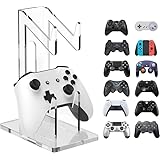
OOPZ Dual game pad Controller Holder Gaming Accessories, Suitable for Almost All Controllers, Controller Stand for Xbox ONE PS4 PS5 STEAM PC (Crystal Clear)
Now retrieving the price.
(as of September 12, 2026 06:08 GMT +05:30 - More infoProduct prices and availability are accurate as of the date/time indicated and are subject to change. Any price and availability information displayed on [relevant Amazon Site(s), as applicable] at the time of purchase will apply to the purchase of this product.)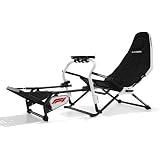
Playseat Challenge DD - F1 Edition
₹64,999.00 (as of September 12, 2026 06:08 GMT +05:30 - More infoProduct prices and availability are accurate as of the date/time indicated and are subject to change. Any price and availability information displayed on [relevant Amazon Site(s), as applicable] at the time of purchase will apply to the purchase of this product.)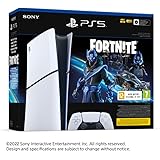
Sony PS5® Console Video Game Digital - Fortnite Bundle (Slim)
Now retrieving the price.
(as of September 12, 2026 06:08 GMT +05:30 - More infoProduct prices and availability are accurate as of the date/time indicated and are subject to change. Any price and availability information displayed on [relevant Amazon Site(s), as applicable] at the time of purchase will apply to the purchase of this product.)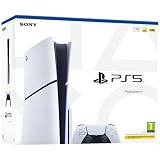
Sony PlayStation5 Gaming Console (Slim) | Disc Edition - 1TB
₹69,990.00 (as of September 12, 2026 06:08 GMT +05:30 - More infoProduct prices and availability are accurate as of the date/time indicated and are subject to change. Any price and availability information displayed on [relevant Amazon Site(s), as applicable] at the time of purchase will apply to the purchase of this product.)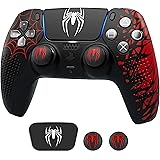
Sounce Anti-Slip Silicone PS5 Controller Skin Cover – Non-Slip Protective Grip Sleeve with Thumb Grip Caps, Touch Pad Sticker & Wrap Cover Stickers for PlayStation 5 (Pack of 1, Red Skin Cover)
₹349.00 (as of September 12, 2026 06:08 GMT +05:30 - More infoProduct prices and availability are accurate as of the date/time indicated and are subject to change. Any price and availability information displayed on [relevant Amazon Site(s), as applicable] at the time of purchase will apply to the purchase of this product.)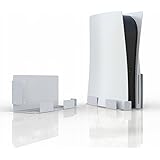
oopz PS5 Wall Mount Stand, Newest Wall Mount for Playstation 5 (Disc and Digital), Stable Wall Hanging Stand for PS5 Gaming Console Wall Mounting Stand/Holder/Rack (White).
Now retrieving the price.
(as of September 12, 2026 06:08 GMT +05:30 - More infoProduct prices and availability are accurate as of the date/time indicated and are subject to change. Any price and availability information displayed on [relevant Amazon Site(s), as applicable] at the time of purchase will apply to the purchase of this product.)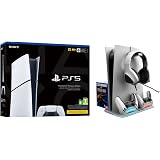
Sony PlayStation®5 Digital Edition (slim) Console Video Game & Ant Esports Dock5 RGB with Cooling Fan and Dual Controller Charger Station, PS5 Console Disc & Digital Edition
₹66,889.00 (as of September 12, 2026 06:08 GMT +05:30 - More infoProduct prices and availability are accurate as of the date/time indicated and are subject to change. Any price and availability information displayed on [relevant Amazon Site(s), as applicable] at the time of purchase will apply to the purchase of this product.)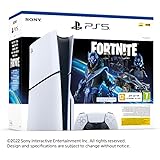
Sony PS5® Console Video Game Disc - Fortnite Bundle (Slim)
Now retrieving the price.
(as of September 12, 2026 06:08 GMT +05:30 - More infoProduct prices and availability are accurate as of the date/time indicated and are subject to change. Any price and availability information displayed on [relevant Amazon Site(s), as applicable] at the time of purchase will apply to the purchase of this product.)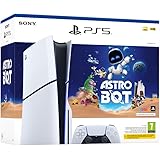
Sony PS5® console - ASTRO BOT Bundle (Slim)
Now retrieving the price.
(as of September 12, 2026 06:08 GMT +05:30 - More infoProduct prices and availability are accurate as of the date/time indicated and are subject to change. Any price and availability information displayed on [relevant Amazon Site(s), as applicable] at the time of purchase will apply to the purchase of this product.)