Description: Unlock the power of the pressure cooker in your Indian kitchen. Learn about types, safety, choosing the best model (aluminium vs. steel), and expert cooking tips for lentils, rice, and meats.
🇮🇳 Introduction: The Pressure Cooker – A Legacy of Efficiency
In the Indian culinary landscape, the pressure cooker is not merely an appliance; it is the undisputed workhorse of the kitchen. From the lightning-fast preparation of dal (lentils) and perfectly fluffy rice (chawal) to the tenderizing of tough meats and the creation of rich, hearty curries, the pressure cooker is synonymous with speed, efficiency, and energy savings.
For the typical Indian household, time is a precious commodity, and fuel (LPG or electricity) is a significant expense. The pressure cooker addresses both challenges head-on. By leveraging the principles of thermodynamics—increasing the boiling point of water by trapping steam and raising internal pressure—it slashes cooking times by up to 70%. This, in turn, can result in significant energy savings, a key factor in the environmentally and economically conscious Indian home.
This comprehensive, expert-backed guide delves deep into the world of the modern pressure cooker. We will cover everything from the science behind its magic to the critical safety features, helping you choose the best model for your family’s needs and master techniques to elevate your daily Indian cooking.
🔬 Section 1: The Science and History Behind the Pressure Cooker
To truly appreciate this essential appliance, it helps to understand the clever mechanism that makes it work so effectively.
How a Pressure Cooker Speeds Up Your Kitchen Work
In an open pot at sea level, water boils at 100°C (212°F). However, when you seal the lid of a pressure cooker, the steam is trapped, leading to a rapid buildup of pressure.
- Elevated Boiling Point: This trapped pressure forces the boiling point of water up to approximately 121°C (250°F) or even higher.
- Faster Cooking: Since the food is cooked at a significantly higher temperature than is possible in an open vessel, chemical reactions (like the breaking down of complex starches and proteins) occur much faster.
- Deep Flavor Integration: The high heat and intense pressure force moisture deep into the food, leading to exceptionally tender meats and legumes and a remarkable depth of flavor in curries and stocks.
A Brief History of Pressure Cooking in India
The pressure cooker was a game-changer when it arrived in India, particularly when popular domestic brands began manufacturing reliable, affordable models. It quickly became an indispensable tool for managing the long cooking times required for staple foods like Chana Dal, Rajma (kidney beans), and whole grains, integrating seamlessly into traditional cooking methods while providing modern convenience. The ‘whistle count’ became a universally understood metric for cooking time—a cultural touchstone still used today.
🛡️ Section 2: Safety First – Understanding Modern Pressure Cooker Mechanics
Decades ago, pressure cookers carried a reputation for being volatile. Modern pressure cookers, however, are engineered with multiple, layered safety mechanisms, making them incredibly safe when used correctly. Understanding these mechanisms is paramount.
The Five Critical Safety Features You Must Check
Every high-quality pressure cooker sold in India must adhere to strict safety standards, often certified by the Bureau of Indian Standards (BIS).
- Gasket Release System (Secondary Safety Feature): This is the most visible safety measure after the main vent. If the main vent gets blocked and pressure exceeds safe limits, the rubber gasket (the sealing ring) is designed to bulge out and release the excess steam through a gap in the lid, safely diverting it away from the user.
- Pressure Regulator / Weight Valve: This is the primary control system. The weight (or regulator) maintains the desired high pressure by releasing steam in rhythmic bursts, creating the familiar ‘whistle.’ This prevents the pressure from building up excessively.
- Metallic Safety Plug: A crucial, tertiary safety feature. This plug is made of a low-melting point alloy. If both the regulator and the gasket system fail (a rare event), this plug melts and creates a large opening in the lid, rapidly dropping the pressure before any dangerous situation can arise.
- Cover Locking Mechanism: Modern cookers feature lids that cannot be opened while the internal pressure is high. Once the pressure is fully released, a small indicator pin drops, allowing the lid to be safely opened.
- Anti-Clogging Vent: The vent pipe (or nozzle) under the main pressure regulator is designed to prevent small food particles from blocking the steam outlet, ensuring the regulator works efficiently.
Safety Guideline: Always ensure the gasket is flexible and clean before every use. Never overfill the cooker (the maximum fill line is typically 2/3 full for solids and 1/2 for liquids/foaming foods like lentils).
⚖️ Section 3: Choosing the Right Pressure Cooker – Material and Type
The Indian market offers a bewildering variety of pressure cookers. Making the right choice hinges on understanding the core differences in material and style.
Aluminium vs. Stainless Steel: The Great Debate
| Feature | Aluminium Pressure Cooker | Stainless Steel Pressure Cooker |
| Cost | Significantly more affordable. | Higher initial investment. |
| Heat Conductivity | Excellent. Heats up and cools down quickly. | Good, but often requires a heavy, encapsulated base. |
| Maintenance & Durability | Prone to denting and discoloration over time. | Highly Durable. Does not tarnish, rust, or react with acidic foods. |
| Induction Compatibility | Usually not induction compatible (unless it has a bonded steel base). | Always induction compatible (ideal for modern kitchens). |
| Health Concern | Can leach small amounts of aluminium with highly acidic foods (e.g., tomato-based curries) if not high-grade. | Completely Non-Reactive and inert. |
Expert Recommendation: While aluminium is the budget-friendly, fast-heating champion, the Stainless Steel Pressure Cooker is the superior, long-term investment for the modern Indian kitchen due to its durability, health inertness, and universal compatibility (Gas, Electric, Induction).
Types of Cookers for Specific Indian Needs
- Inner Lid Cooker (The Traditional Choice): The lid is placed inside the vessel. Highly popular in India, known for its robust sealing mechanism and ease of use. Best for basic rice and lentils.
- Outer Lid Cooker (The Modern Standard): The lid sits over the vessel. These often come with a more sophisticated locking system and are preferred for larger sizes and for cooking tougher, bulkier ingredients.
- Pressure Pan: A shallow, wide cooker, ideal for preparing curries, frying, and sautéing before sealing. It serves as both a pressure cooker and a regular pan, making it highly versatile for one-pot Indian meals (e.g., Biryani or Pulao).
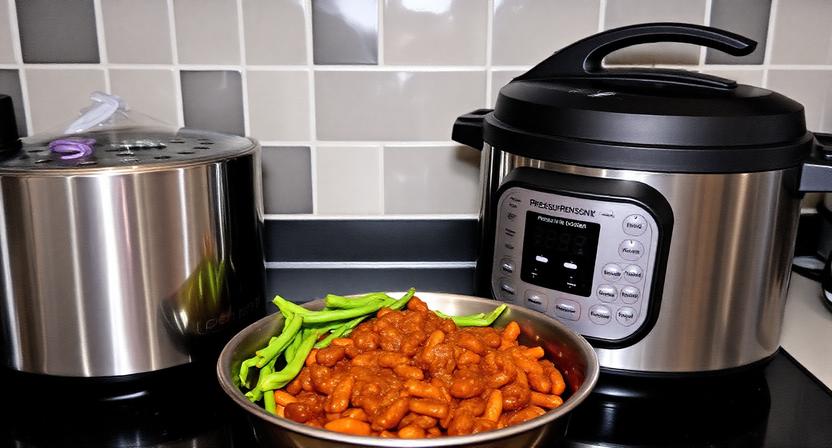
- Electric Pressure Cooker (Instant Pot Style): The most modern choice. Offers multiple presets (Rice, Dal, Meat, Sauté) and precise digital controls. Excellent for hands-off cooking and safety. While the initial cost is higher, they offer supreme convenience and are perfect for apartment living where flame cooking might be less convenient.
🍚 Section 4: Pressure Cooker Mastery – Whistles, Techniques, and Recipes
The true value of a pressure cooker is realized when you master the techniques specific to Indian staples.
The Art of the Whistle Count and Timing
The ‘whistle’ is a crucial indicator of the pressure reaching its peak and the subsequent release. However, the actual cooking time depends on the fuel source (Gas vs. Induction) and the cooker size.
- The “Slow Cook” Principle: For the best results, start with the heat on high until the first whistle. Then, immediately reduce the heat to low to allow the food to cook gently and evenly at the sustained, high internal temperature.
- Dal Cooking Guide:
- Masoor/Moong Dal (Split): 2 whistles on medium heat.
- Toor/Arhar Dal (Split Pigeon Pea): 3-4 whistles on medium heat.
- Rajma/Chhole (Tough Whole Legumes, pre-soaked): 6-8 whistles on low heat after the first whistle, or 20-30 minutes.
- Perfect Rice: For fluffy, non-mushy rice, use a 1:2 rice-to-water ratio. Cook for 1 whistle only on high heat, then turn off the flame and let it naturally release pressure (NPR) for 10 minutes.
Pressure Cooker Hacks for Flavor and Texture
- Tadka in the Cooker: For Dal and Sabzi (vegetable curries), perform the initial Tadka (tempering with oil, spices, and aromatics) directly in the pressure cooker before adding water and sealing. This maximizes flavor integration.
- Pot-in-Pot (PIP) Cooking: This advanced technique, particularly popular with electric cookers, allows you to cook rice or vegetables in a smaller bowl placed on a stand inside the main cooker. This is ideal for simultaneously cooking two dishes without mixing them, saving both time and fuel.
- Browning Meats: Never seal the lid before adequately browning your meat (chicken, mutton). Sauté the meat and onions in the open cooker for 5-10 minutes to develop a rich, caramelized base (Bhuna). This pre-sealing step is essential for a flavorful final curry.
🌐 Section 5: Economic and Health Benefits of Pressure Cooking
The continued dominance of the pressure cooker in India is justified not just by convenience, but by tangible financial and nutritional advantages.
The Energy and Cost Saving Power
- Reduced Fuel Consumption: Cooking legumes that would take 90-120 minutes on an open flame now takes 20-30 minutes under pressure. This translates to fuel savings of approximately 40-60% per dish. For a family using two LPG cylinders per quarter, this can lead to a considerable reduction in annual fuel expenditure.
- Time Efficiency: The time saved is often redirected to other productive or family activities. It’s an investment in time, a truly invaluable commodity.
Preserving Nutrition: A Myth Debunked
There is a common, emotional misconception that pressure cooking destroys nutrients. The opposite is often true.
- Nutrient Retention: Because pressure cooking uses less water and a shorter cooking time, water-soluble vitamins (like Vitamin C and folate) are better retained compared to boiling food for long periods in a large volume of water.
- Improved Digestibility: The high pressure and heat effectively break down anti-nutrients (like phytic acid in legumes) and complex carbohydrates, making foods like beans and whole grains more digestible and their nutrients more bioavailable—a crucial health benefit in a staple-heavy Indian diet.
✅ Conclusion: The Unbeatable Power of the Pressure Cooker
The pressure cooker is truly the smartest tool in the Indian kitchen. It embodies the perfect blend of tradition, science, safety, and efficiency. By choosing the right material (preferably a durable stainless steel model), understanding the vital safety features, and applying the proper techniques for Indian staples, you can harness its power to save time, money, and enhance the nutritional quality of your meals.
The rhythmic hiss of the pressure cooker is the sound of smart cooking—fast, flavorful, and incredibly efficient.
✍️ Compelling Call to Action
Ready to upgrade your cooking game and save precious time and fuel? Use our comprehensive guide to select your ideal Stainless Steel Pressure Cooker today and start experiencing the dramatic difference in your daily dal and curry preparation!
Hawkins Aluminium 3 Litre Contura Pressure Cooker,Handi Inner Lid Cooker,Silver(Hc30)
₹1,589.00 (as of September 20, 2026 12:54 GMT +05:30 - More infoProduct prices and availability are accurate as of the date/time indicated and are subject to change. Any price and availability information displayed on [relevant Amazon Site(s), as applicable] at the time of purchase will apply to the purchase of this product.)
Hawkins Miniature Cooker, Toy Cooker for Kids, Mini Cooker, Small Cooker for Kids, Silver (MIN)
₹205.00 (as of September 20, 2026 12:54 GMT +05:30 - More infoProduct prices and availability are accurate as of the date/time indicated and are subject to change. Any price and availability information displayed on [relevant Amazon Site(s), as applicable] at the time of purchase will apply to the purchase of this product.)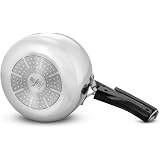
Hawkins Contura 3 Litre Pressure Cooker | Curved Body | Induction & Gas Compatible | Ideal for 3-4 persons | ISI Certified | Guaranteed for 5 year | Silver (IHC30)
₹1,732.00 (as of September 20, 2026 12:54 GMT +05:30 - More infoProduct prices and availability are accurate as of the date/time indicated and are subject to change. Any price and availability information displayed on [relevant Amazon Site(s), as applicable] at the time of purchase will apply to the purchase of this product.)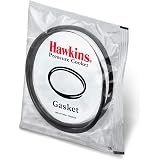
Hawkins Gasket for 2 Litre to 3 Litre, 4 Litre Tall Hawkins Pressure Cookers | Miss Mary 3.5 Litre Pressure Cookers | All Contura 4 Litre Pressure Cookers (A1009)
₹96.00 (as of September 20, 2026 12:54 GMT +05:30 - More infoProduct prices and availability are accurate as of the date/time indicated and are subject to change. Any price and availability information displayed on [relevant Amazon Site(s), as applicable] at the time of purchase will apply to the purchase of this product.)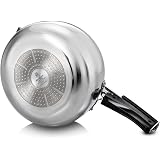
Hawkins 5 Litre Aluminium Contura Pressure Cooker | Gas & Induction Compatible | Ideal for 5–7 persons | Guaranteed for 5 year | ISI Certified | Silver (IHC50)
₹2,340.00 (as of September 20, 2026 12:54 GMT +05:30 - More infoProduct prices and availability are accurate as of the date/time indicated and are subject to change. Any price and availability information displayed on [relevant Amazon Site(s), as applicable] at the time of purchase will apply to the purchase of this product.)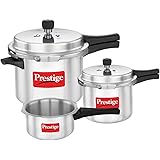
Prestige 2 Litre + 3 Litre + 5 Litre Aluminium Popular Max Outer Lid Pressure Cooker Combo with 2 Lids | Gas & Induction Compatible | Visual Pressure Indicator | Gasket Release Sys | 5Y Warranty | ISI
₹2,962.00 (as of September 20, 2026 12:54 GMT +05:30 - More infoProduct prices and availability are accurate as of the date/time indicated and are subject to change. Any price and availability information displayed on [relevant Amazon Site(s), as applicable] at the time of purchase will apply to the purchase of this product.)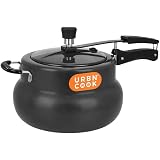
URBN COOK 5.5 Litre Hard Anodised Pressure Cooker Induction Base Inner Lid Apex Series Black Mirror Finish Heavy Duty Kitchen Cooker Durable Fast Cooking Essential
₹1,500.00 (as of September 20, 2026 12:54 GMT +05:30 - More infoProduct prices and availability are accurate as of the date/time indicated and are subject to change. Any price and availability information displayed on [relevant Amazon Site(s), as applicable] at the time of purchase will apply to the purchase of this product.)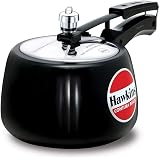
Hawkins 3 Litre Contura Black Pressure Cooker, Hard Anodised Inner Lid Cooker, Handi Cooker, (CB30)
₹2,059.00 (as of September 20, 2026 12:54 GMT +05:30 - More infoProduct prices and availability are accurate as of the date/time indicated and are subject to change. Any price and availability information displayed on [relevant Amazon Site(s), as applicable] at the time of purchase will apply to the purchase of this product.)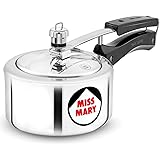
Hawkins 1.5 Litre Miss Mary Pressure Cooker, Small Inner Lid Baby Cooker, Silver (MM15)
₹943.00 (as of September 20, 2026 12:54 GMT +05:30 - More infoProduct prices and availability are accurate as of the date/time indicated and are subject to change. Any price and availability information displayed on [relevant Amazon Site(s), as applicable] at the time of purchase will apply to the purchase of this product.)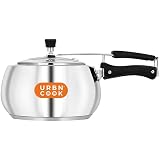
URBN COOK Pressure Cooker Stainless Steel Induction Base | Inner Lid Pressure Cooker | Metro Series | Mirror Finish Durable Steel Cooker (3.5 Litre)
₹1,000.00 (as of September 20, 2026 12:54 GMT +05:30 - More infoProduct prices and availability are accurate as of the date/time indicated and are subject to change. Any price and availability information displayed on [relevant Amazon Site(s), as applicable] at the time of purchase will apply to the purchase of this product.)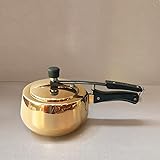
Heavy Quality Pure Brass Cooker, with Tin Coating(Kalai) 2 liter Pure Copper Pressure Cooker | Peetal Cooker for Kitchen/Cooking, Multipurpose etc
₹4,779.00 (as of September 20, 2026 12:54 GMT +05:30 - More infoProduct prices and availability are accurate as of the date/time indicated and are subject to change. Any price and availability information displayed on [relevant Amazon Site(s), as applicable] at the time of purchase will apply to the purchase of this product.)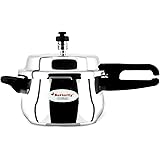
Butterfly Curve 3 Litres Stainless Steel Outer Lid Pressure Cooker | TRIPLY Base | Induction & Gas Stove Compatible | Triple Safety | ISI Certified | 5 Years Manufacturer's Warranty
₹1,779.00 (as of September 20, 2026 12:54 GMT +05:30 - More infoProduct prices and availability are accurate as of the date/time indicated and are subject to change. Any price and availability information displayed on [relevant Amazon Site(s), as applicable] at the time of purchase will apply to the purchase of this product.)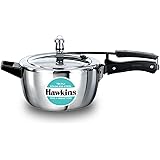
Hawkins 3.5 Litre Triply Stainless Steel Pressure Cooker, Inner Lid Cooker, Silver (HSST35)
₹3,200.00 (as of September 20, 2026 12:54 GMT +05:30 - More infoProduct prices and availability are accurate as of the date/time indicated and are subject to change. Any price and availability information displayed on [relevant Amazon Site(s), as applicable] at the time of purchase will apply to the purchase of this product.)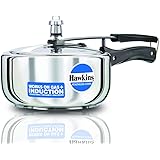
Hawkins 3 Litre Inner Lid Pressure Cooker, Stainless Steel Cooker, Induction Cooker, Silver (HSS3W)
₹2,779.00 (as of September 20, 2026 12:54 GMT +05:30 - More infoProduct prices and availability are accurate as of the date/time indicated and are subject to change. Any price and availability information displayed on [relevant Amazon Site(s), as applicable] at the time of purchase will apply to the purchase of this product.)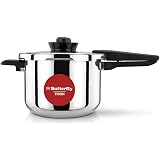
Butterfly Trion Triply 3L Pressure Cooker |Induction Base| Halo Crown Spill Filter | Patented Pressure Lock Handle(4th Level Safety) | 5 Year Warranty
₹2,649.00 (as of September 20, 2026 12:54 GMT +05:30 - More infoProduct prices and availability are accurate as of the date/time indicated and are subject to change. Any price and availability information displayed on [relevant Amazon Site(s), as applicable] at the time of purchase will apply to the purchase of this product.)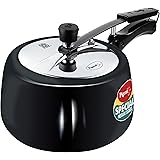
Pigeon by Stovekraft Hard Anodised Aluminium Inner Lid Cooker - 3 Litre with Induction Base, Silver, medium (14547)
₹1,179.00 (as of September 20, 2026 12:54 GMT +05:30 - More infoProduct prices and availability are accurate as of the date/time indicated and are subject to change. Any price and availability information displayed on [relevant Amazon Site(s), as applicable] at the time of purchase will apply to the purchase of this product.)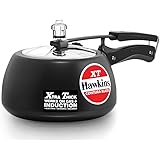
Hawkins Contura Black XT Induction Compatible Aluminium Inner Lid Pressure Cooker, 3 Litre, Black (CXT30)
₹2,350.00 (as of September 20, 2026 12:54 GMT +05:30 - More infoProduct prices and availability are accurate as of the date/time indicated and are subject to change. Any price and availability information displayed on [relevant Amazon Site(s), as applicable] at the time of purchase will apply to the purchase of this product.)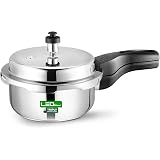
Leo Natura 2 Litres Triply Stainless Steel Pressure Cooker | Outer Lid | Induction & Gas Stove Compatible | ISI Certified | 5 Years Manufacturer's Warranty
₹1,421.00 (as of September 20, 2026 12:54 GMT +05:30 - More infoProduct prices and availability are accurate as of the date/time indicated and are subject to change. Any price and availability information displayed on [relevant Amazon Site(s), as applicable] at the time of purchase will apply to the purchase of this product.)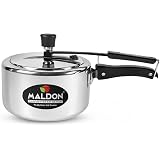
MALDON Triply Stainless Steel Pressure Cooker, Inner Lid Induction Bottom Pressure Cooker with Heat-Resistant Ergonomic Handle, ISI Certified (2 L)
₹1,449.00 (as of September 20, 2026 12:54 GMT +05:30 - More infoProduct prices and availability are accurate as of the date/time indicated and are subject to change. Any price and availability information displayed on [relevant Amazon Site(s), as applicable] at the time of purchase will apply to the purchase of this product.)