Description: Master the art of laundry with our 2026 washing machine guide. Compare front-load vs. top-load, discover AI smart features, and find the perfect fit.
The humble washing machine has undergone a radical transformation. No longer just a metal box that sloshes water, the modern washer is a sophisticated, AI-driven hub of efficiency designed to save you time, money, and fabric wear. In 2026, the global market for these appliances is surging toward $72.6 billion, fueled by a demand for smarter, greener, and quieter technology.
Whether you are a busy parent tackling a mountain of muddy sports gear or a city dweller in a compact apartment, choosing the right washing machine is one of the most significant investments you will make for your home. This comprehensive guide will walk you through everything you need to know to make an expert decision.
The 2026 Laundry Landscape: Front-Load vs. Top-Load
The first decision every buyer faces is the orientation of the drum. While personal preference plays a role, the technical differences are vast.
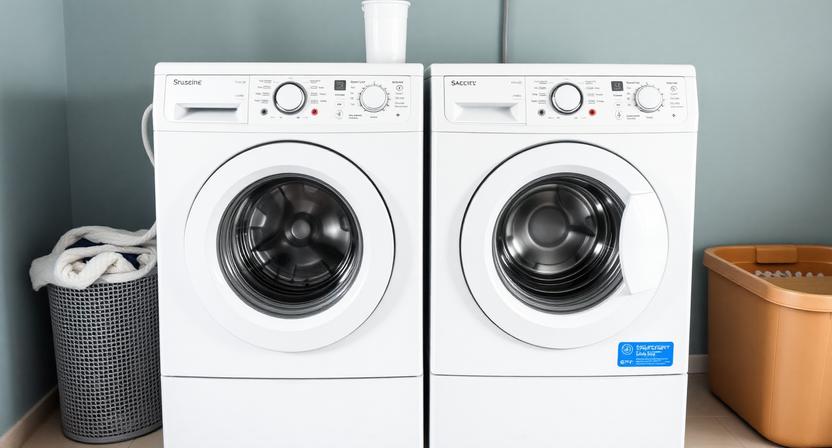
Front-Load Washing Machines
Front-loaders are the gold standard for efficiency in Tier 1 countries. They use gravity to tumble clothes through a shallow pool of water, rather than submerging them.
- Best for: Energy and water conservation, superior cleaning of delicate fabrics.
- Water Usage: Typically uses only 7 to 10 gallons per load.
- Spin Speed: High RPMs (up to 1600) extract more water, significantly reducing drying time.
Top-Load Washing Machines
Traditional top-loaders remain popular for their ergonomics—no bending over to load.
- Best for: Budget-conscious buyers and those who prefer faster cycle times.
- Water Usage: Can use up to 40 gallons in older agitator models, though High-Efficiency (HE) top-loaders have cut this to 12–17 gallons.
- Convenience: You can usually toss in a forgotten sock mid-cycle without the machine draining.
Key Features to Prioritize in 2026
Modern machines are packed with “smart” labels, but which features actually provide value?
1. AI-Driven Fabric Sensing
Leading brands like Samsung and LG have introduced AI Direct Drive 2.0. These sensors don’t just weigh the load; they detect the softness of the fabric. The motor then chooses from over 20,000 wash patterns to ensure your silk blouse isn’t treated with the same aggression as your denim jeans.
2. Automatic Detergent Dosing (i-DOS / Load & Go)
One of the most common causes of machine failure is “oversudsing” from too much detergent. 2026 models feature large reservoirs that you fill once a month. The washing machine then calculates the exact milliliter of soap needed based on soil levels and water hardness.
- Benefit: Saves up to 30% on detergent costs annually.
- Longevity: Reduces internal gunk and “biofilm” buildup.
3. Steam Sanitization
With an increased focus on hygiene, steam cycles have become a non-negotiable for many. Steam penetrates deep into fibers to kill 99.9% of allergens and bacteria without the need for harsh chemicals or boiling water that can shrink clothes.
Selecting the Right Capacity for Your Household
Buying a machine that is too small results in constant loads, while one that is too large wastes energy. Capacity is measured in cubic feet (US) or kilograms (UK/EU/Australia).
| Household Size | Recommended Capacity (kg) | Recommended Capacity (cu. ft.) |
| Singles / Couples | 6kg – 7kg | 2.3 – 3.5 cu. ft. |
| Small Family (3-4) | 8kg – 9kg | 4.0 – 4.5 cu. ft. |
| Large Family (5+) | 10kg+ | 5.0+ cu. ft. |
Pro Tip: If you frequently wash king-sized duvets or heavy curtains, opt for at least a 9kg (4.5 cu. ft.) model to ensure the motor can handle the weight when wet.
Top 3 Washing Machine Brands for Reliability
In 2026, reliability is the true luxury. Based on recent consumer data and repair rate statistics, these brands lead the pack:
- Miele: Known as the “20-year machine.” Miele stress-tests their appliances for 10,000 hours of use. They are expensive upfront but offer the lowest “cost-per-wash” over two decades.
- LG: Consistently ranked #1 in owner satisfaction for front-loaders. Their Inverter Direct Drive motors are famously quiet and come with 10-year warranties.
- Speed Queen: If you hate electronics and want a machine built like a tank, this is it. Speed Queen uses commercial-grade metal components where others use plastic.
Actionable Insights for Energy Savings
In a world of rising utility costs, your washing machine can be a tool for financial freedom.
- Wash Cold: 90% of a washer’s energy goes into heating water. Modern detergents are designed to activate in cold water.
- Check the UEF: Look for the Uniform Energy Factor. A higher UEF means more of your money stays in your pocket.
- Avoid the “Extra Rinse”: Unless you have extreme skin sensitivity, modern “Eco” cycles are efficient enough to remove soap residue in one go.
Maintenance: How to Make Your Washer Last 15 Years
A high-quality washing machine is a robust beast, but it isn’t indestructible. Follow these three rules:
- The Door Rule: Always leave the door ajar after a wash. This allows the drum to dry and prevents the “moldy smell” common in front-loaders.
- Clean the Filter: Most front-loaders have a small door at the bottom. Open it every three months to remove coins, hairpins, and lint that can clog the pump.
- Monthly Tub Clean: Run a dedicated “Tub Clean” cycle or a hot wash with a cup of white vinegar once a month to dissolve mineral deposits.
Frequently Asked Questions (FAQs)
What is the average lifespan of a washing machine in 2026?
Most mid-range machines are designed to last 8 to 12 years. Premium brands like Miele or Speed Queen can easily reach 20 to 25 years with proper maintenance.
Are smart washing machines worth it?
Yes, for the predictive maintenance alone. These machines can alert you to a blocked pump or an unbalanced load via your smartphone before it causes a mechanical breakdown.
Does a higher RPM always mean better drying?
Generally, yes. A spin speed of 1400–1600 RPM extracts significantly more moisture than a 1000 RPM cycle, which can cut your tumble dryer time by up to 20 minutes.
Conclusion: Clean Clothes, Clear Conscience
Investing in the best washing machine for your needs isn’t just about clean laundry; it’s about reclaiming your time and reducing your environmental footprint. From the AI-powered precision of an LG to the industrial durability of a Speed Queen, the market in 2026 offers a solution for every lifestyle.
Choose a model that aligns with your household’s volume, prioritize an inverter motor for longevity, and never underestimate the power of a cold-water wash.
Are you ready to find your perfect laundry partner?
Would you like me to compare the specific technical specs of two particular models you have in mind?
Whirlpool 9 Kg Steam Wash Technology 5 Star Inverter Front Load Fully Automatic Washing Machine with In-Built Heater (SUPREME CARE 9014-E, Midnight Grey, 100+ Tough Stains, 1400 RPM)
₹38,990.00 (as of September 19, 2026 23:01 GMT +05:30 - More infoProduct prices and availability are accurate as of the date/time indicated and are subject to change. Any price and availability information displayed on [relevant Amazon Site(s), as applicable] at the time of purchase will apply to the purchase of this product.)
Samsung 8 kg, 5 star, AI Control, AI Eco Bubble, Wi-Fi, Digital Inverter, Motor, Fully-Automatic Front Load Washing Machine (WW80T504DAX1TL, Hygiene Steam, Inox)
₹35,800.00 (as of September 19, 2026 23:01 GMT +05:30 - More infoProduct prices and availability are accurate as of the date/time indicated and are subject to change. Any price and availability information displayed on [relevant Amazon Site(s), as applicable] at the time of purchase will apply to the purchase of this product.)
Portable Mini Electric Washing Machine | Compact, USB Powered, Drain Outlet, For Socks, Undergarments, Baby Clothes & Travel Use
Now retrieving the price.
(as of September 19, 2026 23:01 GMT +05:30 - More infoProduct prices and availability are accurate as of the date/time indicated and are subject to change. Any price and availability information displayed on [relevant Amazon Site(s), as applicable] at the time of purchase will apply to the purchase of this product.)
Whirlpool 7.0 Kg 5 Star MAGIC CLEAN Semi-Automatic Top Loading Washing Machine (MAGIC CLEAN RYL SRS 7.0 GREY DAZZLE (5YR), 2 Year Comprehensive Warranty, 1400 RPM Motor, 5 Year Motor Warranty)
₹10,990.00 (as of September 19, 2026 23:01 GMT +05:30 - More infoProduct prices and availability are accurate as of the date/time indicated and are subject to change. Any price and availability information displayed on [relevant Amazon Site(s), as applicable] at the time of purchase will apply to the purchase of this product.)
DOCOSS Rechargeable Mini Washing Machine, 2L Small Portable Washing Machine with Spin Dryer, Automatic Washing Machine for Baby Clothes, Underwear, Socks
₹1,989.00 (as of September 19, 2026 23:01 GMT +05:30 - More infoProduct prices and availability are accurate as of the date/time indicated and are subject to change. Any price and availability information displayed on [relevant Amazon Site(s), as applicable] at the time of purchase will apply to the purchase of this product.)
Portable Mini Washing Machine 2kg– Foldable Laundry Machine with 3 Cleaning Modes for Travel, Dorms, Camping & Baby Clothes H5
₹1,999.00 (as of September 19, 2026 23:01 GMT +05:30 - More infoProduct prices and availability are accurate as of the date/time indicated and are subject to change. Any price and availability information displayed on [relevant Amazon Site(s), as applicable] at the time of purchase will apply to the purchase of this product.)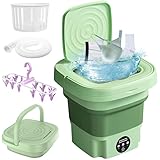
Semi Automatic FoldIng 10L Small Mini WashIng MachIne With Dryer Deep CleanIng For Underwear WashIng MachIne (H2)
₹1,498.00 (as of September 19, 2026 23:01 GMT +05:30 - More infoProduct prices and availability are accurate as of the date/time indicated and are subject to change. Any price and availability information displayed on [relevant Amazon Site(s), as applicable] at the time of purchase will apply to the purchase of this product.)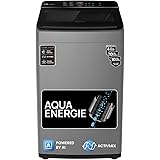
IFB 8 Kg 5 Star with Deep Clean® Technology, AI Powered, Fully Automatic Top Load Washing Machine (TL801MG1, ActivMix, Aqua Energie, Med Grey)
₹19,990.00 (as of September 19, 2026 23:01 GMT +05:30 - More infoProduct prices and availability are accurate as of the date/time indicated and are subject to change. Any price and availability information displayed on [relevant Amazon Site(s), as applicable] at the time of purchase will apply to the purchase of this product.)
Portable Washing Machine, 15L Mini Washing Machine With Spin Basket, Small Portable Washer Machine Suitable for Underwear Small Clothes Dryer Deep Cleaning M1
₹1,498.00 (as of September 19, 2026 23:01 GMT +05:30 - More infoProduct prices and availability are accurate as of the date/time indicated and are subject to change. Any price and availability information displayed on [relevant Amazon Site(s), as applicable] at the time of purchase will apply to the purchase of this product.)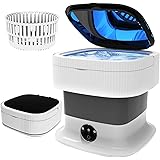
Portable Washing Machine, 16L Mini Washing Machine With Spin Basket, Small Portable Washer Machine Suitable for Underwear Small Clothes Dryer Deep Cleaning PL2
₹1,999.00 (as of September 19, 2026 23:01 GMT +05:30 - More infoProduct prices and availability are accurate as of the date/time indicated and are subject to change. Any price and availability information displayed on [relevant Amazon Site(s), as applicable] at the time of purchase will apply to the purchase of this product.)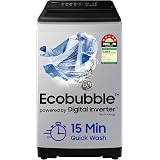
Samsung Smart Choice 8 kg, 5 star, Eco Bubble Tech, Digital Inverter Motor, Soft Closing Door, Fully-Automatic Top Load Washing Machine (WA80BG4441BGTL, Light Gray)
₹21,190.00 (as of September 19, 2026 23:01 GMT +05:30 - More infoProduct prices and availability are accurate as of the date/time indicated and are subject to change. Any price and availability information displayed on [relevant Amazon Site(s), as applicable] at the time of purchase will apply to the purchase of this product.)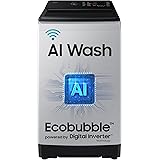
Samsung 8 Kg, 5 Star, AI Wash, AI Energy Mode, Wi-Fi, Ecobubble, AI VRT+, Super Speed, Soft Closing Door, Digital Inverter, Fully-Automatic Top Load Washing Machine (WA80F08S2LTL, Lavender Gray)
₹22,440.00 (as of September 19, 2026 23:01 GMT +05:30 - More infoProduct prices and availability are accurate as of the date/time indicated and are subject to change. Any price and availability information displayed on [relevant Amazon Site(s), as applicable] at the time of purchase will apply to the purchase of this product.)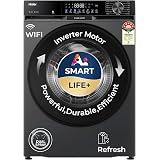
Haier 9 Kg, 5 Star, AI Smart LIFE+, Hygienic Care, ABT, 525 mm Super Drum, Refresh, Direct Motion Motor, WiFi enabled, Fully Automatic Front Load Washer (EFL90-IM14F5ES8U1 | Dark Jade Silver)
₹35,990.00 (as of September 19, 2026 23:01 GMT +05:30 - More infoProduct prices and availability are accurate as of the date/time indicated and are subject to change. Any price and availability information displayed on [relevant Amazon Site(s), as applicable] at the time of purchase will apply to the purchase of this product.)
Mini Laundry Machine 1.5L Portable Laundry Machine and Spinner for Baby Clothes, Underwear, Socks; Ideal for Travel, Dorms, Camping L58
₹999.00 (as of September 19, 2026 23:01 GMT +05:30 - More infoProduct prices and availability are accurate as of the date/time indicated and are subject to change. Any price and availability information displayed on [relevant Amazon Site(s), as applicable] at the time of purchase will apply to the purchase of this product.)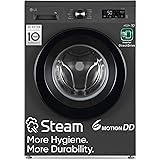
LG 7 Kg, 5 Star, DD Technology, Steam Wash, 6 Motion DD, Fully-Automatic Front Load Washing Machine (FHB1207Z2M, Allergy Care, In-Built Heater, Touch Panel, Middle Black)
₹32,990.00 (as of September 19, 2026 23:01 GMT +05:30 - More infoProduct prices and availability are accurate as of the date/time indicated and are subject to change. Any price and availability information displayed on [relevant Amazon Site(s), as applicable] at the time of purchase will apply to the purchase of this product.)
LG 12 Kg, 5 Star, AI DD Technology, Steam, Wi-Fi, Tempered glass door, Fully-Automatic Front Load Washing Machine (FX1412N3O, Reduce germs & allergens, Smart Fabric Care, 2026 Model, Onyx Black)
₹48,990.00 (as of September 19, 2026 23:01 GMT +05:30 - More infoProduct prices and availability are accurate as of the date/time indicated and are subject to change. Any price and availability information displayed on [relevant Amazon Site(s), as applicable] at the time of purchase will apply to the purchase of this product.)
Voltas beko, A Tata Product 6 kg 5 Star Semi-Automatic Top Load Washing Machine With Air Dry (WTT60UNX/OK3R0R0W01, Burgundy, Special Pulsator Technology)
₹8,545.00 (as of September 19, 2026 23:01 GMT +05:30 - More infoProduct prices and availability are accurate as of the date/time indicated and are subject to change. Any price and availability information displayed on [relevant Amazon Site(s), as applicable] at the time of purchase will apply to the purchase of this product.)
VW Visio World 7.5 kg 5 Star Aqua Spin Semi Automatic Top Load Washing Machine Aqua-Spin0075P (Black)
₹7,490.00 (as of September 19, 2026 23:01 GMT +05:30 - More infoProduct prices and availability are accurate as of the date/time indicated and are subject to change. Any price and availability information displayed on [relevant Amazon Site(s), as applicable] at the time of purchase will apply to the purchase of this product.)
Portable Washing Machine, 15L Mini Washing Machine With Spin Basket, Small Portable Washer Machine Suitable for Underwear Small Clothes Dryer Deep Cleaning (A8)
₹1,498.00 (as of September 19, 2026 23:01 GMT +05:30 - More infoProduct prices and availability are accurate as of the date/time indicated and are subject to change. Any price and availability information displayed on [relevant Amazon Site(s), as applicable] at the time of purchase will apply to the purchase of this product.)