Description: Master Indian winters! This in-depth guide helps you choose the perfect jacket—from lightweight bombers for the Plains to technical parkas for the Himalayas. Expert advice on materials and layering.
🇮🇳 Introduction: The Diversity of India’s Winter Challenge
India, a land of extraordinary geographical and climatic diversity, presents a unique challenge for winter clothing. A jacket that keeps you cozy in the freezing, snow-covered mountains of Ladakh will leave you sweating profusely in the mild, dry winter of Gujarat. Conversely, the stylish bomber jacket perfect for Delhi’s chilly nights is hopelessly inadequate for the sub-zero temperatures of Sikkim.
For the savvy Indian male, understanding this diversity is the crucial first step in selecting the right winter jacket. This isn’t just about fashion; it’s about comfort, functionality, and smart investment. This comprehensive, expert guide dissects the winter landscape of India, providing data-backed recommendations on jacket types, insulation, materials, and the vital art of layering, ensuring you are prepared, stylish, and comfortable, no matter which climate zone you find yourself in.
We will focus on the three primary climate categories that define the Indian winter experience.
🥶 Section 1: The Cold Climate Hierarchy – Understanding Jacket Types and Materials
Before diving into regional recommendations, it is vital to grasp the core components that determine a jacket’s warming power. A jacket is essentially a personal micro-climate generator, and its effectiveness depends on the synergy of its material, insulation, and shell technology.
The Anatomy of Warmth: Shell, Insulation, and Lining
Every high-performance jacket is built on the principle of the “Three Layers” but integrated into a single piece of outerwear.
- Outer Shell: This is the jacket’s defense against the elements.
- Function: Blocks wind (windproof) and repels water (water-resistant or waterproof).
- Materials: Durable Nylon or Polyester. For extreme mountain use, look for technical fabrics like Gore-Tex or proprietary membranes that offer high waterproof and breathability ratings (e.g., 10,000 mm or higher).
- Insulation (The Core Warmth): This traps heat generated by your body.
- Down (The Natural King): Made from duck or goose under-feathers. It offers the best warmth-to-weight ratio and is incredibly compressible. Its quality is measured by Fill Power (FP), typically ranging from 550 to 900. High FP means more warmth for less bulk. A drawback: it loses virtually all insulating power when wet.
- Synthetic (The Practical Hero): Made from polyester fibers (like PrimaLoft or Thinsulate). It is budget-friendly, highly durable, and, crucially for wet/humid Indian zones, retains warmth even when damp. It’s slightly bulkier than Down for the same warmth level.
- Lining: The innermost fabric that touches your body or mid-layer. Often Fleece, quilted Nylon, or synthetic mesh for comfort and added heat retention.
Popular Jacket Styles for Indian Winters
- Puffer Jackets (The Insulator): Characterized by puffy sections (baffles) filled with Down or Synthetic insulation. Ideal for dry, cold environments.
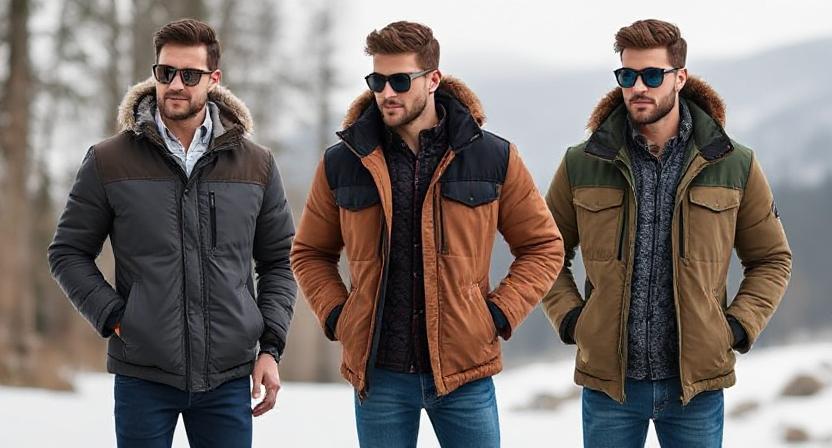
- Parkas (The Extreme Shield): Longer-cut (often mid-thigh), heavily insulated jackets, typically with fur-lined hoods. Designed for sub-zero temperatures, snow, and severe wind.
- Bomber Jackets (The Urban Classic): Hip-length, generally less insulated than puffers. Perfect for Mild or Moderate cold where style and freedom of movement are prioritized.
- Softshell Jackets (The Active Layer): Highly breathable, water-resistant, and stretchy. Excellent for active use (hiking, cycling) in cool, windy conditions. They bridge the gap between a fleece and a full waterproof shell.
- 3-in-1 Jackets (The Modular Genius): Consists of a waterproof outer shell and a removable inner fleece/puffer jacket. The ultimate versatile choice for adapting to dramatically changing Indian weather, allowing you to wear the shell, the liner, or both combined.
🗺️ Section 2: Zone-Specific Jacket Recommendations for India
India’s vast territory can be logically divided into three primary winter zones, each demanding a specific wardrobe strategy.
Zone 1: Himalayan Heights (Extreme Cold and Snow)
- Regions: Ladakh, Kashmir Valley (Srinagar), Himachal Pradesh (higher altitudes like Spiti, Keylong), Uttarakhand (Auli, Valley of Flowers).
- Typical Temperatures: 5°C to -20°C (or lower).
- The Challenge: Severe cold, high winds, and heavy snowfall. Protection must be absolute, prioritizing survival and core temperature maintenance.
| Jacket Type | Ideal Features & Why | Recommendation (Style) |
| Heavy Down Parka | High Fill Power (700+ FP) Down. Waterproof/Water-Resistant shell (essential for snow). Long cut for lower body coverage. | Technical Parka (e.g., North Face, Decathlon Quechua SH900) |
| 3-in-1 Jacket | Must have an inner insulated layer and a high-spec waterproof hard shell. | Modular Ski/Trekking Jacket (e.g., Forclaz Trekking 3-in-1) |
| Crucial Layering Strategy | Base Layer: Merino Wool or synthetic thermal wear. Mid-Layer: Thick fleece or high-quality lightweight puffer vest. Outer Layer: The heavy jacket/parka. |
Expert Case Study: A trekker ascending to a Himalayan base camp requires gear rated for -10°C to -20°C. Data from high-altitude trekking suggests the jacket must be lightweight and compressible (for packing) yet offer unwavering wind and snow protection. A high-FP Down jacket is the gold standard here.
Zone 2: Northern Plains and Central India (Moderate to Cold)
- Regions: Delhi NCR, Punjab, Haryana, Rajasthan (Jaipur), Uttar Pradesh (Lucknow), Madhya Pradesh.
- Typical Temperatures: 5°C to 15°C (with occasional dips near freezing).
- The Challenge: Cold, dry mornings and nights, but often pleasant afternoons. The need for warmth is high, but the jacket must be manageable and stylish for urban settings.
| Jacket Type | Ideal Features & Why | Recommendation (Style) |
| Light/Medium Puffer | Synthetic insulation (easy to maintain). Moderate loft. Detachable hood for versatility. | Quilted or Padded Jacket (e.g., Uniqlo Ultra Light Down, high-end Indian brands) |
| Wool/Pea Coat | Classic, stylish, and naturally warm. Perfect for office/formal settings. | Wool Blend Pea Coat or Overcoat (for formal layering). |
| Bomber/Varsity Jacket | Excellent for daily wear, commutes, and casual outings. Provides enough warmth for mornings when layered with a sweater. | Nylon/Polyester Bomber with light fleece lining. |
| Crucial Layering Strategy | Base Layer: Standard cotton vest or light thermal. Mid-Layer: Pullover sweater, knit cardigan, or fleece jacket. Outer Layer: The chosen jacket (Bomber or Puffer). |
Actionable Insight: In this zone, style and utility converge. The ability to easily take off a layer during the day is more valuable than maximum insulation.
Zone 3: Coastal and Peninsular India (Mild to Temperate)
- Regions: Mumbai, Chennai, Bengaluru, Kolkata, coastal Kerala, Goa.
- Typical Temperatures: 15°C to 25°C (mornings/evenings might be cooler).
- The Challenge: Humidity and occasional cool breezes, rather than deep cold. Heavy jackets are unnecessary and cumbersome.
| Jacket Type | Ideal Features & Why | Recommendation (Style) |
| Windcheater/Shell | Light, packable, and focuses on blocking humidity and wind, not extreme cold. | Windproof Nylon Shell/Anorak or thin Fleece. |
| Gilet (Sleeveless Vest) | Keeps the core warm while allowing the arms to breathe, perfect for humidity and milder temperatures. | Lightweight Padded Gilet over a full-sleeved shirt. |
| Denim/Leather Jacket | Primarily a style statement, but provides excellent protection against evening breezes. | Unlined Denim Trucker Jacket or light Faux-Leather Biker Jacket. |
| Crucial Layering Strategy | Base Layer: None needed, maybe a T-shirt. Mid-Layer: Light shirt or hoodie. Outer Layer: The chosen light jacket or vest. |
⚙️ Section 3: Technical Details – Beyond the Brand Name
A truly informed purchase relies on understanding the numbers and materials. Don’t be swayed by aggressive marketing; look for these Power Words on the jacket label.
Decoding Technical Specifications
- Fill Power (FP): As discussed, 700+ is premium for maximum warmth-to-weight. Essential for the Himalayas.
- Fill Weight (Grams): For synthetic jackets, this is the measure of insulation density (e.g., 100 gsm). Higher numbers mean more warmth. A puffer for the North Indian Plains needs at least 150 – 200 gsm of synthetic fill.
- Waterproof Rating (mm): Measured in mm (millimetres). This indicates the height of a water column the fabric can support before leaking.
- 5,000 mm: Water-resistant, fine for light rain.
- 10,000 mm – 15,000 mm: Highly waterproof, good for heavy rain/snow.
- 20,000 mm+: Professional grade, for mountaineering and prolonged exposure to extreme wet snow.
- Breathability Rating (g/m2): Measured in grams of water vapour that can pass through one square meter of fabric over 24 hours (g / m2 / 24 hr).
- 5,000 g: Adequate for casual wear.
- 10,000 g+: Excellent for high-intensity activity (trekking, skiing) where sweating is a concern.
The Environmental and Ethical Choice
In today’s conscious market, your purchase can reflect your values.
- RDS Certified Down: Look for the Responsible Down Standard (RDS) label. This ensures that the down comes from animals that have not been subjected to unnecessary harm, such as force-feeding or live-plucking.
- Recycled Materials: Many brands now use recycled Polyester and Nylon for shells and synthetic insulation, reducing environmental impact.
- PFC-Free DWR: The durable water-repellent (DWR) coating often contains Perfluorochemicals (PFCs), which are harmful to the environment. Look for jackets with PFC-free DWR for a greener choice.
💡 Section 4: Maintenance, Fit, and Investment Strategy
A winter jacket is a significant investment. Proper selection and care are essential to ensuring its longevity, often spanning five years or more.
The Importance of Fit and Tailoring
The jacket’s fit is critical for thermal efficiency.
- Avoid Over-Sizing: A jacket that is too loose creates large pockets of cold air that your body heat cannot warm efficiently.
- Allow for Layering: The jacket should fit snugly over your intended mid-layer (sweatshirt or fleece) without restricting movement in the shoulders or chest. When trying it on, raise your arms—if the bottom hem rides up significantly, the fit is too tight.
- Adjustable Features: Always prioritize jackets with adjustable hoods, cuffs, and waist drawcords. These features are vital for sealing out cold wind and snow, especially in North India.
Longevity: Caring for Your Winter Wear
- Down Jacket Care: Wash only when necessary, using a specialized Down Wash detergent. Tumble dry on low heat with 3-4 clean tennis balls. The balls break up the clumps of down, restoring the loft and insulating power.
- Waterproof Shells: Re-activate the DWR coating annually. After washing (with a tech wash), a quick tumble dry or ironing (as per instructions) often restores the water repellency.
- Storage: Always store jackets clean and fully dry. Down jackets should be stored hanging up, not compressed in their stuff sack, as prolonged compression reduces the insulation’s lifespan and effectiveness.
✅ Conclusion: Dress Smart, Live Warm
Choosing the perfect winter jacket for men in India is about moving past generic trends and adopting a knowledge-based, strategic approach. By accurately assessing your primary climate zone—from the severe cold of the mountainous North to the mild breezes of the Coastal South—and understanding the technical specifications like Fill Power and waterproof ratings, you can make an investment that truly serves your needs.
A smart jacket is an armor against the elements, a style statement in the city, and a health protector on a trek. Do not settle for guesswork; let the science of warmth guide your choice.
✍️ Compelling Call to Action
Don’t get caught out by India’s unpredictable winter! Now that you know exactly what your climate demands, click here to explore highly-rated, zone-specific jackets and build your perfect, functional, and stylish winter layering system today!
BLUE TYGA Sunscreen Jacket 2.0 - Advanced Protection from Sun & Pollution - UPF 50+ Protection
₹1,089.00 (as of September 26, 2026 15:00 GMT +05:30 - More infoProduct prices and availability are accurate as of the date/time indicated and are subject to change. Any price and availability information displayed on [relevant Amazon Site(s), as applicable] at the time of purchase will apply to the purchase of this product.)
1STREET Unisex Racing Style Color Block Zip Jacket | High Neck Full Sleeve Lightweight Regular Fit Casual Streetwear Bomber Jacket for Men & Women Red and Black
₹849.00 (as of September 26, 2026 15:00 GMT +05:30 - More infoProduct prices and availability are accurate as of the date/time indicated and are subject to change. Any price and availability information displayed on [relevant Amazon Site(s), as applicable] at the time of purchase will apply to the purchase of this product.)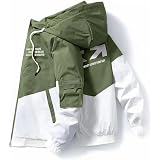
RAUSHANI FASHIONS Men's Hooded Windbreaker Jacket Lightweight Full Zip Color Block Casual Coat Water Resistant Outdoor Sports Hiking Running Travel Fashion Hoodie for Men
₹599.00 (as of September 26, 2026 15:00 GMT +05:30 - More infoProduct prices and availability are accurate as of the date/time indicated and are subject to change. Any price and availability information displayed on [relevant Amazon Site(s), as applicable] at the time of purchase will apply to the purchase of this product.)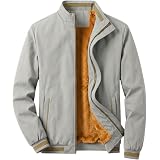
Mens Winter Jacket | Fur Lined Bomber Jacket with Zip Closure & Pockets
₹799.00 (as of September 26, 2026 15:00 GMT +05:30 - More infoProduct prices and availability are accurate as of the date/time indicated and are subject to change. Any price and availability information displayed on [relevant Amazon Site(s), as applicable] at the time of purchase will apply to the purchase of this product.)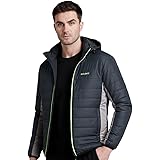
Boldfit jackets for men stylish latest puffer winter jacket for men standard length jacket man full sleeves bomber jackets for man winter wear with hoodie
₹1,199.00 (as of September 26, 2026 15:00 GMT +05:30 - More infoProduct prices and availability are accurate as of the date/time indicated and are subject to change. Any price and availability information displayed on [relevant Amazon Site(s), as applicable] at the time of purchase will apply to the purchase of this product.)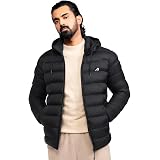
Boldfit Winter Jacket for Men Nylon Puffer Hooded Insulated Heavy Jackets, Full Sleeve Jacket Standard Length Winter Jackets Ideal for Monsoon & Minus 10 Degree Protection
₹1,999.00 (as of September 26, 2026 15:00 GMT +05:30 - More infoProduct prices and availability are accurate as of the date/time indicated and are subject to change. Any price and availability information displayed on [relevant Amazon Site(s), as applicable] at the time of purchase will apply to the purchase of this product.)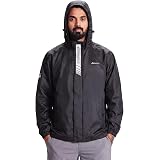
Boldfit Storm Rider Waterproof Rain Jacket for Men & Women, Windproof Breathable Neon Green Riding Jacket with Hood, PU-Coated Zipper & Adjustable Fit for Bike, Cycling, Trekking & Outdoor Use
₹1,299.00 (as of September 26, 2026 15:00 GMT +05:30 - More infoProduct prices and availability are accurate as of the date/time indicated and are subject to change. Any price and availability information displayed on [relevant Amazon Site(s), as applicable] at the time of purchase will apply to the purchase of this product.)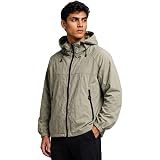
CHKOKKO Windcheater Jacket For Men With Hood UPF 50+ UV Sun Protection | Lightweight Breathable Water-Repellent Windbreaker | Nylon Fabric Outdoor Running Biker Dailywear Jacket
₹1,297.98 (as of September 26, 2026 15:00 GMT +05:30 - More infoProduct prices and availability are accurate as of the date/time indicated and are subject to change. Any price and availability information displayed on [relevant Amazon Site(s), as applicable] at the time of purchase will apply to the purchase of this product.)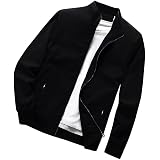
TAGAS Men's Regular Jacket Fit For Casual Wear || Low-Cut Standing Collar || Full Sleeve | Latest Stylish Jacket For Men ||Regular Fit Zip-Up Casual jacket|| bomber jacket for men(MJ-9015)
₹699.00 (as of September 26, 2026 15:00 GMT +05:30 - More infoProduct prices and availability are accurate as of the date/time indicated and are subject to change. Any price and availability information displayed on [relevant Amazon Site(s), as applicable] at the time of purchase will apply to the purchase of this product.)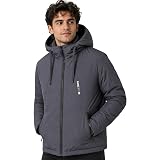
SANE Men's Hooded Puffer Jacket, Quilted Winter Coat, Warm and Lightweight, Detatchable Cap
₹999.00 (as of September 26, 2026 15:00 GMT +05:30 - More infoProduct prices and availability are accurate as of the date/time indicated and are subject to change. Any price and availability information displayed on [relevant Amazon Site(s), as applicable] at the time of purchase will apply to the purchase of this product.)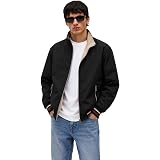
Lymio Men's Casual Bomber Jacket | Lightweight Windcheater | Full Sleeve Regular Fit Outdoor Jacket(1-J-04-06)
₹749.00 (as of September 26, 2026 15:00 GMT +05:30 - More infoProduct prices and availability are accurate as of the date/time indicated and are subject to change. Any price and availability information displayed on [relevant Amazon Site(s), as applicable] at the time of purchase will apply to the purchase of this product.)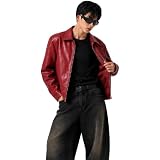
GIGAVIBE Wine Boxy Leather Jacket For Unisex Lightweight Boxy Leather Jacket with Front Zip Soft Inner Lining Regular Fit for Casual Wear
₹949.00 (as of September 26, 2026 15:00 GMT +05:30 - More infoProduct prices and availability are accurate as of the date/time indicated and are subject to change. Any price and availability information displayed on [relevant Amazon Site(s), as applicable] at the time of purchase will apply to the purchase of this product.)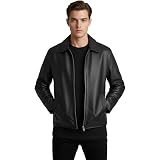
leather jacket for men
₹699.00 (as of September 26, 2026 15:00 GMT +05:30 - More infoProduct prices and availability are accurate as of the date/time indicated and are subject to change. Any price and availability information displayed on [relevant Amazon Site(s), as applicable] at the time of purchase will apply to the purchase of this product.)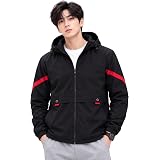
Men's Hooded Jacket, Casual Full Zip Jacket for Men with Adjustable Hood and Front Pockets, White Lightweight Jacket with Red Stripe Design
₹499.00 (as of September 26, 2026 15:00 GMT +05:30 - More infoProduct prices and availability are accurate as of the date/time indicated and are subject to change. Any price and availability information displayed on [relevant Amazon Site(s), as applicable] at the time of purchase will apply to the purchase of this product.)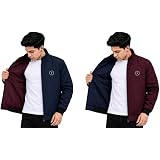
YOU 8 Reversible Jacket for Men | 2-in-1 Double-Sided Lightweight Jacket | Water-Resistant Windcheater with Stand Collar, Premium Zipper & Ribbed Cuffs | Casual Winter & All-Season Wear
₹578.00 (as of September 26, 2026 15:00 GMT +05:30 - More infoProduct prices and availability are accurate as of the date/time indicated and are subject to change. Any price and availability information displayed on [relevant Amazon Site(s), as applicable] at the time of purchase will apply to the purchase of this product.)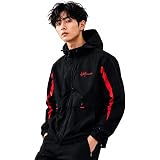
Men's Black Side Stripes Hooded Jacket | Metal Zipper Closure, Elastic Cuff, 2 Side Pockets
₹520.00 (as of September 26, 2026 15:00 GMT +05:30 - More infoProduct prices and availability are accurate as of the date/time indicated and are subject to change. Any price and availability information displayed on [relevant Amazon Site(s), as applicable] at the time of purchase will apply to the purchase of this product.)
Boldfit Sunscreen Jacket for Men & Women UPF 50+ Lightweight Sun Protection Jackets with Hood & Full Sleeves Quick Dry, Breathable Summer Wear for Running, Trekking, Travel & Outdoor
₹899.10 (as of September 26, 2026 15:00 GMT +05:30 - More infoProduct prices and availability are accurate as of the date/time indicated and are subject to change. Any price and availability information displayed on [relevant Amazon Site(s), as applicable] at the time of purchase will apply to the purchase of this product.)
Van Heusen Men Windcheater Jacket, Water-Repellent with Inbuilt Hood
₹1,799.00 (as of September 26, 2026 15:00 GMT +05:30 - More infoProduct prices and availability are accurate as of the date/time indicated and are subject to change. Any price and availability information displayed on [relevant Amazon Site(s), as applicable] at the time of purchase will apply to the purchase of this product.)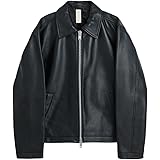
EXOTIX Black Leather Jacket for Men | Collared Zip-Up Classic Style | Crop Fit Racing Sports Bomber Jacket | Premium Leather Regular Fit Jacket for Casual & Biker Wear
₹755.00 (as of September 26, 2026 15:00 GMT +05:30 - More infoProduct prices and availability are accurate as of the date/time indicated and are subject to change. Any price and availability information displayed on [relevant Amazon Site(s), as applicable] at the time of purchase will apply to the purchase of this product.)