Description: The 2025 GST rate cut on monitors is a game-changer! Learn the real price impact, the percentage savings for buyers, and how this reform boosts India’s digital economy. An essential guide for IT buyers and businesses.
The Monumental Shift in India’s IT Taxation
The digital landscape in India is witnessing a monumental transformation, and at the heart of this change lies the Goods and Services Tax (GST) reform, specifically targeting electronic goods. For years, computer monitors—particularly those exceeding 32 inches—were unfairly grouped with luxury consumer durables, attracting the prohibitive 28% GST slab. This high taxation created a significant cost barrier, affecting not only high-end gaming enthusiasts and creative professionals but also critical sectors like education, corporate India, and the burgeoning start-up ecosystem.
The announcement and subsequent implementation of the GST rate rationalisation, often termed ‘GST 2.0,’ effective from September 22, 2025, have fundamentally altered this scenario. The decision by the GST Council to unify the tax rate on all computer monitors (including those above 32 inches) from 28% to the standard 18% is a massive victory.
This comprehensive guide serves as your essential resource for navigating the post-reform market. We’ll dissect the exact financial impact, explore how this move is an economic catalyst, and provide a clear roadmap for every buyer—from the student to the corporate procurement manager—to maximise their savings and benefit from this landmark tax reduction.
Deciphering the GST Rate Rationalisation on Monitors
The core of the recent GST reform is simplification and affordability. The government’s strategic move to streamline the tax structure on Information and Communication Technology (ICT) hardware aligns perfectly with the ‘Digital India’ and ‘Make in India’ initiatives.
1 The Critical Change: 28% to 18%
Prior to the September 2025 reform, GST classification created a bizarre price anomaly:
- Monitors up to 32 inches: Already placed under the 18% slab, treated as essential IT hardware.
- Monitors above 32 inches: Taxed at the highest 28% slab, effectively classifying them as large-screen televisions or luxury items.
The new rule unifies the rate at 18% across all screen sizes. This eliminates the confusion, the litigation risk, and the excessive cost burden, especially on professional-grade displays that are essential tools, not luxuries.
The Impact in Numbers:
| Product Category | Old GST Rate (Pre-Sept 2025) | New GST Rate (Effective Sept 2025) | Net Reduction |
| Monitors (Above 32 Inches) | 28% | 18% | 10% |
| Monitors (Up to 32 Inches) | 18% | 18% | 0% (No Change) |
| Laptops/PCs | 18% | 18% | 0% (No Change) |
2 Why This GST Cut is a ‘Non-Negotiable’ Necessity
This reduction was not a mere goodwill gesture; it was an economic imperative. The high 28% tax on large monitors created an inverted tax structure in a practical sense, where the final product’s tax was disproportionately high relative to many of its components.
- Boost to Local Manufacturing: Lowering the tax on the final product makes locally assembled or manufactured monitors more competitive against international imports, strengthening the ‘Make in India’ ecosystem.
- Digital Education Enabler: Large-screen monitors are crucial for digital classrooms, laboratories, and ed-tech start-ups. The lower tax makes essential learning tools more accessible to government schools and private institutions alike.
- Professional Tool, Not Luxury: For designers, video editors, programmers, and finance professionals, a high-resolution, large monitor (e.g., a 4K 43-inch display) is a productivity tool. The 18% rate reflects its status as essential Information Technology (IT) hardware.
Real-World Price Impact: Savings for the Indian Buyer
The direct consequence of moving from the 28% slab to the 18% slab is a significant and immediate reduction in the final retail price. Consumers will save approximately 7.8% to 8% on the Maximum Retail Price (MRP).
1 The Price Drop Calculation: A Clear Example
For a buyer, the transition from a 28% tax to an 18% tax on the original selling price (pre-tax value) translates to a substantial saving.
Let’s assume a popular 43-inch 4K Professional Monitor has a base manufacturing/retailer cost (Ex-GST Price) of ₹50,000.
| Calculation Metric | Old Rate (28%) | New Rate (18%) |
| Base Price (A) | ₹50,000 | ₹50,000 |
| GST Amount (B) | ₹50,000 $\times$ 28% = ₹14,000 | ₹50,000 $\times$ 18% = ₹9,000 |
| Final Price (A + B) | ₹64,000 | ₹59,000 |
| Net Saving for Buyer | N/A | ₹5,000 |
This example demonstrates a direct saving of ₹5,000 on a ₹64,000 product. This kind of financial relief is a powerful incentive for both households and businesses to upgrade their IT infrastructure.
2 Actionable Insight: How Price Drops Manifest
- Immediate Savings: For new stock arriving post-September 2025, retailers and e-commerce platforms are mandated to pass on the benefit immediately. Look for the new, lower MRP stickers.
- Festive Season Boost: This reform is strategically timed to boost the festive season (Dussehra, Diwali, etc.) sales. Expect manufacturers to bundle the GST cut benefit with traditional festive discounts, leading to even greater overall savings.
- Increased Segment Competition: The lower price point will intensify competition in the premium monitor segment (large-size, high-refresh rate, OLED/Mini-LED). Buyers can expect better features at the same budget they had pre-cut.
Impact on Buyers: Who Benefits the Most from the GST Cut?
The GST rate reduction on monitors is not just a consumer benefit; it’s an institutional and professional boon, enabling higher productivity and investment across various sectors.
1 Home and Individual Buyers
- Gaming Enthusiasts: High-refresh-rate, curved, and ultra-wide monitors (which are typically larger than 32 inches) are now significantly cheaper. A monitor upgrade that might have cost ₹75,000 will now be closer to ₹69,000, making premium gaming more accessible.
- Work-From-Home Professionals: The shift to large dual-monitor setups for enhanced productivity is now more affordable. A freelancer or IT employee upgrading their home office sees a direct, personal tax saving.
- Family & Entertainment: Large monitors are often used as alternative media consumption devices. The lower price makes high-quality 4K displays a more viable option for the average middle-class Indian family.
2 Business and Institutional Buyers (The ITC Advantage)
For GST-registered businesses, the benefit is two-fold.
A. Lower Cost of Acquisition (Price Reduction)
The actual price paid is lower, reducing the immediate capital expenditure (CAPEX) needed for a bulk purchase. If a corporate office buys 50 units of the monitor from our example (₹5,000 saving per unit), the company immediately saves ₹2,50,000 on the total purchase cost.
B. Full Input Tax Credit (ITC)
Since computer monitors are used as ‘inputs’ for the business (not for personal consumption) and fall under the 18% slab, businesses can continue to claim the full GST paid as Input Tax Credit (ITC).
Case Study: IT Start-up Procurement
| Scenario | Old Rate (28%) | New Rate (18%) |
| Cost of 10 Monitors (Ex-GST) | ₹5,00,000 | ₹5,00,000 |
| GST Paid (A) | ₹1,40,000 (28%) | ₹90,000 (18%) |
| Total Cost Paid | ₹6,40,000 | ₹5,90,000 |
| ITC Claimable | ₹1,40,000 | ₹90,000 |
| Net Cost to Company (after ITC) | ₹5,00,000 | ₹5,00,000 |
- Actionable Insight: While the net cost after ITC remains the same (₹5,00,000), the company’s Working Capital Blockage is significantly reduced. They pay only ₹90,000 upfront as tax, instead of ₹1,40,000. This frees up ₹50,000 in immediate cash flow—a vital benefit for MSMEs and start-ups.
Potential Challenges and Anti-Profiteering Measures
While the GST cut is a clear win, buyers must remain vigilant to ensure the benefit is fully passed on by the supply chain.
1 The Anti-Profiteering Mandate
The government has a strict Anti-Profiteering mechanism (initially enforced by the National Anti-Profiteering Authority, now under the Competition Commission of India). Section 171 of the GST Act mandates that any reduction in the tax rate must be passed on to the consumer by way of a commensurate reduction in price.
- The Buyer’s Right: If a buyer notices that a monitor’s price (Ex-GST + New GST) has not fallen proportionally, they have the right to challenge this under anti-profiteering rules.
- Retailer Challenge: Retailers who hold ‘old stock’ (purchased at the 28% GST rate) might be tempted to delay the price reduction. However, they are legally required to revise the MRP downwards and sell at the new, lower rate. Buyers should verify the ‘Date of Import/Manufacture’ to check the stock vintage.
2 Supply Chain Dynamics and Pricing Lag
It takes time for the new pricing to be reflected across the entire distribution network.
- Manufacturer Level: Price revision is immediate.
- Importer Level: Price is revised upon new consignment imports.
- Distributor Level: They must clear old stock with revised MRPs.
- Retailer Level: This is where the price change is most visible.
Buyers should ideally prefer reputed national retailers and e-commerce giants in the immediate aftermath of the cut, as they have robust systems to implement price changes faster and adhere to compliance more strictly.
Forward Outlook: The Monitor Market in 2025 and Beyond
The GST rate rationalisation is poised to be a major catalyst for the Indian monitor market, driving both volume and value growth.
1 Projected Market Growth and Product Trends
The 7-8% drop in effective pricing is expected to stimulate a 15-20% surge in the sales volume of large-screen, premium monitors over the next 12-18 months.
- 4K and High-Refresh Rate Dominance: The price drop will accelerate the shift from basic Full HD (FHD) to 4K resolution displays, as the price difference becomes easier to justify.
- OLED and Mini-LED Adoption: These next-generation, high-cost display technologies will move closer to mass-market affordability, increasing the average product value.
- Boost to Local Assembly (CKD/SKD): With the tax on the finished product now rationalised, companies may look to increase their Completely Knocked Down (CKD) and Semi-Knocked Down (SKD) assembly operations in India, leading to increased job creation and technology transfer.
2 The Broader Economic Ripple Effect
The GST cut on monitors is part of a larger, systemic shift by the government towards a simplified 5% and 18% slab structure for most goods, eliminating the contentious 28% slab for essential consumer electronics.19
| Factor | Pre-GST Cut (Monitors > 32″) | Post-GST Cut (Monitors > 32″) |
| Cash Flow for Businesses | High Tax Blockage (28%) | Lower Tax Blockage (18%) |
| Productivity | High Barrier to Large Displays | Affordable Productivity Tool |
| Digital Economy Integration | Disconnect due to High Tax | Seamless Integration (18% Standard Rate) |
| Consumer Confidence | Uncertainty on Luxury Tax Status | Certainty on IT Hardware Status |
The collective impact, alongside similar cuts on ACs and large TVs, injects significant liquidity into the market, enhancing the purchasing power of the middle class and supporting the projected ₹20 Lakh Crore rise in electronics consumption this year, as noted by the government.
A Buyer’s Action Plan: Tips to Maximise Savings (2025)
To ensure you get the maximum benefit from the GST rate reduction, a structured buying approach is essential.
1 Verify the New MRP
- Pre-Purchase Check: Always calculate the expected new price. If a product cost ₹64,000 at 28% GST, the new price at 18% should be exactly ₹59,000.
- Look for ‘Revised MRP’: Physical products should have an amended MRP sticker. Online listings should clearly state the new Ex-GST price + 18% GST as the final billing value.
2 Time Your Upgrade Strategically
- The Best Time: The absolute best time to buy is during the first major festive season following the rate cut (e.g., Diwali 2025). The combination of the GST cut benefit and aggressive festive discounts from brands provides maximum value.
- Avoid Old Stock: Confirm with the retailer that the monitor is from a new batch (post-September 2025). While the price must be reduced even on old stock, a new batch ensures better clarity and manufacturer accountability.
3 Leverage Input Tax Credit (For Businesses)
- Mandatory Compliance: Ensure your supplier provides a proper GST invoice with the correct HSN Code (8528) and the 18% GST explicitly mentioned.
- Timely Claim: Claim the ITC in your GSTR-3B return promptly. The reduced upfront tax amount ($90,000 in our example) means better cash flow management from day one.
Conclusion: The Era of Affordable Digital Productivity
The GST rate cut on computer monitors, bringing the tax down from the restrictive 28% slab to the standard, unifying 18% rate, marks a watershed moment for India’s digital ecosystem. It is a clear policy signal that the government views high-quality displays as essential tools for growth, productivity, and education, not as mere luxuries.
This change puts thousands of rupees back into the pockets of the Indian buyer—whether they are a student preparing for exams, a professional building a home studio, or an enterprise scaling its IT operations. The reduction is not just a saving; it is a vital catalyst that will stimulate higher sales volume, foster greater competition, and accelerate the adoption of advanced display technology across the country.
Don’t let this opportunity pass! Now is the time to make that long-awaited upgrade to a better, larger, and more productive display.
🎯 Call to Action (CTA)
Ready to upgrade your workspace with a premium monitor? Utilize our guide and the new 18% GST rate to calculate your savings and find the best deals. Check the revised prices at your nearest certified electronics retailer or leading e-commerce platform today!
Acer Nitro ED320Q P0 31.5 Inch Curved Gaming Monitor | Full HD 1920x1080 Resolution | 144Hz Refresh | 1ms VRB | AMD FreeSync | 1500R Curved Screen | ZeroFrame Display Widget | VisionCare | HDMI
₹14,999.00 (as of September 19, 2026 15:35 GMT +05:30 - More infoProduct prices and availability are accurate as of the date/time indicated and are subject to change. Any price and availability information displayed on [relevant Amazon Site(s), as applicable] at the time of purchase will apply to the purchase of this product.)
Dell SE2426HG 24" (Smartchoice) FHD Gaming Monitor | 240Hz Fast IPS | 0.5ms Response | AMD FreeSync Premium | HDR10 | 99% sRGB | Eye Comfort | Tilt Stand | HDMI 2.1 & DP 1.4 Ports | Black
₹10,649.00 (as of September 19, 2026 15:35 GMT +05:30 - More infoProduct prices and availability are accurate as of the date/time indicated and are subject to change. Any price and availability information displayed on [relevant Amazon Site(s), as applicable] at the time of purchase will apply to the purchase of this product.)
LG 27U511SB 69 cm (27 Inch) Full HD (1920x1080) IPS Smart Monitor with webOS26, 120Hz, Wi-Fi, Bluetooth, Miracast, AirPlay, Speakers, HDMI, USB-A, Slim Stand, 3-Side Virtually Borderless (Black)
₹17,499.00 (as of September 19, 2026 15:35 GMT +05:30 - More infoProduct prices and availability are accurate as of the date/time indicated and are subject to change. Any price and availability information displayed on [relevant Amazon Site(s), as applicable] at the time of purchase will apply to the purchase of this product.)
Samsung 24"(60.5 cm) Flat IPS Monitor|IPS Panel|FHD 1920 x 1080|100 Hz|New Super Slim Design|Ports-HDMI,VGA|Tilt Stand Feature -2˚ to 21˚|Game Mode|Eye Saver Mode|Wall Mountable|LS24D300GAWXXL|Black
₹7,290.00 (as of September 19, 2026 15:35 GMT +05:30 - More infoProduct prices and availability are accurate as of the date/time indicated and are subject to change. Any price and availability information displayed on [relevant Amazon Site(s), as applicable] at the time of purchase will apply to the purchase of this product.)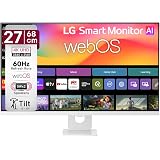
LG 27U731SB 68 cm (27 Inch) UHD (3840 x 2160) IPS Smart Monitor with webOS26, Wi-Fi, Bluetooth, Miracast, AirPlay, Speakers 5WX2, HDMI, USB-C (PD 65W), Slim Stand, 3-Side Virtually Borderless (White)
₹28,499.00 (as of September 19, 2026 15:35 GMT +05:30 - More infoProduct prices and availability are accurate as of the date/time indicated and are subject to change. Any price and availability information displayed on [relevant Amazon Site(s), as applicable] at the time of purchase will apply to the purchase of this product.)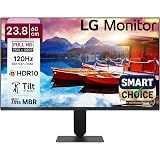
LG24U411A-BN Smartchoice 60 cm (24-inch) Full HD (1920 x 1080) IPS Monitor, 3-Side Virtually Borderless, 1ms MBR, 120Hz, sRGB 99%(Typ.), HDR10, Reader Mode, Flicker Safe, VGA, HDMI, Slim Stand, Black
₹7,499.00 (as of September 19, 2026 15:35 GMT +05:30 - More infoProduct prices and availability are accurate as of the date/time indicated and are subject to change. Any price and availability information displayed on [relevant Amazon Site(s), as applicable] at the time of purchase will apply to the purchase of this product.)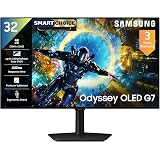
Samsung 32" OLED 4K Odyssey G7 Gaming Monitor (Smartchoice)|UHD 3840 x 2160|4K 165Hz / FHD 330 Hz|0.03ms|Pantone Validated||Ergonomic Stand|FreeSync Premium Pro|G-Sync|DP|HDMI|LS32HG730SWXXL|Black
₹78,499.00 (as of September 19, 2026 15:35 GMT +05:30 - More infoProduct prices and availability are accurate as of the date/time indicated and are subject to change. Any price and availability information displayed on [relevant Amazon Site(s), as applicable] at the time of purchase will apply to the purchase of this product.)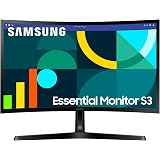
Samsung 24" Curved Monitor|1800R Curved Screen|100Hz|4ms|SRGB 95%|Ports-HDMI,D-Sub,Headphone|Game Mode|EyeSaver Mode|16.7M Color Support|Flicker Free|Off Timer Plus|LS24D368GAWXXL|Black
₹7,999.00 (as of September 19, 2026 15:35 GMT +05:30 - More infoProduct prices and availability are accurate as of the date/time indicated and are subject to change. Any price and availability information displayed on [relevant Amazon Site(s), as applicable] at the time of purchase will apply to the purchase of this product.)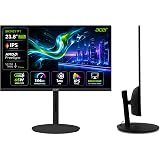
Acer SH242Y P1 23.8 Inch FHD IPS Gaming Monitor I 144Hz Refresh Rate I 1ms VRB I USB Type-C 65W PD I AMD FreeSync I Ultra Slim Design I ErgoStand I HDMI I Built-in Speakers I VisionCare Technology
₹10,599.00 (as of September 19, 2026 15:35 GMT +05:30 - More infoProduct prices and availability are accurate as of the date/time indicated and are subject to change. Any price and availability information displayed on [relevant Amazon Site(s), as applicable] at the time of purchase will apply to the purchase of this product.)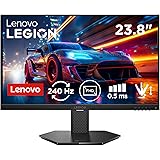
Lenovo Legion 24-10, 24 Inch IPS Full HD Gaming Monitor, 240Hz, 0.5ms, AMD FreeSyn Premium, NVIDIA G-Sync, 99% sRGB, Eyesafe, Dual HDMI, Display Port, Tilt, Swivel, Pivot, Height Adjust, Black
₹10,496.00 (as of September 19, 2026 15:35 GMT +05:30 - More infoProduct prices and availability are accurate as of the date/time indicated and are subject to change. Any price and availability information displayed on [relevant Amazon Site(s), as applicable] at the time of purchase will apply to the purchase of this product.)
Samsung 27 Inch 4K ViewFinity S7 Monitor | 4K (3840 x 2160) | IPS Panel | 1.07 Billion Colors | Ports-HDMI/DP/Headphone |HDR10|sRGB 99%| PIP & PBP |Game Mode | Tilt Adjustable | LS27H710EAWXXL | Black
₹20,499.00 (as of September 19, 2026 15:35 GMT +05:30 - More infoProduct prices and availability are accurate as of the date/time indicated and are subject to change. Any price and availability information displayed on [relevant Amazon Site(s), as applicable] at the time of purchase will apply to the purchase of this product.)
BenQ EW270Q 27" (68.58 cm) 2K QHD 200Hz IPS Gaming Monitor | HDRi|1200:1 Contrast|90% P3 Gamut|350 nits|Built-in-Speakers(5W X2)|AMD FreeSync Premium|USB-C (65 W), HDMI|Game Color Mode(White)
₹18,749.00 (as of September 19, 2026 15:35 GMT +05:30 - More infoProduct prices and availability are accurate as of the date/time indicated and are subject to change. Any price and availability information displayed on [relevant Amazon Site(s), as applicable] at the time of purchase will apply to the purchase of this product.)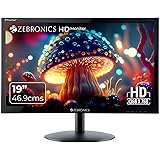
ZEBRONICS Zeb-V19Hd 18.5 Inch (46.99 Cm) Led Monitor with Supporting Hdmi, Vga Input, Hd 1366 X 768 Pixels, 16.7M Colors, Glossy Panel, Slim Design & Wall Mountable, Black
₹2,699.00 (as of September 19, 2026 15:35 GMT +05:30 - More infoProduct prices and availability are accurate as of the date/time indicated and are subject to change. Any price and availability information displayed on [relevant Amazon Site(s), as applicable] at the time of purchase will apply to the purchase of this product.)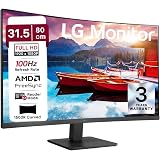
LG 32MR50C 80 cm (31.5 Inch) Full HD Curved (1920x1080) VA PC Monitor w/ 100Hz, 5ms (GtG), AMD FreeSync, D-Sub, 2xHDMI, Tilt Adjustable Anti-Glare, 3-Side Virtually Borderless Design, NTSC 72% (Black)
₹13,499.00 (as of September 19, 2026 15:35 GMT +05:30 - More infoProduct prices and availability are accurate as of the date/time indicated and are subject to change. Any price and availability information displayed on [relevant Amazon Site(s), as applicable] at the time of purchase will apply to the purchase of this product.)
Samsung 32" (80cm) M5 Smart Monitor with Smart TV Experience|FHD 1920 x 1080|Screen Mirroring TV Plus|Speakers|Adaptive Sound|Wi-Fi|HDMI|Bluetooth|LS32FM500EWXXL|Black
₹17,299.00 (as of September 19, 2026 15:35 GMT +05:30 - More infoProduct prices and availability are accurate as of the date/time indicated and are subject to change. Any price and availability information displayed on [relevant Amazon Site(s), as applicable] at the time of purchase will apply to the purchase of this product.)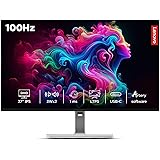
Lenovo L-Series 27 inch (68.5cm) QHD IPS Monitor, 100Hz, 1ms, 99% sRGB, 90% DCI-P3, 3Wx2 Speakers, 4xUSB-A, 1xUSB-C, 2X HDMI 2.1, Tilt, Swivel, Pivot Height Adjust Stand,75W Power delivery, L27h-4A
₹19,889.00 (as of September 19, 2026 15:35 GMT +05:30 - More infoProduct prices and availability are accurate as of the date/time indicated and are subject to change. Any price and availability information displayed on [relevant Amazon Site(s), as applicable] at the time of purchase will apply to the purchase of this product.)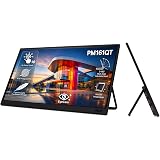
Acer PM161QT 15.6 Inch Full HD IPS Portable Touch Monitor | 10-Point Multi-Touch | USB Type-C & Mini HDMI | Anti-Fingerprint Screen | Built-in Speakers | VisionCare | Multi Angle Adjustable Stand
₹9,999.00 (as of September 19, 2026 15:35 GMT +05:30 - More infoProduct prices and availability are accurate as of the date/time indicated and are subject to change. Any price and availability information displayed on [relevant Amazon Site(s), as applicable] at the time of purchase will apply to the purchase of this product.)
Acer SA272 P1 27 Inch Full HD IPS Ultra Slim (7.2mm Thick) Backlit LED Monitor I Zero Frame I 144Hz Refresh I 1 MS VRB I AMD FreeSync I 1xHDMI 1xVGA I Speakers I Eye Care I Eco Display
₹9,699.00 (as of September 19, 2026 15:35 GMT +05:30 - More infoProduct prices and availability are accurate as of the date/time indicated and are subject to change. Any price and availability information displayed on [relevant Amazon Site(s), as applicable] at the time of purchase will apply to the purchase of this product.)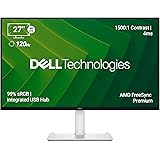
Dell S2725QC 27" 4K (3840 * 2160) USB-C Monitor|Titan Grey|IPS 120Hz| 350 cd/m2 |4 ms, Contrast 1,500:1| Tilt, Height, Pivot & Swivel|Ports: 2X HDMI| 2 * 5W Speakers|99% SRGB |AMD Freesync Premium
₹32,099.00 (as of September 19, 2026 15:35 GMT +05:30 - More infoProduct prices and availability are accurate as of the date/time indicated and are subject to change. Any price and availability information displayed on [relevant Amazon Site(s), as applicable] at the time of purchase will apply to the purchase of this product.)