Description: Combat bone-chilling cold on Indian roads! Learn why heated gloves are vital for safety, how they work, key features to look for, and the best battery-powered options for Indian bike riders.
🇮🇳 Introduction: Conquering the Cold Challenge on Indian Roads
For motorcycle riders across India, winter presents a unique and often brutal challenge. While the tropical south may enjoy mild weather, the northern, central, and mountainous regions—from the chilling fog of Delhi and Punjab to the snowy passes of Himachal Pradesh and Uttarakhand—experience temperatures that plummet far below comfort levels. The hands, perpetually exposed to the relentless wind chill, are the first to succumb to the cold, leading to painful numbness, stiffness, and dangerously reduced dexterity.
This discomfort isn’t just an annoyance; it is a significant safety hazard. Frozen fingers delay critical reactions like braking, throttling, and clutch operation, multiplying the risk of accidents.
Standard thermal gloves offer insulation but often fail against high-speed wind chill. The modern solution is the heated glove: a revolutionary piece of gear that transforms cold-weather riding from a struggle for survival into a genuinely enjoyable experience. This comprehensive, expert-driven guide will delve into the technology, critical features, and practical advice needed for Indian bike riders to select the perfect heated gloves for their winter rides.
🛡️ Section 1: The Safety and Comfort Imperative
Heated gloves are not a luxury item; they are a vital component of safe and confident winter riding gear, especially in the variable and sometimes extreme Indian climate.
Why Traditional Winter Gloves Fall Short Against Wind Chill
Insulation-only gloves (like heavy wool or fleece) work by trapping the heat your body generates. However, during high-speed riding, the constant, cold air flow—known as wind chill—strips this heat away faster than your body can produce it, especially at the fingertips where blood flow is restricted.
- The Wind Chill Factor: At 60 km/h in 5°C weather, the effective temperature your hands feel can drop to nearly -5°C or lower.
- The Solution: Heated gloves use an active heating system to continually generate warmth, maintaining a stable temperature independent of the outside air or wind speed.
Critical Safety Benefits for the Indian Rider
Warm hands equate directly to enhanced safety—a paramount concern on often unpredictable Indian roads.
- Improved Dexterity and Control: Warm fingers remain flexible, allowing for precise operation of the clutch lever, front brake, and throttle. This is crucial for navigating heavy city traffic or tricky mountain hairpin bends.
- Faster Reaction Time: Numbness drastically slows down the milliseconds needed for emergency braking or evasive maneuvers. Heated gloves ensure your reaction time remains optimal.
- Reduced Fatigue on Long Tours: Cold hands cause the rider to grip the handlebars harder, leading to rapid muscle fatigue in the hands and forearms. Consistent warmth reduces this gripping stress, making long-distance touring (e.g., to Ladakh or Spiti) far more sustainable.
- Health and Wellness: For riders suffering from circulation issues, arthritis, or Raynaud’s disease, the constant, gentle heat provided by these gloves can dramatically reduce pain and discomfort during cold rides.
💡 Section 2: Deciphering the Technology – How Heated Gloves Work
Understanding the inner workings helps in choosing the most effective and reliable gear. Heated gloves operate on a simple yet effective principle of electrical resistance.
The Core Components and Heating Mechanism
A high-quality heated glove is a miniature, sophisticated electric circuit seamlessly integrated into protective riding gear.
- Heating Element: This is the core. It consists of thin, flexible wires or, more commonly in modern premium gear, carbon fiber filaments. These are strategically woven along the full length of the fingers, the thumb, and the back of the hand—the areas most vulnerable to cold.
- Power Source: The power is supplied by rechargeable Lithium-ion (Li-ion) batteries, typically 7V or 12V units, housed in a zippered pocket discreetly placed within the glove’s cuff.
- Control System: An accessible button on the back of the hand or cuff allows the rider to cycle through multiple heat settings (usually Low, Medium, and High) to precisely adjust the thermal output to match the ambient temperature.
Battery-Powered vs. Hardwired Systems
Indian riders typically choose between two main power systems, each with distinct advantages:
| Feature | Battery-Powered (7V) | Hardwired (12V) | Best For |
| Power Source | Rechargeable Li-ion packs in cuff | Connected directly to motorcycle battery | Portability |
| Duration | Limited (2 to 8 hours, depending on setting) | Unlimited (while the bike is running) | Duration |
| Heat Output | Moderate and Variable | Stronger and more Consistent | Commuters/Casual Touring |
| Installation | None—Charge and Go | Requires wiring harness setup | Extreme Cold/Long Tours |
| Portability | Highly portable (can be used off the bike) | Works only when connected to the bike | Versatility |
Actionable Tip for Indian Touring: For the majority of Indian riders who commute or take weekend trips of 2–4 hours, battery-powered gloves offer the best combination of practicality, portability, and zero installation hassle. For those embarking on multi-day, high-altitude expeditions (Manali to Leh), a hardwired system offers the necessary peace of mind for continuous warmth.
🧤 Section 3: The Ultimate Buying Checklist for Indian Climates
Choosing the right heated glove involves assessing traditional safety features alongside the advanced thermal elements. This is your definitive checklist.
Non-Negotiable Safety and Construction Features
A heated glove is first and foremost a riding glove and must meet all safety standards.
- CE Certification (EN 13594:2015): Look for this marking. It is a European standard but is the best global benchmark for motorcycle protective gloves, confirming adequate protection against impact and abrasion. CE Level 1 or Level 2 (KP) is ideal.
- Impact Protection: Hard TPU or Viscoelastic armour over the knuckles is non-negotiable. Reinforced areas or Palm Sliders (often made of hard plastic or foam) protect the palm bone during a slide—a critical safety feature.
- Abrasion Resistance: The primary material should be robust. Full-grain leather (Goatskin is popular for its balance of feel and protection) or high-denier, abrasion-resistant textile (like Cordura 600D) is essential.
- Full Gauntlet Design: The glove should extend well past the wrist and have a secure, adjustable closure (Velcro strap) to seal out cold air and prevent the glove from slipping off in a crash.
Key Thermal and Practical Features
Beyond safety, the thermal performance must be perfectly adapted to long rides in the Indian cold.
- Waterproofing: The Indian winter often includes unexpected rain, fog, or snow/sleet in the mountains. A breathable, waterproof membrane (like a proprietary Drystar, Hydratex, or generic HIPORA membrane) is vital to keep the heating elements dry and functional.
- Heat Coverage: The best models feature heating elements that run from the wrist all the way to the tip of every finger and the thumb. A glove that only heats the back of the hand is inadequate.
- Heat Setting Range and Battery Life:
- High Setting (for initial blast): Should provide intense warmth, but battery life will be minimal (1.5 – 3 hours).
- Low Setting (for maintenance): This is your main setting for long rides, often providing up to 6–8 hours of sustained warmth. Look for models with at least 4,000 mAh batteries.
- Touchscreen Compatibility: Essential for Indian riders who rely on GPS navigation (Google Maps) or quick phone access. Look for conductive material on the index finger and thumb tips.
🔍 Section 4: Maintenance and Maximising Performance (Data-Backed Tips)
The longevity of a heated glove depends heavily on correct battery care and maintenance—a critical consideration for any electronic product in India’s diverse climate.
The Dos and Don’ts of Battery Care
The Lithium-ion batteries are the most sensitive part of the system and require proper handling.
| Do’s (Maintenance) | Don’ts (Pitfalls to Avoid) |
| Charge to 50% for Storage: If storing the gloves for the off-season (summer), ensure batteries are charged to approximately 50% capacity. Fully charged or fully discharged batteries degrade rapidly. | Never Charge When Cold: Avoid charging the batteries immediately after a long, freezing ride. Let them return to room temperature first to prevent damage. |
| Use Low/Medium Setting Mostly: The high setting should be used only for a quick 5-minute ‘heat boost’ to warm cold hands, then drop down to a lower setting to conserve power. | Avoid Washing Machines: Never machine wash heated gloves. The heating elements and wiring harness are delicate. Spot-clean with a damp cloth only. |
| Check Connections Regularly: Before every winter season, ensure the battery connectors are clean and free of dust or moisture, which is common in India’s monsoon months. | Don’t Overflex or Twist: While modern elements are flexible, avoid excessive bending or twisting of the gloves when packing or carrying them, as this can damage the internal wires. |
The Heat Duration Trade-Off: A Case Study
A typical 7V Li-ion battery (4000mAh) will demonstrate the following heat-duration trade-off:
| Heat Setting | Temperature Range (Approx.) | Expected Run Time | Best Use Case |
| High (Red LED) | 55°C – 65°C | 1.5 – 2.5 hours | Extreme cold starts; quick thermal boost. |
| Medium (Yellow LED) | 45°C – 55°C | 3 – 5 hours | City commuting; fast highway cruising. |
| Low (White/Green LED) | 35°C – 45°C | 6 – 8+ hours | Long tours; temperature maintenance. |
💰 Section 5: Market Landscape and Pricing in India
The Indian market offers a growing selection of heated gloves, catering to different budgets, from premium global touring brands to reliable domestic options.
- Budget-Friendly (₹5,000 – ₹10,000): You can find reliable entry-level heated gloves, often from domestic brands. These typically offer basic protection, a shorter battery life (2-3 hours on Medium), and less advanced membranes.
- Mid-Range (₹10,000 – ₹20,000): This is the sweet spot for most serious touring riders. Models in this range (like the Royal Enfield Heated Riding Gloves or mid-range imported models) offer certified protection, long-lasting batteries (4+ hours on Medium), and genuine waterproof membranes.
- Premium/Flagship (₹25,000+): These are the globally recognized names (like REV’IT!, Keis, Gerbing). They feature 12V hardwired options, Bluetooth app control, superior insulation (PrimaLoft), and the most robust CE Level 2 protection. Unmatched performance for the dedicated, high-altitude adventurer.
🎯 Conclusion: Embrace the Winter Ride
Heated gloves are more than just a convenience; they are an empowering investment in your safety and comfort as a winter bike rider in India. They eliminate the constant anxiety of numb, useless fingers, allowing you to focus entirely on the thrill of the road and the breathtaking beauty of the cold landscape.
By prioritizing CE certification, battery life suited to your commute, and robust waterproofing, you can confidently select the perfect pair that will serve you faithfully across the coldest stretches of the country.
Don’t let the cold dictate your riding season. Master it!
✍️ Compelling Call to Action
Ready to transform your winter riding experience? Stop settling for cold hands and dangerous delays. Click here to compare the top-rated heated glove models for the Indian market and invest in the gear that keeps your hands safe, warm, and ready for any adventure!
DIGITAL SHOPEE Winter Warm Men & Women Woolen Knitted Hand Gloves and Winter Wear Set Free Size
₹304.00 (as of September 25, 2026 18:14 GMT +05:30 - More infoProduct prices and availability are accurate as of the date/time indicated and are subject to change. Any price and availability information displayed on [relevant Amazon Site(s), as applicable] at the time of purchase will apply to the purchase of this product.)
Wearslim Premium Super Soft Winter Unisex Elastic Touchscreen Thermal Hand Gloves for Men & Women, Woolen Knitted Winer Gloves for Driving, Texting & Outdoor Activities - Black
₹198.00 (as of September 25, 2026 18:14 GMT +05:30 - More infoProduct prices and availability are accurate as of the date/time indicated and are subject to change. Any price and availability information displayed on [relevant Amazon Site(s), as applicable] at the time of purchase will apply to the purchase of this product.)
HISXT Genuine Leather Gloves for Men | Premium Winter Driving Gloves | Soft Warm Touchscreen Leather Gloves for Bike Riding, Car Driving, Motorcycle, Travel, Office, Outdoor & Daily Use G2
₹399.00 (as of September 25, 2026 18:14 GMT +05:30 - More infoProduct prices and availability are accurate as of the date/time indicated and are subject to change. Any price and availability information displayed on [relevant Amazon Site(s), as applicable] at the time of purchase will apply to the purchase of this product.)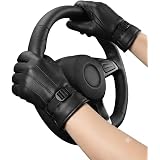
PURESPUN® Genuine Leather Gloves for Men | Premium Winter Driving Gloves | Soft Warm Touchscreen Leather Hand Gloves for Bike Riding, Car Driving, Motorcycle, Travel, Office, Outdoor & Daily Use P1
₹399.00 (as of September 25, 2026 18:14 GMT +05:30 - More infoProduct prices and availability are accurate as of the date/time indicated and are subject to change. Any price and availability information displayed on [relevant Amazon Site(s), as applicable] at the time of purchase will apply to the purchase of this product.)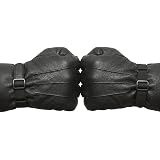
HISXT® Genuine Leather Gloves for Men | Premium Winter Driving Gloves | Soft Warm Touchscreen Leather Gloves for Bike Riding, Car Driving, Motorcycle, Travel, Office, Outdoor & Daily Use G7
₹399.00 (as of September 25, 2026 18:14 GMT +05:30 - More infoProduct prices and availability are accurate as of the date/time indicated and are subject to change. Any price and availability information displayed on [relevant Amazon Site(s), as applicable] at the time of purchase will apply to the purchase of this product.)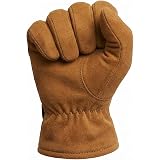
PURE SPUN® Suede Leather Winter Gloves for Men, Genuine Soft Suede Leather Glove with Warm Fleece Lining, Touchscreen Compatible Cold Weather Globe, Winter Driving Gloves for Men, Outdoor Gloves A-2
₹399.00 (as of September 25, 2026 18:14 GMT +05:30 - More infoProduct prices and availability are accurate as of the date/time indicated and are subject to change. Any price and availability information displayed on [relevant Amazon Site(s), as applicable] at the time of purchase will apply to the purchase of this product.)
SSWW Knitted Cotton Plain Winter/Normal Use Hand Gloves Reusable Washable Unisex For Industrial And Work Purpose Cotton Knitted Men & Women Safety
₹149.00 (as of September 25, 2026 18:14 GMT +05:30 - More infoProduct prices and availability are accurate as of the date/time indicated and are subject to change. Any price and availability information displayed on [relevant Amazon Site(s), as applicable] at the time of purchase will apply to the purchase of this product.)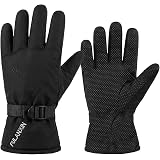
Windproof and Waterproof Winter Hand Gloves for Men and Women | Waterproof Outer Shell, Thermal Fur Lining, Anti-Slip Palm Grip, Touchscreen Fingertips, Adjustable Wrist Strap
₹399.00 (as of September 25, 2026 18:14 GMT +05:30 - More infoProduct prices and availability are accurate as of the date/time indicated and are subject to change. Any price and availability information displayed on [relevant Amazon Site(s), as applicable] at the time of purchase will apply to the purchase of this product.)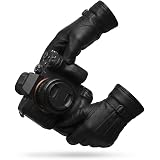
PURESPUN® Genuine Leather Gloves for Men | Premium Winter Driving Gloves | Soft Warm Touchscreen Leather Hand Gloves for Bike Riding, Car Driving, Motorcycle, Travel, Office, Outdoor & Daily Use P21
₹399.00 (as of September 25, 2026 18:14 GMT +05:30 - More infoProduct prices and availability are accurate as of the date/time indicated and are subject to change. Any price and availability information displayed on [relevant Amazon Site(s), as applicable] at the time of purchase will apply to the purchase of this product.)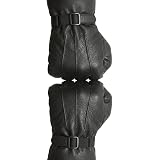
RESWIFT®Genuine Leather Gloves for Men | Premium Winter Driving Gloves | Soft Warm Touchscreen Leather Gloves for Bike Riding, Car Driving, Motorcycle, Travel, Office, Outdoor & Daily Use G4
₹399.00 (as of September 25, 2026 18:14 GMT +05:30 - More infoProduct prices and availability are accurate as of the date/time indicated and are subject to change. Any price and availability information displayed on [relevant Amazon Site(s), as applicable] at the time of purchase will apply to the purchase of this product.)
PURESPUN® Genuine Leather Gloves for Men | Premium Winter Driving Gloves | Soft Warm Touchscreen Leather Hand Gloves for Bike Riding, Car Driving, Motorcycle, Travel, Office, Outdoor & Daily Use P18
₹399.00 (as of September 25, 2026 18:14 GMT +05:30 - More infoProduct prices and availability are accurate as of the date/time indicated and are subject to change. Any price and availability information displayed on [relevant Amazon Site(s), as applicable] at the time of purchase will apply to the purchase of this product.)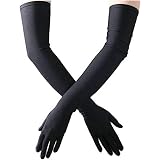
Kuber Industries Unisex Cotton Full Hand Gloves|Sunlight Protection|Soft & Cofortable Glove "1 Pair" (Black)
₹340.00 (as of September 25, 2026 18:14 GMT +05:30 - More infoProduct prices and availability are accurate as of the date/time indicated and are subject to change. Any price and availability information displayed on [relevant Amazon Site(s), as applicable] at the time of purchase will apply to the purchase of this product.)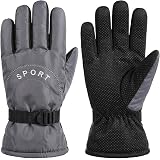
Winter Gloves for Men - Waterproof Windproof Thermal Bike Riding Gloves | Fur Lining Inside for Warm, Bike Grip Anti Slip Fabric, Available in Black Blue and Grey Colours
₹331.55 (as of September 25, 2026 18:14 GMT +05:30 - More infoProduct prices and availability are accurate as of the date/time indicated and are subject to change. Any price and availability information displayed on [relevant Amazon Site(s), as applicable] at the time of purchase will apply to the purchase of this product.)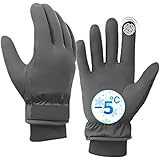
Waterproof Touch Screen Winter Gloves for Men, Splashproof and Windproof, Gloves for Winter Season, For Snow, Minus Degree, Trekking and Traveling, Bike Riding, Cycling for Men and Women
₹349.00 (as of September 25, 2026 18:14 GMT +05:30 - More infoProduct prices and availability are accurate as of the date/time indicated and are subject to change. Any price and availability information displayed on [relevant Amazon Site(s), as applicable] at the time of purchase will apply to the purchase of this product.)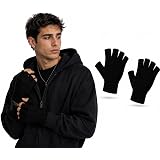
Akido Black Cut Finger Gloves | Fingerless Design, Knitted
₹139.00 (as of September 25, 2026 18:14 GMT +05:30 - More infoProduct prices and availability are accurate as of the date/time indicated and are subject to change. Any price and availability information displayed on [relevant Amazon Site(s), as applicable] at the time of purchase will apply to the purchase of this product.)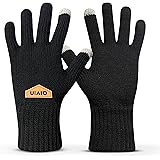
Aivin Swift Winter Touchscreen Gloves Unisex Warm Stretch Knitted Wool Mittens with Touch Screen Capability Woolen Comfort Full-Fingered Protection Stylish Solid Knit Double Layered
₹151.00 (as of September 25, 2026 18:14 GMT +05:30 - More infoProduct prices and availability are accurate as of the date/time indicated and are subject to change. Any price and availability information displayed on [relevant Amazon Site(s), as applicable] at the time of purchase will apply to the purchase of this product.)
PURESPUN®Genuine Leather Gloves for Men | Premium Winter Driving Gloves | Soft Warm Touchscreen Leather Gloves for Bike Riding, Car Driving, Motorcycle, Travel, Office, Outdoor & Daily Use G1
₹399.00 (as of September 25, 2026 18:14 GMT +05:30 - More infoProduct prices and availability are accurate as of the date/time indicated and are subject to change. Any price and availability information displayed on [relevant Amazon Site(s), as applicable] at the time of purchase will apply to the purchase of this product.)
ketmart Winter Men's Half Fingers Gloves Fleece Lined Warm Fingerless Mittens Punk Hip Hop Style for Outdoor Driving, Riding,Yoga, Cycling, Gym, Running Breathable, Anti-Slip, Stretchy(Color_Grey)
₹369.00 (as of September 25, 2026 18:14 GMT +05:30 - More infoProduct prices and availability are accurate as of the date/time indicated and are subject to change. Any price and availability information displayed on [relevant Amazon Site(s), as applicable] at the time of purchase will apply to the purchase of this product.)
Men’s Warm Winter Gloves Lightweight, Comfortable & Everyday Outdoor Gloves
₹125.00 (as of September 25, 2026 18:14 GMT +05:30 - More infoProduct prices and availability are accurate as of the date/time indicated and are subject to change. Any price and availability information displayed on [relevant Amazon Site(s), as applicable] at the time of purchase will apply to the purchase of this product.)