
Best Juicers: Your Ultimate Buying Guide
Navigating the world of juicers can feel overwhelming, with a dizzying array of models, technologies, and price points. Whether you’re a seasoned juicing enthusiast seeking an upgrade or a curious beginner looking to embrace a healthier lifestyle, this comprehensive guide will equip you with the knowledge to make the perfect choice. We’ll delve into the different types of juicers, their pros and cons, key features to consider, and highlight some of the top performers on the market, empowering you to invest in a juicer that aligns with your needs and budget.
Understanding Juicer Technologies: The Foundation of Your Choice
The core difference between juicers lies in their juicing mechanism, which dictates the texture, yield, and nutritional content of your juice. Understanding these technologies is paramount.
1. Centrifugal Juicers: These are the most common and often the most affordable type. They operate at high speeds, using a spinning basket with a fine mesh and a blade. Produce is fed into a chute, where it’s grated and spun at high RPMs, forcing the juice through the mesh.
- Pros: Fast, efficient for hard fruits and vegetables, easy to use and clean, generally budget-friendly.
- Cons: High speed can generate heat, potentially oxidizing nutrients and affecting taste. Less efficient with leafy greens and soft fruits. Juice can be frothy and may separate more quickly.
- Best for: Beginners, those on a budget, individuals who primarily juice hard produce like carrots, apples, and beets.
2. Masticating Juicers (Slow Juicers): These juicers employ a single or twin auger (a screw-like mechanism) that slowly crushes and presses produce against a screen. This low-speed operation (typically 40-110 RPM) minimizes heat and oxidation.
- Pros: Excellent nutrient retention due to low speed, produces less foam and pulp, higher juice yield, superior performance with leafy greens, soft fruits, and wheatgrass. Juice is often smoother and has a longer shelf life.
- Cons: Slower juicing process, generally more expensive than centrifugal models, can be more labor-intensive for some produce.
- Best for: Health-conscious individuals, those prioritizing maximum nutrient intake, juicing leafy greens and soft produce, and those seeking a smoother, less frothy juice.
3. Twin Gear Juicers (Triturating Juicers): A subset of masticating juicers, these feature two intermeshing gears that rotate slowly to grind and press produce. This method is exceptionally efficient, extracting the maximum amount of juice and nutrients.
- Pros: Highest juice yield and nutrient extraction, excellent for hard produce, leafy greens, and even nuts and seeds. Very durable.
- Cons: Most expensive type, can be slower than single-auger masticating juicers, cleaning can be more involved.
- Best for: Serious juicers, those who want the absolute best in terms of yield and nutrition, and those with a larger budget.
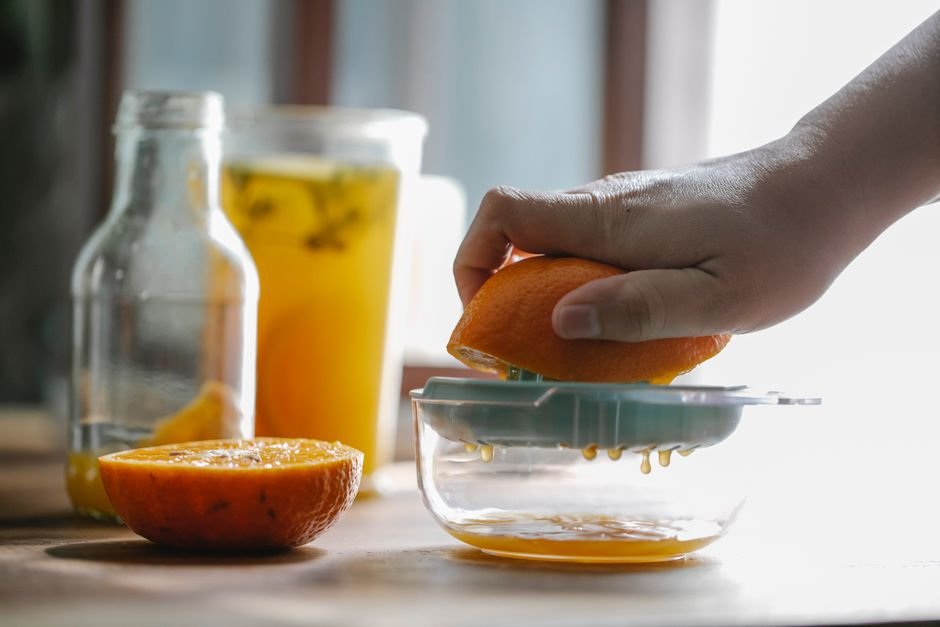
4. Citrus Juicers: These are specialized for citrus fruits. They come in manual, electric, and reamer styles.
- Pros: Simple, effective for citrus, affordable.
- Cons: Limited to citrus fruits.
- Best for: Those who only want to juice oranges, grapefruits, lemons, etc.
Key Features to Consider When Buying a Juicer
Beyond the core technology, several features can significantly impact your juicing experience.
- Motor Power: Higher wattage generally means a more powerful motor, which translates to better performance, especially with hard produce. For centrifugal juicers, 600-1000 watts is a good range. Masticating juicers often have lower wattage but rely on the auger design for efficiency.
- Feed Chute Size: A wider feed chute (2-3 inches or more) means less pre-chopping of fruits and vegetables, saving you time and effort. This is particularly beneficial for centrifugal juicers.
- Ease of Cleaning: This is a crucial factor. Look for juicers with fewer parts, dishwasher-safe components, and efficient pulp ejection systems. Some models come with cleaning brushes.
- Pulp Ejection: How the pulp is handled is important. Some juicers have a continuous pulp ejection system, directing pulp into a separate container, which is convenient for longer juicing sessions. Others require you to stop and empty the pulp bin.
- Material Quality: Stainless steel and BPA-free plastics are common. Stainless steel is generally more durable and hygienic, but can increase the cost.
- Noise Level: Centrifugal juicers tend to be louder than masticating juicers due to their high speeds. If noise is a concern, a masticating juicer is a better choice.
- Stability: A stable juicer with non-slip feet is essential for safe operation.
- Juice Container and Pulp Bin: Consider the size of these. Larger containers mean less frequent emptying.
- Warranty: A good warranty indicates the manufacturer’s confidence in their product’s durability.
Top Juicer Recommendations by Category
Based on extensive research and user reviews, here are some of the best juicers currently available, categorized by their technology:
Best Centrifugal Juicers:
- Breville Juice Fountain Elite (Model BJE820XL): Renowned for its powerful 1000-watt motor and extra-wide 3-inch feed chute, this juicer handles hard produce with ease. It features five-speed settings for optimal juicing of different ingredients and a durable stainless steel cutting disc. The included froth separator is a welcome addition. Its robust construction and efficient performance make it a top choice for those seeking a high-quality centrifugal juicer.
- Cuisinart CJE-1000: This is a fantastic mid-range option offering a good balance of power (1000 watts), a decent-sized feed chute (3 inches), and user-friendly features. It comes with a large pulp container and a 1-liter juice pitcher. The five-speed dial allows for customization, and the locking arm ensures safety. It’s a reliable workhorse for everyday juicing.
- Hamilton Beach Big Mouth Juice Extractor: For those on a tighter budget, this juicer offers excellent value. Its “Big Mouth” feed chute (3 inches) minimizes prep time, and the 800-watt motor is surprisingly capable for its price point. While not as robust as higher-end models, it’s a great entry-level option for occasional juicing.
Best Masticating Juicers (Single Auger):
- Omega NC900HDC: This is a consistently top-rated masticating juicer, lauded for its versatility and durability. The 2 HP motor operates at a slow 80 RPM, preserving nutrients and producing high-quality juice. Its adjustable end cap allows for control over pulp ejection, making it efficient for a wide range of produce. Beyond juicing, it can also be used for making nut butters, sorbets, and baby food, making it a true kitchen multi-tasker.
- Hurom H-AA Slow Juicer: Hurom is synonymous with high-quality masticating juicers. The H-AA model boasts an improved slow-squeezing technology that yields more juice and preserves more nutrients. It features a sleek design, a wide feed chute (though not as wide as some centrifugal models), and a patented strainer that minimizes clogging. Its quiet operation and ease of cleaning are significant advantages.
- Tribest Green Star Elite Juicer (Twin Gear): While technically a twin-gear juicer, the Green Star Elite is often considered in the masticating category due to its slow operation. This juicer is a powerhouse for nutrient extraction, boasting an impressive yield from both hard and leafy greens. Its twin gears are made from durable stainless steel, and the juicing process is exceptionally gentle, minimizing oxidation. It’s an investment for serious juicers.
Best Twin Gear Juicers:
- Super Angel Pro Stainless Steel Juicer: Often hailed as the “Rolls-Royce” of juicers, the Super Angel Pro is built with premium stainless steel and features a powerful yet slow-speed motor. Its twin gears are incredibly efficient, producing a virtually pulp-free juice with maximum nutrient retention. It excels at juicing leafy greens, wheatgrass, and even fibrous vegetables. The self-cleaning system is a convenient feature, though the price point reflects its top-tier performance.
- Kuvings Whole Slow Juicer Elite: While not strictly a twin-gear juicer, the Kuvings Elite offers a wide feed chute (3 inches) that significantly reduces prep time, a feature usually associated with centrifugal models but executed here with slow-juicing technology. It uses a durable drum and a powerful motor to efficiently extract juice from whole fruits and vegetables, minimizing oxidation and maximizing nutrient preservation. Its elegant design and ease of use make it a popular choice for those seeking convenience without compromising on juice quality.
Juicing for Health and Wellness
Incorporating fresh juice into your diet can be a powerful way to boost your nutrient intake, support your immune system, and improve overall well-being. Juicing allows you to consume a concentrated dose of vitamins, minerals, and antioxidants that might be difficult to obtain through whole foods alone. Experiment with different fruit and vegetable combinations to discover your favorite