
Induction Cooktop Benefits: Why They’re Worth the Upgrade
The kitchen, often the heart of the home, is constantly evolving. While gas and traditional electric coil cooktops have long been staples, a new contender has steadily gained prominence: the induction cooktop. Far from a fleeting trend, induction technology offers a compelling suite of benefits that make it a worthwhile upgrade for any home chef, from the novice home cook to the seasoned culinary artist. This article delves deep into the advantages of induction, exploring why investing in this advanced cooking method can significantly enhance your kitchen experience and cooking prowess.
One of the most immediate and noticeable benefits of induction cooking is its unparalleled speed and responsiveness. Unlike conventional electric cooktops that rely on heating elements to transfer heat indirectly to cookware, induction works through electromagnetic fields. When a compatible pot or pan is placed on the cooktop surface, an electric current is passed through a coil beneath the glass. This current generates a magnetic field that directly heats the cookware itself, bypassing the need to heat the surrounding air or the cooktop surface. The result is astonishingly rapid heating. Water can boil in a fraction of the time it takes on a gas or radiant electric cooktop, allowing for quicker meal preparation and a more efficient workflow in the kitchen. This speed is particularly valuable for tasks requiring precise temperature control, such as searing meats or making delicate sauces, where a slight delay in heat adjustment can lead to overcooking or undercooking.
Complementing its speed is induction’s superior energy efficiency. Because the heat is generated directly within the cookware, very little energy is lost to the surrounding environment. Traditional electric cooktops lose a significant amount of heat through radiation from the heating element and the cooktop surface. Gas cooktops, while offering visual heat cues, also suffer from heat loss as flames spread outwards and upwards. Induction, on the other hand, is estimated to be up to 90% efficient, meaning nearly all the energy consumed is transferred directly to the food. This translates into lower energy bills over time and a more sustainable approach to cooking, a factor increasingly important for environmentally conscious consumers. The targeted heating also means less wasted energy heating an empty pan or the kitchen itself, contributing to a cooler and more comfortable cooking environment.
Precise temperature control is another hallmark of induction technology. The electromagnetic field allows for extremely fine-tuned adjustments to heat levels. Many induction cooktops feature a wide range of power settings, often with numerical indicators, allowing users to select a specific temperature with remarkable accuracy. This level of control is crucial for a variety of cooking techniques. For instance, simmering delicate sauces or custards requires consistent, low heat to prevent scorching or curdling. Induction excels at maintaining these low temperatures with unwavering precision. Conversely, achieving the perfect sear on a steak requires intense, immediate heat, something induction can deliver instantly and then be dialed back just as quickly. This responsiveness eliminates the guesswork often associated with traditional cooktops, leading to more consistent and professional results in your home cooking.
The safety features inherent to induction cooktops are a significant draw for many households, especially those with children or individuals prone to accidental burns. Since the cooktop surface itself does not get hot, the risk of burns from touching the surface is drastically reduced. Heat is generated within the cookware, meaning the cooktop surface only warms up as a byproduct of residual heat from the pan. Many induction units also feature automatic shut-off functions, which engage when cookware is removed from the burner or if a boil-dry condition is detected. Furthermore, the absence of open flames, as found in gas cooktops, eliminates the risk of gas leaks or accidental ignition of flammable materials. This enhanced safety profile provides peace of mind for families and individuals seeking a more secure kitchen environment.
Ease of cleaning is a benefit that cannot be overstated, especially for busy individuals. The smooth, flat glass-ceramic surface of an induction cooktop is exceptionally easy to wipe clean. Unlike gas burners with grates and drip pans, or electric coil cooktops with their intricate designs, spills and splatters on an induction surface can be wiped away with a damp cloth or sponge. Because the surface doesn’t get intensely hot, food spills are less likely to burn on and become difficult to remove. This makes post-meal cleanup a much less daunting task, allowing you to spend more time enjoying your culinary creations and less time scrubbing. The seamless design also contributes to a modern and streamlined aesthetic in the kitchen.
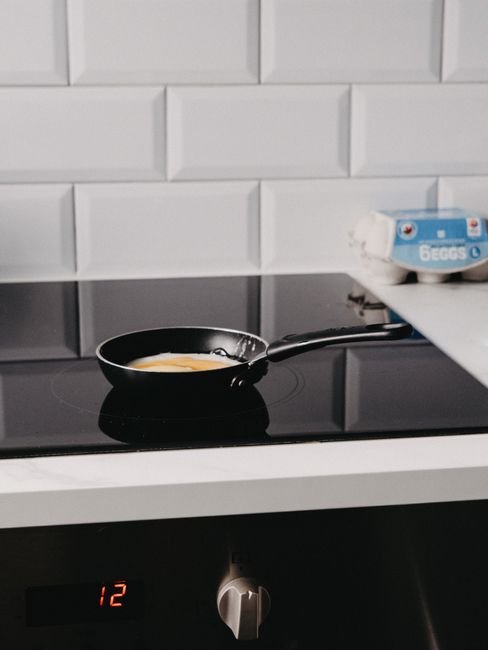
The sleek aesthetics and modern design of induction cooktops are also a compelling factor for many homeowners undertaking kitchen renovations or upgrades. The flat, minimalist glass surface integrates seamlessly into countertops, creating a clean and sophisticated look. This modern aesthetic can elevate the overall appearance of your kitchen, making it feel more contemporary and high-end. The absence of protruding knobs or grates contributes to this streamlined appeal, offering a less cluttered and more visually pleasing workspace. For those who prioritize both functionality and form, induction cooktops offer a significant design advantage.
It is important to note that induction cooking requires specific cookware. This is not a drawback, but rather a characteristic of the technology. Induction-compatible cookware contains ferromagnetic materials (iron or steel) in its base, which allows it to interact with the magnetic field. Common signs of compatible cookware include a magnet sticking firmly to the bottom of the pot or pan. Most modern cookware is induction-ready, and many manufacturers clearly label their products as such. While this might require a small initial investment in new pots and pans, the benefits in terms of cooking performance, efficiency, and longevity of the cookware often justify the cost. The durability and even heating of induction-compatible cookware can also lead to better cooking results and longer lifespan for your kitchen essentials.
The improved air quality in the kitchen is another often-overlooked benefit of induction cooktops. Gas cooktops release combustion byproducts, such as nitrogen dioxide and carbon monoxide, into the air, which can be detrimental to indoor air quality. While kitchen ventilation systems can mitigate this, induction cooktops eliminate this source of indoor pollution entirely. By not burning fuel, induction cooking contributes to a healthier and fresher environment within your home, especially important for those with respiratory sensitivities. This makes the kitchen a more pleasant and healthier space to spend time in.
The consistent and even heating provided by induction technology ensures that food cooks uniformly. Unlike radiant electric cooktops where hot spots can develop, or gas flames that can create uneven heating patterns, induction’s direct heating of the cookware promotes even heat distribution across the entire cooking surface. This means your food will cook more evenly, reducing the likelihood of burnt edges and undercooked centers. This consistency is crucial for achieving perfectly cooked dishes, from baked goods to sautéed vegetables, and contributes to a more enjoyable and less frustrating cooking experience.
In summary, the transition to an induction cooktop offers a transformative upgrade to any kitchen. Its remarkable speed, exceptional energy efficiency, precise temperature control, enhanced safety features, effortless cleaning, modern aesthetics, and contribution to improved air quality collectively present a compelling case for its adoption. While the need for compatible cookware is a consideration, the long-term advantages in terms of cooking performance, cost savings, and overall kitchen experience make induction a truly worthwhile investment for any discerning home chef. The future of cooking is here, and it’s powered by induction.