
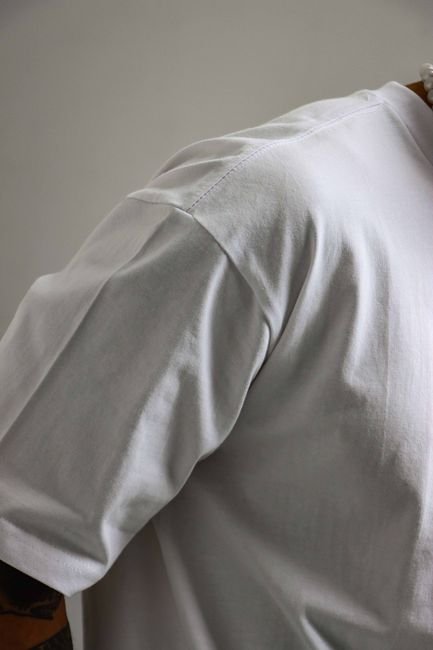
The Ultimate Guide to Choosing Your Perfect Cotton T-Shirt
The humble cotton t-shirt, a cornerstone of casual wear, often feels like a simple choice. Yet, delve beneath the surface, and you’ll discover a world of nuance that separates a forgettable basic from a cherished wardrobe staple. Choosing the perfect cotton t-shirt involves understanding fabric weight, weave, fit, and construction – factors that dictate comfort, durability, and overall aesthetic. This comprehensive guide will equip you with the knowledge to navigate the sea of options and find the cotton tee that truly sings to your personal style and needs.
Understanding Cotton: The Foundation of Comfort
At its core, the cotton t-shirt owes its enduring popularity to the natural properties of cotton itself. This versatile plant fiber is known for its breathability, softness, and absorbency, making it ideal for everyday wear. However, not all cotton is created equal. The quality and type of cotton used significantly impact the final garment.
-
Pima Cotton: Often hailed as a superior cotton, Pima boasts exceptionally long staple fibers. This means fewer fibers are exposed on the surface, resulting in a smoother, softer feel and increased durability. Pima cotton is less prone to pilling and holds its shape better over time. Look for t-shirts explicitly labeled as Pima cotton for a luxurious experience.
-
Egyptian Cotton: Similar to Pima, Egyptian cotton is renowned for its long staple fibers. It offers exceptional softness, strength, and a beautiful sheen. While often more expensive, Egyptian cotton t-shirts provide a premium feel and remarkable longevity.
-
Supima Cotton: This is a trademarked designation for 100% American-grown Pima cotton. The Supima Association rigorously certifies its quality, guaranteeing long staple fibers and superior softness. Supima cotton t-shirts are a reliable choice for exceptional comfort and durability.
-
Organic Cotton: For the environmentally conscious, organic cotton is the way to go. Grown without synthetic pesticides, herbicides, or genetically modified seeds, it’s a healthier choice for both the planet and your skin. While the fiber properties are similar to conventional cotton, the production methods are significantly more sustainable.
-
Recycled Cotton: This option diverts textile waste from landfills. While the feel can vary depending on the recycling process, it’s a commendable choice for those prioritizing circular fashion.
The Importance of Fabric Weight: From Feather-Light to Robust
Fabric weight, measured in ounces per square yard (oz/yd²) or grams per square meter (gsm), is a crucial determinant of a t-shirt’s drape, warmth, and durability. Understanding these weights will help you select the right tee for different seasons and purposes.
-
Lightweight (3-4.5 oz/yd² or 100-150 gsm): These t-shirts are exceptionally breathable and perfect for hot weather. They offer a relaxed, airy feel and are ideal for layering under lighter jackets or wearing on their own during summer. However, they can be more prone to stretching and may not offer as much opacity.
-
Midweight (4.5-6 oz/yd² or 150-200 gsm): This is the sweet spot for most t-shirts, offering a balance of comfort, durability, and versatility. Midweight tees are substantial enough to wear on their own without being too warm, and they hold their shape well. They are suitable for year-round wear in moderate climates.
-
Heavyweight (6 oz/yd² or 200+ gsm): These t-shirts are built to last and offer a more structured, substantial feel. They provide excellent warmth, making them ideal for cooler weather or as a base layer under heavier outerwear. Heavyweight tees are incredibly durable and resist stretching and pilling exceptionally well. They also offer superior opacity.
Weave Matters: The Subtle Art of Texture
While most cotton t-shirts are made from a jersey knit, variations in the weave can subtly alter the texture and appearance.
-
Jersey Knit: This is the standard knit for t-shirts, characterized by its smooth, slightly stretchy, and soft texture. It has a distinct right and wrong side, with the right side being smoother and the wrong side having loops.
-
Rib Knit: This knit features raised vertical ribs, creating a more textured and often more fitted appearance. Rib knit t-shirts are typically more elastic and can offer a snugger feel.
-
Waffle Knit: This distinctive weave creates a dimpled, honeycomb-like pattern. Waffle knit t-shirts are highly breathable and excellent at trapping air for warmth, making them ideal for thermal layers.
-
Slub Cotton: This refers to yarn that has been intentionally created with uneven thickness, resulting in a textured, slightly irregular appearance. Slub cotton t-shirts offer a relaxed, vintage-inspired look and feel.
Decoding the Fit: Finding Your Silhouette
The fit of a t-shirt can dramatically change its overall look and feel. Understanding different fits will help you achieve the desired silhouette.
-
Slim Fit: Designed to be more form-fitting, a slim fit t-shirt contours to the body without being overly tight. It offers a modern, streamlined look and is excellent for layering. Ensure the fabric has enough stretch for comfort.
-
Regular/Classic Fit: This is the most common and versatile fit. It offers a relaxed silhouette that is neither too tight nor too loose. A regular fit t-shirt drapes comfortably and is suitable for most body types and occasions.
-
Relaxed/Loose Fit: As the name suggests, this fit is looser and more spacious, offering maximum comfort and freedom of movement. It has a casual, laid-back aesthetic and is perfect for lounging or active pursuits.
-
Oversized Fit: This trend-driven fit is intentionally baggy and voluminous, often extending past the hips. It’s a statement piece that can be styled in various ways, from pairing with slim-fit bottoms to layering over other garments.
Construction and Details: The Unsung Heroes
Beyond the fabric and fit, the construction and detailing of a t-shirt contribute significantly to its quality and longevity.
-
Seams: Look for well-constructed seams that are neatly finished. Double-stitched seams, particularly along the hem and sleeves, indicate higher quality and greater durability. Flatlock seams are often found on athletic wear and provide a smooth, chafe-free feel.
-
Collar: The collar is a critical element that can make or break a t-shirt’s appearance.
- Crew Neck: The classic, rounded neckline. A well-constructed crew neck should sit comfortably without being too tight or too loose. Look for a ribbed collar that maintains its shape.
- V-Neck: Offers a more open neckline that can elongate the neck. The depth of the V can vary, so choose one that flatters your individual style and comfort level.
- Henley: Features a placket with a few buttons. This adds a touch of detail and allows for adjustable neckline coverage.
-
Sleeves:
- Set-in Sleeves: The most common type, where the sleeve is sewn into the armhole.
- Raglan Sleeves: The sleeve seam runs diagonally from the underarm to the neckline. This offers greater freedom of movement and a distinct sporty look.
-
Hem: A double-stitched hem provides extra durability and prevents fraying.
Care and Maintenance: Preserving Your Cotton Tee
To ensure your perfect cotton t-shirt remains a beloved part of your wardrobe for years to come, proper care is essential.
-
Washing: Always check the care label. Generally, washing cotton t-shirts in cold or lukewarm water with a mild detergent is recommended. Turn t-shirts inside out to protect the outer surface and any graphics. Avoid harsh detergents and bleach, which can degrade the fibers.
-
Drying: Air-drying is the gentlest method for cotton. If using a dryer, opt for a low heat setting to minimize shrinkage and damage. Remove t-shirts while slightly damp to prevent over-drying.
-
Ironing: If ironing is necessary, use a medium heat setting. Ironing on the reverse side can help maintain the fabric’s texture and prevent shine.
By considering these multifaceted aspects – from the origin of the cotton to the intricacies of its construction – you can elevate the simple act of choosing a t-shirt into a deliberate selection process. Investing time in understanding these details will lead you to cotton t-shirts that not only look good but feel exceptional, offering comfort and style that stands the test of time.