
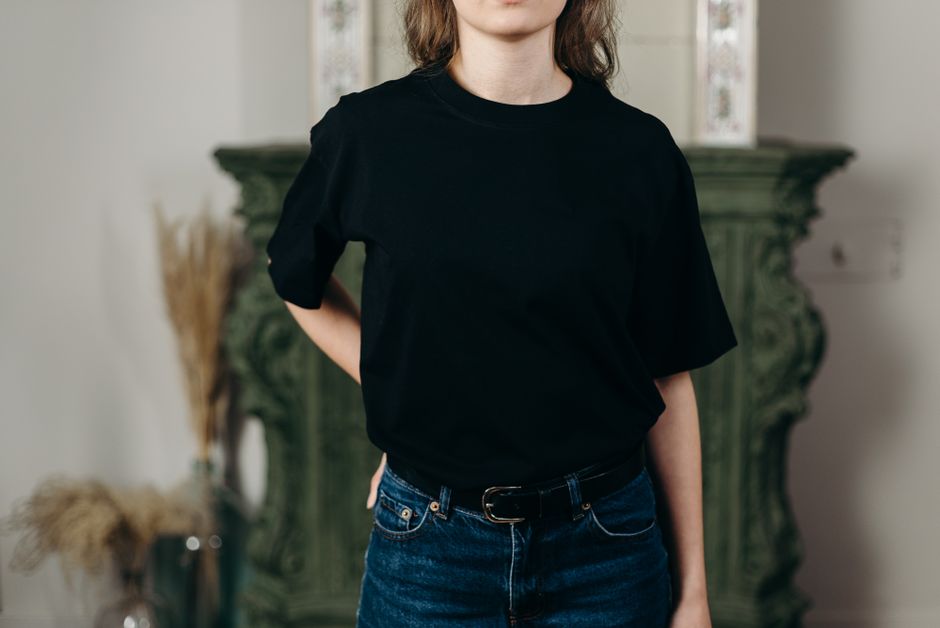
Cotton T-Shirts: A Timeless Fashion Staple
The humble cotton t-shirt, a seemingly simple garment, has transcended its utilitarian origins to become a true titan of the fashion world. Its enduring popularity is a testament to its unparalleled comfort, versatility, and accessibility, making it an indispensable item in wardrobes across the globe. From its unassuming beginnings to its status as a canvas for self-expression, the cotton t-shirt’s journey is a fascinating exploration of fashion, culture, and everyday life.
The magic of the cotton t-shirt lies fundamentally in its material. Cotton, a natural fiber derived from the cotton plant, offers a unique combination of breathability, softness, and absorbency. These inherent qualities make cotton t-shirts exceptionally comfortable against the skin, especially in warmer climates or during physical activity. Unlike synthetic fabrics that can trap heat and moisture, cotton allows air to circulate, keeping the wearer cool and dry. This breathability is a key factor in its widespread adoption for everyday wear. Furthermore, the inherent softness of cotton fibers provides a gentle feel, minimizing irritation and contributing to the t-shirt’s reputation as a comfort-first garment. The natural fibers also possess excellent absorbency, making them ideal for wicking away sweat, a crucial attribute for active lifestyles.
Beyond its material benefits, the t-shirt’s design is a marvel of simplicity and functionality. Its basic silhouette – a crew neck, short sleeves, and a straight cut – is universally flattering and unrestrictive. This minimalist design has proven remarkably adaptable, serving as a blank slate for countless stylistic interpretations. The simplicity allows it to be effortlessly integrated into a vast array of outfits, from casual weekend wear to more polished ensembles. This inherent adaptability is a cornerstone of its timeless appeal.
The historical trajectory of the cotton t-shirt is a compelling narrative. Initially conceived as underwear for laborers in the late 19th century, its practical design and comfort soon led to its adoption for casual wear. World War II saw the t-shirt gain wider recognition as a symbol of American servicemen. By the mid-20th century, Hollywood icons like Marlon Brando and James Dean elevated the plain white t-shirt into a symbol of rebellion and cool. This cultural shift transformed the t-shirt from mere undergarment to a statement piece, forever altering its perception in the fashion landscape. The rise of youth culture and the subsequent embrace of casual dressing cemented the t-shirt’s place as a staple.
The versatility of the cotton t-shirt is perhaps its most defining characteristic. It is a chameleon of the wardrobe, effortlessly transitioning between different aesthetics and occasions. A plain white or black cotton t-shirt forms the foundation of countless outfits. It can be paired with jeans for a classic casual look, tucked into a skirt for a more feminine vibe, or layered under a blazer for a smart-casual ensemble. Graphic tees, emblazoned with logos, band names, artwork, or slogans, offer a powerful avenue for personal expression. They allow individuals to broadcast their interests, affiliations, and opinions, turning a simple garment into a wearable billboard. Vintage t-shirts, with their faded colors and unique prints, evoke a sense of nostalgia and individuality, adding a touch of history and character to any look.
The t-shirt’s adaptability extends to its styling. The way it’s worn can dramatically alter its impact. Rolling up the sleeves can add a touch of ruggedness or a relaxed feel. Tucking it in or leaving it untucked offers different stylistic nuances. Knotting the hem can create a more playful or cropped silhouette. Layering is another key aspect of t-shirt styling. Underneath a denim jacket, a leather biker jacket, or a crisp button-down shirt, the t-shirt adds depth and texture to an outfit. Over a long-sleeved shirt, it can create a visually interesting contrast.
The environmental impact of cotton production is an increasingly important consideration. While cotton is a natural and biodegradable fiber, its cultivation can be water-intensive and may involve the use of pesticides. The rise of organic cotton has provided a more sustainable alternative. Organic cotton is grown without synthetic pesticides, herbicides, or genetically modified seeds, leading to a reduced environmental footprint. Choosing t-shirts made from organic cotton is a conscious decision that supports more ethical and environmentally friendly fashion practices. Furthermore, brands are increasingly focusing on recycled cotton, which repurposes pre-consumer and post-consumer cotton waste, further diverting materials from landfills and reducing the need for virgin resources.
The t-shirt market is incredibly diverse, catering to every budget and preference. From mass-produced fast fashion to artisanal, ethically sourced brands, there is a cotton t-shirt for everyone. The pricing reflects the quality of the cotton, the manufacturing process, and the brand’s ethos. High-quality cotton, such as Pima or Supima cotton, known for its longer fibers and exceptional softness, often comes at a higher price point. Similarly, brands committed to fair labor practices and sustainable production methods may command premium prices. However, the accessibility of affordable cotton t-shirts ensures that this wardrobe essential remains within reach for the vast majority of consumers.
The enduring appeal of the cotton t-shirt is not merely about its material or design; it’s about its cultural significance. It has been a canvas for protest, a symbol of belonging, and a medium for artistic expression. From the iconic “I Heart NY” tees to band merchandise that signifies musical allegiance, t-shirts have become a powerful tool for communication and identity. They are worn by everyone, from toddlers to grandparents, bridging generational divides and embodying a spirit of inclusivity. The t-shirt’s democratic nature makes it a truly universal garment.
The evolution of the cotton t-shirt continues. Designers are experimenting with new cuts, finishes, and blends, while consumers are increasingly seeking out t-shirts that align with their values, whether it be sustainability, ethical production, or supporting independent artists. The t-shirt’s ability to adapt and remain relevant speaks volumes about its inherent design and its deep connection to human culture. It is a testament to the power of simplicity, comfort, and self-expression, ensuring its status as a timeless fashion staple for generations to come. The sheer volume of t-shirts produced and consumed globally underscores its fundamental role in modern attire. Its presence in virtually every retail environment, from department stores to independent boutiques, solidifies its ubiquity. The ease of care, often machine washable and tumble dryable, further contributes to its practicality and widespread adoption. This combination of comfort, style, and practicality has cemented the cotton t-shirt’s position as an unwavering pillar of contemporary fashion.