
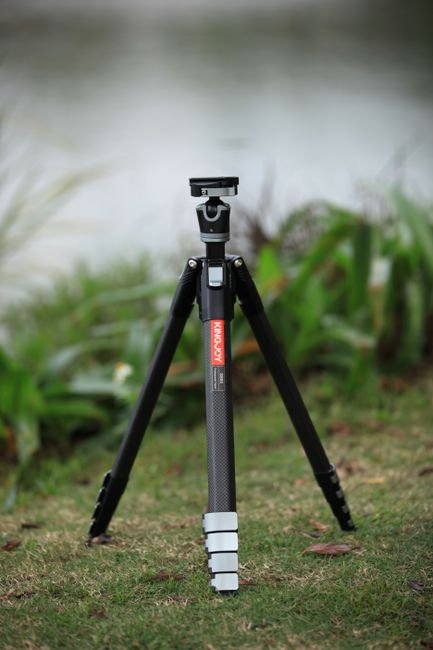
Best Tripods for Photography: A Comprehensive Guide
A tripod is an indispensable tool for any serious photographer. It provides stability, allowing for sharper images, longer exposures, and precise framing. Choosing the right tripod can feel overwhelming, with a vast array of options catering to different needs and budgets. This comprehensive guide will demystify the process, highlighting key features, materials, and recommending top-tier tripods across various categories to help you find your perfect photographic companion.
Understanding Tripod Anatomy and Key Features
Before diving into specific recommendations, it’s crucial to understand the components and features that define a tripod’s performance and suitability for your photography.
- Legs: The foundation of any tripod. Key considerations include the number of leg sections (more sections mean a more compact folded size but can be less stable), leg lock type (flip locks are generally faster and more durable than twist locks), and leg angle adjustments (allowing for low-angle shots and improved stability on uneven terrain).
- Center Column: This vertical post allows you to adjust the height of your camera without needing to reposition the legs. Some tripods offer reversible center columns for macro photography or a rapid column for quick height adjustments.
- Head: This is where your camera attaches and is controlled. Tripod heads come in various types, each suited for different shooting styles.
- Ball Head: Offers a wide range of motion, allowing for quick and intuitive camera positioning. Ideal for general photography, travel, and situations where speed is important.
- Pan-and-Tilt Head (3-Way Head): Provides independent control over pan, tilt, and horizon adjustments. Offers greater precision for architectural photography, landscapes, and still life.
- Gimbal Head: Specifically designed for long telephoto lenses, providing exceptional balance and smooth panning. Essential for wildlife and sports photography.
- Fluid Head: Primarily used for video, offering incredibly smooth and controlled movements. Some photographers also use them for precise still photography.
- Payload Capacity: This indicates the maximum weight the tripod and head can safely support. Always choose a tripod with a payload capacity significantly higher than your camera and lens combination to ensure stability and longevity.
- Material: The choice of material impacts weight, durability, and price.
- Aluminum: More affordable and durable, but heavier.
- Carbon Fiber: Lighter and more vibration-dampening, but more expensive.
- Height: Consider the maximum and minimum height the tripod can achieve. A good tripod should allow you to bring the viewfinder to eye level without fully extending the center column for maximum stability.
- Weight: While stability is paramount, portability is also a factor. Carbon fiber tripods excel in this area.
Top Tripod Recommendations by Category
The “best” tripod is subjective and depends on your specific photographic needs. Here are some of the most highly regarded options across different categories:
Best All-Around Tripod: Gitzo Mountaineer Series
Gitzo has long been synonymous with professional-grade tripods, and the Mountaineer series is a testament to their engineering prowess. Constructed from high-quality carbon fiber, these tripods offer an exceptional balance of lightweight portability, robust stability, and durability. Their innovative leg locking systems (often a combination of twist locks and a unique Anti-Leg Rotation system) ensure quick setup and secure positioning. The included ball heads are precise and smooth, providing excellent control for a wide range of photographic scenarios, from landscapes to portraits. While an investment, a Gitzo Mountaineer tripod is built to last a lifetime and will significantly enhance your photographic workflow.
Best Budget-Friendly Tripod: Manfrotto Compact Action Aluminum Tripod
For photographers on a tighter budget or those just starting out, the Manfrotto Compact Action offers remarkable value. This aluminum tripod is surprisingly sturdy for its price point and features a unique joystick-style head that makes framing quick and intuitive. It’s lightweight and compact, making it an excellent choice for travel and general everyday photography. While it won’t offer the same level of refinement or load capacity as premium options, it provides a solid foundation for sharper images and is a significant upgrade from handheld shooting.
Best Travel Tripod: Peak Design Travel Tripod
Peak Design has revolutionized the travel tripod market with its innovative and incredibly compact design. The Travel Tripod folds down to the diameter of a water bottle, making it astonishingly portable. Despite its small folded size, it extends to a respectable height and offers impressive stability thanks to its robust construction and cleverly designed legs. The integrated ball head is smooth and precise, and features like the quick-release plate and magnetic anchor points add to its user-friendly nature. It’s an ideal companion for photographers who prioritize portability without compromising on performance.
Best Heavy-Duty Tripod: Really Right Stuff TVC-24L
For landscape photographers, wildlife enthusiasts using large lenses, or anyone requiring absolute rock-solid stability, a heavy-duty tripod is essential. Really Right Side (RRS) is renowned for its uncompromising quality and engineering. The TVC-24L is a prime example, built from high-strength carbon fiber and featuring a substantial leg diameter that minimizes vibration and maximizes load-bearing capacity. The precision-machined components and intuitive locking mechanisms ensure effortless setup and unwavering support for even the heaviest camera and lens combinations. RRS tripods are an investment, but their durability and performance are unparalleled.
Best Gimbal Head for Telephoto Lenses: Benro GH2 Gimbal Head
When photographing fast-moving subjects with long telephoto lenses, a gimbal head is indispensable. The Benro GH2 is a highly respected option that offers exceptional balance, fluid movement, and robust support. It allows you to effortlessly pan and tilt your camera and lens with minimal effort, tracking subjects with remarkable precision. The GH2’s lightweight yet strong construction, coupled with its smooth operation, makes it a favorite among wildlife and sports photographers.
Best Ball Head for Versatility: Really Right Stuff BH-55
Really Right Side’s ball heads are legendary for their precision, smoothness, and locking power. The BH-55 is a top-tier choice that excels in versatility. Its large ball diameter provides a wide range of motion, while the precise tension control allows for fine-tuning of movement. The integrated panning base offers smooth horizontal adjustments, and the robust locking mechanism ensures your camera stays exactly where you place it. This head is ideal for photographers who demand the highest level of control and accuracy.
Best Entry-Level Ball Head: Manfrotto XPRO Ball Head
For photographers seeking a capable and reliable ball head without breaking the bank, the Manfrotto XPRO Ball Head is an excellent choice. It offers smooth ball movement, a secure locking mechanism, and a decent payload capacity for most enthusiast setups. The quick-release plate system is convenient, and the overall build quality is solid for its price. It’s a significant step up in performance and usability from basic pan-and-tilt heads found on many entry-level tripods.
Choosing the Right Tripod for Your Needs
To make an informed decision, consider these questions:
- What type of photography do you primarily do? Landscapes, portraits, wildlife, macro, architecture, or general travel?
- What is the weight of your heaviest camera and lens combination? Always factor in extra weight for accessories like flashes or filters.
- How important is portability? Do you hike extensively, or will the tripod mostly stay in your car or studio?
- What is your budget? Tripods range from under $100 to over $1000.
- Do you need specific features like a reversible center column for macro or a gimbal head for wildlife?
By carefully assessing your needs and understanding the features and benefits of different tripod types and models, you can invest in a tool that will elevate your photography for years to come. A good tripod is not just an accessory; it’s an investment in sharper images, creative possibilities, and a more enjoyable photographic experience.