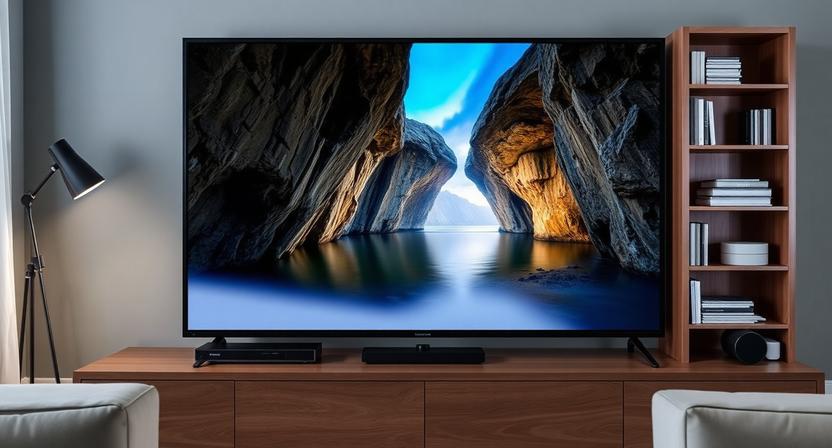
The pursuit of the perfect home theater experience often centers on achieving a visual fidelity that transports viewers directly into the on-screen action. In this quest, the 55-inch Dolby Vision TV has emerged as a cornerstone of modern entertainment, offering a compelling blend of immersive screen size and revolutionary visual enhancement. This article delves deep into what makes a 55-inch Dolby Vision TV the ultimate upgrade for any discerning cinephile, exploring its technical prowess, benefits, and the considerations for integrating it into your home.
The Magic of Dolby Vision: Beyond HDR
While High Dynamic Range (HDR) has become a buzzword in display technology, Dolby Vision represents a significant leap forward. It’s not merely a standard; it’s a comprehensive end-to-end solution for premium HDR content. The core of Dolby Vision lies in its dynamic metadata. Unlike static HDR10, which applies a single set of brightness and color information across the entire film, Dolby Vision analyzes each scene, and often each frame, to optimize the picture in real-time. This means that every shadow is rendered with exquisite detail, and every highlight possesses a breathtaking luminosity, without clipping or washout.
For the viewer, this translates to a dramatically more lifelike and engaging image. Colors are richer, more nuanced, and more accurate. The contrast between the brightest whites and the deepest blacks is significantly expanded, creating a tangible sense of depth and dimensionality. Imagine watching a starlit night sky; with Dolby Vision, you’ll see individual stars with pinpoint clarity against an inky blackness, rather than a washed-out gray. Or consider a vibrant sunset; the subtle gradations of orange, pink, and purple will be rendered with astonishing fidelity, creating a breathtaking spectacle. This dynamic optimization ensures that the director’s intended vision is faithfully reproduced, regardless of the viewing environment.
The Sweet Spot: Why 55 Inches is Ideal
The 55-inch screen size strikes an almost perfect balance for a wide range of living spaces and viewing distances. It’s large enough to provide a genuinely immersive cinematic experience, drawing you into the on-screen world without overwhelming your room. For many, it’s the ideal size for a primary living room television, offering a significant upgrade from smaller sets without demanding a dedicated home theater room.
At a typical viewing distance of 5-8 feet, a 55-inch screen fills a substantial portion of your field of vision, mimicking the experience of sitting in a cinema. This size also avoids the potential for pixel visibility that can occur with larger screens at closer distances, ensuring a consistently sharp and detailed image. Furthermore, 55-inch TVs are often more affordable than their larger counterparts, making the advanced Dolby Vision technology more accessible. This size also fits comfortably on most TV stands and is manageable for wall-mounting, offering flexibility in your home theater setup.
Unpacking the Technical Prowess: What to Look For
When seeking a 55-inch Dolby Vision TV, several technical specifications contribute to the overall picture quality.
- Panel Type: OLED and high-end QLED (Quantum Dot LED) panels are generally considered the best for Dolby Vision. OLEDs offer perfect blacks and infinite contrast due to their self-emissive pixels, making them exceptional for HDR content. QLEDs, with their advanced local dimming capabilities, can achieve impressive brightness levels and vibrant colors, also excelling with Dolby Vision.
- Peak Brightness: For Dolby Vision to truly shine, the TV needs to be able to reach high peak brightness levels. This allows for those dazzling highlights and specular details that define HDR. Look for TVs with peak brightness ratings of at least 600 nits, with higher being better for a more impactful Dolby Vision experience.
- Color Gamut and Accuracy: Dolby Vision relies on a wide color gamut (like DCI-P3) to display billions of colors with incredible accuracy. A TV that can cover a significant percentage of the DCI-P3 color space will deliver the vibrant and true-to-life hues that Dolby Vision is known for.
- Local Dimming (for QLED/Mini-LED): For non-OLED displays, advanced local dimming technology is crucial. This involves dividing the backlight into numerous zones that can be independently controlled. More dimming zones allow for finer control over contrast, preventing blooming (light haloing around bright objects) and enhancing the black levels, which is essential for maximizing the impact of Dolby Vision.
- Refresh Rate and Motion Handling: A high refresh rate (120Hz is ideal) and excellent motion processing are important for smooth and fluid on-screen action, especially during fast-paced movies and sports. This prevents motion blur and judder, ensuring that the incredible detail of Dolby Vision content remains clear and sharp even during rapid movement.
- Processor: The TV’s internal processor plays a vital role in upscaling lower-resolution content to near-4K and optimizing HDR performance. A powerful processor ensures that the Dolby Vision processing is handled efficiently, leading to a consistently stunning image.
The Dolby Vision Ecosystem: Content is Key
The true magic of a Dolby Vision TV is unlocked when you feed it Dolby Vision content. Fortunately, the ecosystem is rapidly expanding. Streaming services like Netflix, Disney+, Apple TV+, and HBO Max are major proponents of Dolby Vision, offering a vast library of movies, TV shows, and documentaries in this premium format. Blu-ray discs, particularly 4K Ultra HD Blu-rays, are also a fantastic source of Dolby Vision content, often providing the highest possible fidelity.
Gaming is another exciting frontier for Dolby Vision. Next-generation consoles like the Xbox Series X/S and PlayStation 5 support Dolby Vision gaming, offering enhanced visual realism with improved contrast and color. This means that your gaming worlds will look more vibrant, detailed, and immersive than ever before.
Integrating Your 55-Inch Dolby Vision TV into Your Home Theater
Beyond the TV itself, consider these elements for a complete home theater upgrade:
- Sound System: While a Dolby Vision TV provides an unparalleled visual experience, a robust audio system is essential to match it. Consider a soundbar with Dolby Atmos support or a full surround sound setup to create an truly immersive sonic environment.
- Source Devices: Ensure your streaming devices (e.g., Apple TV 4K, Nvidia Shield TV Pro) and Blu-ray players are capable of outputting Dolby Vision content.
- HDMI Cables: Use certified High-Speed HDMI cables (HDMI 2.0 or 2.1) to ensure you can transmit the high bandwidth required for 4K HDR and Dolby Vision signals without any degradation.
- Room Lighting: While Dolby Vision excels in various lighting conditions, a controlled environment can further enhance the experience. Minimizing ambient light, especially during daytime viewing, will allow the TV’s dynamic range to truly shine.
The Future of Home Entertainment is Here
A 55-inch Dolby Vision TV is more than just a television; it’s a gateway to a new era of home entertainment. It represents a commitment to visual excellence, offering an experience that is both breathtakingly realistic and deeply engaging. By understanding the technology behind Dolby Vision, the ideal screen size, and the key technical specifications, you can make an informed decision that will elevate your movie nights, gaming sessions, and everyday viewing into truly extraordinary events. This investment in a 55-inch Dolby Vision TV is an investment in unparalleled visual storytelling, bringing the magic of the cinema directly into your living room.
VW Visio World 190 cm (75 inches) 4K Ultra HD QLED Smart Mini LED Google TV VW75GQ2
₹63,999.00 (as of October 13, 2026 00:26 GMT +05:30 - More infoProduct prices and availability are accurate as of the date/time indicated and are subject to change. Any price and availability information displayed on [relevant Amazon Site(s), as applicable] at the time of purchase will apply to the purchase of this product.)
Samsung 43 inch (108cm) FHD Smart LED 2026 TV | HDR10+ | 150+ Channels | Voice Assistance Remote | PurColor | Contrast Enhancer | Knox Security | UA43F5650FUXXL
₹22,990.00 (as of October 13, 2026 00:26 GMT +05:30 - More infoProduct prices and availability are accurate as of the date/time indicated and are subject to change. Any price and availability information displayed on [relevant Amazon Site(s), as applicable] at the time of purchase will apply to the purchase of this product.)
UNICRON 24 Inch HD LED TV Non Smart 20W Sound Output, Premuim Slim Design Crystal Clear Display with HDMI & USB Ports, Ideal for Home, Office & Monitor Security
₹5,799.00 (as of October 13, 2026 00:26 GMT +05:30 - More infoProduct prices and availability are accurate as of the date/time indicated and are subject to change. Any price and availability information displayed on [relevant Amazon Site(s), as applicable] at the time of purchase will apply to the purchase of this product.)
24 inch smart tv Android Frameless HD LED TV | WiFi Enabled | Built-in Apps Compatible (YouTube, Netflix, Prime Video) | HDMI, USB Connectivity | Screenmirror | Slim & Stylish | Black Premium Design
₹7,399.00 (as of October 13, 2026 00:26 GMT +05:30 - More infoProduct prices and availability are accurate as of the date/time indicated and are subject to change. Any price and availability information displayed on [relevant Amazon Site(s), as applicable] at the time of purchase will apply to the purchase of this product.)
UNICRON TE 24” INCH HD Ready Android Smart LED TV, WiFi Enabled, 30W Sound Speaker, Built-in Apps Compatible (YouTube, Netflix, Prime Video), Mobile Screencast
₹7,395.00 (as of October 13, 2026 00:26 GMT +05:30 - More infoProduct prices and availability are accurate as of the date/time indicated and are subject to change. Any price and availability information displayed on [relevant Amazon Site(s), as applicable] at the time of purchase will apply to the purchase of this product.)
Visio World VW 60 cm (24 Inches) SmartChoice HD Ready QLED TV VW24S2
₹5,299.00 (as of October 13, 2026 00:26 GMT +05:30 - More infoProduct prices and availability are accurate as of the date/time indicated and are subject to change. Any price and availability information displayed on [relevant Amazon Site(s), as applicable] at the time of purchase will apply to the purchase of this product.)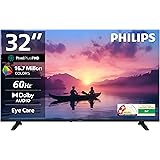
PHILIPS 80 cm (32 inches) 6100 Series Frameless HD Smart LED Google TV 32PFT6130/94
₹14,599.00 (as of October 13, 2026 00:26 GMT +05:30 - More infoProduct prices and availability are accurate as of the date/time indicated and are subject to change. Any price and availability information displayed on [relevant Amazon Site(s), as applicable] at the time of purchase will apply to the purchase of this product.)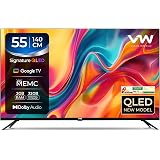
VW VISIO World 140 cm (55 Inches) SmartChioce Pro Series 4K Ultra HD Smart QLED Google TV VW55GQ2
₹28,999.00 (as of October 13, 2026 00:26 GMT +05:30 - More infoProduct prices and availability are accurate as of the date/time indicated and are subject to change. Any price and availability information displayed on [relevant Amazon Site(s), as applicable] at the time of purchase will apply to the purchase of this product.)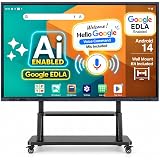
BIG VUE Pluss 55 inch Android 14 Smart Interactive Television | EDLA 4K UHD Flat Panel Digital Board with Stand, 8 GB RAM 128 GB ROM, Ai, Multitouch Screen Display for Teaching, Classroom & Office Use
₹69,800.00 (as of October 13, 2026 00:26 GMT +05:30 - More infoProduct prices and availability are accurate as of the date/time indicated and are subject to change. Any price and availability information displayed on [relevant Amazon Site(s), as applicable] at the time of purchase will apply to the purchase of this product.)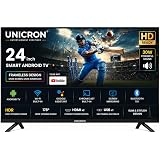
UNICRON 24 inch smart tv Android Frameless HD LED TV | WiFi Enabled | Built-in Apps Compatible (YouTube, Netflix, Prime Video) | HDMI, USB Connectivity | Screenmirror | Slim & Stylish | Black Design
₹7,399.00 (as of October 13, 2026 00:26 GMT +05:30 - More infoProduct prices and availability are accurate as of the date/time indicated and are subject to change. Any price and availability information displayed on [relevant Amazon Site(s), as applicable] at the time of purchase will apply to the purchase of this product.)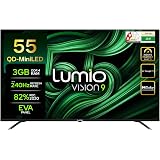
Lumio Vision 9 2026 139cm (55 inches) 4K Ultra HD Smart QD-MiniLED Google TV EPIC3-ADSI
₹54,999.00 (as of October 13, 2026 00:26 GMT +05:30 - More infoProduct prices and availability are accurate as of the date/time indicated and are subject to change. Any price and availability information displayed on [relevant Amazon Site(s), as applicable] at the time of purchase will apply to the purchase of this product.)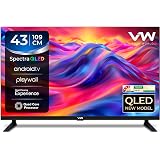
Visio World VW 109 cm (43 Inches) SmartChoice Spectra Series Full HD Smart QLED Android TV VW43AQ3
₹14,499.00 (as of October 13, 2026 00:26 GMT +05:30 - More infoProduct prices and availability are accurate as of the date/time indicated and are subject to change. Any price and availability information displayed on [relevant Amazon Site(s), as applicable] at the time of purchase will apply to the purchase of this product.)
Xiaomi 80 cm (32 inches) Smartchoice A Pro QLED Series Smart TV L32MB-APIN
₹15,499.00 (as of October 13, 2026 00:26 GMT +05:30 - More infoProduct prices and availability are accurate as of the date/time indicated and are subject to change. Any price and availability information displayed on [relevant Amazon Site(s), as applicable] at the time of purchase will apply to the purchase of this product.)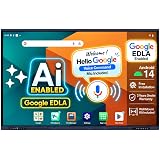
BIG VUE Pluss 55 inch Android 14 Smart Interactive Television | EDLA 4K UHD Flat Panel Digital Board, 8 GB RAM 128 GB ROM, Ai, Multitouch Screen Display for Teaching, Classroom & Office Use
₹67,900.00 (as of October 13, 2026 00:26 GMT +05:30 - More infoProduct prices and availability are accurate as of the date/time indicated and are subject to change. Any price and availability information displayed on [relevant Amazon Site(s), as applicable] at the time of purchase will apply to the purchase of this product.)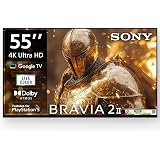
Sony 139 cm (55 inches) Smartchoice BRAVIA 2M2 Series 4K Ultra HD Smart LED Google TV K-55S25BM2
₹62,990.00 (as of October 13, 2026 00:26 GMT +05:30 - More infoProduct prices and availability are accurate as of the date/time indicated and are subject to change. Any price and availability information displayed on [relevant Amazon Site(s), as applicable] at the time of purchase will apply to the purchase of this product.)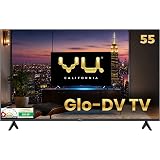
Vu California 139cm (55 inches) Smartchoice GloQLED Smart Google 4K TV VuGLOQLEDDV
₹39,990.00 (as of October 13, 2026 00:26 GMT +05:30 - More infoProduct prices and availability are accurate as of the date/time indicated and are subject to change. Any price and availability information displayed on [relevant Amazon Site(s), as applicable] at the time of purchase will apply to the purchase of this product.)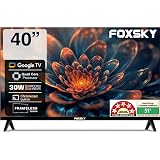
Foxsky 101.6 cm (40 inches) Full HD Smart QLED 40FS Google TV
₹14,799.00 (as of October 13, 2026 00:26 GMT +05:30 - More infoProduct prices and availability are accurate as of the date/time indicated and are subject to change. Any price and availability information displayed on [relevant Amazon Site(s), as applicable] at the time of purchase will apply to the purchase of this product.)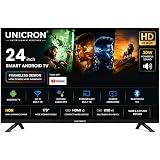
UNICRON 24 inch smart tv Android Frameless HD LED TV | WiFi Enabled | Built-in Apps Compatible (YouTube, Netflix, Prime Video) | HDMI, USB Connectivity | Screenmirror | Slim & Stylish |
₹7,399.00 (as of October 13, 2026 00:26 GMT +05:30 - More infoProduct prices and availability are accurate as of the date/time indicated and are subject to change. Any price and availability information displayed on [relevant Amazon Site(s), as applicable] at the time of purchase will apply to the purchase of this product.)
UNICRON 24 inch smart tv Android Frameless HD LED TV | WiFi Enabled | Built-in Apps Compatible (YouTube, Netflix, Prime Video) | HDMI, USB Connectivity | Screenmirror | Slim & Stylish |
₹7,399.00 (as of October 13, 2026 00:26 GMT +05:30 - More infoProduct prices and availability are accurate as of the date/time indicated and are subject to change. Any price and availability information displayed on [relevant Amazon Site(s), as applicable] at the time of purchase will apply to the purchase of this product.)