
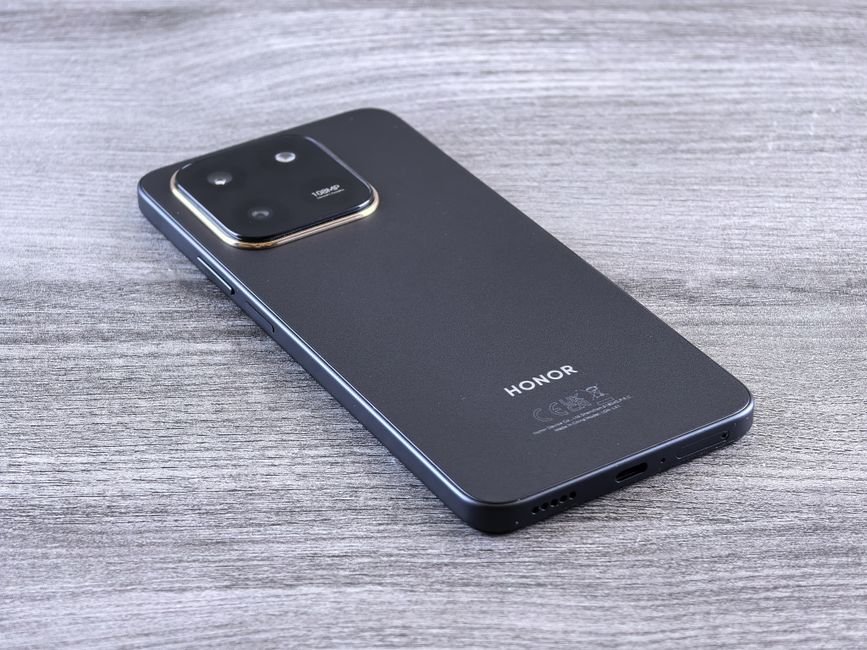
15000 Rupee Camera Phone Guide: Get the Best Shots on a Budget
Navigating the sub-₹15,000 smartphone segment for a truly capable camera can feel like a treasure hunt. While these devices often compromise in certain areas to meet a price point, a surprising number offer excellent photographic potential for their cost. This guide delves into the key features to consider and highlights some of the best camera phones available within this budget, empowering you to capture stunning images without breaking the bank.
Understanding Camera Specs in the Budget Segment:
At this price point, raw megapixel counts aren’t the sole determinant of image quality. While higher megapixels can offer more detail and cropping flexibility, other factors play a crucial role.
- Sensor Size: Larger sensors capture more light, leading to better low-light performance and reduced noise. This is often a more significant indicator of quality than megapixel count alone.
- Aperture (f-number): A lower f-number (e.g., f/1.8) signifies a wider aperture, allowing more light to enter the sensor. This translates to brighter images in dim conditions and a more pronounced background blur (bokeh) for portrait shots.
- Pixel Size: Larger individual pixels on the sensor also contribute to better light gathering and reduced noise, especially in low light.
- Image Stabilization (OIS/EIS): Optical Image Stabilization (OIS) physically counteracts hand shake, resulting in sharper photos and smoother videos, especially in low light or when zoomed. Electronic Image Stabilization (EIS) uses software to achieve a similar effect but can sometimes lead to a slight loss of detail or a “warping” effect. OIS is generally preferred for its superior performance.
- Image Processing Software: The phone’s software plays a vital role in how the captured data is processed. Algorithms for noise reduction, color science, HDR (High Dynamic Range), and AI scene detection significantly impact the final image. Brands known for good image processing can often elevate the performance of even modest hardware.
- Lens Quality: The quality of the lenses themselves influences sharpness, contrast, and distortion. While difficult to quantify from specs alone, reputable brands tend to use better lens elements.
- Secondary Cameras (Ultrawide, Macro, Depth): While the main sensor is paramount, secondary cameras can add versatility. Ultrawide lenses are great for landscapes and group shots. Macro lenses allow for close-up photography. Depth sensors assist in creating artificial bokeh for portraits. However, in this budget segment, the quality of these secondary sensors can vary significantly and often lags behind the main camera. Prioritize a strong main camera.
Key Features to Prioritize for Photography:
When evaluating phones in the sub-₹15,000 bracket, focus on these aspects for the best photographic experience:
- A Capable Main Camera: Look for a phone with a good primary sensor (ideally 50MP or higher, but sensor size and aperture are more important than just the number). A wide aperture (f/1.8 or lower) is highly desirable for low-light performance and bokeh.
- Decent Low-Light Performance: This is often the biggest challenge for budget phones. Look for phones that explicitly mention good low-light capabilities or feature larger sensors and wider apertures.
- Effective HDR: A good HDR implementation will help balance bright skies and shadowy foregrounds in a single shot, preventing blown-out highlights or crushed blacks.
- Natural Color Reproduction: Vibrant colors are appealing, but overly saturated or unnatural colors can detract from the realism of your photos. Look for phones that produce pleasing and accurate color tones.
- Reliable Autofocus: Quick and accurate autofocus is essential for capturing sharp images, especially of moving subjects.
- User-Friendly Camera App: An intuitive interface with easily accessible modes and settings makes the photography experience more enjoyable.
- Good Video Recording Capabilities: While still photography is often the focus, decent video recording (at least 1080p at 30fps) is a valuable bonus. Look for any mention of video stabilization.
Top Camera Phones Under ₹15,000 (Current Market Insights – Subject to Change):
The smartphone market is dynamic, with new models launching frequently. However, based on consistent performance and value, here are some contenders often found in this price bracket, along with their strengths:
1. Redmi Note Series (e.g., Redmi Note 13 Series):
- Strengths: Xiaomi’s Redmi Note series consistently offers a strong camera experience for its price. They often feature high-megapixel main sensors (sometimes 108MP), which, when paired with good processing, can yield detailed shots in good lighting. Look for models with OIS for improved low-light and video stability. Ultrawide and macro lenses are usually present, though their quality can be average. The MIUI/HyperOS camera app is feature-rich and generally user-friendly. They excel in daylight photography and often produce vibrant, punchy images.
- Considerations: Low-light performance can still be a compromise compared to more expensive phones, and aggressive noise reduction can sometimes smooth out fine details.
2. Realme Number Series (e.g., Realme 12 Pro Series – if discounted or previous gen):
- Strengths: Realme has been aggressively pushing camera capabilities in its mid-range offerings. Models like the Realme 12 Pro (if it falls within budget during sales) often boast impressive main sensors, sometimes with OIS. They are known for their well-balanced image processing, producing natural colors and good dynamic range. The design and build quality are often premium for the price. Some models might even include a dedicated telephoto lens, which is rare in this segment.
- Considerations: Availability within the strict ₹15,000 budget for newer Pro models might require waiting for sales. Older models might still be excellent value.
3. Samsung Galaxy A Series (e.g., Galaxy A25 5G):
- Strengths: Samsung phones are known for their reliable camera performance and excellent software integration. The Galaxy A series often provides a solid main camera with good color science and dependable autofocus. Samsung’s image processing tends to be more natural, with pleasing skin tones and balanced contrast. The camera app is intuitive and offers a good range of shooting modes. Video recording is generally smooth and well-stabilized.
- Considerations: Megapixel counts might not always be the highest, but the overall image quality is consistent. Low-light performance can be decent but might not be class-leading.
4. Motorola Moto G Series (e.g., Moto G84 5G):
- Strengths: Motorola often focuses on clean software and a more “stock Android” experience, which extends to its camera app. Phones like the Moto G84 5G can offer a capable main sensor with good detail and natural color reproduction in daylight. They often prioritize a clean, uncluttered interface, making it easy to point and shoot. Some models might offer unique features like excellent macro capabilities.
- Considerations: Low-light performance can be a mixed bag. While some models excel, others might struggle with noise and detail. The availability of advanced camera features might be less than competitors.
5. POCO X Series (e.g., POCO X6 Series – if discounted):
- Strengths: POCO often provides strong hardware specifications for the price. Their X series phones can feature high-resolution main cameras and good overall performance in good lighting. They tend to produce sharp, detailed images with good contrast. The camera app is usually functional and offers various modes.
- Considerations: Image processing can sometimes be aggressive, leading to over-sharpening or slightly unnatural colors. Low-light performance is a common area where budget phones struggle, and POCO is no exception.
Tips for Maximizing Your Budget Camera Phone:
Even with a budget phone, you can significantly improve your photography by following these tips:
- Master the Lighting: The best camera is often the one you have with you. Utilize natural light whenever possible. Position your subject so that light falls on them favorably, avoiding harsh shadows or direct sunlight that can wash out details. Golden hour (shortly after sunrise and before sunset) provides soft, warm, and flattering light.
- Clean Your Lens: This sounds obvious, but a smudged lens is the quickest way to ruin a photo. Wipe it with a microfiber cloth before every shooting session.
- Understand Your Camera App: Explore all the modes and settings. Learn how to adjust exposure, focus, and white balance manually if your app allows. Experiment with portrait mode for flattering shots with blurred backgrounds.
- Utilize HDR Wisely: HDR is excellent for scenes with high contrast. Use it when shooting landscapes with bright skies or backlit subjects. However, for scenes with less contrast, HDR can sometimes make the image look artificial.
- Shoot in Good Lighting: Budget phone cameras generally perform best in well-lit environments. Save your most important shots for when there’s ample natural light.
- Don’t Over-Zoom: Digital zoom degrades image quality significantly. If you need to get closer, try physically moving closer to your subject. If your phone has an optical zoom or a dedicated telephoto lens, use that.
- Experiment with Composition: Learn the rule of thirds, leading lines, and symmetry to create more visually appealing photos. Don’t be afraid to experiment with different angles and perspectives