
Your Comprehensive Guide to 5G Mobile Network Coverage: Unlocking the Future of Connectivity
The advent of 5G mobile network technology promises a paradigm shift in how we connect, communicate, and interact with the digital world. More than just a faster version of 4G, 5G offers a trifecta of enhanced capabilities: significantly higher speeds, ultra-low latency, and massive device connectivity. Understanding 5G mobile network coverage is crucial for consumers and businesses alike to leverage its full potential. This guide delves deep into the intricacies of 5G coverage, empowering you to navigate its evolving landscape and make informed decisions.
The Pillars of 5G: Understanding the Technology Behind Coverage
5G operates across three distinct frequency bands, each with unique characteristics that influence coverage and performance:
-
Low-Band 5G (Sub-1 GHz): This is the foundational layer of 5G, akin to the spectrum used by 4G LTE. It offers the widest coverage area, penetrating deep into buildings and rural areas. While speeds are a noticeable improvement over 4G, they are not the headline-grabbing figures often associated with 5G. Low-band is ideal for widespread mobile broadband and IoT applications requiring consistent, albeit not blazing-fast, connectivity. Think of it as the reliable workhorse of the 5G network.
-
Mid-Band 5G (1-6 GHz): This band represents the sweet spot for 5G, balancing good coverage with impressive speeds. It offers a significant leap in performance over low-band, enabling faster downloads, smoother streaming, and more responsive online gaming. Mid-band frequencies provide a good balance between capacity and reach, making it the primary driver for enhanced mobile broadband (eMBB) experiences in urban and suburban environments. It’s where you’ll likely see the most substantial improvement in your daily mobile usage.
-
High-Band 5G (Millimeter Wave – mmWave, 24 GHz and above): This is the frontier of 5G, delivering incredibly fast speeds and ultra-low latency. However, mmWave signals have a very limited range and are easily obstructed by physical barriers like walls, trees, and even rain. Coverage is typically confined to dense urban areas, stadiums, and specific indoor venues. mmWave is best suited for applications demanding extreme bandwidth and near-instantaneous response times, such as augmented reality (AR), virtual reality (VR), and critical industrial communications. It’s the speed demon, but requires a much denser infrastructure.
Decoding 5G Coverage Maps: What You Need to Know
Mobile network operators (MNOs) provide coverage maps to indicate where their 5G services are available. However, these maps are not always straightforward. Here’s how to interpret them effectively:
-
Color-Coding: Coverage maps typically use different colors to represent the various 5G frequency bands. A distinct color for low-band, mid-band, and high-band will help you understand the type of 5G experience you can expect in a particular area. Pay close attention to the legend to decipher these colors.
-
Indoor vs. Outdoor: Some maps differentiate between outdoor and indoor coverage. Remember that even if an area shows outdoor 5G coverage, the signal strength inside buildings can vary significantly, especially for mid-band and mmWave.
-
Dynamic Nature of Coverage: 5G networks are constantly expanding and evolving. Coverage maps are snapshots in time and may not reflect the most up-to-date information. It’s advisable to check these maps periodically and consult with your MNO for the latest updates.
-
Signal Strength Indicators: Advanced coverage maps might offer signal strength indicators, showing areas with stronger and weaker 5G signals. This can be particularly useful when troubleshooting connection issues.
-
“5G Nationwide” vs. “5G Ultra Wideband”: MNOs often use different marketing terms to describe their 5G offerings. “5G Nationwide” typically refers to low-band 5G, providing broader coverage. “5G Ultra Wideband” or similar terms usually denote the use of mid-band or high-band spectrum, offering superior speeds. Understanding these distinctions is crucial to managing expectations.
Factors Influencing Your 5G Experience
Beyond the MNO’s infrastructure, several factors directly impact your 5G coverage and performance:
-
Your Device: Not all 5G-enabled devices are created equal. Ensure your smartphone or other 5G device supports the specific 5G bands used by your MNO in your area. Older 5G devices might only support low-band or a limited set of mid-band frequencies. Checking your device’s specifications is paramount.
-
Network Congestion: Even in areas with strong 5G coverage, performance can be affected by network congestion. During peak hours or in densely populated areas, the shared bandwidth can lead to slower speeds and increased latency.
-
Environmental Factors: As mentioned, physical obstructions like buildings, walls, foliage, and even weather conditions can degrade 5G signal strength, particularly for higher frequency bands.
-
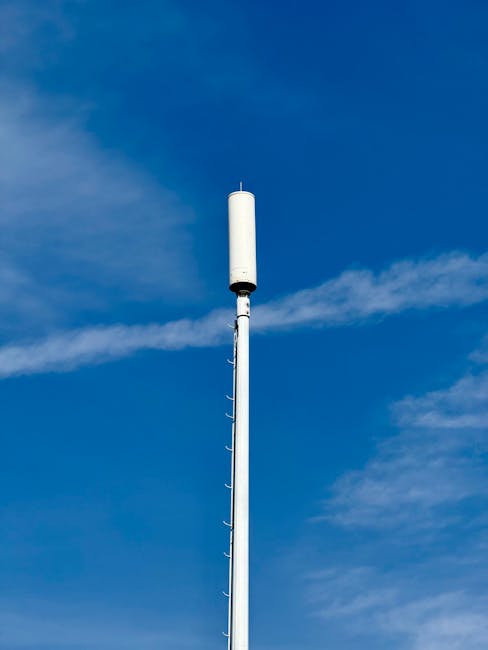
Proximity to Cell Towers: The closer you are to a 5G cell tower, the stronger your signal will likely be, leading to better performance.
-
Your Mobile Plan: Some mobile plans may have data caps or throttling policies that can affect your perceived 5G speeds, regardless of network availability.
Navigating the 5G Rollout: What to Expect
The 5G rollout is a phased process, and its availability varies significantly by region.
-
Urban Centers First: High-density urban areas are typically the first to receive extensive 5G coverage, especially for the higher frequency bands, due to the need for denser infrastructure and the potential for greater user adoption.
-
Suburban Expansion: Mid-band 5G is steadily expanding into suburban areas, offering a significant upgrade from 4G.
-
Rural Connectivity Challenges: Providing comprehensive 5G coverage in rural and remote areas presents a greater challenge due to the vast distances and lower population density, making the deployment of numerous cell sites less economically viable. Low-band 5G is the primary technology being deployed in these regions for broader reach.
-
Indoor Penetration: Improving indoor 5G coverage is an ongoing effort. MNOs are deploying small cells and indoor solutions to enhance signal penetration within buildings.
Maximizing Your 5G Coverage and Performance
To make the most of your 5G experience:
-
Understand Your MNO’s Coverage Map: Regularly check your provider’s official coverage maps for your specific location and the types of 5G bands available.
-
Ensure Device Compatibility: Verify that your 5G device supports the frequency bands deployed by your MNO.
-
Consider Your Location: Be aware of your proximity to cell towers and potential signal obstructions.
-
Stay Updated on Network Enhancements: Keep an eye on announcements from your MNO regarding network upgrades and expansions in your area.
-
Test Your Speed: Utilize speed test applications to gauge your actual 5G performance in different locations and at different times. This can help identify areas where coverage might be suboptimal.
-
Optimize Device Settings: Ensure your device’s network settings are configured to prioritize 5G when available.
The Future of 5G Coverage
The evolution of 5G coverage is a continuous journey. We can anticipate:
-
Denser Small Cell Deployments: Expect a proliferation of smaller, lower-power cell sites to enhance capacity and coverage, particularly in urban environments.
-
Advanced Beamforming and Massive MIMO: These technologies will enable more efficient use of spectrum and improved signal directionality, leading to better coverage and performance.
-
Integration with Wi-Fi: Seamless handoffs between 5G and Wi-Fi networks will become more sophisticated, ensuring consistent connectivity.
-
Private 5G Networks: Businesses will increasingly deploy their own private 5G networks for dedicated, high-performance connectivity in specific locations.
-
Continued Spectrum Allocation: Governments worldwide are actively allocating more spectrum for 5G, which will fuel further network expansion and performance improvements.
By understanding the nuances of 5G mobile network coverage, its underlying technology, and the factors that influence its performance, you can unlock the transformative potential of this next-generation connectivity standard and embrace the future of digital interaction.