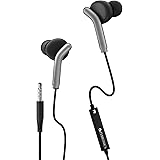
In an era saturated with wireless convenience, the humble wired earphone often gets overlooked. Yet, for audiophiles and discerning listeners alike, wired audio remains the undisputed champion of pristine sound reproduction. This comprehensive guide delves into the intricate world of wired earphones, exploring their enduring appeal, the technology that defines them, and how to select the perfect pair for your sonic journey.
The allure of wired earphones lies in their fundamental superiority in audio fidelity. Unlike wireless counterparts that rely on compressed audio codecs and Bluetooth transmission, wired connections transmit an unadulterated, analog signal directly from source to ear. This bypasses the inherent limitations of wireless technology, offering a richer, more detailed, and remarkably accurate listening experience. The absence of latency is another significant advantage, crucial for gamers, musicians, and anyone who values perfectly synchronized audio and video.
Understanding the anatomy of a wired earphone is key to appreciating its capabilities. At its heart lies the driver, the component responsible for converting electrical signals into sound waves. Drivers come in various types, each with distinct sonic characteristics. Dynamic drivers, the most common, utilize a diaphragm attached to a voice coil, which moves within a magnetic field. They generally offer a robust bass response and are cost-effective. Balanced armature drivers, on the other hand, are smaller and more precise, excelling in clarity and detail, particularly in the mid and high frequencies. Hybrid drivers combine the strengths of both dynamic and balanced armature designs, aiming for a well-rounded sonic profile.
The housing, or shell, of the earphone plays a critical role in acoustics. Materials like plastic, aluminum, and even wood are used, each influencing resonance and sound isolation. In-ear monitors (IEMs), a subset of wired earphones, feature a sealed design that creates a passive noise-isolation seal, further enhancing clarity by minimizing ambient distractions. The fit is paramount; well-fitting earphones not only ensure comfort but also optimize bass response and acoustic seal. Ear tips, typically made of silicone or foam, are crucial for achieving this perfect fit. Foam tips offer superior noise isolation and a secure fit, while silicone tips provide a more comfortable and breathable experience.
The cable itself is not merely a conduit but a vital component influencing sound quality. High-purity copper, silver-plated copper, and even solid silver cables are employed to minimize signal degradation and resistance. The shielding of the cable also plays a role in preventing electromagnetic interference, which can introduce unwanted noise. Detachable cables, a feature found in many higher-end wired earphones, offer a significant advantage, allowing for easy replacement if damaged and the option to upgrade to a superior cable for further sonic refinement.
When choosing wired earphones, several factors should guide your decision. Your primary listening genre is a significant consideration. For bass-heavy genres like hip-hop or electronic music, earphones with a pronounced low-end response, often featuring larger dynamic drivers, might be preferred. Classical music and jazz, on the other hand, benefit from the detailed reproduction of balanced armature or hybrid drivers, which excel in capturing the nuances of intricate arrangements.
Your listening environment also dictates the type of earphones best suited for you. If you frequently listen in noisy environments, like public transport or bustling offices, earphones with excellent passive noise isolation are essential. IEMs with a deep insertion and well-fitting ear tips will provide the best sanctuary from external noise. For studio monitoring or critical listening in a quiet room, the focus shifts entirely to pure audio fidelity, where every detail is paramount.
The impedance of an earphone, measured in ohms, indicates its resistance to electrical current. Higher impedance earphones generally require a more powerful source to reach optimal listening levels. While most smartphones and portable music players can adequately drive lower impedance earphones (typically below 50 ohms), higher impedance models (above 100 ohms) may benefit from a dedicated headphone amplifier for their full sonic potential.
The frequency response graph, often provided by manufacturers, illustrates an earphone’s performance across the audible spectrum (typically 20Hz to 20kHz). A flatter response generally indicates a more neutral and accurate sound signature, while peaks and dips reveal areas where the earphone emphasizes or de-emphasizes certain frequencies. However, personal preference plays a significant role; some listeners may prefer a slightly warmer or brighter sound.
Durability and build quality are also important considerations. Look for earphones constructed with robust materials and a well-designed cable management system. For active lifestyles, sweat and water resistance ratings (IPX ratings) become crucial.
The world of wired earphones spans a vast price range, from budget-friendly options to ultra-premium audiophile-grade units. At the entry-level, you can find surprisingly capable earphones that offer a significant upgrade over bundled earbuds. Mid-range options often introduce better driver technology, higher-quality materials, and detachable cables, providing a noticeable leap in fidelity. High-end and flagship models represent the pinnacle of audio engineering, employing advanced driver configurations, bespoke materials, and meticulous tuning to achieve unparalleled sonic realism.
Exploring different brands and models is an integral part of the wired earphone journey. Established audio brands like Sennheiser, Audio-Technica, and Beyerdynamic have long been synonymous with quality and innovation. Newer players like Moondrop, ThieAudio, and Campfire Audio have quickly gained recognition for their impressive performance and value proposition, particularly in the IEM market. Reading reviews from reputable audio publications and user testimonials can provide valuable insights into the sonic characteristics and build quality of specific models.
Ultimately, the pursuit of crystal clear audio through wired earphones is a rewarding endeavor. It’s a journey that bypasses the compromises of wireless technology and embraces the purity of an unadulterated signal. By understanding the fundamental principles of driver technology, housing materials, cable construction, and considering your personal listening preferences and environment, you can embark on a sonic exploration that reveals the true depth and detail of your music. The tactile connection of a wire, the absence of digital artifacts, and the sheer fidelity offered by well-crafted wired earphones ensure their continued reign as the ultimate conduit to pristine sound.

iQOO Buds | 50-Hour Ultra-Long Battery Life* | DeepX 4.0 Sound Effects | 42 ms Gaming Latency*
₹1,699.00 (as of October 10, 2026 16:57 GMT +05:30 - More infoProduct prices and availability are accurate as of the date/time indicated and are subject to change. Any price and availability information displayed on [relevant Amazon Site(s), as applicable] at the time of purchase will apply to the purchase of this product.)
Newly Launch Earbuds for Samsung Galaxy Pro, Buds 4 Pro (Black) in-Ear Wireless Earbuds with Hi-Fi Audio | Adaptive ANC 2.0 and EQ 2.0 | 2-Way Speaker | Voice Detect, (Black.SHB.2)
₹999.00 (as of October 10, 2026 16:57 GMT +05:30 - More infoProduct prices and availability are accurate as of the date/time indicated and are subject to change. Any price and availability information displayed on [relevant Amazon Site(s), as applicable] at the time of purchase will apply to the purchase of this product.)
OWDIO Wireless Earbuds with Charging Case, Black, True Wireless | USB-C Charging Port, Matte Finish, Compact Case, In-Ear Design, Bluetooth Connectivity
₹186.00 (as of October 10, 2026 16:57 GMT +05:30 - More infoProduct prices and availability are accurate as of the date/time indicated and are subject to change. Any price and availability information displayed on [relevant Amazon Site(s), as applicable] at the time of purchase will apply to the purchase of this product.)
GOBOULT Mustang Nitro Earbuds with 72H Playtime, Amp App Support, Quad Mic ENC, Dual Device Pairing Buds, 13mm Driver Ear Buds, Bluetooth 5.4 Wireless Earbuds Red Blaze
₹1,799.00 (as of October 10, 2026 16:57 GMT +05:30 - More infoProduct prices and availability are accurate as of the date/time indicated and are subject to change. Any price and availability information displayed on [relevant Amazon Site(s), as applicable] at the time of purchase will apply to the purchase of this product.)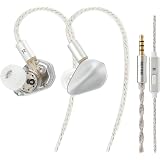
KEFINE Loric 10mm Dynamic Driver IEMs, in Ear Monitor, HiFi Wired Earphones, Dual Magnet Dual Chamber, Deep Bass IEM Detachable Silver-Plated Cable, 0.78mm 2-Pin (Silver (3.5mm with Mic))
₹2,830.00 (as of October 10, 2026 16:57 GMT +05:30 - More infoProduct prices and availability are accurate as of the date/time indicated and are subject to change. Any price and availability information displayed on [relevant Amazon Site(s), as applicable] at the time of purchase will apply to the purchase of this product.)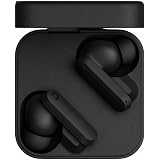
Earbuds Wireless Bluetooth 5.3 TWS Earphones with Full Touch Control, Built-in Microphone, Premium Sound Quality, Fast Stable Connection, Type C Charger Under 500
₹249.00 (as of October 10, 2026 16:57 GMT +05:30 - More infoProduct prices and availability are accurate as of the date/time indicated and are subject to change. Any price and availability information displayed on [relevant Amazon Site(s), as applicable] at the time of purchase will apply to the purchase of this product.)
Kratos TW02 Ear Buds Wireless with 60H Playtime, Noise Isolation & Clear Calls, Bluetooth Earbuds with Voice Assistant, Ear Buds with Bluetooth V 5.3 & with Type C Fast Charging, IPX5 TWS Earphones
₹499.00 (as of October 10, 2026 16:56 GMT +05:30 - More infoProduct prices and availability are accurate as of the date/time indicated and are subject to change. Any price and availability information displayed on [relevant Amazon Site(s), as applicable] at the time of purchase will apply to the purchase of this product.)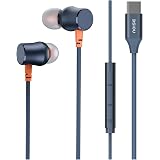
Noise Chord 100 Type-C Wired Earphones | 10mm Driver | Deep Bass | in-Line Mic with Voice Assistant | Multifunctional Controls - Midnight Blue
Now retrieving the price.
(as of October 10, 2026 16:57 GMT +05:30 - More infoProduct prices and availability are accurate as of the date/time indicated and are subject to change. Any price and availability information displayed on [relevant Amazon Site(s), as applicable] at the time of purchase will apply to the purchase of this product.)
boAt Airdopes 219, 4Mics ENx, 40H Battery, Best in Segment for Calling, App Support, Bluetooth Earbuds, TWS Ear Buds Wireless Earphones with mic (Forest Sage)
₹878.00 (as of October 10, 2026 16:56 GMT +05:30 - More infoProduct prices and availability are accurate as of the date/time indicated and are subject to change. Any price and availability information displayed on [relevant Amazon Site(s), as applicable] at the time of purchase will apply to the purchase of this product.)
Oppo Enco Air 5 True Wireless Noise Cancelling Earbuds with 52dB Real time ANC,Upto 54Hrs Playtime,Triple-Mic AI Clear Call,Low Latency,Fast Charging.(Midnight Black)
₹2,799.00 (as of October 10, 2026 16:57 GMT +05:30 - More infoProduct prices and availability are accurate as of the date/time indicated and are subject to change. Any price and availability information displayed on [relevant Amazon Site(s), as applicable] at the time of purchase will apply to the purchase of this product.)
boAt 2026 Launch Airdopes Plus 224, Powerful Spatial Audio, 60H Playback, Quad Mics AI-ENx™, 13 mm Drivers, App Support, Multi Connect, Google Fast Pair, Bluetooth v6.0 TWS Earbuds (Matte Black)
₹999.00 (as of October 10, 2026 16:56 GMT +05:30 - More infoProduct prices and availability are accurate as of the date/time indicated and are subject to change. Any price and availability information displayed on [relevant Amazon Site(s), as applicable] at the time of purchase will apply to the purchase of this product.)
boAt Rockerz 113, 40 Hours Battery, Dual Pair, Fast Charge, ENx Technology, App Support, Magnetic Buds, Bluetooth Neckband, Wireless in Ear Earphones with Mic (Active Black)
₹699.00 (as of October 10, 2026 16:56 GMT +05:30 - More infoProduct prices and availability are accurate as of the date/time indicated and are subject to change. Any price and availability information displayed on [relevant Amazon Site(s), as applicable] at the time of purchase will apply to the purchase of this product.)
Wireless Earbuds Bluetooth 5.3 TWS Earbuds with Deep Bass, ENC Noise Cancellation, Touch Control, HD Mic, Type-C Fast Charging, Low Latency Gaming Earbuds for Android iOS Smartphones
₹269.00 (as of October 10, 2026 16:57 GMT +05:30 - More infoProduct prices and availability are accurate as of the date/time indicated and are subject to change. Any price and availability information displayed on [relevant Amazon Site(s), as applicable] at the time of purchase will apply to the purchase of this product.)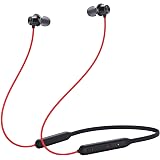
Bluetooth Neckband for OnePlus Nord Z2 Wireless ANC Bluetooth in Ear Earphones with Mic, 45dB Hybrid ANC, Bombastic Bass - 12.4 mm Drivers, (48hrs.Red.3)
₹649.00 (as of October 10, 2026 16:57 GMT +05:30 - More infoProduct prices and availability are accurate as of the date/time indicated and are subject to change. Any price and availability information displayed on [relevant Amazon Site(s), as applicable] at the time of purchase will apply to the purchase of this product.)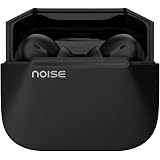
Noise Newly Launch ALT Buds(S) Truly Wireless Earbuds with 45H of Playtime, Quad Mic with ENC, App Support, Instacharge, Dual Pairing, Low Latency for Gaming, 11mm Driver, BT V6.0 (Chosen Black)
₹1,399.00 (as of October 10, 2026 16:57 GMT +05:30 - More infoProduct prices and availability are accurate as of the date/time indicated and are subject to change. Any price and availability information displayed on [relevant Amazon Site(s), as applicable] at the time of purchase will apply to the purchase of this product.)
boAt 2026 Launch Airdopes Prime 300 with Spatial Audio, 60 Hrs Battery, Quad Mics AI-ENx™ Technology, Multi Connectivity, 11mm Drivers, ASAP™ Charge, in-Ear Detection, Bluetooth v6.1 (Titanium Black)
₹1,199.00 (as of October 10, 2026 16:57 GMT +05:30 - More infoProduct prices and availability are accurate as of the date/time indicated and are subject to change. Any price and availability information displayed on [relevant Amazon Site(s), as applicable] at the time of purchase will apply to the purchase of this product.)
Noise Buds N1 Truly Wireless Earbuds with Chrome Finish, 40H of Playtime, Quad Mic with ENC, Low Latency Gaming, Instacharge(10 Min=120 Min), Bluetooth V5.3 Smartchoice (Ice Blue)
₹799.00 (as of October 10, 2026 16:56 GMT +05:30 - More infoProduct prices and availability are accurate as of the date/time indicated and are subject to change. Any price and availability information displayed on [relevant Amazon Site(s), as applicable] at the time of purchase will apply to the purchase of this product.)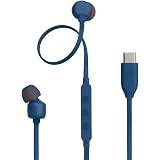
Original Type C Earphone for JBL Tune 310 C with Hi-Res Certified Sound, 3-Button Control and Durable Flat Cable Blue
Now retrieving the price.
(as of October 10, 2026 16:57 GMT +05:30 - More infoProduct prices and availability are accurate as of the date/time indicated and are subject to change. Any price and availability information displayed on [relevant Amazon Site(s), as applicable] at the time of purchase will apply to the purchase of this product.)
OnePlus Bullets Wireless Z3 in Ear Neckband with 12.4Mm Drivers, 3D Spatial Audio,10 Mins Charge for 27 Hrs Playback, AI Call Noise Cancellation, 4 EQ Preset, Dynamic Bass Enhancement & BT5.4, Black
₹1,590.00 (as of October 10, 2026 16:56 GMT +05:30 - More infoProduct prices and availability are accurate as of the date/time indicated and are subject to change. Any price and availability information displayed on [relevant Amazon Site(s), as applicable] at the time of purchase will apply to the purchase of this product.)