
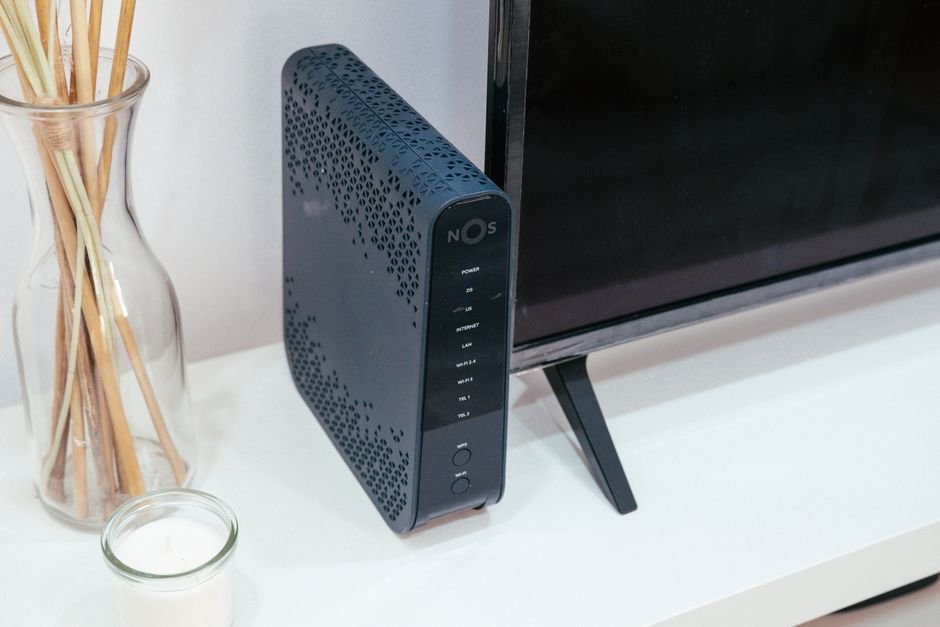
Wi-Fi 7 Router: The Future of Home Connectivity is Here
The relentless march of technological advancement has once again brought us to the precipice of a significant leap in wireless networking. Wi-Fi 7, officially known as IEEE 802.11be Extremely High Throughput (EHT), is no longer a distant concept but a tangible reality poised to redefine our home and office connectivity experiences. As the successor to the already impressive Wi-Fi 6/6E, Wi-Fi 7 promises a paradigm shift, delivering unprecedented speeds, reduced latency, and enhanced capacity that will unlock the full potential of our increasingly connected lives.
At the core of Wi-Fi 7’s revolutionary capabilities lies its adoption of the 6 GHz spectrum, a territory previously explored by Wi-Fi 6E but now fully leveraged with expanded bandwidth. This crucial upgrade allows for wider channels, specifically up to 320 MHz, doubling the capacity of Wi-Fi 6/6E’s 160 MHz channels. Imagine this as widening a highway from two lanes to four; the sheer volume of data that can traverse the network simultaneously is dramatically increased. This translates directly into significantly faster download and upload speeds, pushing theoretical limits well beyond 40 Gbps, a monumental jump from Wi-Fi 6’s peak of around 9.6 Gbps. For the average user, this means instantaneous downloads of large files, seamless streaming of 8K content without buffering, and a significantly smoother experience for bandwidth-intensive applications.
Beyond raw speed, Wi-Fi 7 introduces several other groundbreaking technologies that contribute to its superior performance. Multi-Link Operation (MLO) is arguably one of the most transformative. MLO allows a device to connect to the router simultaneously across multiple frequency bands (2.4 GHz, 5 GHz, and 6 GHz). This isn’t just about having multiple connections; it’s about intelligent aggregation and seamless switching. A Wi-Fi 7 router can send and receive data across these links concurrently, effectively combining their bandwidth and improving reliability. If one link experiences interference or congestion, data can be seamlessly rerouted through another, minimizing packet loss and ensuring a stable connection. This is particularly beneficial for critical applications like online gaming, video conferencing, and real-time industrial automation, where even minor interruptions can be detrimental.
Another significant advancement is the enhanced use of Multiple Input, Multiple Output (MIMO) technology. While Wi-Fi 6 introduced OFDMA (Orthogonal Frequency Division Multiple Access) for better efficiency, Wi-Fi 7 builds upon this with more sophisticated MIMO capabilities. Wi-Fi 7 supports up to 16 spatial streams, compared to Wi-Fi 6’s 8. This means a single router can communicate with multiple devices simultaneously, each utilizing its own dedicated data stream. This dramatically improves the overall network capacity and reduces interference, ensuring that even in densely populated environments with numerous connected devices, each device receives a robust and fast connection. Furthermore, Wi-Fi 7 introduces Preamble Puncturing, a feature that allows the router to dynamically allocate bandwidth. If a portion of a channel becomes unavailable due to interference, instead of abandoning the entire channel, the router can “puncture” or exclude the affected segment and utilize the remaining clean spectrum. This intelligent resource management ensures maximum efficiency and minimizes performance degradation.
The implications of these advancements are far-reaching. For the burgeoning Internet of Things (IoT) ecosystem, Wi-Fi 7 offers the capacity and low latency required to support a truly seamless smart home experience. Imagine dozens of smart devices – from security cameras and thermostats to smart appliances and entertainment systems – all operating concurrently without any noticeable lag or connection drops. The reduced latency is also a game-changer for augmented reality (AR) and virtual reality (VR) applications. Immersive experiences that currently suffer from motion sickness due to lag will become fluid and responsive, paving the way for more widespread adoption of these technologies in gaming, education, and professional training.
Gamers will rejoice at the prospect of near-zero latency. Competitive online gaming demands split-second reaction times, and Wi-Fi 7’s ability to minimize latency will provide a significant edge, eliminating the frustrating delays that can cost a match. Similarly, professionals relying on high-bandwidth applications like 4K/8K video editing, large file transfers, and remote collaboration will experience a dramatic boost in productivity. The ability to download massive datasets in minutes rather than hours will fundamentally alter workflows.
The deployment of Wi-Fi 7 routers is also being strategically designed to ensure backward compatibility with older Wi-Fi standards. This means that existing Wi-Fi 6 and Wi-Fi 5 devices will still be able to connect to a Wi-Fi 7 network, albeit at their respective speeds. This gradual transition ensures that users can invest in Wi-Fi 7 infrastructure without immediately needing to replace all their devices, offering a cost-effective upgrade path. However, to fully harness the power of Wi-Fi 7, new Wi-Fi 7-compatible client devices will be necessary. These devices will be equipped with the latest chipsets capable of supporting the advanced features like MLO and wider channels.
The increased efficiency and reduced interference inherent in Wi-Fi 7 also contribute to a more stable and reliable network overall. This translates into fewer dropped connections, improved signal strength in challenging environments, and a more consistent user experience across the entire home or office. The technology is designed to be more resilient to the ever-increasing radio frequency noise present in modern living spaces.
As Wi-Fi 7 routers begin to hit the market, consumers and businesses can expect to see a range of devices catering to different needs and budgets. High-end routers will undoubtedly push the boundaries of performance, while more mainstream options will offer a significant upgrade over current Wi-Fi 6/6E solutions. The adoption of Wi-Fi 7 is not just an incremental upgrade; it’s a fundamental evolution of wireless networking that will underpin the next generation of digital experiences. The future of home connectivity, characterized by unparalleled speed, minimal latency, and immense capacity, is no longer a dream but a present reality, readily available with the advent of Wi-Fi 7 routers.