
Unlock Health Insights: Smartwatches with Blood Pressure Features
The relentless march of technological innovation has brought sophisticated health monitoring tools directly to our wrists. Among the most impactful advancements are smartwatches equipped with blood pressure (BP) measurement capabilities. These devices are no longer mere gadgets for tracking steps; they are evolving into powerful personal health companions, offering unprecedented insights into cardiovascular well-being. Understanding and utilizing these features can empower individuals to take a more proactive role in managing their health, potentially leading to earlier detection of issues and more effective treatment strategies.
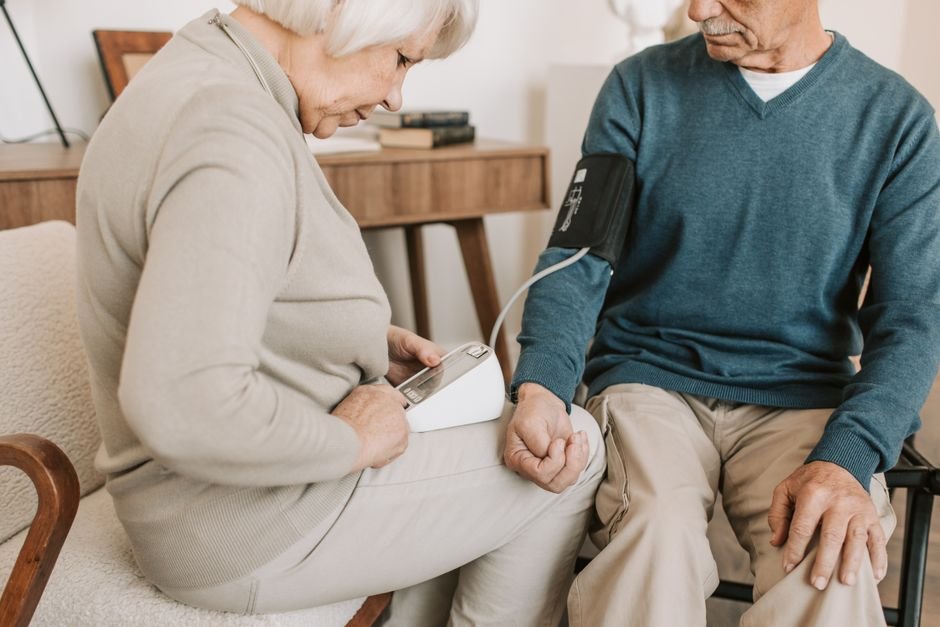
The concept of wearable BP monitoring has been a long-standing aspiration in the medical device industry. Traditional BP cuffs, while accurate, are often cumbersome, require manual operation, and necessitate regular use to establish a comprehensive understanding of one’s cardiovascular patterns. Smartwatches, by contrast, offer the promise of continuous or frequent, on-demand measurements, seamlessly integrated into daily life. This accessibility is a game-changer, particularly for individuals with hypertension, hypotension, or those at risk for cardiovascular disease.
Several technological approaches are being employed to achieve accurate BP readings from a smartwatch. The most common method involves photoplethysmography (PPG), a technique that uses light to detect changes in blood volume in the capillaries of the wrist. As the heart pumps blood, the arteries in the wrist expand and contract. PPG sensors emit light into the skin and measure the amount of light that is reflected back. By analyzing the patterns of light absorption and reflection, the smartwatch can infer changes in blood flow and, consequently, estimate systolic and diastolic blood pressure.
However, PPG-based BP estimation is not without its challenges. Factors such as skin tone, wrist size, motion artifacts, and ambient light can influence the accuracy of readings. To overcome these limitations, manufacturers are incorporating advanced algorithms and machine learning techniques. These sophisticated software solutions analyze the PPG data in conjunction with other sensor inputs, such as heart rate and electrocardiogram (ECG) data, to refine BP estimations. Some devices also utilize electrocardiography (ECG) sensors, which measure the electrical activity of the heart. By analyzing the timing of the R-wave (a peak in the ECG) and the subsequent arrival of the pulse wave at the wrist (detected by PPG), these devices can more accurately determine the pulse transit time (PTT), a key indicator used in BP estimation.
The accuracy of smartwatch BP monitors is a critical consideration for both consumers and healthcare professionals. While these devices are rapidly improving, it’s important to understand their current limitations. Regulatory bodies like the FDA (Food and Drug Administration) in the United States and the CE (Conformité Européenne) in Europe are actively involved in evaluating and approving these medical-grade wearables. Devices that receive such clearance have undergone rigorous testing to ensure their accuracy meets established medical standards. However, it is crucial to note that most current smartwatch BP monitors are intended for informational purposes and are not intended to replace traditional diagnostic methods performed by healthcare professionals. They should not be used for self-diagnosis or to make significant changes to medication without consulting a doctor.
The benefits of having readily accessible BP data are multifaceted. For individuals diagnosed with hypertension, a smartwatch can provide a more comprehensive picture of their BP fluctuations throughout the day and night. This allows for better tracking of how lifestyle choices (diet, exercise, stress) and medication adherence impact their readings. It can also help identify “white-coat hypertension” (elevated BP in a clinical setting but normal at home) or “masked hypertension” (normal BP in a clinical setting but elevated at home), both of which require careful management.
Conversely, individuals concerned about hypotension can also benefit from these devices. Understanding their typical BP range and identifying patterns of sudden drops can be crucial for preventing symptoms like dizziness, lightheadedness, and fainting. This data can be invaluable when discussing treatment options with a physician.
Beyond specific conditions, smartwatches with BP features offer general cardiovascular health insights. Consistent monitoring can help users become more attuned to their body’s signals. A sudden, unexplained spike in BP might prompt a user to reassess their recent activities or stress levels. Similarly, a sustained trend of elevated readings could serve as an early warning sign, encouraging a proactive visit to the doctor for a more thorough evaluation.
The integration of BP data with other health metrics tracked by smartwatches creates a powerful synergy. When BP readings are correlated with heart rate, sleep patterns, activity levels, and even stress scores, a holistic view of cardiovascular health emerges. For instance, a user might notice that their BP consistently rises during periods of high stress or after consuming certain foods. This granular data empowers them to make informed lifestyle adjustments.
The future of wearable BP monitoring is exceedingly promising. Ongoing research and development are focused on enhancing accuracy, miniaturizing components, and improving user experience. We can anticipate even more sophisticated algorithms, potentially incorporating AI for predictive analytics, identifying individuals at higher risk for cardiovascular events even before symptoms manifest. Furthermore, the seamless integration of this data into electronic health records (EHRs) will likely become more prevalent, enabling physicians to access a richer, longitudinal dataset for more personalized and effective patient care.
When choosing a smartwatch with BP features, several factors warrant consideration. Regulatory clearance is paramount, ensuring the device has met established accuracy standards. Ease of use is also critical; the interface should be intuitive, and the measurement process should be straightforward. Battery life is another important consideration, as frequent charging can be inconvenient. Finally, compatibility with your smartphone and other health apps is essential for seamless data management and analysis.
Educating oneself on how to use these devices correctly is also vital. Factors like proper cuff placement, maintaining a relaxed posture during measurement, and taking readings at consistent times of the day can significantly improve accuracy. Users should also be aware of the limitations of the technology and understand that these devices are supplementary tools, not replacements for professional medical advice.
The advent of smartwatches with blood pressure monitoring capabilities marks a significant leap forward in personal health management. By democratizing access to this vital health metric, these devices empower individuals to gain deeper insights into their cardiovascular health, fostering a more proactive and informed approach to well-being. As the technology continues to evolve, the potential for these wearables to revolutionize preventive healthcare and improve patient outcomes is immense.