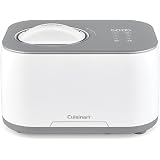
The sweet, creamy dream of homemade ice cream is now more accessible than ever, thanks to the proliferation of electric ice cream makers for home use. Gone are the days of laborious churning and uncertain results. These ingenious appliances have democratized dessert creation, allowing anyone to craft artisanal frozen treats in their own kitchen. From classic vanilla bean to adventurous salted caramel pretzel, the possibilities are as boundless as your imagination.
Understanding the Mechanics: How Electric Ice Cream Makers Work
At its core, an electric ice cream maker operates on a simple yet effective principle: rapid chilling and constant agitation. The process involves a freezing element that lowers the temperature of your ice cream base while a paddle or dasher continuously churns it. This dual action is crucial for several reasons. Firstly, it prevents large ice crystals from forming, which is the hallmark of watery, grainy ice cream. By breaking up ice crystals as they form, the machine ensures a smooth, velvety texture. Secondly, the churning incorporates air into the mixture, a process known as aeration. This air contributes to the light and fluffy consistency that distinguishes premium ice cream.
There are generally two main types of electric ice cream makers available for home use:
-
Freezer Bowl Models: These are the most common and often the most affordable. They feature a double-walled bowl containing a freezing liquid. Before use, this bowl must be placed in your freezer for at least 12-24 hours to freeze solid. Once frozen, you pour your prepared ice cream base into the bowl, attach the lid with the motor-driven paddle, and let the machine do its work. The freezing liquid in the bowl then chills the base while the paddle churns. While budget-friendly, the primary drawback is the need for advance preparation and freezer space.
-
Compressor Models: These are more sophisticated and significantly more expensive. Instead of a separate freezer bowl, compressor models have a built-in refrigeration system, similar to a small refrigerator. This means you can make ice cream on demand without any pre-freezing. You simply pour your base into the machine, select your desired setting, and the compressor will chill and churn the mixture simultaneously. These offer unparalleled convenience and are ideal for frequent ice cream makers or those who value spontaneity.
Key Features to Consider When Choosing Your Electric Ice Cream Maker:
Navigating the market can feel overwhelming with the array of options. To make an informed decision, consider these essential features:
-
Capacity: How much ice cream do you typically want to make? Machines range from small, single-serving units to larger models capable of producing up to 2 quarts (approximately 1.9 liters). Consider your household size and entertaining habits.
-
Motor Power and Durability: A more powerful motor will churn more efficiently, especially with denser bases or during longer churning cycles. Look for reviews that comment on the motor’s longevity and robustness. Some cheaper models may have motors that overheat or struggle with thicker mixtures.
-
Ease of Cleaning: This is paramount. Ice cream making can be a messy affair. Opt for models with removable, dishwasher-safe parts. Simple designs with fewer nooks and crannies will make cleanup a breeze.
-
Material of the Bowl: Most freezer bowl models use aluminum or stainless steel for their bowls. Aluminum generally freezes faster, while stainless steel is more durable and easier to clean. Compressor models typically have stainless steel bowls.
-
Noise Level: Some machines can be quite noisy during operation. If you’re sensitive to sound or plan to use the machine in an open-plan living space, check reviews for noise complaints.
-
Additional Features: Many machines offer pre-programmed settings for different types of frozen desserts (sorbet, gelato, frozen yogurt), timers, and even built-in cooling functions to keep your ice cream frozen after churning. While not essential, these can enhance convenience.
-
Brand Reputation and Reviews: Research reputable brands known for their quality appliances. Read customer reviews extensively to gauge real-world performance, durability, and any recurring issues.
The Art of the Base: Crafting Your Perfect Ice Cream Mixture
The electric ice cream maker is the engine, but the ice cream base is the soul. A well-made base is the foundation for exceptional frozen treats. The classic custard-style base involves heating milk, cream, sugar, and egg yolks. The egg yolks emulsify the mixture, creating a richer, smoother texture and preventing ice crystals.
However, not all bases require cooking. Philadelphia-style ice cream, for instance, omits the eggs and relies on a simpler combination of cream, milk, and sugar. This results in a lighter, brighter flavor that allows the primary ingredients to shine. Vegan and dairy-free options are also readily available, utilizing bases made from coconut milk, almond milk, cashew cream, or soy milk, often thickened with ingredients like cornstarch or xanthan gum.
Tips for Achieving Ice Cream Perfection:
-
Chill Your Base Thoroughly: Before pouring your base into the ice cream maker, ensure it’s thoroughly chilled in the refrigerator. The colder the base, the faster it will freeze, leading to smaller ice crystals and a creamier texture. Aim for at least 4 hours, or preferably overnight.
-
Pre-Freeze Your Bowl (for Freezer Bowl Models): As mentioned, this is non-negotiable. Ensure your freezer bowl is completely frozen solid. A partially frozen bowl will result in a soft, soupy mess.
-
Don’t Overfill: Most machines have a maximum fill line. Overfilling can prevent proper churning and lead to overflow, making a mess.
-
Add Mix-Ins Towards the End: Ingredients like chocolate chips, nuts, fruit pieces, or cookie dough should be added during the last 5-10 minutes of churning. This prevents them from becoming overly pulverized and maintains their texture.
-
Harden Your Ice Cream: The ice cream that comes directly from the machine will be soft-serve consistency. For scoopable ice cream, transfer it to an airtight container and freeze it for at least 2-4 hours to harden.
-
Experiment with Flavors: Don’t be afraid to venture beyond the classics. Infuse your base with herbs, spices, coffee, or tea. Incorporate fruit purees, liqueurs, or even savory elements for truly unique creations.
Beyond Ice Cream: Exploring Other Frozen Delights
The versatility of electric ice cream makers extends far beyond traditional ice cream. With a few simple adjustments to your base, you can create a delightful array of frozen treats:
-
Gelato: Typically made with more milk than cream and often without eggs, gelato boasts a denser, more intense flavor profile. The churning process is also slower, incorporating less air.
-
Sorbet: A refreshing, dairy-free option, sorbet is made from fruit puree or juice, sugar, and water. It’s naturally fat-free and can be incredibly flavorful.
-
Frozen Yogurt: A healthier alternative, frozen yogurt can be made by using yogurt as the primary base, often combined with milk and sweetener.
-
Sherbet: Similar to sorbet but with the addition of a small amount of dairy (milk or cream), giving it a slightly richer and smoother texture.
Troubleshooting Common Ice Cream Maker Issues:
Even with the best intentions, you might encounter a few hiccups. Here are some common issues and their solutions:
-
Ice Cream is Too Icy: This is usually due to an insufficiently chilled base, an improperly frozen bowl, or inadequate churning time. Ensure all components are as cold as possible before starting and follow the recommended churning times.
-
Ice Cream is Too Soft: The ice cream may not have churned long enough, or it hasn’t been hardened sufficiently in the freezer. Extend the churning time or allow for longer freezing.
-
Machine is Struggling to Turn: This can happen if the base is too thick or if you’ve added too many heavy mix-ins too early. Ensure your base is at the correct consistency and add mix-ins towards the end.
-
Overflow: This indicates you’ve overfilled the machine. Always adhere to the maximum fill line.
The Joy of Homemade: A Rewarding Culinary Adventure
Investing in an electric ice cream maker for home use is an investment in joy, creativity, and deliciousness. It’s an opportunity to connect with your food, experiment with flavors, and create personalized treats that will delight family and friends. The satisfaction of serving a scoop of your own handcrafted ice cream, knowing exactly what goes into it, is unparalleled. From simple summer scoops to elaborate holiday desserts, your electric ice cream maker will become a cherished appliance, unlocking a world of frozen possibilities.
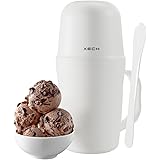
XECH Ice Cream Maker Machine for Home | Cordless Rechargeable Softy Ice Cream Machine for Kids & Family | Birthday Gift for Kids, Girls, Women, Men & Teachers | 400ml Bowl (Scoop)
₹1,399.00 (as of October 27, 2026 07:27 GMT +05:30 - More infoProduct prices and availability are accurate as of the date/time indicated and are subject to change. Any price and availability information displayed on [relevant Amazon Site(s), as applicable] at the time of purchase will apply to the purchase of this product.)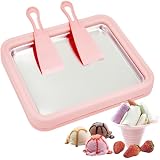
Instant Ice Cream Maker for Homemade Frozen Desserts – Quick Freeze Ice Cream Roll Pan Machine for DIY Ice Cream, Frozen Yogurt, Sorbet & Gelato Making at Home Kitchen
₹790.00 (as of October 27, 2026 07:27 GMT +05:30 - More infoProduct prices and availability are accurate as of the date/time indicated and are subject to change. Any price and availability information displayed on [relevant Amazon Site(s), as applicable] at the time of purchase will apply to the purchase of this product.)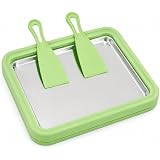
Instant Ice Cream Roll Maker Plate | Non-Stick Cold Frozen Dessert Pan with 2 Spatulas | DIY Homemade Rolled Ice Cream & Frozen Yogurt Making Kit
₹599.00 (as of October 27, 2026 07:27 GMT +05:30 - More infoProduct prices and availability are accurate as of the date/time indicated and are subject to change. Any price and availability information displayed on [relevant Amazon Site(s), as applicable] at the time of purchase will apply to the purchase of this product.)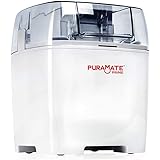
Puramate Prime Icecream Maker, 1.5L
₹2,299.00 (as of October 27, 2026 07:27 GMT +05:30 - More infoProduct prices and availability are accurate as of the date/time indicated and are subject to change. Any price and availability information displayed on [relevant Amazon Site(s), as applicable] at the time of purchase will apply to the purchase of this product.)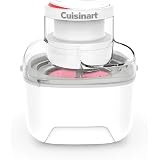
Cuisinart Solo Scoops Ice Cream Maker Homemade Gelato & Ice cream machine | Homemade Gelato, Ice Cream Machine-Ready in 25 Mins | Sorbet Maker | Frozen Yogurt Maker | Compact, space saving |
₹5,799.00 (as of October 27, 2026 07:27 GMT +05:30 - More infoProduct prices and availability are accurate as of the date/time indicated and are subject to change. Any price and availability information displayed on [relevant Amazon Site(s), as applicable] at the time of purchase will apply to the purchase of this product.)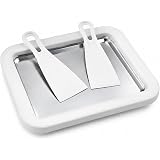
Ice Cream Roll Making Pan with 2 Spatulas, Manual Ice Cream Roll Plate for Homemade Rolled Ice Cream, Frozen Dessert Maker, Kulfi Roll & Ice Cream Making Pan for Kids and Adults
₹799.00 (as of October 27, 2026 07:27 GMT +05:30 - More infoProduct prices and availability are accurate as of the date/time indicated and are subject to change. Any price and availability information displayed on [relevant Amazon Site(s), as applicable] at the time of purchase will apply to the purchase of this product.)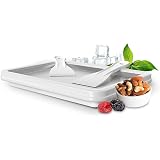
Overa Ice Cream Maker, Rolled Ice Cream Maker, Food Grade Stainless Steel Tray Type Instant Ice Cream Roll Maker For Family, DIY Making Soft Serve Ice Cream Machine, Frozen Yogurt, Ice Cream.
₹1,049.00 (as of October 27, 2026 07:27 GMT +05:30 - More infoProduct prices and availability are accurate as of the date/time indicated and are subject to change. Any price and availability information displayed on [relevant Amazon Site(s), as applicable] at the time of purchase will apply to the purchase of this product.)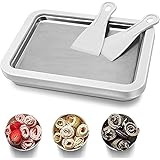
At-Home Rolled Ice Cream Maker - Magic Instant Freeze Pan for DIY Soft Serve & Frozen Yogurt. Easy-to-Use Ice Cream Rolling Tray with Spatulas. Ideal Summer Gift & Kitchen Activity for Kids (White)
₹790.00 (as of October 27, 2026 07:27 GMT +05:30 - More infoProduct prices and availability are accurate as of the date/time indicated and are subject to change. Any price and availability information displayed on [relevant Amazon Site(s), as applicable] at the time of purchase will apply to the purchase of this product.)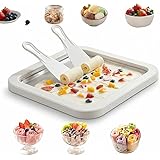
Rolled Ice Cream Maker Kit, DIY Ice Cream Roll Tray with 2 Scrapers, No Electricity Required, Stainless Steel Freezing Plate for Rolled Ice Cream, Frozen Yogurt, Sorbet
₹899.00 (as of October 27, 2026 07:27 GMT +05:30 - More infoProduct prices and availability are accurate as of the date/time indicated and are subject to change. Any price and availability information displayed on [relevant Amazon Site(s), as applicable] at the time of purchase will apply to the purchase of this product.)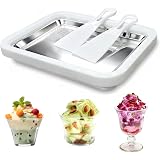
Rolled Ice Cream Maker with 2 Scrapers Food Grade Stainless
₹699.00 (as of October 27, 2026 07:27 GMT +05:30 - More infoProduct prices and availability are accurate as of the date/time indicated and are subject to change. Any price and availability information displayed on [relevant Amazon Site(s), as applicable] at the time of purchase will apply to the purchase of this product.)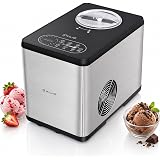
KILIG Dolcina Ice Cream Maker, 4 Modes, 1.5L, LED Touch, IM-02 | No Pre-Freezing; Soft & Hard Ice Cream, Milkshake & Stir; LED Touch Control
₹25,990.00 (as of October 27, 2026 07:27 GMT +05:30 - More infoProduct prices and availability are accurate as of the date/time indicated and are subject to change. Any price and availability information displayed on [relevant Amazon Site(s), as applicable] at the time of purchase will apply to the purchase of this product.)
HARIKRUPA Ice Cream Roll Maker Pan with 2 Spatulas | Instant DIY Rolled Ice Cream Maker Tray | Non-Stick Frozen Dessert Plate for Kids & Adults | Homemade Ice Cream, Yogurt & Gelato Maker
₹649.00 (as of October 27, 2026 07:27 GMT +05:30 - More infoProduct prices and availability are accurate as of the date/time indicated and are subject to change. Any price and availability information displayed on [relevant Amazon Site(s), as applicable] at the time of purchase will apply to the purchase of this product.)
RIEXO Instant Ice Cream Maker, Rolled Ice Cream Maker with Stainless Steel Freezing Plate, Frozen Yogurt & Soft Serve Dessert Maker, Manual Countertop Ice Cream Roll Machine for Home, White
Now retrieving the price.
(as of October 27, 2026 07:27 GMT +05:30 - More infoProduct prices and availability are accurate as of the date/time indicated and are subject to change. Any price and availability information displayed on [relevant Amazon Site(s), as applicable] at the time of purchase will apply to the purchase of this product.)
Instant Ice Cream Maker with Cold Plate for Rolled Ice Cream | Includes 2 Spatulas, DIY Homemade Desserts, Frozen Yogurt & Sorbet, Cold Plate Design
₹749.00 (as of October 27, 2026 07:27 GMT +05:30 - More infoProduct prices and availability are accurate as of the date/time indicated and are subject to change. Any price and availability information displayed on [relevant Amazon Site(s), as applicable] at the time of purchase will apply to the purchase of this product.)
VRIVA HOME Rolled Ice Cream Maker Machine for Home, DIY with Cold Plate and Spatulas, Homemade Frozen Dessert Maker for Creating Customwith Fruits, Cookies, Chocolate and Toppings
₹620.00 (as of October 27, 2026 07:27 GMT +05:30 - More infoProduct prices and availability are accurate as of the date/time indicated and are subject to change. Any price and availability information displayed on [relevant Amazon Site(s), as applicable] at the time of purchase will apply to the purchase of this product.)
2-in-1 Ice Cream Roll Maker Tray with 2 Spatulas | Stainless Steel Frozen Dessert Roll Making Pan | DIY Ice Cream, Kulfi & Frozen Treat Maker
₹599.00 (as of October 27, 2026 07:27 GMT +05:30 - More infoProduct prices and availability are accurate as of the date/time indicated and are subject to change. Any price and availability information displayed on [relevant Amazon Site(s), as applicable] at the time of purchase will apply to the purchase of this product.)
Kilig Dolce Ice Cream Maker for Home, Ice Cream, Gelato, Sorbet, Frozen Yogurt, Milkshake & Soft Serve, Freeze and Spin System, 2 to 4 Min cycle time
₹23,490.00 (as of October 27, 2026 07:27 GMT +05:30 - More infoProduct prices and availability are accurate as of the date/time indicated and are subject to change. Any price and availability information displayed on [relevant Amazon Site(s), as applicable] at the time of purchase will apply to the purchase of this product.)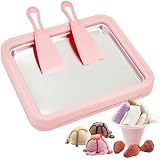
Instant Ice Cream Maker Roll Pan with 2 Spatulas | Soft Serve & Frozen Yogurt Maker | Food Grade Stainless Steel Freeze Plate | DIY Ice Cream Roll Machine for Home Kitchen (Pink/Green/White)
Now retrieving the price.
(as of October 27, 2026 07:27 GMT +05:30 - More infoProduct prices and availability are accurate as of the date/time indicated and are subject to change. Any price and availability information displayed on [relevant Amazon Site(s), as applicable] at the time of purchase will apply to the purchase of this product.)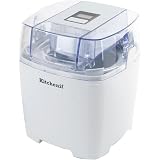
Kitchenif Digital Ice Cream Maker Machine for Home Sorbet Slush & Frozen Yoghurt Maker White 1500 ML Capacity
₹3,933.00 (as of October 27, 2026 07:27 GMT +05:30 - More infoProduct prices and availability are accurate as of the date/time indicated and are subject to change. Any price and availability information displayed on [relevant Amazon Site(s), as applicable] at the time of purchase will apply to the purchase of this product.)