
The Union Budget 2026–27 offers an interesting glimpse into where India’s education journey is headed. The Ministry of Education has been allotted ₹ 1,39,289 crores, which is an 8.27% increase from previous year. The conversation is pivoting towards outcomes, employability, and readiness for a changing world. The budget puts a strong emphasis on artificial intelligence, increased funding for research, improvements in digitalinfrastructureand a bridge between education and employment. This indicates India’s ambitious goal in preparation of youth for the future with employment opportunities.
For many of us who work closely with education systems, this shift feels timely and necessary. Over the last decade,there has been a strong policy focus on expanding digitalreachandstrengtheningfoundational learning.The challenge, however, isensuring that meaningful learning happens inside theclassroom for all the students.
Strengthening higher education
One of the most noticeable aspects of this year’sbudget is the paceat which higher education is being strengthened. In this light, the overall funding for Higher Education has increased. Investments in universities, research and the centres of excellence in artificial intelligence point to an economy that will be driven, in part, through knowledge, innovation and technology.
University townships and the‘Education to Employment and Enterprise’StandingCommittee areexamples of initiatives that are laying the groundwork for the rapidly changing nature ofwork and future-ready skilling. It is now clear, that a college or university degree alone will no longer be sufficient for the youth, and they willrequire professional skills,and develop anattitudeoflife-longlearning becausethe world is changing fast.
Teachers: The backbone
In this context, the budget is alsoimperativeinstrengthening pre-service teacher education at the higher education level.The expansion of the Integrated Teacher Education Programme (ITEP)/B.Ed.pathwayswill be criticalto ensure thatthe dividendsofthese reformsreachclassrooms and contribute tothe goals of Viksit Bharat 2047.
Yet, in the middle of this discussion on innovation and technology, one fundamental question often gets overlooked. Who will make these ideas real for millions of students across the country?
The answer, as always, lies in teachers.
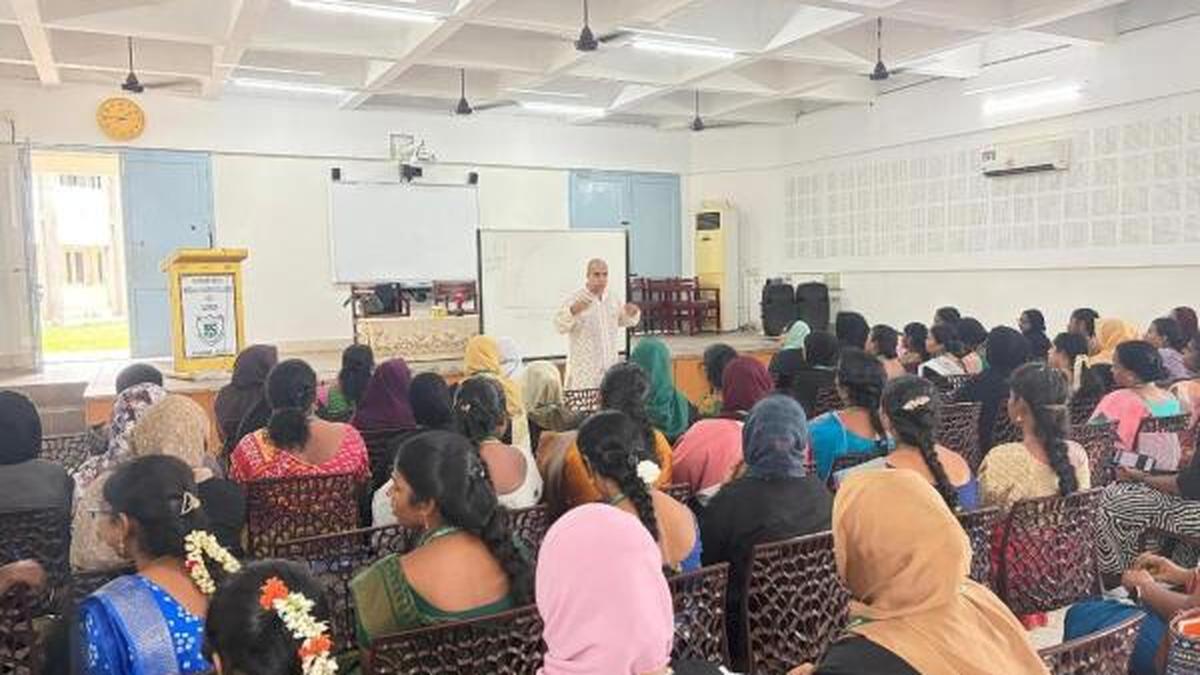
Each ambitious reform effort will eventually have an impact on what reaches inside the classrooms. The policies, digital tools, and curricular frameworks that make up implementing educational reform will only hold significance when teachers can make sense of them and apply them in daily practices. When teachers feel supported, confident, and professionally valued, reforms move from paper to practice. When they do not, even the most well-designed initiatives struggle to bring about a change.
In this context, the continued support for programmes such as Samagra Shiksha, PM-SHRI schools, and teacher development efforts is encouraging. These programmes are often viewed through the lens of infrastructure and resources, but their deeper value lies in the environment they create for educators. Better schools, stronger systems, and improved support structures directly influence how teachers teach and how students learn.
Focus on DIETs & SCERTs
Another important signal in this budget is the growing focus on strengthening institutions rather than launching entirely new schemes. India’s District Institutes of Education and Training (DIETs), State Councils of Educational Research and Training (SCERTs), and teacher education colleges are central to the long-term health of the system. For years, these institutions have carried enormous responsibility with limited capacity. Strengthening them is not a quick reform. It requiressustained attention to academic leadership, mentoring, collaboration with schools, and the ability to use data meaningfully.
The emphasis on information gathering, data collection, and actualising real-time data in this budget provides an opportunity to start movingtowards personalised learning and skill building forincreasingemployability. As more institutions begin utilising their data for decision-making rather than reporting, initiatives will become increasingly focused and targeted. In the case of professional development for teachers, this is essential as the key question often isn’t how many teachers participated in a training session but rather, are there improvements in their classroom practice post-training?
Training in educational technology
The emphasis on artificial intelligence and new technology sources also requires new levels of expectations. Educational technology should not be considered a standalone tool. Educators must receive proper training to implement new technology in a way that enhances student learning and does not create overload within the classroom. This means establishing an understanding of pedagogy, rather than simply becoming familiar with the gadget or software. Developing blended learning models that are both flexible and accessible will be crucial, especially for populations with many variations and limited resources.
The proposal to expand girls’ hostels and encourageagreater participationof girlsin STEM is another positive step. Increasing opportunities for young women has long-term benefits for economicand social progress. However, these investments must be supported by strong institutions and educators who can guide, mentor, and inspire the next generation.
Workforce readiness
The budget’s focus on workforce readiness is also significant. The expansion of the National Apprenticeship Training Scheme and the emphasis on skilling highlights the need to rethink how education prepares young people for real-world challenges. Teachers themselves are part of this transformation. Their preparation must include exposure to multidisciplinary thinking, evolving career pathways, and continuous professional growth.
The Malaviya Mission Teacher Training Programme, though modest in scale, reflects this larger recognition. Investments in teacher capacity rarely make headlines, yet they remain one of the most powerful drivers of long-term change. Countries that have improved learning outcomes consistently have done so by investing in teachers, not only in infrastructure.
The global conversation on education often focuses on the percentage of GDP allocated to the sector. While this comparison has its place, India’s immediate challenge is not only about spending more, but about using resources more effectively. The coming years will require deeper collaboration between governments, institutions, and the development sector to ensure that reforms are sustained and responsive to local needs.
Globally, many economies invest between 6–7% of GDP in education. India’s trajectory shows steady progress. The larger question before us is not comparison, but aspiration.
Budgets allocate resources, teachers create outcomes and ultimately, classrooms determine the future.
(Sonakshi Agarwal, Managing Director, Sterlite EdIndia Foundation)
(Sign up for THEdge, The Hindu’s weekly educationnewsletter.)