
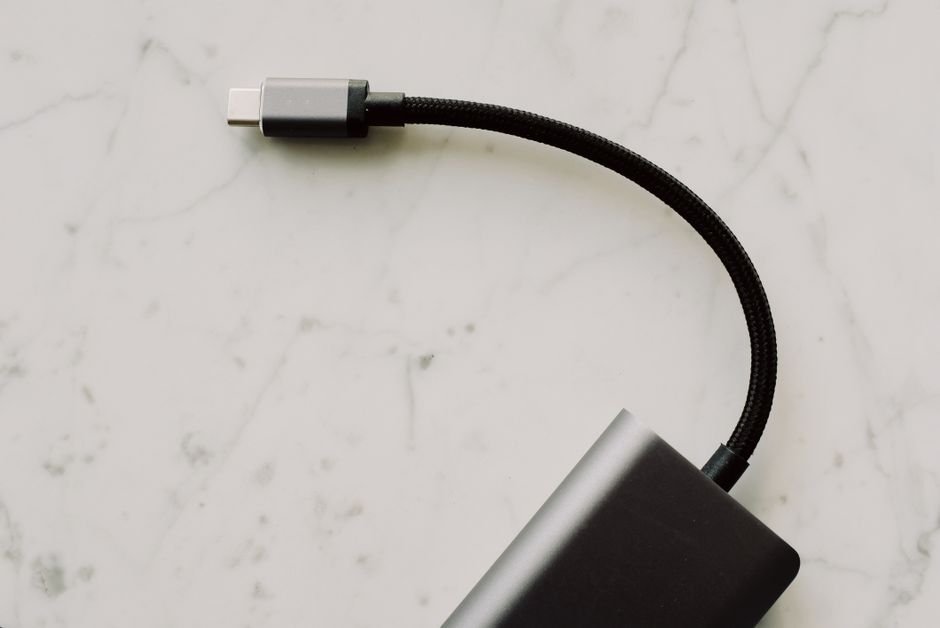
Type-C Universal Fast Charger: Powering Your Digital Life
The ubiquitous smartphone, the sleek tablet, the powerful laptop, the ever-present smartwatch – our digital lives are powered by an ever-growing ecosystem of portable electronics. For years, this convenience came with a tangled mess of proprietary chargers, each device demanding its own unique power brick and cable. Then, a quiet revolution began, spearheaded by the humble yet mighty USB Type-C port. This article delves into the transformative power of the Type-C universal fast charger, exploring its technology, benefits, and how it’s fundamentally reshaping how we power our connected world.
At its core, the Type-C universal fast charger leverages the advanced capabilities of the USB Power Delivery (USB PD) standard. Unlike older USB charging protocols that offered limited and often device-specific power outputs, USB PD is a dynamic and intelligent system. It allows for negotiation between the charger and the connected device, enabling them to communicate their power requirements and capabilities. This means a single Type-C charger can deliver vastly different power levels – from a trickle charge for earbuds to a robust 100W or even higher for a power-hungry laptop – all optimized for the specific device plugged in. This adaptability is the cornerstone of its “universal” appeal.
The physical design of the Type-C connector itself plays a crucial role. Its symmetrical, reversible nature eliminates the frustration of fumbling to plug in a cable the “right way up.” This seemingly small ergonomic improvement contributes significantly to user experience, especially in low-light conditions or when multitasking. Beyond its convenience, the Type-C connector is engineered for higher bandwidth and power transfer, making it capable of handling the demands of modern fast-charging technologies.
The “fast” in Type-C universal fast charger is powered by various charging protocols that operate over USB PD. While USB PD is the overarching standard, manufacturers often implement proprietary enhancements or adhere to specific fast-charging specifications like Qualcomm Quick Charge (QC) or Samsung Adaptive Fast Charging. The beauty of USB PD is its backward compatibility and interoperability. Even if a charger and device don’t share the exact same proprietary fast-charging technology, they can still negotiate a mutually agreeable power level via the USB PD standard, ensuring a faster charge than traditional 5W chargers. This allows for a seamless charging experience across a multitude of brands and device types.
The benefits of adopting Type-C universal fast chargers are multifaceted and impact consumers and manufacturers alike. For consumers, the primary advantage is reduced clutter and enhanced convenience. Imagine a single charger capable of powering your smartphone, tablet, e-reader, wireless headphones, and even your portable gaming console. This eliminates the need for multiple chargers, saving space in bags, desks, and travel kits. The ability to grab any compatible Type-C cable and charger and know it will likely work efficiently with your device is a significant simplification of daily life.
Furthermore, increased charging speeds are a major draw. Modern smartphones and laptops can go from empty to a substantial charge in a fraction of the time compared to older charging methods. This is particularly invaluable for individuals on the go, business professionals, and students who rely heavily on their devices throughout the day. The time saved by a quick top-up can be the difference between missing an important call or completing a crucial task.
From an environmental perspective, reduced electronic waste is a compelling argument for universal charging. The proliferation of proprietary chargers has historically contributed to a significant amount of e-waste as devices become obsolete or cables fray. By standardizing on Type-C, manufacturers can reduce the number of unique charging accessories they produce, and consumers can invest in fewer, more durable charging solutions. This aligns with a growing global consciousness towards sustainability.
The adoption of Type-C also fosters greater device interoperability. As more devices adopt the Type-C standard, the lines between different product categories begin to blur. A laptop charger can potentially charge a tablet, and a high-wattage phone charger might be able to provide a modest charge to a smaller laptop. This cross-compatibility simplifies the user experience and encourages a more integrated digital ecosystem.
When choosing a Type-C universal fast charger, several factors warrant consideration. Wattage is paramount. This indicates the maximum power the charger can deliver. For smartphones, 18W to 30W is typically sufficient for fast charging. Tablets might require 30W to 65W, while modern laptops can demand 65W to 100W or even more. It’s crucial to match the charger’s wattage to the power needs of your most demanding device, while understanding that it will intelligently down-regulate for less power-hungry gadgets.
USB PD compliance is another critical specification. Look for chargers that explicitly state support for USB Power Delivery. This ensures compatibility and the ability to negotiate optimal charging speeds. Some chargers might also support specific fast-charging protocols like Qualcomm Quick Charge, which can provide an additional speed boost if both the charger and your device support it.
GaN (Gallium Nitride) technology represents a significant advancement in charger design. GaN is a semiconductor material that allows for smaller, more efficient, and cooler-running chargers compared to traditional silicon-based components. This translates to more compact chargers that are easier to carry and generate less heat during operation, enhancing safety and longevity. Many of the latest high-wattage Type-C chargers utilize GaN technology.
Number and type of ports are also important. While a single Type-C port is common, many chargers now offer multiple ports, including additional USB-A ports for legacy devices. This can further enhance the “universal” aspect, allowing you to charge multiple devices simultaneously with a single power adapter. Pay attention to the wattage distribution across these ports, as some chargers may share power between ports.
Brand reputation and safety certifications should not be overlooked. Reputable brands are more likely to adhere to safety standards and produce reliable products. Look for certifications like UL, CE, or FCC, which indicate that the charger has undergone rigorous testing for electrical safety and electromagnetic interference.
The evolution of Type-C universal fast chargers is an ongoing narrative. Manufacturers are continually pushing the boundaries of power delivery, with chargers now capable of delivering over 200W, enabling the charging of multiple high-performance devices simultaneously. The development of intelligent charging algorithms is also improving battery health by optimizing charging cycles. As the USB PD standard continues to evolve, we can expect even faster charging speeds and greater interoperability between an ever-expanding array of electronic devices. The Type-C universal fast charger is not just a convenient accessory; it’s a fundamental enabler of our increasingly mobile and connected digital existence, simplifying our lives one empowered device at a time.