
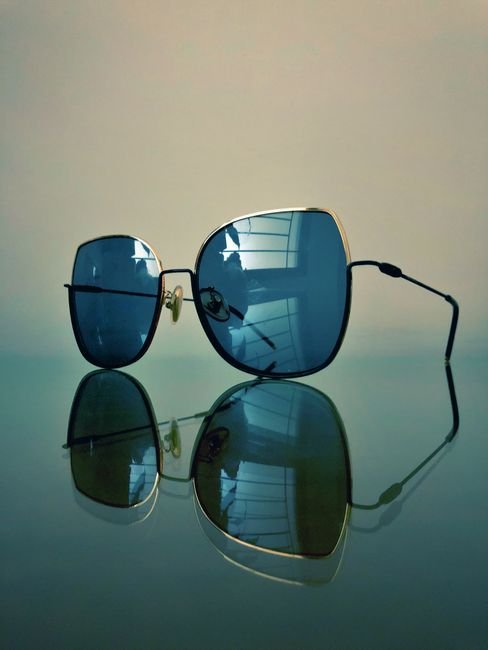
Travel Smart: Pack These UV Protection Sunglasses for Every Adventure
The allure of travel is undeniable – the promise of new horizons, vibrant cultures, and breathtaking landscapes. Yet, amidst the excitement of planning itineraries and booking flights, a crucial element for safeguarding your well-being often gets overlooked: eye protection. Specifically, the humble yet indispensable pair of sunglasses. Far more than a fashion accessory, high-quality sunglasses with robust UV protection are a non-negotiable travel essential, shielding your eyes from the damaging effects of ultraviolet radiation.
Understanding UV radiation and its impact on your eyes is the first step towards truly traveling smart. The sun emits two primary types of UV rays that reach Earth: UVA and UVB. UVA rays penetrate deep into the skin and contribute to premature aging, while UVB rays are the primary cause of sunburn. Both, however, can have detrimental effects on your eyes. Prolonged exposure to UV radiation without adequate protection can lead to a spectrum of ocular health issues, ranging from immediate discomfort to long-term vision impairment.
The most common immediate consequence of excessive UV exposure is photokeratitis, often referred to as “snow blindness” or “sunburn of the cornea.” This painful condition causes inflammation of the cornea, leading to symptoms like redness, tearing, blurred vision, and a gritty sensation in the eyes. While usually temporary, it can be incredibly debilitating, especially when you’re miles away from home and relying on your vision to navigate unfamiliar surroundings.
Beyond the immediate discomfort, chronic exposure to UV rays significantly increases the risk of developing more serious, long-term eye conditions. Pterygium, a fleshy growth that can extend from the conjunctiva onto the cornea, is strongly linked to UV exposure. Similarly, cataracts, a clouding of the eye’s lens that impairs vision and can eventually lead to blindness, are also exacerbated by cumulative UV damage. Macular degeneration, a leading cause of vision loss in older adults, has also been associated with prolonged exposure to sunlight.
This is where investing in sunglasses with certified UV protection becomes paramount. Not all sunglasses are created equal, and a stylish pair with dark lenses doesn’t automatically guarantee effective UV blocking. Look for labels that explicitly state “100% UV protection” or “UV 400.” This signifies that the lenses block all harmful UVA and UVB rays up to 400 nanometers, offering comprehensive defense for your eyes. Lens technology has advanced considerably, offering various options to suit different needs and preferences.
Polarized lenses are a significant upgrade for any traveler. They work by filtering out horizontal light waves, which are the primary cause of glare. Glare can be incredibly disruptive, especially when driving, boating, or engaging in any activity near water or snow. By reducing glare, polarized sunglasses enhance visual clarity, reduce eye strain, and improve contrast, making your travels more comfortable and safer. Imagine driving along a sun-drenched coastal road or hiking across a snow-covered mountain pass – the difference polarized lenses make is profound.
For travelers venturing into intensely bright environments, such as deserts, high altitudes, or tropical beaches, lenses with enhanced darkness or photochromic properties are highly beneficial. Darker tints reduce the overall amount of visible light entering the eye, providing greater comfort in bright conditions. Photochromic lenses, also known as transition lenses, automatically adjust their tint based on UV light intensity. They darken in bright sunlight and become clear indoors or in low light, offering a convenient, all-in-one solution for varying light conditions.
When choosing your travel sunglasses, consider the frame style and fit. A wraparound design offers superior protection by minimizing the amount of UV light that can enter from the sides, top, and bottom. This is particularly important for active travelers or those spending extended periods outdoors. Ensure the frames are comfortable and secure on your face, as you won’t want them to slip or cause discomfort during your adventures. Materials like lightweight acetate or durable nylon are excellent choices for travel-friendly frames.
The material of the lenses also plays a role. Polycarbonate lenses are a popular choice for sunglasses due to their impact resistance and lightweight nature, making them ideal for active pursuits where accidental drops or impacts are a possibility. Trivex lenses offer similar benefits to polycarbonate, with added clarity and scratch resistance. For those prioritizing optical clarity above all else, glass lenses provide the sharpest vision but are heavier and more prone to shattering.
Beyond the technical specifications, consider the context of your travel destinations. If you’re heading to the tropics, where the sun’s rays are more intense and reflective surfaces like sand and water are abundant, robust UV protection and polarization are non-negotiable. For high-altitude treks, where UV radiation is stronger due to thinner atmosphere, comprehensive UVA and UVB blocking is crucial. Even in urban environments, UV rays can still reach your eyes, especially during peak daylight hours, so having protective sunglasses readily available is always wise.
Don’t underestimate the importance of this simple yet effective piece of gear. Investing in a good pair of UV protection sunglasses is an investment in your long-term eye health and the overall enjoyment of your travels. By understanding the risks associated with UV exposure and choosing sunglasses with the right features, you can ensure your eyes are protected, allowing you to fully immerse yourself in the beauty and wonder of the world. So, before you pack your bags, make sure a reliable pair of UV protection sunglasses is at the top of your list. Your eyes will thank you for it, today and for years to come.