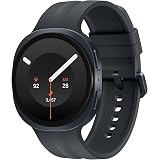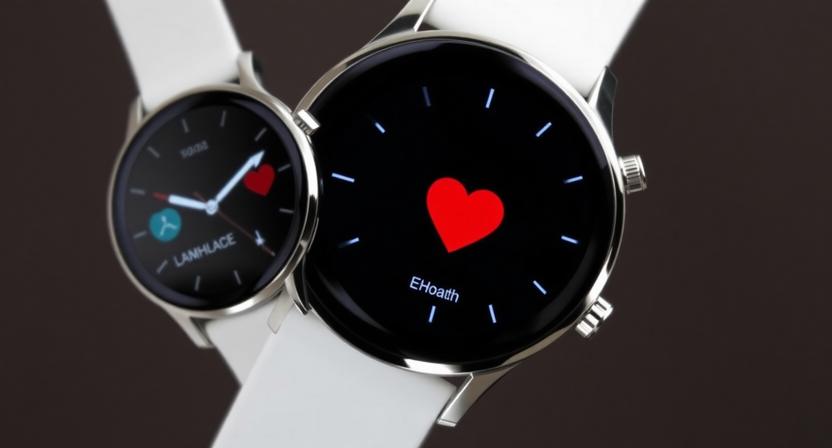
In 2026, smartwatches have transcended mere timekeeping and notification devices, evolving into sophisticated personal health companions. For individuals prioritizing cardiovascular well-being, the market now offers a compelling array of wearables capable of continuous and insightful heart health monitoring. These devices, armed with advanced sensors and intelligent algorithms, empower users to track vital metrics, detect potential irregularities, and gain a proactive understanding of their cardiac health. This in-depth guide explores the leading smartwatches in 2026 that excel in heart health monitoring, examining their features, accuracy, and overall value.
Apple Watch Series 9: The Gold Standard for Comprehensive Cardiac Insights
The Apple Watch Series 9 continues to set the benchmark for integrated health tracking, with its cardiac capabilities remaining a paramount feature. Its electrocardiogram (ECG) app, a revolutionary addition, allows users to take on-demand ECG readings, detecting signs of atrial fibrillation (AFib) with remarkable accuracy. This feature, FDA-cleared, provides medical-grade insights that can be shared with healthcare professionals, facilitating early diagnosis and intervention. Beyond the ECG, the Series 9 offers continuous heart rate monitoring, providing alerts for unusually high or low heart rates, as well as irregular rhythm notifications. The new Temperature Sensing feature, while primarily geared towards women’s health, can indirectly offer insights into heart rate fluctuations related to hormonal cycles. The Crash Detection feature, though not directly heart-related, adds an extra layer of safety, which can be crucial for individuals with underlying cardiac conditions. The Optical Heart Sensor is the backbone of its continuous monitoring, providing a wealth of data on resting heart rate, workout heart rate zones, and recovery heart rate. The sheer volume of data collected, coupled with Apple’s robust Health app ecosystem, allows for detailed trend analysis and personalized health recommendations. For iPhone users, the seamless integration and user-friendly interface make the Series 9 an unparalleled choice for holistic heart health management.
Samsung Galaxy Watch 6: Advanced ECG and Blood Pressure Monitoring for Android Users
For the Android ecosystem, the Samsung Galaxy Watch 6 emerges as a formidable contender, boasting advanced cardiac monitoring features that rival its iOS counterpart. The ECG app on the Galaxy Watch 6 enables users to capture single-lead ECG readings, similar to the Apple Watch, aiding in the detection of AFib. A standout feature exclusive to select regions (due to regulatory approvals) is the Blood Pressure monitoring. This innovative functionality, requiring regular calibration with a traditional cuff, offers users a convenient way to track their blood pressure trends directly from their wrist. While not a substitute for clinical measurements, it provides valuable longitudinal data. The watch also provides heart rate monitoring with alerts for high, low, and irregular rhythms. Its comprehensive Sleep Tracking goes beyond just duration, analyzing sleep stages and providing insights into sleep quality, which can be indirectly linked to cardiovascular health. The Body Composition Analysis feature, while not directly cardiac, can offer insights into overall health that influence heart health. The integration with the Samsung Health platform ensures a centralized hub for all health data.
Fitbit Sense 2: Holistic Heart Health with Stress Management
Fitbit has long been a leader in accessible health tracking, and the Sense 2 continues this legacy with a strong focus on heart health and stress management. Its cornerstone feature is the Electrodermal Activity (EDA) sensor, which measures the body’s subtle sweating responses, a key indicator of stress. By correlating EDA scans with heart rate variability (HRV), the Sense 2 provides a comprehensive Stress Management Score, offering actionable insights and guided breathing exercises to help users manage stress, a significant factor in cardiovascular health. The watch also includes ECG capabilities for detecting AFib and provides continuous heart rate monitoring with high/low heart rate alerts. The Blood Oxygen (SpO2) monitoring feature offers another layer of insight into respiratory and cardiovascular function. Fitbit’s ecosystem, known for its user-friendly interface and detailed reporting, makes it easy to understand and act upon the collected data. The emphasis on holistic well-being, including sleep tracking and activity metrics, further supports a heart-healthy lifestyle.
Garmin Venu 3: Advanced Metrics for Active Lifestyles
Garmin, renowned for its robust sports and fitness tracking, brings its expertise to heart health monitoring with the Venu 3. While it may not offer on-demand ECG, it excels in providing a wealth of continuous heart rate data, including Heart Rate Variability (HRV) Status, which offers insights into your body’s recovery and overall stress levels. The Venu 3 provides advanced Pulse Ox (Blood Oxygen) monitoring, giving a clearer picture of your body’s oxygen absorption. Its Body Battery™ Energy Monitor helps users understand their energy reserves throughout the day, correlating with activity and recovery, both crucial for cardiovascular health. For those who engage in regular exercise, the Venu 3 offers detailed workout tracking with advanced metrics and heart rate zone analysis. The Sleep Score and Advanced Sleep Monitoring provide detailed breakdowns of sleep stages, helping users optimize rest for better recovery and heart health. The bright AMOLED display and extensive sports profiles make it an attractive option for active individuals seeking in-depth cardiac insights.
Withings ScanWatch 2: Medical-Grade Accuracy in a Classic Design
For those who prefer a more traditional watch aesthetic without compromising on advanced health features, the Withings ScanWatch 2 stands out. It boasts medical-grade ECG capabilities for detecting AFib and provides on-demand SpO2 readings. The key differentiator is its continuous medical-grade heart rate monitoring, which is designed for high accuracy and reliability. The ScanWatch 2 also tracks respiratory rate and offers sleep tracking with analysis of sleep stages and disturbances. Its unique temperature sensing feature can provide insights into potential physiological changes, indirectly relevant to overall health. The watch also incorporates activity tracking with automatic workout detection. The long battery life and elegant design make it a compelling choice for individuals who want discreet yet powerful heart health monitoring. The accompanying Health Mate app provides comprehensive data visualization and health insights.
Key Heart Health Features to Consider in 2026:
When evaluating smartwatches for heart health monitoring in 2026, several key features warrant close attention:
- ECG (Electrocardiogram): The ability to take on-demand ECG readings is crucial for detecting irregular heart rhythms like AFib. Look for FDA-cleared or equivalent certifications for accuracy.
- Continuous Heart Rate Monitoring: This provides a baseline of your heart’s activity, allowing for the detection of significant deviations from your normal resting heart rate.
- Irregular Rhythm Notifications: Algorithms that can identify potential signs of AFib or other irregular heartbeats are invaluable for early detection.
- Heart Rate Variability (HRV) Tracking: HRV is a key indicator of your autonomic nervous system’s balance and can reflect stress levels, recovery status, and overall cardiovascular health.
- Blood Oxygen (SpO2) Monitoring: This metric can provide insights into your body’s oxygen absorption and can be an indicator of respiratory and cardiovascular function.
- Blood Pressure Monitoring (where available and regulated): While still evolving and requiring calibration, this feature offers a convenient way to track blood pressure trends.
- Stress Management Tools: Features that track stress levels (e.g., EDA scans) and offer guided breathing or mindfulness exercises can significantly impact cardiovascular health.
- Sleep Tracking: Quality sleep is vital for heart health. Comprehensive sleep stage analysis and insights into sleep disturbances are important.
- Activity and Workout Tracking: Understanding your heart rate response during exercise and recovery is fundamental for optimizing your fitness and cardiovascular well-being.
- Data Integration and App Ecosystem: The ability to seamlessly integrate data with a comprehensive health app (e.g., Apple Health, Samsung Health, Fitbit app, Garmin Connect) for analysis and sharing with healthcare providers is essential.
- Accuracy and Certification: Prioritize devices with proven accuracy and regulatory certifications (e.g., FDA clearance) for their health monitoring features.
- Battery Life: Continuous monitoring can be power-intensive. Consider a smartwatch with sufficient battery life to avoid frequent charging interruptions.
- Comfort and Design: For 24/7 wear, comfort and a design that suits your lifestyle are important factors.
The smartwatches highlighted in this guide represent the pinnacle of heart health monitoring technology available in 2026. By understanding their individual strengths and considering the key features that align with your personal health goals, you can make an informed decision to empower your cardiovascular well-being.
Amazfit Bip Max 50mm Smartwatch, 2.07" AMOLED Display, 20 Days of Battery, GPS, 4GB Storage, Offline Maps, Fitness Tracker, Hybrid Training, 150+ Sports, HYROX Mode, 5 ATM for Android & iPhone, Silver
₹10,999.00 (as of September 21, 2026 21:19 GMT +05:30 - More infoProduct prices and availability are accurate as of the date/time indicated and are subject to change. Any price and availability information displayed on [relevant Amazon Site(s), as applicable] at the time of purchase will apply to the purchase of this product.)
T8OO Mens & Womens Smartwatch | Bluetooth Calling | 1.99" HD Touch Display | 1-Game | Calculator | Calander | Fitness & Sports Mode | Waterproof | Change Wallpaper | O109 | (Free Size, Orange Straps)
₹499.00 (as of September 21, 2026 21:19 GMT +05:30 - More infoProduct prices and availability are accurate as of the date/time indicated and are subject to change. Any price and availability information displayed on [relevant Amazon Site(s), as applicable] at the time of purchase will apply to the purchase of this product.)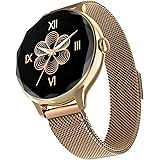
Noise Diva (Smartchoice) Smartwatch with Diamond Cut dial, Glossy Metallic Finish, AMOLED Display, Mesh Metal and Leather Strap Options, Female Cycle Tracker smart Watch for Women (Gold Link)
₹3,499.00 (as of September 21, 2026 21:19 GMT +05:30 - More infoProduct prices and availability are accurate as of the date/time indicated and are subject to change. Any price and availability information displayed on [relevant Amazon Site(s), as applicable] at the time of purchase will apply to the purchase of this product.)
NoiseFit Halo 1.43" AMOLED Display, Bluetooth Calling Round Dial Smart Watch, Premium Metallic Build, Always on Display, Smart Gesture Control, 100 Sports Modes (Vintage Brown)
₹2,799.00 (as of September 21, 2026 21:19 GMT +05:30 - More infoProduct prices and availability are accurate as of the date/time indicated and are subject to change. Any price and availability information displayed on [relevant Amazon Site(s), as applicable] at the time of purchase will apply to the purchase of this product.)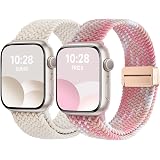
Fullmosa 2 Pack Magnetic Nylon Strap for Apple Watch | 49 46 45 44 42 41 40 38mm, Soft Elastic Loop Braided Sport Band for iWatch SE/Ultra 4/3/2/1 Series 12 11 10 9 8 7 6 5 4 3 2 1
₹999.00 (as of September 21, 2026 21:19 GMT +05:30 - More infoProduct prices and availability are accurate as of the date/time indicated and are subject to change. Any price and availability information displayed on [relevant Amazon Site(s), as applicable] at the time of purchase will apply to the purchase of this product.)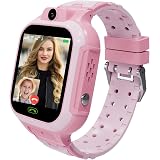
4G Kids Smart Watch GPS Tracker - Smartwatch with Two Way Call Video Calling Voice Chat SOS Class Mode Stopwatch Pedometer Games Wi-Fi Touch Screen Alarm Clock, Rose Pink
₹2,999.00 (as of September 21, 2026 21:19 GMT +05:30 - More infoProduct prices and availability are accurate as of the date/time indicated and are subject to change. Any price and availability information displayed on [relevant Amazon Site(s), as applicable] at the time of purchase will apply to the purchase of this product.)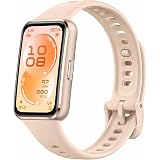
Huawei Band 11 Health & Fitness Tracker, Enhanced Sleep Tracking, All-Day Health Monitoring, Ultra-Slim & Comfort Wear, Compatible with iOS & Android, Smart Watch, Metal (Beige)
₹5,299.00 (as of September 21, 2026 21:19 GMT +05:30 - More infoProduct prices and availability are accurate as of the date/time indicated and are subject to change. Any price and availability information displayed on [relevant Amazon Site(s), as applicable] at the time of purchase will apply to the purchase of this product.)
boAt Lunar Discovery – 2026 Edition w/ 1.39" (3.5 cm) HD Display, Bluetooth Calling, Emergency SOS, HR, SpO2 & Sleep Tracking Smart Watch for Men & Women (Active Black)
₹1,599.00 (as of September 21, 2026 21:19 GMT +05:30 - More infoProduct prices and availability are accurate as of the date/time indicated and are subject to change. Any price and availability information displayed on [relevant Amazon Site(s), as applicable] at the time of purchase will apply to the purchase of this product.)
Noise Pulse 4 Max Smart Watch with AI Create (India's 1st Ever with Unlimited Watch Faces), AI Search, 1.96" AMOLED Display, Functional Crown, Premium Metallic Finish, Health Suite (Jet Black)
₹2,499.00 (as of September 21, 2026 21:19 GMT +05:30 - More infoProduct prices and availability are accurate as of the date/time indicated and are subject to change. Any price and availability information displayed on [relevant Amazon Site(s), as applicable] at the time of purchase will apply to the purchase of this product.)
TARASHI CREATION T800 Ultra Smart Watch with Orange Strap | Bluetooth Connectivity, Fitness Tracking, HD Display
₹465.00 (as of September 21, 2026 21:19 GMT +05:30 - More infoProduct prices and availability are accurate as of the date/time indicated and are subject to change. Any price and availability information displayed on [relevant Amazon Site(s), as applicable] at the time of purchase will apply to the purchase of this product.)
LUKADUKKA 1.83" AMOLED Bluetooth Calling Smartwatch with 100+ Sports Modes, IP67 Water Resistance & Ocean Band (Orange)
₹499.00 (as of September 21, 2026 21:19 GMT +05:30 - More infoProduct prices and availability are accurate as of the date/time indicated and are subject to change. Any price and availability information displayed on [relevant Amazon Site(s), as applicable] at the time of purchase will apply to the purchase of this product.)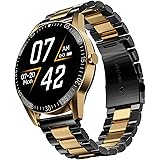
Fire-Boltt Talk Ultra 1.39" Round Display Stainless Steel Luxury Smart Watch, Bluetooth Calling & 360 Health Monitoring, 123 Sports Modes, Inbuilt Voice Assistant (Black Dual)
₹1,099.00 (as of September 21, 2026 21:19 GMT +05:30 - More infoProduct prices and availability are accurate as of the date/time indicated and are subject to change. Any price and availability information displayed on [relevant Amazon Site(s), as applicable] at the time of purchase will apply to the purchase of this product.)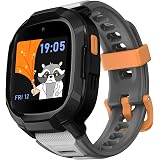
Noise Junior Explorer 2 Smart Watch for Kids with 4G SIM Compatible, 2-Way Video & Voice Calling, Geofencing, Real Time Location Monitoring via Google Maps, IP68, SOS Emergency Alerts (Lava Blast)
₹6,499.00 (as of September 21, 2026 21:19 GMT +05:30 - More infoProduct prices and availability are accurate as of the date/time indicated and are subject to change. Any price and availability information displayed on [relevant Amazon Site(s), as applicable] at the time of purchase will apply to the purchase of this product.)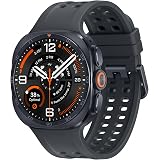
Samsung Galaxy Watch Ultra2 (47mm LTE, Titanium Grey)
₹56,043.00 (as of September 21, 2026 21:19 GMT +05:30 - More infoProduct prices and availability are accurate as of the date/time indicated and are subject to change. Any price and availability information displayed on [relevant Amazon Site(s), as applicable] at the time of purchase will apply to the purchase of this product.)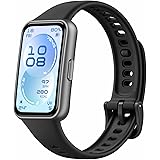
Huawei Band 11 Health & Fitness Tracker, Enhanced Sleep Tracking, All-Day Health Monitoring, Ultra-Slim & Comfort Wear, iOS & Android Compatible, Smart Watch. (Black)
₹4,599.00 (as of September 21, 2026 21:19 GMT +05:30 - More infoProduct prices and availability are accurate as of the date/time indicated and are subject to change. Any price and availability information displayed on [relevant Amazon Site(s), as applicable] at the time of purchase will apply to the purchase of this product.)
Noise Vortex Plus 1.46" AMOLED Display, AoD, BT Calling, Sleek Metal Finish, 7 Days Battery Life, All New OS with 100+ Watch Faces & Health Suite (Black)
₹2,199.00 (as of September 21, 2026 21:19 GMT +05:30 - More infoProduct prices and availability are accurate as of the date/time indicated and are subject to change. Any price and availability information displayed on [relevant Amazon Site(s), as applicable] at the time of purchase will apply to the purchase of this product.)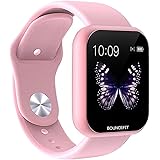
Bouncefit D20 Y68 Fitness Band Smart Watch for Men, Women, Boys, Girls, Kids – Single Touch Interface, Water Resistant, Workout Modes, Quick Charge Sports Smartwatch – Pink
₹396.00 (as of September 21, 2026 21:19 GMT +05:30 - More infoProduct prices and availability are accurate as of the date/time indicated and are subject to change. Any price and availability information displayed on [relevant Amazon Site(s), as applicable] at the time of purchase will apply to the purchase of this product.)
Bluetooth Calling Smart Watch with HD Full Touch Display, Heart Rate and Sleep Tracking, Silicone Strap, for Men and Women (Pink, Free Size, Smart Watch)
₹749.00 (as of September 21, 2026 21:19 GMT +05:30 - More infoProduct prices and availability are accurate as of the date/time indicated and are subject to change. Any price and availability information displayed on [relevant Amazon Site(s), as applicable] at the time of purchase will apply to the purchase of this product.)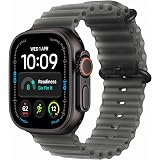
Apple Watch Ultra 4 GPS + Cellular 49mm Smartwatch | Natural Titanium Case, Translucent Black Ocean Band - One Size. Advanced Health + Fitness Tracking, 2+ Day Battery
₹1,09,900.00 (as of September 21, 2026 21:19 GMT +05:30 - More infoProduct prices and availability are accurate as of the date/time indicated and are subject to change. Any price and availability information displayed on [relevant Amazon Site(s), as applicable] at the time of purchase will apply to the purchase of this product.)