For homeowners with sprawling residences, the quest for seamless, robust WiFi coverage can feel like an endless battle. Dead zones, dropped connections, and sluggish speeds are frustrating realities that plague even the most tech-savvy individuals. The culprit is often a router ill-equipped to handle the sheer scale and complexity of a large home. This article delves into the essential features and technologies that define the ultimate WiFi router for large homes, ensuring your entire property is blanketed in high-speed, reliable internet, without compromise.
Understanding the Unique Challenges of Large Homes
Large homes present a distinct set of WiFi challenges. Thick walls constructed from dense materials like brick or concrete act as significant signal impediments. Multiple floors create vertical signal obstruction. The sheer distance between the router and far-flung rooms or outdoor living spaces further degrades signal strength. Furthermore, the increased number of connected devices – smart TVs, laptops, smartphones, smart home gadgets – demands a router with substantial capacity and processing power to handle simultaneous traffic without performance degradation. Traditional single-unit routers, designed for smaller spaces, simply cannot overcome these obstacles.
Beyond the Basic: Key Technologies for Superior Coverage
Achieving comprehensive coverage in a large home requires a router that leverages advanced technologies. The most impactful are:
-
Mesh WiFi Systems: This is arguably the most critical technology for large homes. Mesh systems consist of a main router and several satellite nodes strategically placed throughout the house. These nodes communicate with each other, creating a single, unified WiFi network. As you move through your home, your devices automatically connect to the node with the strongest signal, ensuring a seamless transition without manual intervention. Unlike traditional extenders that create separate networks and halve bandwidth, mesh nodes work in tandem, intelligently routing traffic for optimal performance.
-
Tri-Band or Quad-Band Technology: While dual-band (2.4GHz and 5GHz) is standard, tri-band (adding a second 5GHz band) or quad-band (adding a second 5GHz and a 6GHz band in Wi-Fi 6E) offers significant advantages for large, busy homes. The additional bands provide dedicated backhaul channels for communication between mesh nodes, freeing up the other bands for device traffic. This dramatically reduces congestion and boosts overall speed and stability, especially when many devices are active.
-
Wi-Fi 6 (802.11ax) and Wi-Fi 6E: These latest WiFi standards are game-changers. Wi-Fi 6 introduces technologies like OFDMA (Orthogonal Frequency Division Multiple Access) and MU-MIMO (Multi-User, Multiple-Input, Multiple-Output). OFDMA allows the router to communicate with multiple devices simultaneously on the same channel, significantly improving efficiency and reducing latency. MU-MIMO enables the router to send and receive data from multiple devices at once, rather than sequentially. Wi-Fi 6E takes this a step further by utilizing the 6GHz spectrum, which is less congested and offers higher speeds and lower latency. For large homes with numerous connected devices, these advancements are crucial for maintaining performance.
-
Beamforming Technology: This intelligent feature directs WiFi signals directly towards connected devices, rather than broadcasting them omnidirectionally. This concentrates the signal strength where it’s needed most, improving range and reliability for individual devices, especially those at a distance from the router or node.
-
High-Gain Antennas: While mesh systems are paramount, the quality of the antennas on both the main router and nodes still matters. High-gain antennas can further enhance signal strength and reach, pushing WiFi signals further into challenging areas.
Essential Features for a Premium Experience
Beyond the core technologies, several features elevate a WiFi router from good to exceptional for large homes:
-
Ample Ethernet Ports: While WiFi is king, wired connections offer the most stable and fastest speeds for stationary devices like gaming consoles, desktop computers, and smart TVs. A high-end router for a large home should offer at least 4-8 Gigabit Ethernet ports on the main unit and potentially a few on the satellite nodes.
-
Robust Security Features: With an expanded network, security becomes even more paramount. Look for routers that support WPA3 encryption, offer built-in firewalls, and provide features like guest network isolation and parental controls. Many premium routers also offer integrated cybersecurity suites that can protect your entire home network from malware and phishing attempts.
-
User-Friendly App and Management Interface: Managing a complex mesh network should be intuitive. A well-designed mobile app allows for easy setup, node placement guidance, device management, speed testing, and firmware updates. Advanced users will appreciate a comprehensive web-based interface for fine-tuning settings.
-
Dedicated Backhaul: As mentioned, tri-band and quad-band systems often utilize one of the bands as a dedicated wireless backhaul for communication between nodes. This is significantly more efficient than using the same bands for device traffic and backhaul, leading to much better overall performance. Some mesh systems also offer the option for wired backhaul, connecting nodes via Ethernet cables for the absolute fastest and most stable inter-node communication.
-
Scalability: The ability to add more nodes to your mesh system as your needs evolve or your home expands is a valuable consideration.
Choosing the Right Mesh System for Your Large Home
When selecting a mesh WiFi system, consider the size of your home and the number of floors. Most manufacturers provide recommendations based on square footage. For very large homes (over 3,000-4,000 sq ft) or those with multiple thick walls, a system with at least three nodes is often necessary.
Top Contenders and What to Look For:
When researching specific models, pay attention to:
- Wi-Fi Standard: Prioritize Wi-Fi 6 or Wi-Fi 6E for future-proofing and optimal performance.
- Number of Bands: Tri-band or quad-band is highly recommended.
- Coverage Area: Ensure the system is rated for your home’s size.
- Number of Nodes Included: Start with a package that meets your immediate needs, but check if additional nodes are available.
- App Functionality: Read reviews about the ease of use and feature set of the companion app.
- Processor and RAM: While not always explicitly advertised, a powerful processor and sufficient RAM contribute to the router’s ability to handle many devices and complex tasks.
Installation and Optimization: Maximizing Your Investment
Even the best router requires proper setup.
- Strategic Node Placement: Place the main router in a central location. Satellite nodes should be placed roughly halfway between the main router and areas with weak signal, ensuring they are within good range of the main unit. Avoid placing nodes in corners or behind large appliances.
- Utilize the App: Most mesh systems provide tools within their apps to help you find the optimal placement for each node, indicating signal strength and connection quality.
- Consider Wired Backhaul: If possible, connect your mesh nodes via Ethernet cables for the ultimate in performance and stability. This is especially beneficial in homes with very thick walls or multiple floors.
- Firmware Updates: Keep your router’s firmware updated. Manufacturers regularly release updates that improve performance, security, and add new features.
- Device Prioritization: If your router offers Quality of Service (QoS) settings, you can prioritize bandwidth for critical devices or applications, ensuring smooth streaming or lag-free gaming.
By understanding the unique demands of large homes and investing in a WiFi system that leverages advanced technologies like mesh networking, tri-band capabilities, and Wi-Fi 6/6E, homeowners can finally achieve comprehensive, high-speed, and reliable internet coverage throughout their entire property, transforming their digital experience from one of frustration to one of seamless connectivity.
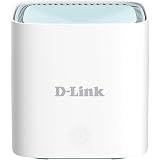
M15 WiFi 6 AI Mesh Router 1500 Mbps Dual Band with Gigabit Port
₹6,977.00 (as of September 26, 2026 08:59 GMT +05:30 - More infoProduct prices and availability are accurate as of the date/time indicated and are subject to change. Any price and availability information displayed on [relevant Amazon Site(s), as applicable] at the time of purchase will apply to the purchase of this product.)
D-Link M30 |WiFi 6 Speed 3000 Mbps |Covers Upto 2800 Sq. Ft.|Dual Band |Gigabit Port|AI Powered Mesh Router |High-Performance |360 Degree Spherical Coverage|MTCTE Certified
₹4,499.00 (as of September 26, 2026 08:59 GMT +05:30 - More infoProduct prices and availability are accurate as of the date/time indicated and are subject to change. Any price and availability information displayed on [relevant Amazon Site(s), as applicable] at the time of purchase will apply to the purchase of this product.)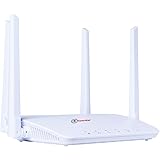
Trueview 4G LTE WiFi 6 Wireless Router with SIM Slot | Cat4 150Mbps | External Antenna | RJ45 LAN Port | Plug & Play SIM Router for Home, Office, CCTV | Secure IPv4/IPv6 Broadband
₹1,999.00 (as of September 26, 2026 08:59 GMT +05:30 - More infoProduct prices and availability are accurate as of the date/time indicated and are subject to change. Any price and availability information displayed on [relevant Amazon Site(s), as applicable] at the time of purchase will apply to the purchase of this product.)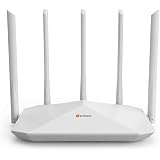
Syrotech SY-AX1800 WiFi 6 Dual Band Gigabit Router | AX1800 High-Speed Wireless Router | 1501 Mbps | 4 Gigabit Ports | MU-MIMO | OFDMA | WPA3
₹2,500.00 (as of September 26, 2026 08:59 GMT +05:30 - More infoProduct prices and availability are accurate as of the date/time indicated and are subject to change. Any price and availability information displayed on [relevant Amazon Site(s), as applicable] at the time of purchase will apply to the purchase of this product.)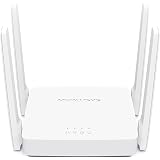
MERCUSYS AC1200 Wireless Dual Band WiFi Router Mercusys AC10 | 1200 Mbps Wi-Fi Speed | 4 High Gain Antennas | Parental Control | IPTV and IPv6 Supported
₹1,399.00 (as of September 26, 2026 08:59 GMT +05:30 - More infoProduct prices and availability are accurate as of the date/time indicated and are subject to change. Any price and availability information displayed on [relevant Amazon Site(s), as applicable] at the time of purchase will apply to the purchase of this product.)
TP-Link Deco X50(1-Pack) AX3000 Whole Home Dual Band Mesh Wi-Fi 6 System, WiFi Router, AI-Driven, Coverage up to 2500ft², Connect up to 150 Devices, Easy Setup, Alexa and Google Home Compatible
₹6,999.00 (as of September 26, 2026 08:59 GMT +05:30 - More infoProduct prices and availability are accurate as of the date/time indicated and are subject to change. Any price and availability information displayed on [relevant Amazon Site(s), as applicable] at the time of purchase will apply to the purchase of this product.)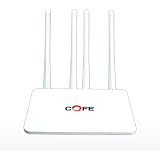
COFE CF-05-CT04 WiFi 6 4G SIM Router | 300Mbps | Type-C Power | 4 Antenna | Upto 32 Devices
Now retrieving the price.
(as of September 26, 2026 08:59 GMT +05:30 - More infoProduct prices and availability are accurate as of the date/time indicated and are subject to change. Any price and availability information displayed on [relevant Amazon Site(s), as applicable] at the time of purchase will apply to the purchase of this product.)
Artis AR-MINIDC-2 Mini UPS for WiFi Router/Modem/Set top Box Devices. 8800mAh Battery Supports 9V/12V-1A/1.5A/2A Routers. USB Port for Phone Charging, Battery Level Indicators. BIS Certified
₹1,399.00 (as of September 26, 2026 08:59 GMT +05:30 - More infoProduct prices and availability are accurate as of the date/time indicated and are subject to change. Any price and availability information displayed on [relevant Amazon Site(s), as applicable] at the time of purchase will apply to the purchase of this product.)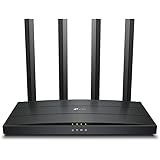
TP-Link Archer AX12 AX1500 Wi-Fi 6 Router | Dual-Band Gigabit Wireless | MU-MIMO & OFDMA | Beamforming & WPA3 Security | Easy Setup via Tether App |High-Speed Coverage for Home, Gaming & Smart Devices
₹3,729.00 (as of September 26, 2026 08:59 GMT +05:30 - More infoProduct prices and availability are accurate as of the date/time indicated and are subject to change. Any price and availability information displayed on [relevant Amazon Site(s), as applicable] at the time of purchase will apply to the purchase of this product.)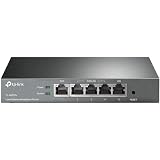
TL-R470T+ Load Balance Broadband Business Router, up to 4 WAN Ports, PPPoE Server, Advanced QoS, Strong Firewall Compatible with TP-Link
₹4,999.00 (as of September 26, 2026 08:59 GMT +05:30 - More infoProduct prices and availability are accurate as of the date/time indicated and are subject to change. Any price and availability information displayed on [relevant Amazon Site(s), as applicable] at the time of purchase will apply to the purchase of this product.)
Uniway UW-311 VPW Wireless Router
₹1,799.00 (as of September 26, 2026 08:59 GMT +05:30 - More infoProduct prices and availability are accurate as of the date/time indicated and are subject to change. Any price and availability information displayed on [relevant Amazon Site(s), as applicable] at the time of purchase will apply to the purchase of this product.)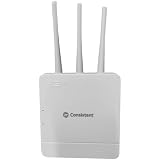
Consistent Velocity WiFi 6 4G Router(CT-4GR-TAW6) - High-Speed Dual-Mode 4G LTE & WiFi 6 Router, IPv6 Compatible, AP/RE/WISP Modes, Guest Network & Parental Control - White
Now retrieving the price.
(as of September 26, 2026 08:59 GMT +05:30 - More infoProduct prices and availability are accurate as of the date/time indicated and are subject to change. Any price and availability information displayed on [relevant Amazon Site(s), as applicable] at the time of purchase will apply to the purchase of this product.)
Cuzor Mini UPS 12V Router UPS up to 2A | Up to 5 Hours Backup | WiFi UPS Power Backup During powercuts | 2x2900 mAh | Mini ups for Router
₹1,499.00 (as of September 26, 2026 08:59 GMT +05:30 - More infoProduct prices and availability are accurate as of the date/time indicated and are subject to change. Any price and availability information displayed on [relevant Amazon Site(s), as applicable] at the time of purchase will apply to the purchase of this product.)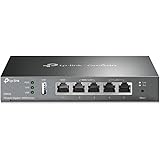
TP-Link ER605 (TL-R605) | Multi-WAN Wired Single_Band 1000 Mbps VPN Router | Up to 3 Gigabit WAN Ports | SPI Firewall SMB Router | Omada SDN Integrated | Load Balance | Lightning Protection
₹7,799.00 (as of September 26, 2026 08:59 GMT +05:30 - More infoProduct prices and availability are accurate as of the date/time indicated and are subject to change. Any price and availability information displayed on [relevant Amazon Site(s), as applicable] at the time of purchase will apply to the purchase of this product.)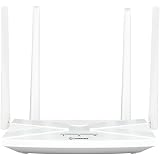
Consistent VELORA WiFi 6 4G LTE Router (CT-4GR-FAW6) - High-Speed Dual-Mode 4G SIM Router, Next-Gen Wireless Networking for Home & Office, Advanced Security & Wide Coverage - White
Now retrieving the price.
(as of September 26, 2026 08:59 GMT +05:30 - More infoProduct prices and availability are accurate as of the date/time indicated and are subject to change. Any price and availability information displayed on [relevant Amazon Site(s), as applicable] at the time of purchase will apply to the purchase of this product.)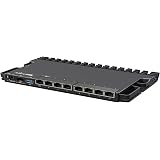
RB5009UG+S+in Heavy-Duty Router with 10G SFP+ Port Compatible with MikroTik
₹25,850.00 (as of September 26, 2026 08:59 GMT +05:30 - More infoProduct prices and availability are accurate as of the date/time indicated and are subject to change. Any price and availability information displayed on [relevant Amazon Site(s), as applicable] at the time of purchase will apply to the purchase of this product.)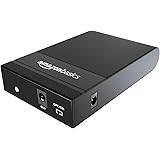
Amazon Basics UPS for WiFi Router/Modem/Set top Box Devices. Supports 12Vdc, 2.5A Routers. Backup Upto 4 Hours, Current Surge & Deep Discharge Protection (Black)
₹999.00 (as of September 26, 2026 08:59 GMT +05:30 - More infoProduct prices and availability are accurate as of the date/time indicated and are subject to change. Any price and availability information displayed on [relevant Amazon Site(s), as applicable] at the time of purchase will apply to the purchase of this product.)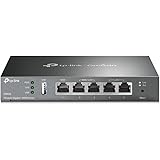
ER605 Multi-WAN Wired Gigabit VPN Router with SDN | 3 Year Warranty. | SPI Firewall, Load Balancing, Model TL-R605, 3 Year Warranty, Integrated SDN
₹7,799.00 (as of September 26, 2026 08:59 GMT +05:30 - More infoProduct prices and availability are accurate as of the date/time indicated and are subject to change. Any price and availability information displayed on [relevant Amazon Site(s), as applicable] at the time of purchase will apply to the purchase of this product.)
D-Link DIR-615 Wi-fi Ethernet-N300 Single_band 300Mbps Router, Mobile App Support, Router | AP | Repeater | Client Modes(Black)
₹1,149.00 (as of September 26, 2026 08:59 GMT +05:30 - More infoProduct prices and availability are accurate as of the date/time indicated and are subject to change. Any price and availability information displayed on [relevant Amazon Site(s), as applicable] at the time of purchase will apply to the purchase of this product.)