
The Ultimate Sports Watch Buyer’s Guide: Conquer Your Goals in Style and Precision
Choosing the right sports watch is more than just selecting a timekeeping device; it’s investing in a dedicated training partner, a motivational tool, and a reliable companion for your active lifestyle. With a dizzying array of features, materials, and brands, navigating the sports watch market can feel overwhelming. This comprehensive guide cuts through the noise, equipping you with the knowledge to find the perfect timepiece that aligns with your athletic pursuits, budget, and personal preferences.
Understanding Your Athletic Needs: The Foundation of Your Choice
Before delving into specific features, the most crucial step is to honestly assess your primary activities. Are you a marathon runner, a weekend hiker, a dedicated swimmer, a cyclist, a gym enthusiast, or an all-around adventurer? Each sport demands different functionalities.
- Running: GPS accuracy for pace and distance, heart rate monitoring, recovery metrics, and potentially running dynamics like cadence and stride length are paramount. Look for lightweight designs and comfortable straps.
- Cycling: Similar to running, GPS is vital. Additional features like cadence sensors (often integrated or via external sensors), power meter compatibility, and robust battery life for long rides are beneficial. Consider watches with easy-to-read displays for quick glances while riding.
- Swimming: Water resistance is non-negotiable (at least 10 ATM). Features like swim stroke detection, lap counting, SWOLF scores, and open-water GPS tracking are highly desirable. Look for watches with buttons that are easy to operate underwater.
- Triathlon: This requires a blend of the above. Seamless transition tracking between disciplines, multi-sport modes, and comprehensive data analysis are key.
- Hiking and Outdoor Adventures: Extended battery life, altimeter, barometer, compass (ABC sensors), reliable GPS for navigation and route planning, and rugged construction are essential. Consider solar charging options for extended expeditions.
- Gym and General Fitness: Heart rate monitoring, step counting, calorie tracking, sleep monitoring, and various sport profiles for different exercises are beneficial. Smartwatch functionalities for notifications and music control can also enhance the experience.
Key Features to Consider: Deconstructing the Technology
Once you’ve identified your primary activities, it’s time to examine the core features that differentiate sports watches.
- GPS (Global Positioning System): Essential for tracking distance, pace, and mapping routes. Accuracy can vary between chipsets and environmental conditions. Look for watches with multi-band GPS for enhanced accuracy in challenging environments.
- Heart Rate Monitoring: Most modern sports watches utilize optical heart rate sensors on the wrist. For maximum accuracy, especially during high-intensity workouts or for individuals with certain physiological characteristics, a chest strap heart rate monitor (often compatible via Bluetooth or ANT+) is recommended.
- Barometer & Altimeter: Crucial for outdoor activities. The barometer measures atmospheric pressure, which can indicate weather changes, while the altimeter tracks elevation gain and loss.
- Compass: Aids in navigation, especially when GPS signal is weak or for maintaining a bearing.
- Water Resistance: Measured in ATM (atmospheres) or meters. 5 ATM is generally sufficient for swimming, while 10 ATM or higher is recommended for diving or more demanding water sports.
- Battery Life: A critical factor, especially for endurance athletes or those undertaking multi-day adventures. Consider both typical usage and GPS-specific battery life. Solar charging can significantly extend battery life for outdoor enthusiasts.
- Display: Readability is paramount. Look for high-resolution, transflective displays that are easy to see in bright sunlight. Touchscreen functionality offers convenience, but physical buttons can be more reliable in wet or cold conditions.
- Connectivity: Bluetooth for syncing with your smartphone and compatible sensors is standard. Wi-Fi can facilitate faster data transfers. ANT+ is a popular protocol for connecting a wide range of sports sensors.
- Smartwatch Features: Many sports watches offer smartphone notifications, music control, contactless payments, and app stores. The level of integration varies significantly between brands.
- Durability and Materials: Consider the build quality. Rugged watches often feature reinforced cases (e.g., titanium, stainless steel, fiber-reinforced polymer), scratch-resistant lenses (e.g., sapphire crystal), and durable straps (e.g., silicone, nylon).
- Activity Tracking & Health Metrics: Beyond specific sports, most watches track daily steps, calories burned, distance covered, and sleep patterns. Advanced metrics like VO2 Max, recovery time, training load, and stress levels provide deeper insights into your fitness.
- Navigation and Mapping: For hikers and adventurers, built-in topographic maps, breadcrumb trails, and route planning capabilities are invaluable.
Top Brands and Their Strengths: A Market Overview
Several reputable brands dominate the sports watch market, each with its unique strengths and target audience.
- Garmin: A titan in the GPS and sports watch industry. Garmin offers an extensive range of devices, from entry-level activity trackers to high-end multisport watches with advanced training metrics, robust navigation, and excellent battery life. Their ecosystem of accessories and software is comprehensive.
- Suunto: Known for its ruggedness, Scandinavian design, and focus on outdoor adventure and endurance sports. Suunto watches often feature excellent build quality, intuitive interfaces, and advanced metrics for training and recovery.
- Polar: A pioneer in heart rate monitoring technology. Polar watches are renowned for their accurate heart rate tracking, physiological metrics, and training load analysis, making them a favorite among serious athletes.
- Coros: A rapidly growing brand that has quickly established itself with impressive battery life, advanced performance analytics, and competitive pricing. Coros watches are gaining traction among runners and cyclists.
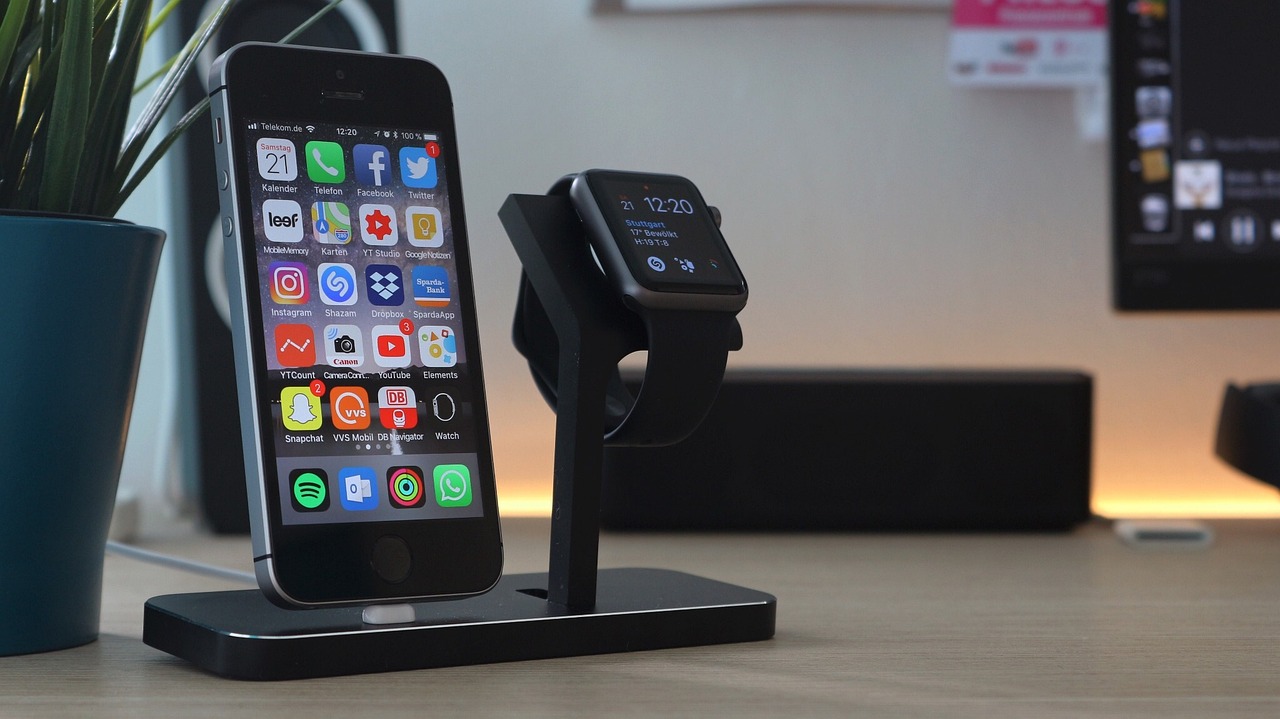
- Apple Watch: While not solely a sports watch, the Apple Watch’s robust fitness tracking capabilities, seamless integration with the Apple ecosystem, and extensive app store make it a strong contender for general fitness enthusiasts and those who prioritize smartwatch features.
- Samsung Galaxy Watch: Similar to Apple, Samsung’s smartwatches offer comprehensive fitness tracking and a wide range of smart features, appealing to users within the Android ecosystem.
- Amazfit: Offers a compelling balance of features and affordability. Amazfit watches provide good GPS accuracy, heart rate monitoring, and a variety of sport modes at a budget-friendly price point.
Navigating Price Points: Finding Value at Every Level
Sports watches span a wide price spectrum, from under $100 to well over $1000.
- Entry-Level (Under $200): These watches typically offer basic GPS, heart rate monitoring, and a selection of sport profiles. They are ideal for casual fitness enthusiasts or those new to sports tracking.
- Mid-Range ($200 – $500): This segment offers a significant step up in features, including improved GPS accuracy, advanced heart rate metrics, more sport profiles, and often better build quality and battery life. This is where most serious recreational athletes will find their sweet spot.
- High-End ($500+): These are the premium devices for dedicated athletes and adventurers. They boast the most advanced features, including multi-band GPS, extensive physiological metrics, robust navigation, premium materials, and exceptional battery life.
Beyond the Specs: User Experience and Ecosystem
The technical specifications are only part of the equation. Consider the overall user experience:
- Software and App: A well-designed companion app is crucial for syncing data, analyzing your progress, and customizing watch settings. Look for apps that offer clear data visualization and actionable insights.
- Comfort and Fit: A sports watch is worn for extended periods. Ensure the strap is comfortable, breathable, and easily adjustable. The watch case should be ergonomically designed and not overly bulky.
- Ease of Use: The interface should be intuitive and easy to navigate, especially during workouts. Physical buttons can be a lifesaver in challenging conditions.
- Durability and Longevity: Invest in a watch that can withstand the rigors of your chosen activities and is built to last.
Making Your Final Decision: A Step-by-Step Approach
- Define Your Primary Sports: Be specific about your activities.
- Prioritize Key Features: List the absolute must-have features for your sports.
- Set Your Budget: Determine a realistic price range.
- Research Brands and Models: Explore watches that fit your criteria from reputable brands.
- Read Reviews: Look for in-depth reviews from trusted sources and fellow athletes.
- Consider the Ecosystem: Evaluate the companion app and available accessories.
- Try Before You Buy (If Possible): Feel the watch on your wrist, test the buttons, and assess the display.
- Think Long-Term: Choose a watch that can grow with your athletic journey.
By meticulously considering your needs, understanding the technology, and researching the market, you can confidently select a sports watch that will not only tell time but also empower you to push your limits and achieve your athletic aspirations.