In the age of instant sharing and visual storytelling, the selfie stick has evolved from a novelty gadget to an indispensable tool for capturing memories, documenting adventures, and elevating your social media presence. Gone are the days of awkward arm extensions and distorted wide-angle shots. Today’s selfie sticks offer a diverse range of features, functionalities, and designs, catering to every need and budget. This comprehensive guide will navigate you through the landscape of selfie sticks, empowering you to find your perfect match for every occasion.
Understanding the Anatomy of a Selfie Stick:
Before diving into specific recommendations, let’s dissect the key components that define a selfie stick:
- Grip: This is where your hand rests. Look for ergonomic designs, non-slip materials (rubber, silicone), and comfortable padding. A secure grip prevents accidental drops and ensures comfortable extended use.
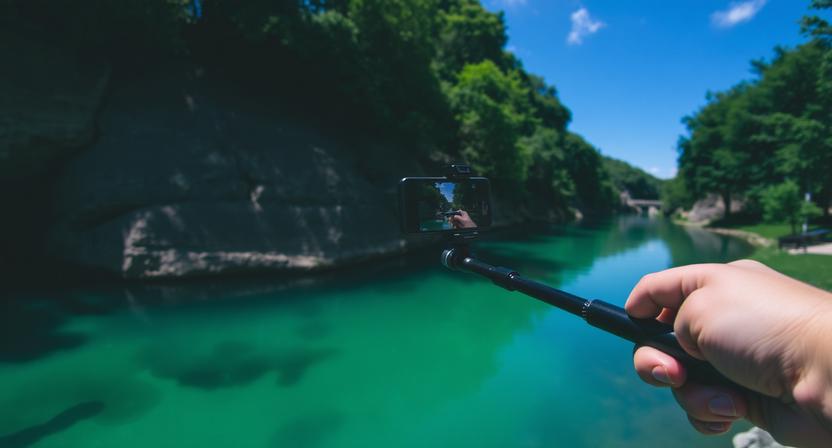
- Mount/Holder: This is where your smartphone or camera attaches. It should be adjustable, secure, and compatible with your device’s size and weight. Many offer 360-degree rotation for versatile framing.
- Telescopic Pole: The extending arm of the selfie stick. Look for durable materials like aluminum alloy, smooth extension mechanisms, and a good range of adjustability. Multiple locking points are a plus for stability.
- Shutter Release: This allows you to trigger your camera remotely. Options include:
- Bluetooth Remote: A detachable or integrated button that pairs wirelessly with your device. Offers the most freedom.
- Wired Shutter: Connects via your device’s headphone jack (if available) or USB-C port. Simpler, but less flexible.
- Integrated Button: A button directly on the handle. Convenient for shorter sticks, but can be awkward on longer ones.
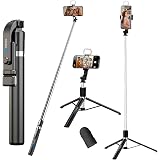
- Tripod Functionality: Many modern selfie sticks double as mini tripods, offering hands-free stability for group shots, time-lapses, or video recording. This is a crucial feature for many users.
- Additional Features: Consider extras like LED lighting for low-light conditions, built-in mirrors for perfect framing, or even water-resistant designs for outdoor adventures.
Types of Selfie Sticks and Their Ideal Use Cases:
The sheer variety of selfie sticks available can be overwhelming. Let’s categorize them to help you pinpoint the best fit:
1. The Compact & Portable Wanderer:
- Characteristics: Lightweight, foldable, often no larger than your palm when retracted. Typically features a simple Bluetooth remote.
- Ideal For: Everyday use, travel, spontaneous moments, fitting into pockets or small bags. Perfect for solo travelers or those who prioritize portability.
- Key Features to Look For: Extremely compact design, durable yet lightweight materials, reliable Bluetooth connectivity, a secure phone mount.
- Example Scenario: Capturing a quick selfie with a landmark while exploring a new city, documenting a casual outing with friends.
2. The Versatile All-Rounder:
- Characteristics: A good balance of length, portability, and features. Often includes tripod functionality and a detachable Bluetooth remote.
- Ideal For: Most users, including travelers, content creators, and families. Offers flexibility for various shooting scenarios.
- Key Features to Look For: Adjustable length (at least 2-3 feet), stable tripod legs, a comfortable grip, a reliable remote, and a robust phone mount.
- Example Scenario: Taking group photos at a scenic overlook, filming a short vlog segment, capturing a wider perspective of a concert.
3. The Content Creator’s Powerhouse:
- Characteristics: Longer reach, often with built-in LED lighting, advanced remote features, and superior build quality. May include more sophisticated mounting options.
- Ideal For: YouTubers, TikTokers, Instagram influencers, and anyone who prioritizes professional-looking content.
- Key Features to Look For: Extended reach (4-6 feet or more), integrated LED ring lights with adjustable brightness and color temperature, a stable tripod base, high-quality Bluetooth remote with multiple functions, and a secure mount for larger phones or even small cameras.
- Example Scenario: Filming product reviews with controlled lighting, creating dynamic dance videos, capturing cinematic shots of landscapes.
4. The Action-Packed Adventurer:
- Characteristics: Rugged construction, water-resistant or waterproof designs, often compatible with action cameras like GoPros in addition to smartphones.
- Ideal For: Hikers, swimmers, cyclists, skiers, and anyone who engages in outdoor or water sports.
- Key Features to Look For: Durable materials (aluminum, reinforced plastic), waterproof seals, secure mounting for action cameras, and a non-slip grip that performs well in wet conditions.
- Example Scenario: Documenting a kayaking trip, capturing thrilling ski runs, filming underwater snorkeling adventures.
5. The Smart & Connected Innovator:
- Characteristics: May include features like gimbal stabilization for smooth video, advanced app integration, or even built-in power banks.
- Ideal For: Tech-savvy users, videographers, and those who want the latest in selfie stick technology.
- Key Features to Look For: Gimbal stabilization, app control for advanced camera settings, extended battery life, compatibility with various devices and accessories.
- Example Scenario: Shooting professional-looking interview footage on the go, creating smooth panning shots for a travel documentary.
Key Features to Consider When Choosing:
Beyond the type, these specific features will significantly impact your selfie stick experience:
- Material and Durability: Aluminum alloy is generally preferred for its strength-to-weight ratio and corrosion resistance. Avoid flimsy plastic that can bend or break easily.
- Extension Range: How far does it extend? Consider what you’ll be shooting. A longer stick is great for group shots and scenic backdrops, while a shorter one is more portable.
- Stability: A wobbly selfie stick is useless. Look for sturdy construction, reliable locking mechanisms, and a wide, stable tripod base if it offers that feature.
- Phone Mount Security: Does it firmly grip your phone without pinching the screen or buttons? A spring-loaded clamp is common, but ensure it has rubberized padding to prevent scratches.
- Bluetooth Connectivity: Is the Bluetooth pairing quick and reliable? Does the remote have a decent range? Check reviews for consistent performance.
- Battery Life (for Bluetooth remotes): How long does the remote’s battery last? Is it rechargeable or replaceable?
- Weight: A heavy selfie stick can become cumbersome, especially during extended use. Balance weight with durability.
- Ergonomics: A comfortable grip is essential. Consider the shape, texture, and padding.
- Compatibility: Ensure the selfie stick supports your phone’s size and weight, and any other devices you plan to use.
- Price: Selfie sticks range from under $20 to over $100. Determine your budget and prioritize features accordingly.
Tips for Maximizing Your Selfie Stick Experience:
- Master the Angle: Don’t just point and shoot. Experiment with different angles to find the most flattering and impactful framing.
- Embrace the Tripod: If your selfie stick has tripod functionality, use it! It opens up a world of creative possibilities for hands-free shooting.
- Utilize the Remote: Learn the functions of your Bluetooth remote. It can often control zoom, switch cameras, and more.
- Light is Your Friend: Natural light is usually best. Position yourself facing the light source to avoid harsh shadows. If using an LED light, experiment with brightness and placement.
- Clean Your Lens: A smudged lens can ruin an otherwise perfect shot.
- Consider Your Background: A cluttered or distracting background can detract from your subject.
- Practice Makes Perfect: The more you use your selfie stick, the more intuitive it will become.
- Invest in a Quality Mount: For larger or heavier phones, a robust and secure mount is crucial to prevent accidental drops.
Popular Brands and What They Offer:
While specific models change rapidly, some brands consistently deliver quality and innovation:
- Anker: Known for reliable electronics, Anker offers durable and well-designed selfie sticks with excellent battery life and Bluetooth connectivity.
- UBeesize: A popular choice for versatile selfie sticks that often include tripod functionality and LED lights at competitive price points.
- Joby: Renowned for their GorillaPod tripods, Joby also produces high-quality selfie sticks and mounts, often with a focus on durability and professional use.
- Selfie Essentials (and similar generic brands): These can offer budget-friendly options for basic needs, but it’s crucial to read reviews carefully for quality and durability.
- Specialized Action Camera Brands (e.g., GoPro, Insta360): If you primarily use action cameras, their branded accessories often offer the best integration and durability.
Troubleshooting Common Issues:
- Bluetooth Not Connecting: Ensure your phone’s Bluetooth is on, the remote is charged, and try re-pairing the devices.
- Wobbly Stick: Ensure all extension locks are fully engaged. If the issue persists, the internal mechanism might be faulty.
- Phone Falling Out: Adjust the mount to be tighter. Ensure your phone is within the mount’s size and weight limits.
- **Remote Not Triggering
Selfie Stick R1, Compact and Portable, Extendable Phone Holder for Selfies and Group Photos
₹200.00 (as of October 10, 2026 19:44 GMT +05:30 - More infoProduct prices and availability are accurate as of the date/time indicated and are subject to change. Any price and availability information displayed on [relevant Amazon Site(s), as applicable] at the time of purchase will apply to the purchase of this product.)
CIRYCASE Phone Tripod, Flexible Tabletop & Travel Tripods with Wireless Remote, 360° Rotating Portable (Selfie Handle Grip)
₹499.00 (as of October 10, 2026 19:44 GMT +05:30 - More infoProduct prices and availability are accurate as of the date/time indicated and are subject to change. Any price and availability information displayed on [relevant Amazon Site(s), as applicable] at the time of purchase will apply to the purchase of this product.)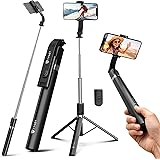
Tygot T9 Selfie Stick Tripod, 67 Inch (170CM) Reinforced Tripod for Mobile Phone, Multi-Functional Bluetooth Long Selfie Stick for Travel,Vlogging,Compatible with iPhone and All Smartphones
₹399.00 (as of October 10, 2026 19:44 GMT +05:30 - More infoProduct prices and availability are accurate as of the date/time indicated and are subject to change. Any price and availability information displayed on [relevant Amazon Site(s), as applicable] at the time of purchase will apply to the purchase of this product.)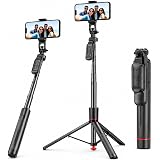
ONE 7 Portable 2-in-1 Selfie Stick & Tripod Stand with Bluetooth Remote Shutter | Adjustable Smartphone Holder | Foldable Design for Selfies, Photos, Videos, Vlogging & Travel | ON SS-05
₹1,299.00 (as of October 10, 2026 19:44 GMT +05:30 - More infoProduct prices and availability are accurate as of the date/time indicated and are subject to change. Any price and availability information displayed on [relevant Amazon Site(s), as applicable] at the time of purchase will apply to the purchase of this product.)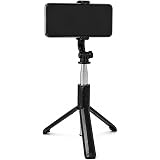
Q07 Selfie Stick with Tripod Stand & Bluetooth Remote, 100CM | Adjustable Angle, Extendable & Foldable, Portable Compact Design, For Selfies, Video Recording & Live Streaming
₹329.00 (as of October 10, 2026 19:44 GMT +05:30 - More infoProduct prices and availability are accurate as of the date/time indicated and are subject to change. Any price and availability information displayed on [relevant Amazon Site(s), as applicable] at the time of purchase will apply to the purchase of this product.)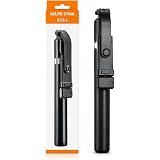
Selfie Stick R1S-L, 170 cm Extendable | 170 cm Length, Extendable
Now retrieving the price.
(as of October 10, 2026 19:44 GMT +05:30 - More infoProduct prices and availability are accurate as of the date/time indicated and are subject to change. Any price and availability information displayed on [relevant Amazon Site(s), as applicable] at the time of purchase will apply to the purchase of this product.)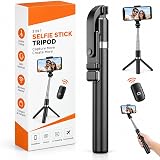
Fire Turtle 67inch Selfie Stick Tripod Stand with LED Light – 3-in-1 Phone Stand with Bluetooth Remote & Rechargeable Ring Light for Photos, Makeup, Vlogging, and Video Calls (6FT Stick with Light)
₹299.00 (as of October 10, 2026 19:44 GMT +05:30 - More infoProduct prices and availability are accurate as of the date/time indicated and are subject to change. Any price and availability information displayed on [relevant Amazon Site(s), as applicable] at the time of purchase will apply to the purchase of this product.)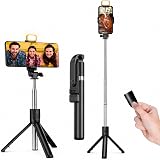
Selfie Stick 3 Feet with Remote and Light, Extendable Selfie Stick Tripod for Mobile Phone, Selfie Stand for Photos and Videos
₹289.00 (as of October 10, 2026 19:44 GMT +05:30 - More infoProduct prices and availability are accurate as of the date/time indicated and are subject to change. Any price and availability information displayed on [relevant Amazon Site(s), as applicable] at the time of purchase will apply to the purchase of this product.)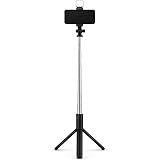
Extendable Mobile Phone Selfie Stick 4.5 Feet with Remote & Light, Long Selfie Stick for Photos, Videos, Reels and Content Creation
₹299.00 (as of October 10, 2026 19:44 GMT +05:30 - More infoProduct prices and availability are accurate as of the date/time indicated and are subject to change. Any price and availability information displayed on [relevant Amazon Site(s), as applicable] at the time of purchase will apply to the purchase of this product.)
Careflection Universal Invisible Monopod Selfie Stick 120 Cms | Insta360 One X3 X4, ACE PRO One R, Hero 9/8/7/6, SJCAM, YI & Other Action Cameras
₹599.00 (as of October 10, 2026 19:44 GMT +05:30 - More infoProduct prices and availability are accurate as of the date/time indicated and are subject to change. Any price and availability information displayed on [relevant Amazon Site(s), as applicable] at the time of purchase will apply to the purchase of this product.)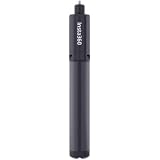
insta360 Selfie Stick Wih Built in with Tripod, Black
₹2,999.00 (as of October 10, 2026 19:44 GMT +05:30 - More infoProduct prices and availability are accurate as of the date/time indicated and are subject to change. Any price and availability information displayed on [relevant Amazon Site(s), as applicable] at the time of purchase will apply to the purchase of this product.)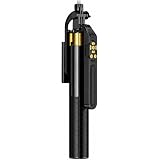
Technuv® 65-Inch LP-Y180 Selfie Stick Tripod with Wireless Remote & 360° Rotatable Phone Holder –Adjustable, Quadruped Stand Compatible with Smartphones & Camera for Travel, Vlog & Photo (Black Gold)
₹1,499.00 (as of October 10, 2026 19:44 GMT +05:30 - More infoProduct prices and availability are accurate as of the date/time indicated and are subject to change. Any price and availability information displayed on [relevant Amazon Site(s), as applicable] at the time of purchase will apply to the purchase of this product.)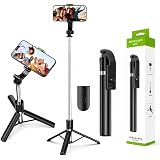
R1-L 3-in-1 Bluetooth Selfie Stick with Tripod Stand & Wireless Remote, 360° Rotation Extendable Mobile Holder for Vlogging, Reels & Photography (10 Metre Mic Range)
₹399.00 (as of October 10, 2026 19:44 GMT +05:30 - More infoProduct prices and availability are accurate as of the date/time indicated and are subject to change. Any price and availability information displayed on [relevant Amazon Site(s), as applicable] at the time of purchase will apply to the purchase of this product.)
Selfie Stick R1S-L, Black, ABS and Stainless Steel Build | Model R1S-L, ABS + Stainless Steel, Compact 298x51x35mm, Foldable Design, Lightweight Build
₹699.00 (as of October 10, 2026 19:44 GMT +05:30 - More infoProduct prices and availability are accurate as of the date/time indicated and are subject to change. Any price and availability information displayed on [relevant Amazon Site(s), as applicable] at the time of purchase will apply to the purchase of this product.)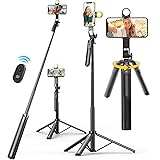
KINGONE Long Selfie Stick with Tripod Stand Aluminum 71inch/180cm, 360° Degree Rotation Selfie Stick Tripod for Phone, Rechargeable Remote & LED Fill Light, 1/4" Screw for Camera Gopro for Vlogging
₹1,499.00 (as of October 10, 2026 19:44 GMT +05:30 - More infoProduct prices and availability are accurate as of the date/time indicated and are subject to change. Any price and availability information displayed on [relevant Amazon Site(s), as applicable] at the time of purchase will apply to the purchase of this product.)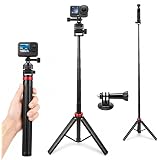
81" Extendable Selfie Stick Tripod for GoPro Mission 1 Pro Hero 13/12/11/10/Max, Aluminum Action Camera Tripod Stand for DJI Osmo Action 6/5 Pro/4/3, Insta360, DSLR, Portable Travel Vlogging
₹6,111.00 (as of October 10, 2026 19:44 GMT +05:30 - More infoProduct prices and availability are accurate as of the date/time indicated and are subject to change. Any price and availability information displayed on [relevant Amazon Site(s), as applicable] at the time of purchase will apply to the purchase of this product.)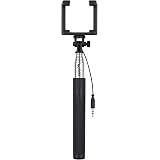
Quantronics Wired Selfie Stick with 3.5mm AUX Jack | Foldable & Extendable Selfie | Adjustable Mobile Phone Holder | Lightweight Handheld Selfie for Smartphones | Black
Now retrieving the price.
(as of October 10, 2026 19:44 GMT +05:30 - More infoProduct prices and availability are accurate as of the date/time indicated and are subject to change. Any price and availability information displayed on [relevant Amazon Site(s), as applicable] at the time of purchase will apply to the purchase of this product.)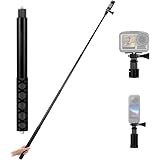
Zaxiva 150 cm Invisible Selfie Stick Carbon Fiber, Extendable Selfie Stick Extension for Insta360, for GoPro, DJI, Action Camera, Outdoor Hand Pole with Mountaineering Buckle, 1/4 Screw
₹660.00 (as of October 10, 2026 19:44 GMT +05:30 - More infoProduct prices and availability are accurate as of the date/time indicated and are subject to change. Any price and availability information displayed on [relevant Amazon Site(s), as applicable] at the time of purchase will apply to the purchase of this product.)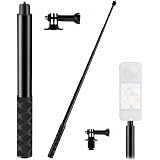
WallgenX Invisible Selfie Stick for Insta360 Camera | Extendable 360° Action Camera Pole with 1/4" Mount Adapter & Tripod Base | Lightweight Travel Vlogging Stick
₹669.00 (as of October 10, 2026 19:44 GMT +05:30 - More infoProduct prices and availability are accurate as of the date/time indicated and are subject to change. Any price and availability information displayed on [relevant Amazon Site(s), as applicable] at the time of purchase will apply to the purchase of this product.)