
The Ultimate List: Camera Phones Under ₹15,000 for Every User
Navigating the competitive smartphone market for a device that excels in photography without breaking the bank can be a daunting task. Fortunately, the sub-₹15,000 segment has witnessed a remarkable surge in camera capabilities, offering impressive image quality, versatile features, and compelling value. This guide meticulously curates the ultimate list of camera phones under ₹15,000, catering to the diverse needs of every user, from casual snappers to aspiring mobile photographers. We delve deep into sensor sizes, aperture, AI enhancements, and other crucial camera specifications, alongside overall performance and user experience, to empower your informed decision.
Understanding Camera Phone Essentials Under ₹15,000
Before diving into specific models, let’s demystify what makes a good camera phone in this price bracket.
- Megapixels (MP): While often overemphasized, higher megapixel counts can offer more detail, especially when cropping. However, sensor size and pixel binning technology are equally, if not more, important for low-light performance and overall image quality.
- Aperture (f-number): A lower f-number (e.g., f/1.8) indicates a wider aperture, allowing more light to enter the sensor. This is crucial for brighter photos in low-light conditions and achieving a pleasing background blur (bokeh).
- Sensor Size: Larger sensors capture more light, leading to better dynamic range, reduced noise, and improved detail, particularly in challenging lighting.
- AI Scene Recognition and Optimization: Modern smartphones leverage Artificial Intelligence to automatically detect scenes (e.g., food, landscape, portrait) and adjust camera settings for optimal results.
- Image Stabilization (OIS/EIS): Optical Image Stabilization (OIS) physically compensates for hand shake, resulting in sharper photos and smoother videos. Electronic Image Stabilization (EIS) uses software to achieve similar results, though OIS is generally more effective.
- Ultrawide, Macro, and Depth Sensors: Versatility is key. Many phones in this segment offer secondary lenses for capturing wider scenes, extreme close-ups, or enhancing portrait effects.
- Night Mode: Dedicated night modes are essential for capturing usable photos in dimly lit environments by combining multiple exposures.
The Top Contenders: Camera Phones Under ₹15,000
Our research has identified several devices that consistently punch above their weight in the camera department within this budget.
1. Xiaomi Redmi Note Series (e.g., Redmi Note 13, Redmi Note 12 Pro 5G)
Xiaomi’s Redmi Note series has long been a benchmark for value, and their camera prowess in the sub-₹15,000 bracket is undeniable.
- Key Strengths: Often feature high-resolution primary sensors (e.g., 108MP on some models), delivering excellent detail in good lighting. They typically include capable ultrawide lenses and a good balance of AI enhancements. Their displays are usually vibrant, aiding in photo preview and editing.
- Ideal For: Users who prioritize sharp, detailed photos in daylight and appreciate a versatile camera system for everyday photography. The 108MP sensors, when well-implemented, can offer significant cropping flexibility.
- Considerations: While low-light performance has improved significantly, it might not always match dedicated low-light performers. Software processing can sometimes be a bit aggressive.
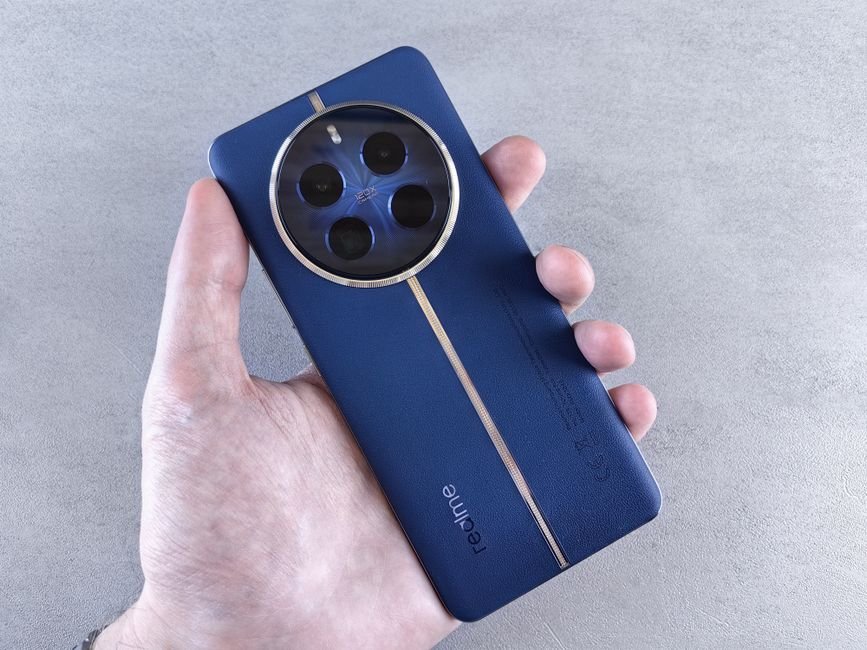
2. Realme Number Series (e.g., Realme 12 Pro, Realme 11 Pro)
Realme has been aggressively pushing camera boundaries in the mid-range, and their Number series consistently delivers impressive photography experiences.
- Key Strengths: Known for their strong primary sensors, often with good aperture values, leading to decent low-light capabilities. They frequently incorporate AI-powered features like Super Nightscape and Portrait Mode that produce flattering results. The design language is often premium, adding to the overall user experience.
- Ideal For: Users seeking a balance of good daylight and low-light performance, with a focus on pleasing portrait shots and vibrant colors. The inclusion of optical zoom on some Pro models is a significant advantage.
- Considerations: The ultrawide and macro lenses might be more for versatility than exceptional quality. Software can sometimes over-sharpen images.
3. Samsung Galaxy M and F Series (e.g., Samsung Galaxy M34 5G, Samsung Galaxy F54 5G)
Samsung’s budget-friendly M and F series are reliable choices for users who value a familiar and user-friendly camera experience with good overall image quality.
- Key Strengths: Samsung’s image processing is generally well-regarded for its natural color reproduction and balanced exposure. They often feature optical image stabilization (OIS) on their main sensors, which significantly improves clarity, especially in low light and when shooting video. The One UI software is intuitive and offers a plethora of camera modes.
- Ideal For: Users who prefer a straightforward and reliable camera experience with good OIS for stable shots. Those who appreciate Samsung’s color science and user interface will find these devices appealing.
- Considerations: Megapixel counts might not always be the highest, but the focus is on quality over quantity. Some models might lack the sheer versatility of other brands with more dedicated secondary lenses.
4. Poco X Series (e.g., Poco X6 Pro 5G)
Poco has carved a niche for itself by offering powerful performance at competitive prices, and their X-series smartphones often include surprisingly capable camera setups.
- Key Strengths: While often lauded for gaming performance, the Poco X series can surprise with its camera capabilities. They often employ decent primary sensors and offer good software optimization for daylight photography. The AMOLED displays contribute to a good viewing experience for captured photos.
- Ideal For: Users who want a phone that excels in photography but also offers strong performance for gaming and multitasking. The value proposition is often exceptional.
- Considerations: Camera performance might not be the absolute primary focus compared to some competitors, and secondary lenses might be less impressive.
5. Motorola G Series (e.g., Motorola Moto G84 5G)
Motorola’s G series continues to offer a clean Android experience with a focus on practical features, including competent camera systems.
- Key Strengths: Motorola often prioritizes a more natural and less processed look to its images, which many users appreciate. Their phones frequently include OIS on the main sensor, leading to sharp and stable shots. The clean software experience extends to the camera app, making it easy to use.
- Ideal For: Users who prefer a no-nonsense, natural-looking photography output and appreciate a clean Android interface. The OIS is a significant plus for everyday shooting.
- Considerations: The sheer number of specialized lenses might be fewer compared to some competitors. Low-light performance, while improved, might not always be class-leading.
Diving Deeper: Features to Look For
Beyond the primary sensor, consider these additional camera features:
- Ultrawide Lens: Essential for capturing expansive landscapes, group shots, and architectural photography. Look for a field of view of at least 115 degrees.
- Macro Lens: If you enjoy close-up photography of flowers, insects, or intricate details, a dedicated macro lens can be a fun addition.
- Depth Sensor: Aids in creating a natural-looking bokeh effect in portrait mode, blurring the background to make your subject stand out.
- Video Recording Capabilities: Most phones in this segment offer 1080p recording, but some may also support 4K. Look for good video stabilization if you plan to shoot a lot of video.
- Selfie Camera: Don’t forget the front-facing camera! Look for decent resolution and good low-light performance if selfies are a priority.
Tips for Maximizing Your Camera Phone’s Potential
- Master the Lighting: Good lighting is the foundation of great photography. Shoot in well-lit areas whenever possible.
- Utilize Portrait Mode: Experiment with portrait mode to create professional-looking shots with blurred backgrounds.
- Explore the Ultrawide Lens: Don’t shy away from using the ultrawide lens for creative compositions.
- Embrace Night Mode: For dimly lit scenes, enable night mode for significantly improved results.
- Learn Basic Editing: Even simple edits can elevate your photos. Most phones come with built-in editing tools, or you can explore free apps like Snapseed or Adobe Lightroom Mobile.
- Keep Your Lens Clean: A smudged lens is the enemy of sharp photos. Wipe it regularly with a microfiber cloth.
- Experiment with AI Modes: Play around with the AI scene recognition and other intelligent features to see how they enhance your shots.
Choosing the Right Camera Phone for You
Ultimately, the “best” camera phone under ₹15,000 depends on your individual needs and priorities.
- For the Detail Enthusiast: Xiaomi Redmi Note series with its high-megapixel sensors.
- For the Portrait Lover: Realme Number series with its AI-powered portrait modes and often good OIS.
- For the Naturalist: Motorola G series and Samsung Galaxy M/F series for their balanced and natural image processing.
- For the All-Rounder: Consider models that offer a good balance of primary sensor quality, decent secondary lenses, and strong