
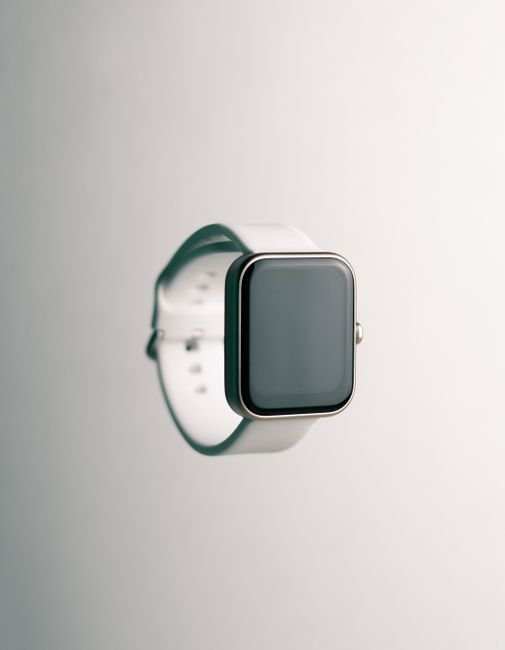
The True Cost of a Samsung Smartwatch: What to Expect
Samsung’s Galaxy Watch series has become a dominant force in the wearable technology market, offering a compelling blend of style, functionality, and seamless integration with the Android ecosystem. However, the sticker price is only the beginning of understanding the true cost of owning one of these sophisticated devices. From initial purchase to long-term ownership, a nuanced evaluation reveals a multifaceted financial commitment. This article delves deep into the various components of this cost, providing a comprehensive guide for potential buyers.
Initial Purchase Price: The Surface-Level Investment
The most obvious cost associated with a Samsung smartwatch is its initial purchase price. This varies significantly depending on the specific model, its generation, and the chosen variant. Samsung typically offers multiple tiers within a single smartwatch release. For instance, the standard Galaxy Watch model will be less expensive than its “Classic” counterpart, which often boasts a physical rotating bezel, a premium material finish, and sometimes a slightly larger display. Storage capacity also plays a role; models with more internal storage, allowing for more offline music or app data, naturally command a higher price.
Beyond these internal variations, carrier-locked versions can sometimes be more expensive upfront, though they may offer promotional discounts or installment plans tied to a mobile contract. Unlocked models, on the other hand, offer greater flexibility but typically have a higher outright cost. Furthermore, the timing of your purchase can influence the price. New models launch with premium pricing, which gradually decreases as subsequent generations are released. Waiting for sales events like Black Friday, Cyber Monday, or even seasonal promotions can lead to substantial savings, sometimes reducing the initial outlay by 10-20% or more.
Beyond the Box: Essential Accessories and Their Impact
Once you’ve acquired your Samsung smartwatch, the cost doesn’t necessarily end. While the watch comes with a charging cable, many users opt for additional accessories to enhance their experience or protect their investment.
-
Charging Solutions: While the included charger is functional, many users find a dedicated charging stand or dock to be more convenient. These can range from simple pucks to multi-device chargers that can simultaneously power your watch, phone, and earbuds. Prices for these can range from $20 to over $100, depending on features and brand. Wireless charging pads are also an option, offering a cable-free charging experience.
-
Screen Protectors and Cases: The sleek design of Samsung smartwatches, particularly those with AMOLED displays, makes them susceptible to scratches and minor impacts. Investing in a tempered glass screen protector is a wise preventative measure, typically costing between $10 and $30. Similarly, protective cases, available in silicone, TPU, or even ruggedized materials, can shield the watch body from bumps and scrapes. These can range from $15 to $50.
-
Replacement Bands: Samsung offers a vast array of official and third-party watch bands to personalize your device. While a standard silicone band might be included, users may desire leather, metal, or fabric bands for different occasions or aesthetics. Official Samsung bands can be quite expensive, often ranging from $40 to $100 or more. However, the abundance of third-party options provides a more budget-friendly alternative, with many stylish and durable bands available for $15 to $50.
Ongoing Costs: The Hidden Expenses of Connectivity and Functionality
The true cost of a Samsung smartwatch extends beyond the initial purchase and accessories into the realm of ongoing expenses, particularly for those who leverage its full connectivity features.
-
Cellular Connectivity (LTE Models): For Galaxy Watch models equipped with LTE, the ability to make calls, send texts, and stream music independently of your smartphone comes at a price. This requires an additional line on your existing mobile plan or a separate smartwatch-specific plan. Carriers typically charge an extra $10 to $15 per month for this feature. While offering unparalleled freedom, this recurring cost can add up significantly over the lifespan of the watch.
-
App Subscriptions and In-App Purchases: While many core functionalities are free, the Samsung Galaxy Store, like other app marketplaces, features a plethora of paid applications and games. Fitness tracking apps that offer advanced analytics, guided workout programs, or specialized health monitoring might require a monthly or annual subscription. Productivity apps, custom watch face designers, or even certain games can also incur costs. These can range from a few dollars for a one-time purchase to $5-$20 per month for premium subscription services.
-
Cloud Services and Data Storage: Some advanced features, particularly those related to health and fitness tracking, might utilize cloud storage for data synchronization and analysis. While basic cloud integration is usually free, extensive data storage or advanced analytical features might necessitate a subscription to Samsung Health or related services.
The Lifespan of Your Investment: Depreciation and Replacement
Like any electronic device, Samsung smartwatches are subject to technological depreciation. As new models with improved processors, enhanced sensors, and innovative features are released, older models gradually become less desirable and their resale value diminishes. The typical lifespan of a smartwatch is often considered to be 2-4 years before users start considering an upgrade due to performance degradation, battery wear, or the allure of newer technology.
When it comes time to replace your smartwatch, you have a few options. Selling your old watch can recoup some of the initial investment, but the resale value will depend on its condition, age, and the demand for that particular model. Prices for used Samsung smartwatches can vary wildly, from $50 for an older, well-used model to $200-$300 for a relatively recent one in excellent condition. This depreciation is a hidden cost that needs to be factored into the long-term ownership expense.
Repair and Maintenance: Unexpected Costs
While Samsung smartwatches are generally robust, accidents can happen. Screen replacements, battery replacements, or repairs for water damage can be costly. Out-of-warranty repairs can often exceed the cost of purchasing a new, discounted model. For example, a screen replacement for a recent Galaxy Watch model can easily cost $100-$200 or more, depending on the service center and the extent of the damage. Therefore, considering an extended warranty or AppleCare+ equivalent for Samsung devices, if available and cost-effective, might be a prudent financial decision for some users.
The Total Cost of Ownership: A Holistic Perspective
To truly understand the cost of a Samsung smartwatch, one must move beyond the initial purchase price and consider the entire ownership lifecycle. A hypothetical scenario might look like this for a mid-range Galaxy Watch model over three years:
- Initial Purchase: $300
- Essential Accessories (Screen protector, case, extra band): $70
- LTE Plan (if applicable, $12/month x 36 months): $432
- App Subscriptions (e.g., a premium fitness app, $5/month x 36 months): $180
- Resale Value (estimated after 3 years): -$100
In this example, the total cost of ownership could range from approximately $400 (for a Bluetooth-only model with minimal accessories and no subscriptions) to over $882 (for an LTE model with accessories and app subscriptions). This highlights the significant variability and the importance of individual usage patterns in determining the true financial outlay.
By meticulously evaluating these various cost components, potential buyers can make a more informed decision about whether a Samsung smartwatch aligns with their budget and their expectations for long-term value. The allure of advanced features and seamless connectivity comes with a price, and understanding that price in its entirety is crucial for a satisfying ownership experience.