
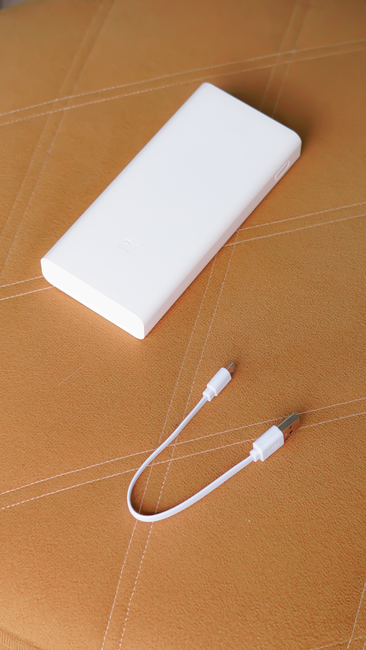
The 20000mAh Powerhouse: Charting the Future of Portable Power
The ubiquitous smartphone, a gateway to communication, entertainment, and productivity, is perpetually hungry for energy. As device capabilities surge, so does their power consumption, pushing the boundaries of built-in battery life. This escalating demand has propelled the portable power bank from a niche gadget to an indispensable accessory. Among these mobile energy reserves, the 20000mAh fast-charging power bank has emerged as a dominant force, promising sustained, rapid power delivery for our increasingly demanding digital lives. Its future trajectory is not merely about incremental improvements; it’s about a fundamental shift in how we interact with and rely on portable energy.
The 20000mAh capacity itself represents a significant leap. This substantial reserve translates to multiple full charges for most smartphones, several top-ups for tablets, and even the ability to revive laptops or other power-hungry peripherals. Gone are the days of anxiously monitoring battery percentages on a single excursion. A 20000mAh unit offers a comforting buffer, liberating users from the tyranny of wall outlets and enabling extended periods of uninterrupted connectivity and usage. This is particularly crucial for travelers, remote workers, outdoor enthusiasts, and anyone who finds themselves frequently away from conventional charging infrastructure. The sheer volume of energy stored within these compact devices is a testament to advancements in lithium-ion and emerging battery technologies.
However, raw capacity is only half the story. The true revolution lies in the integration of fast-charging technologies. The days of waiting hours for a power bank to recharge itself, let alone a device, are rapidly becoming obsolete. Modern 20000mAh power banks leverage a suite of advanced charging protocols, including USB Power Delivery (USB PD) and Qualcomm Quick Charge (QC). USB PD, a universal standard, allows for bidirectional power flow and intelligent negotiation of voltage and current, enabling significantly faster charging for compatible devices, including laptops, tablets, and the latest smartphones. Qualcomm Quick Charge, with its various iterations (QC 3.0, QC 4+, etc.), offers similar rapid charging capabilities, primarily for Android devices. The synergy of a high-capacity battery with these intelligent charging standards means that not only can these power banks deliver substantial energy, but they can do so with remarkable speed. A nearly depleted smartphone can be brought back to a significant charge level within minutes, drastically reducing downtime.
The physical design and portability of these 20000mAh power banks are also undergoing continuous evolution. While capacity has increased, manufacturers are striving to maintain or even reduce their footprint and weight. Advanced battery cell chemistries, like those utilizing silicon anodes or solid-state electrolytes (though still largely in development for mass-market power banks), promise higher energy density, meaning more power packed into a smaller and lighter form factor. The use of premium materials, such as brushed aluminum or durable polycarbonate, contributes to both a sophisticated aesthetic and robust build quality. Features like integrated USB-C cables, magnetic attachment systems, and even built-in wireless charging pads are becoming more common, further enhancing user convenience and reducing the need to carry multiple accessories. The goal is to create a power bank that is not just powerful, but also seamlessly integrates into a user’s daily carry.
Smart features and connectivity are increasingly defining the future of 20000mAh power banks. Beyond simple charging, these devices are becoming more intelligent. Advanced Battery Management Systems (BMS) are crucial for ensuring safety, optimizing charging cycles, and prolonging battery lifespan. Many power banks now offer multiple output ports, allowing simultaneous charging of several devices at their optimal speeds. Some even feature digital displays that provide real-time information on remaining battery percentage, input/output wattage, and estimated charging times. The integration of Bluetooth connectivity, allowing users to monitor their power bank’s status and manage charging preferences through a smartphone app, is also a growing trend. This level of control and transparency empowers users to make informed decisions about their power management.
The sustainability and environmental impact of portable power are also becoming critical considerations. As the demand for power banks grows, so does the concern about their lifecycle, from manufacturing to disposal. Future 20000mAh power banks are likely to incorporate more recycled materials in their construction. Manufacturers are also exploring more efficient manufacturing processes to reduce their carbon footprint. Furthermore, the longevity of these devices is paramount. Improved battery technology and intelligent charging algorithms that prevent overcharging and overheating contribute to a longer operational lifespan, reducing the frequency of replacement and thus minimizing electronic waste. The development of more easily recyclable battery chemistries will also play a crucial role in the industry’s move towards greater sustainability.
Looking ahead, the evolution of charging interfaces will significantly impact the design and functionality of 20000mAh power banks. While USB-C is the current standard for both charging the power bank and powering devices, the industry is always innovating. We may see the widespread adoption of even higher wattage USB PD standards, enabling even faster charging of laptops and other high-power devices directly from the power bank. The integration of wireless charging, particularly faster and more efficient wireless charging standards, will continue to be a key feature, offering a truly cable-free experience. Furthermore, advancements in energy harvesting technologies, such as integrated solar panels, while currently limited in their charging speed for such high-capacity devices, could see improvements that make them a more viable supplementary charging source for extended off-grid use.
The interoperability and standardization of fast-charging protocols will be crucial for widespread adoption and user convenience. While USB PD is gaining traction as a universal standard, ensuring seamless compatibility across a diverse range of devices and power banks remains an ongoing effort. The future will likely see even greater emphasis on open standards and robust certification processes to guarantee reliable and safe fast-charging experiences. This will simplify the user experience, eliminating the need to meticulously check compatibility charts for every new device and power bank purchase.
The integration with smart home ecosystems and IoT devices represents another exciting frontier for 20000mAh power banks. Imagine a power bank that not only charges your phone but also acts as a portable hub for your smart home devices when you’re away. This could involve providing backup power to essential smart home sensors or even facilitating local control of certain devices in the absence of a Wi-Fi connection. The potential for these devices to become more than just passive energy reservoirs is immense.
The challenges and opportunities in this space are significant. The primary challenge remains balancing capacity, charging speed, size, weight, and cost. Pushing the boundaries of battery technology while maintaining affordability and safety is a constant endeavor. However, the opportunities are equally compelling. The ever-increasing reliance on mobile technology across all sectors of life guarantees a sustained and growing demand for advanced portable power solutions. The 20000mAh fast-charging power bank is not just a product; it’s a testament to human ingenuity in overcoming the limitations of energy scarcity in our increasingly mobile and connected world. Its future is bright, promising even more power, speed, and intelligence for those who rely on it.