
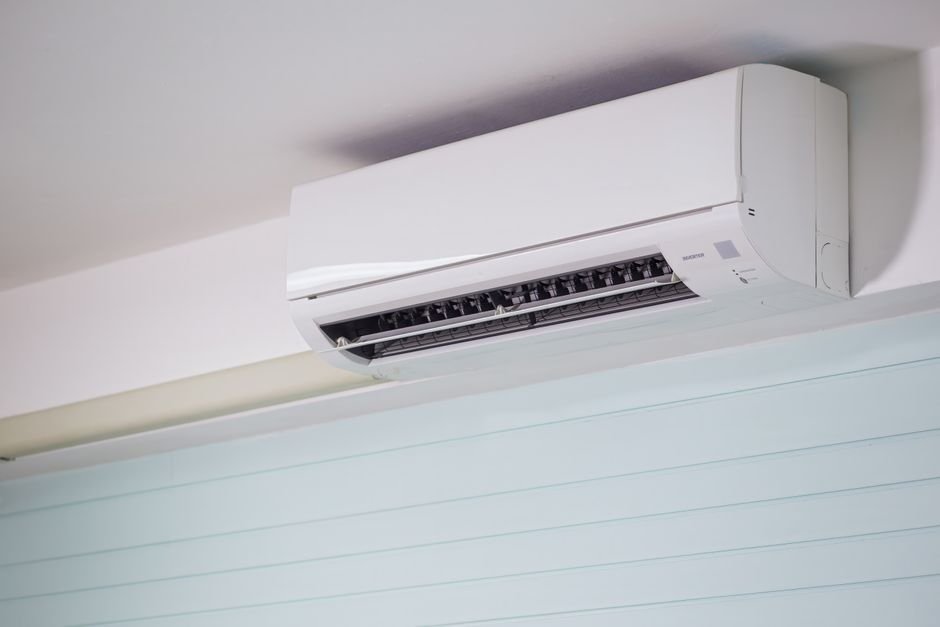
The persistent hum of a struggling fan, the sticky discomfort of a humid afternoon, the ever-increasing energy bills from a power-hungry central air system – these are familiar woes in the face of rising global temperatures. While large-scale air conditioning has become a modern necessity, its energy consumption and environmental impact are undeniable. This is where the burgeoning field of portable mini AC technology steps into the spotlight, promising a revolution in personal comfort. Far from the clunky, noisy units of yesteryear, the future of cooling lies in sophisticated, efficient, and increasingly intelligent portable mini ACs.
At its core, the evolution of portable mini ACs is driven by a relentless pursuit of enhanced efficiency and reduced environmental footprint. Traditional vapor-compression systems, while effective, are energy-intensive. The next generation is exploring and refining alternative cooling mechanisms. Thermoelectric cooling (TEC), also known as the Peltier effect, is a prime candidate. This solid-state technology utilizes the temperature difference created by an electric current flowing through dissimilar semiconductors. While historically limited in cooling capacity, advancements in materials science and module design are significantly boosting their efficiency and power output. Imagine a compact, silent unit drawing minimal power, ideal for personal workspaces or small rooms. The absence of refrigerants in TEC also presents a significant environmental advantage, eliminating concerns about ozone depletion and greenhouse gas emissions associated with traditional coolants.
Beyond TEC, evaporative cooling, often referred to as swamp coolers, is undergoing a renaissance. While these systems have been around for decades, modern iterations are incorporating advanced materials and smart controls. Nanomaterials are being integrated into the cooling pads to increase surface area and improve water absorption, leading to more effective moisture evaporation and thus, greater cooling. Furthermore, the integration of intelligent sensors allows these units to monitor humidity levels and adjust their operation accordingly, preventing the over-saturation of air that can lead to a damp, uncomfortable environment, a common drawback of older evaporative coolers. These smarter evaporative coolers are particularly well-suited for arid and semi-arid climates where they can provide significant cooling with a fraction of the energy consumption of traditional ACs.
The miniaturization trend, already evident in consumer electronics, is a cornerstone of portable mini AC innovation. Engineers are meticulously shrinking components, optimizing airflow dynamics within smaller chassis, and developing more efficient heat exchangers. This allows for units that are not only truly portable – easily moved between rooms or even taken on the go – but also aesthetically pleasing, blending seamlessly into modern living and working spaces. Think sleek, unobtrusive designs that prioritize user experience and visual appeal alongside performance. The focus is shifting from purely functional to a blend of form and function, making these devices desirable additions to any environment.
Powering these compact cooling marvels is another area of intense innovation. As battery technology continues its rapid advancement, longer runtimes and faster charging become increasingly viable for portable ACs. Imagine a unit that can provide hours of personal cooling on a single charge, powered by a rechargeable lithium-ion battery, or even a future iteration utilizing solid-state battery technology for even greater energy density and safety. This opens up possibilities for off-grid cooling solutions, camping trips, and emergency preparedness. Furthermore, the integration of USB-C charging and power delivery standards will allow for universal compatibility with existing power banks and charging infrastructure, enhancing convenience and accessibility.
Smart technology is not just a buzzword; it’s becoming an integral part of portable mini ACs. The future promises units that can be controlled via smartphone apps, allowing users to adjust temperature, fan speed, and operating modes remotely. This enables pre-cooling rooms before arrival, optimizing energy usage by only cooling when needed, and receiving alerts for filter changes or maintenance requirements. Voice control integration with popular smart home assistants like Amazon Alexa and Google Assistant will further enhance user convenience, allowing for hands-free operation. Predictive cooling algorithms, utilizing machine learning to anticipate user needs based on historical data and environmental conditions, are also on the horizon, offering a truly personalized and energy-efficient cooling experience.
Beyond personal comfort, the application of portable mini AC technology is expanding. In the realm of electronics, sensitive equipment often requires precise temperature control. Compact, highly efficient portable ACs can provide localized cooling for servers, industrial machinery, or even sensitive scientific instruments, preventing overheating and ensuring optimal performance without the need for large, energy-hungry facility-wide cooling systems. In healthcare, portable cooling solutions can be crucial for transporting temperature-sensitive medications or providing localized relief for patients experiencing fever or discomfort, offering a portable and adaptable solution where traditional infrastructure may be limited.
Sustainability is no longer an afterthought but a driving force behind innovation. Manufacturers are increasingly prioritizing the use of recycled and recyclable materials in their products and packaging. The development of refrigerants with lower global warming potential (GWP) is a critical focus for traditional AC systems, and while some portable ACs utilize alternative technologies, those that still employ refrigerants are moving towards more environmentally benign options. The emphasis on energy efficiency directly translates to reduced carbon emissions, aligning with global efforts to combat climate change. The longevity of these devices is also a factor, with a focus on durable construction and modular designs that allow for easier repair and component replacement, extending the product lifecycle and minimizing electronic waste.
The user experience is also being meticulously considered. Noise reduction is a paramount concern, and advancements in fan blade design, motor technology, and sound insulation are creating significantly quieter units. Intuitive controls, clear display interfaces, and easy-to-clean filters are becoming standard. The integration of air purification features, such as HEPA filters and UV-C sterilization, within portable AC units is also gaining traction, offering a dual benefit of cooling and improved indoor air quality, addressing growing consumer awareness of airborne pollutants and allergens.
The miniaturization and efficiency breakthroughs in portable mini AC technology are poised to democratize cooling. For individuals in regions where traditional air conditioning is prohibitively expensive or inaccessible, these advanced portable units offer a viable and affordable solution for personal comfort. This has significant implications for improving quality of life, productivity, and well-being in underserved communities and developing nations. The ability to provide localized cooling also reduces the reliance on large, centralized power grids, which can be vulnerable to strain during peak demand periods, contributing to greater energy resilience.
Looking ahead, the convergence of multiple technologies will further redefine portable cooling. Imagine a portable AC that not only cools but also dehumidifies, purifies the air, and even integrates with wearable devices to proactively adjust its output based on the user’s physiological data. The development of advanced sensors for monitoring air quality, temperature, and humidity will lead to even more sophisticated and responsive cooling systems. The integration of solar power options, either through built-in panels or enhanced compatibility with external solar chargers, could further enhance the sustainability and off-grid capabilities of these devices. The future of portable mini AC technology is not just about staying cool; it’s about intelligent, sustainable, and personalized comfort, accessible to everyone, everywhere.