
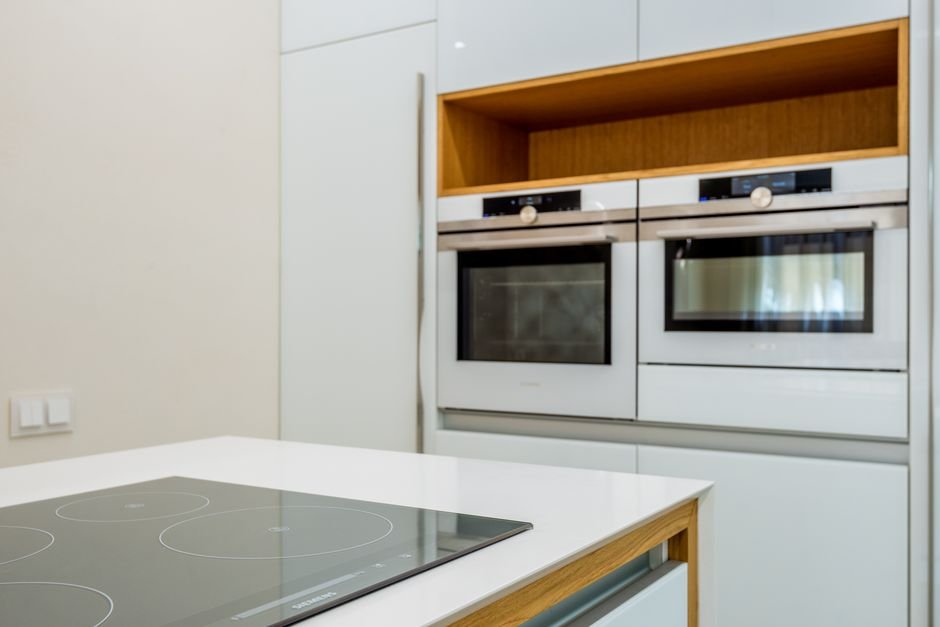
The Future of Cooking: Embracing Induction Technology
The kitchen, once a realm of flickering flames and simmering pots, is undergoing a profound transformation. At the forefront of this evolution stands induction technology, a revolutionary approach to cooking that promises greater efficiency, precision, and safety. Moving beyond the limitations of gas and traditional electric cooktops, induction is poised to redefine how we prepare food, offering a glimpse into a future where culinary excellence is more accessible and sustainable than ever before.
At its core, induction cooking harnesses the power of electromagnetism. Unlike conventional electric elements that heat a surface which then transfers heat to the cookware, induction generates heat directly within the base of the pan itself. This is achieved through a copper coil embedded beneath the ceramic glass surface. When an alternating electric current passes through the coil, it creates a fluctuating magnetic field. This magnetic field, in turn, induces a current within a ferromagnetic (iron-containing) pot or pan placed on the cooktop. The resistance of the cookware material to this induced current generates heat. This direct transfer of energy is the key to induction’s remarkable efficiency and responsiveness.
The benefits of this direct heating method are manifold and directly impact the cooking experience. Unparalleled Speed and Responsiveness are perhaps the most immediately noticeable advantages. Because the heat is generated directly in the pan, induction cooktops can bring water to a boil significantly faster than gas or radiant electric cooktops. This translates to quicker meal preparation, a boon for busy individuals and families. Furthermore, the responsiveness is akin to that of gas. When you adjust the heat setting, the pan’s temperature changes almost instantaneously. There’s no lag time for an element to heat up or cool down, allowing for precise control over delicate cooking processes like simmering sauces or searing delicate proteins. This granular control empowers home cooks to achieve restaurant-quality results with greater ease.
Exceptional Energy Efficiency is another compelling argument for embracing induction. Because the heat is generated directly within the cookware and not lost to the surrounding air, a significantly higher percentage of energy is utilized for cooking. Estimates suggest induction cooktops are up to 90% energy efficient, compared to around 40% for gas and 70% for traditional electric coil cooktops. This translates to lower energy bills and a reduced carbon footprint, aligning with a growing global consciousness around sustainability. The reduction in wasted heat also means a cooler kitchen environment, making cooking more comfortable, especially during warmer months.
Enhanced Safety Features are paramount in any modern kitchen, and induction excels in this regard. Since the cooktop surface itself does not generate direct heat, it remains relatively cool. The residual heat you feel is primarily from the hot pan. This significantly reduces the risk of accidental burns, making induction a safer choice for households with children or pets. Moreover, most induction cooktops incorporate automatic pan detection. If a pot or pan is removed from the surface, the heating process immediately stops. This eliminates the hazard of forgetting to turn off a burner, a common concern with gas and traditional electric cooktops. The smooth, flat ceramic glass surface also makes cleaning a breeze, as spills are less likely to burn onto the surface and can be wiped away easily.
The Precision and Control offered by induction technology elevate the art of cooking. Many induction cooktops feature digital displays with precise temperature settings, often ranging from very low simmers to high searing temperatures. This level of control is invaluable for complex recipes that require specific heat management. For instance, melting chocolate without scorching, tempering eggs for custils, or achieving the perfect sear on a steak become more achievable with the consistent and controllable heat provided by induction. Some advanced models even offer features like bridge zones, allowing two separate heating zones to be combined to accommodate larger cookware like griddles or oval roasting pans.
Technological Advancements and Integration are further cementing induction’s place in the future kitchen. Beyond basic heating, manufacturers are integrating smart features into induction cooktops. These can include app connectivity for remote monitoring and control, pre-programmed cooking settings for specific dishes, and even integrated probes that communicate with the cooktop to maintain precise internal temperatures of food. This integration with the broader smart home ecosystem promises a more connected and intuitive cooking experience, where technology assists rather than dictates the culinary process. Imagine a smart oven communicating with your induction cooktop to ensure the perfect sear before transferring your steak to finish cooking.
The Evolution of Cookware has been intrinsically linked to the rise of induction. For induction to work, cookware must be ferromagnetic. This means pots and pans made from cast iron, enameled cast iron, and most stainless steel are compatible. Aluminum, copper, and glass cookware will not work on their own, though many manufacturers now offer multi-ply constructions with a ferromagnetic base layer. The market has responded by offering a wide array of induction-compatible cookware, from budget-friendly options to high-end professional-grade sets. Consumers can now easily find durable, efficient, and aesthetically pleasing cookware designed specifically for induction.
Despite its numerous advantages, the transition to induction may present a few considerations for consumers. Initial Investment can be a factor, as induction cooktops can sometimes have a higher upfront cost compared to their gas or traditional electric counterparts. However, this initial investment is often offset by long-term energy savings and the enhanced durability and performance of the technology. Cookware Compatibility is another point to consider. While most modern cookware is designed with induction in mind, older or specialized cookware may need to be replaced or supplemented. A simple magnet test can quickly determine if a pot or pan is induction-compatible; if a magnet sticks firmly to the base, it will work.
The Environmental Impact of induction cooking is overwhelmingly positive. By minimizing energy waste and reducing reliance on fossil fuels (in the case of gas cooktops), induction contributes to a more sustainable energy landscape. As electricity grids increasingly incorporate renewable energy sources, the environmental benefits of induction cooking become even more pronounced. This aligns with a growing consumer demand for eco-conscious appliances.
Looking ahead, the future of cooking is undeniably intertwined with the continued development and adoption of induction technology. As manufacturing processes become more streamlined and economies of scale increase, the cost of induction cooktops is likely to become more competitive. Further innovation in smart features, such as AI-powered cooking assistance and even more sophisticated temperature control, will continue to push the boundaries of what’s possible in the home kitchen. The seamless integration of induction with other smart appliances will create a truly connected culinary environment, simplifying complex tasks and empowering home cooks of all skill levels. The tactile feedback, the instant responsiveness, and the inherent safety of induction technology are not just incremental improvements; they represent a fundamental shift in how we interact with our cooking appliances. Embracing induction is not simply adopting a new technology; it’s stepping into a future of cooking that is smarter, safer, more efficient, and ultimately, more enjoyable.