
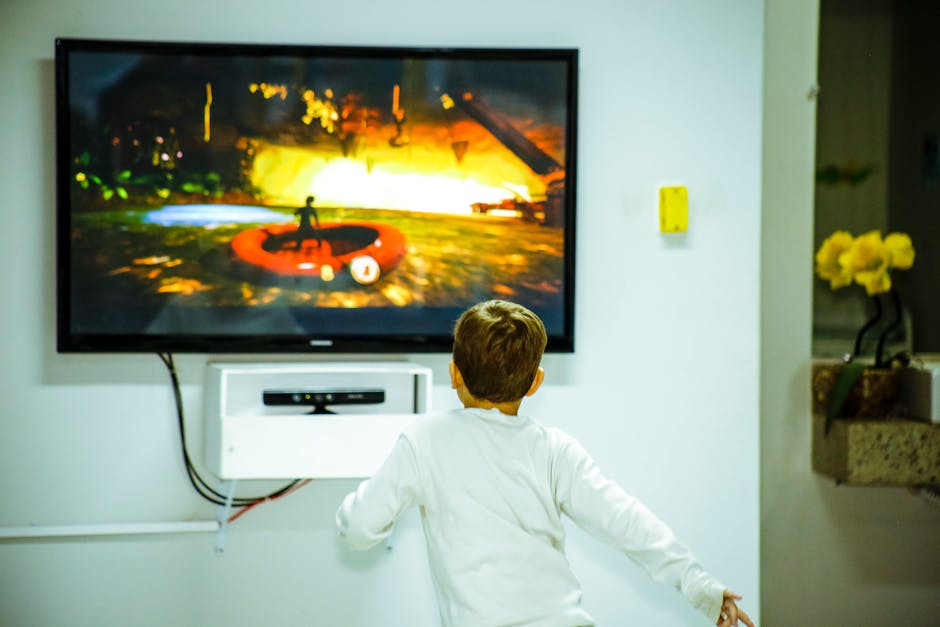
The relentless march of visual technology has brought us to a pivotal moment: the widespread adoption of frameless LED displays. This evolution, from bulky cathode ray tubes to the sleek, borderless canvases of today, represents a paradigm shift in how we consume and interact with information and entertainment. The journey of display technology has been a testament to human ingenuity, driven by a constant desire for sharper images, brighter colors, and more immersive experiences. Early cathode ray tube (CRT) televisions, with their significant depth and weight, were once the pinnacle of visual fidelity. Their curved screens and distinct bezels, while iconic, now seem rudimentary compared to the wafer-thin, high-resolution panels that dominate our living rooms and public spaces.
The advent of Liquid Crystal Displays (LCDs) marked a significant leap forward in terms of form factor and energy efficiency. LCDs, utilizing liquid crystals to modulate light passing through a backlight, allowed for thinner and lighter displays. However, even early LCDs retained noticeable bezels, the frames that housed the panel and its components. These bezels, while functional, interrupted the visual flow and limited the seamless integration of multiple displays. The pursuit of minimizing these borders became a key objective for display manufacturers, leading to innovations like narrow-bezel LCDs, which allowed for video walls with significantly reduced visible separation between panels. This was a crucial step, enabling more expansive and visually cohesive large-format displays for commercial and professional applications.
However, the ultimate aspiration remained a truly borderless experience. This is where the transformative power of frameless LED technology truly shines. Unlike LCDs, which rely on a separate backlight, LED displays generate their own light. Each pixel is essentially a tiny, self-illuminating LED. This fundamental difference allows for a radical departure from traditional display construction. In frameless LED displays, the individual LED modules are designed to fit together with such precision that the seams between them are virtually invisible. This eliminates the need for bulky external frames, allowing for an uninterrupted visual surface.
The implications of this frameless design are profound and far-reaching. In the realm of home entertainment, frameless LED TVs offer a more immersive viewing experience. The absence of bezels means the image extends to the very edges of the screen, drawing the viewer deeper into the content. This is particularly impactful for cinematic experiences, where the entire frame of the movie can be displayed without distraction. For gamers, the seamless visual field can enhance immersion and reduce eye strain, allowing for a more fluid and responsive gameplay. The aesthetic appeal is also undeniable; frameless displays blend more harmoniously with modern interior design, appearing less like a piece of technology and more like a dynamic piece of art.
Beyond the consumer market, frameless LED technology is revolutionizing commercial and public spaces. Digital signage, once characterized by segmented displays with prominent bezels, has been transformed into expansive, dynamic visual canvases. Imagine a retail store with a floor-to-ceiling display that showcases products and promotions without any visual interruption. Airports and train stations can now present real-time information and advertisements on massive, seamless screens, improving passenger flow and communication. Conference rooms and auditoriums benefit from large, frameless LED walls that facilitate collaborative work and presentations, allowing for the display of complex data and multimedia content with unparalleled clarity.
The manufacturing process for frameless LED displays is a marvel of engineering. It involves extremely precise alignment of individual LED modules, often using sophisticated robotic systems. The thermal management of these densely packed LEDs is also critical, requiring advanced cooling solutions to ensure optimal performance and longevity. The development of specialized mounting systems allows for the seamless integration of these modules, creating a unified display surface that can be tailored to any size or shape. This modularity is another key advantage of LED technology; instead of being limited by fixed screen sizes, frameless LED displays can be scaled to create virtually any desired display area, from small digital posters to colossal stadium screens.
The visual quality offered by modern frameless LED displays is also a significant factor in their evolution. Advances in LED technology have led to incredibly high pixel densities, resulting in stunning clarity and detail. The increased brightness and contrast ratios compared to older display technologies mean that images are more vibrant and lifelike, even in well-lit environments. The wider color gamuts available with advanced LEDs ensure that a broader spectrum of colors is accurately reproduced, leading to more faithful and engaging visual representations. Furthermore, the rapid response times of LEDs minimize motion blur, making them ideal for fast-paced action sequences and sports broadcasts.
The energy efficiency of LED technology has also played a crucial role in its widespread adoption. While early LED displays could be power-hungry, continuous innovation has led to significant improvements in power consumption. This is particularly important for large-scale installations and for environmental considerations. The longer lifespan of LEDs compared to older lighting technologies also contributes to a lower total cost of ownership, making frameless LED displays a more sustainable and cost-effective solution in the long run.
The evolution towards frameless LED technology is not merely about aesthetics; it’s about creating more impactful and immersive visual experiences. The elimination of bezels removes a physical barrier between the viewer and the content, fostering a deeper connection. This is particularly relevant in the age of virtual and augmented reality, where the lines between the digital and physical worlds are increasingly blurred. Frameless displays serve as a natural extension of this trend, offering a gateway to digital content that feels more integrated and less mediated.
The future of display technology will undoubtedly continue to push the boundaries of what is possible. We are already seeing advancements in microLED technology, which promises even higher pixel densities and improved performance, further enhancing the potential for truly seamless and incredibly detailed frameless displays. The integration of interactive features, such as touch capabilities, into these frameless surfaces will open up new avenues for user engagement and control. The ability to create flexible and transparent LED displays also hints at a future where displays are not confined to flat surfaces but can be integrated into a wider range of objects and environments.
The journey from the bulky CRT to the elegant, frameless LED display is a testament to the iterative nature of technological progress. Each advancement has built upon the successes and addressed the limitations of its predecessors. Frameless LED technology represents a significant milestone in this ongoing evolution, offering a visual experience that is more immersive, more integrated, and more aesthetically pleasing than ever before. The elimination of bezels is not just a design choice; it’s a fundamental shift that redefines the very nature of a display, transforming it from a framed window into a boundless canvas for information, entertainment, and human connection. The widespread adoption of this technology signals a clear direction for the future of visual communication, where the focus is on the content itself, presented without interruption and with unparalleled fidelity.