
The Unsung Heroes: The Essential Role of USB Cables in Your Digital Life
In our hyper-connected world, where devices are extensions of ourselves, a seemingly mundane component plays an absolutely critical, yet often overlooked, role: the USB cable. These flexible conduits of data and power are the invisible threads that weave together our digital existence, enabling everything from charging our smartphones on the go to transferring vast libraries of photos and videos. Understanding their essential function and the nuances of their design is paramount to navigating the complexities of modern technology and ensuring seamless operation of our digital lives.
At its core, the Universal Serial Bus (USB) standard, and by extension its accompanying cables, was designed to simplify connectivity. Before USB, connecting peripherals to computers was a tangled mess of proprietary ports and drivers, each requiring specific cables and often frustrating troubleshooting. USB revolutionized this by offering a standardized, plug-and-play solution that could handle a multitude of devices, from keyboards and mice to printers and external hard drives. The USB cable, therefore, became the universal translator, the common language that allowed diverse hardware to communicate effectively.
The primary functions of a USB cable can be broadly categorized into two vital areas: data transfer and power delivery. These two capabilities, often occurring simultaneously, are the bedrock of modern device interaction. When you plug your phone into your laptop to sync photos, the USB cable is facilitating a high-speed flow of digital information. Conversely, when you connect your tablet to a wall adapter, the same cable is acting as a conduit for electrical energy, replenishing its battery and keeping it ready for use. The efficiency and speed of both these processes are directly dictated by the type and quality of the USB cable employed.
The evolution of the USB standard has been a relentless march towards faster speeds and greater power. We’ve moved from the original USB 1.0, with its agonizingly slow data transfer rates, through USB 2.0 (Hi-Speed), USB 3.0/3.1/3.2 (SuperSpeed and SuperSpeed+), and now to the groundbreaking USB4, which boasts incredible bandwidth and versatility. Each iteration represents a significant leap forward, and the corresponding USB cables are engineered to meet these demanding specifications. For instance, a USB 3.0 cable contains more internal wiring and shielding than its USB 2.0 predecessor to handle the increased data speeds without signal degradation. Similarly, USB-C cables, the modern reversible connector, are designed to support the highest USB standards and often incorporate advanced features like Power Delivery (PD) for rapid charging of laptops and other power-hungry devices.
The physical construction of a USB cable is more sophisticated than it appears. A typical USB cable consists of a protective outer jacket, shielding to prevent electromagnetic interference, and a core of insulated wires. These wires are responsible for carrying the data signals and power. The number and gauge of these wires, along with the quality of the connectors and the shielding, all contribute to the cable’s performance. High-quality cables utilize thicker gauge wires for power delivery, allowing for more efficient charging, especially over longer distances. Superior shielding minimizes noise and data corruption, ensuring reliable transfers and preventing frustrating connection issues.
The variety of USB connectors can be a source of confusion, but understanding them is key to connecting the right devices. The most common connectors include:
- USB-A: The rectangular connector that has been a staple for decades, found on computers, chargers, and many peripherals.
- USB-B: Larger, squarish connectors often found on printers and other stationary devices.
- Mini-USB and Micro-USB: Smaller connectors that were prevalent on older smartphones, cameras, and portable devices.
- USB-C: The latest and most versatile connector. Its reversible design eliminates the frustration of plugging it in the wrong way, and it supports higher data speeds, power delivery, and even alternate modes like DisplayPort and Thunderbolt.
The choice of USB cable directly impacts our digital experience. Using an older, lower-speed cable to connect a high-speed storage device will bottleneck performance, leading to painfully slow file transfers. Similarly, a cheaply made cable might struggle to deliver sufficient power for fast charging, leaving your devices perpetually struggling to keep up. Investing in reputable, certified USB cables, particularly for critical applications like data backups or charging expensive electronics, is a wise decision that pays dividends in reliability and performance.
Beyond basic data and power, USB cables are increasingly enabling advanced functionalities. USB-C, with its support for Thunderbolt 3 and 4, has transformed the humble cable into a powerhouse for high-resolution displays, external graphics cards, and high-speed docking stations. This convergence of functionalities means a single USB-C cable can now replace a multitude of specialized cables, simplifying our desk setups and enhancing productivity. The ability of a USB cable to carry video signals, for example, opens up possibilities for connecting multiple monitors to a laptop through a single port, a feat unimaginable just a few years ago.
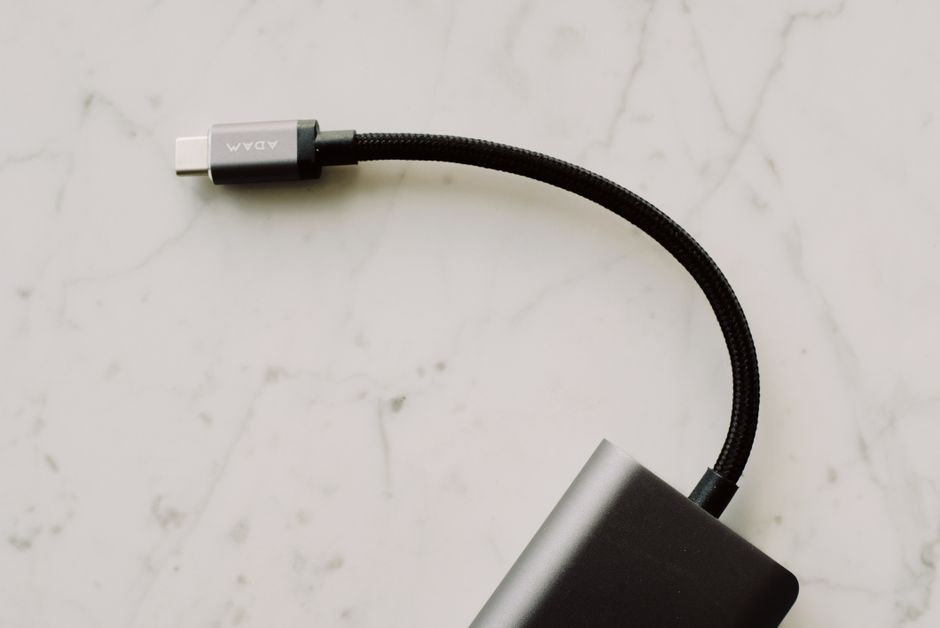
The reliability and durability of USB cables are also crucial considerations. Constant plugging and unplugging, bending, and exposure to the elements can take a toll. Opting for cables with reinforced connectors, braided jackets, and strain relief can significantly extend their lifespan and prevent common failure points. A frayed or damaged USB cable is not only an inconvenience but can also pose a safety hazard, potentially damaging connected devices or even causing electrical faults.
In essence, USB cables are the silent workhorses of our digital lives. They are the essential bridges that connect our disparate devices, enabling the seamless flow of information and energy that powers our daily routines. From the moment we wake up and charge our phones to the hours spent working, gaming, or consuming media, USB cables are tirelessly facilitating these interactions. Their evolution mirrors the rapid advancement of technology, constantly adapting to meet the demands of ever-increasing speeds, power requirements, and functional versatility. Recognizing their fundamental importance and choosing the right cables for the job is not just about convenience; it’s about ensuring the smooth, efficient, and reliable operation of the digital world we inhabit.