
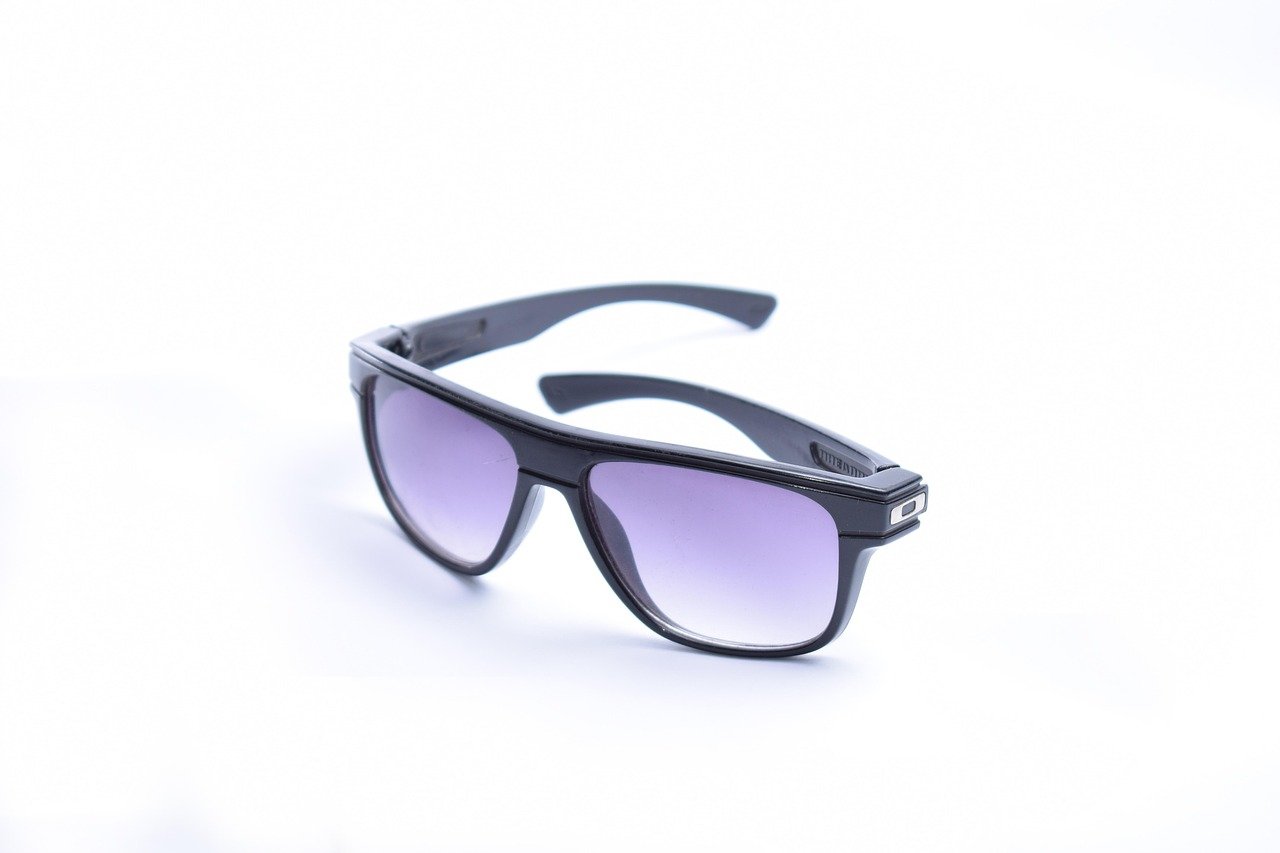
The Essential Guide to UV Protection Sunglasses for Fashionistas
As a fashionista, your eyewear is more than just an accessory; it’s a statement. It complements your ensemble, elevates your look, and conveys your personal style. However, the most discerning fashionista understands that true style is intertwined with well-being. This is where the crucial, yet often overlooked, element of UV protection in sunglasses takes center stage. Beyond their aesthetic appeal, sunglasses are your first line of defense against the sun’s harmful ultraviolet (UV) rays, safeguarding both your delicate eye tissue and the skin around them. This comprehensive guide will equip you with the knowledge to make informed choices, ensuring your fashion-forward choices are also health-conscious and responsible.
Understanding the Threat: Why UV Protection Matters for Your Eyes
The sun emits two primary types of UV radiation that pose a risk to our eyes: UVA and UVB. While UVB rays are largely absorbed by the cornea, UVA rays penetrate deeper into the eye, reaching the lens and retina. Prolonged and unprotected exposure to these rays can lead to a spectrum of eye conditions, ranging from immediate discomfort to long-term vision impairment.
- Photokeratitis (Sunburn of the Eye): This painful condition, akin to a sunburn on your skin, can occur after intense UV exposure, such as on a ski trip or a day at the beach. Symptoms include redness, pain, light sensitivity, and a gritty sensation.
- Cataracts: The most common cause of vision loss in people over 40, cataracts are the clouding of the eye’s natural lens. UV exposure is a significant contributing factor to their development.
- Macular Degeneration: This condition affects the central part of your vision, making it difficult to see fine details. UV radiation is believed to accelerate the progression of this age-related disease.
- Pterygium: A fleshy growth that can extend from the conjunctiva (the clear membrane covering the white part of the eye) onto the cornea, pterygium is often associated with chronic UV exposure.
- Skin Cancer: The delicate skin around your eyes is also susceptible to UV damage, increasing the risk of skin cancers like basal cell carcinoma and squamous cell carcinoma.
Therefore, selecting sunglasses that offer robust UV protection is not a compromise on style, but rather a vital component of a holistic approach to personal care and enduring beauty.
Decoding the Labels: What to Look for in UV Protection
Navigating the world of sunglass labels can feel like deciphering a foreign language. However, understanding a few key terms will empower you to make the right choice.
- 100% UV Protection / UV400: This is the gold standard. Look for labels that explicitly state “100% UV protection” or “UV400.” This signifies that the lenses block all harmful UVA and UVB rays up to 400 nanometers. This is the most crucial specification, regardless of the lens color or tint.
- CE Mark: In Europe, the CE mark indicates that the product meets European health, safety, and environmental protection standards. For sunglasses, it often implies compliance with UV protection standards.
- ANSI Z80.3: This American National Standards Institute standard outlines the requirements for non-prescription sunglasses. Sunglasses meeting this standard offer good UV protection.
Don’t Be Fooled by Tint: It’s a common misconception that darker lenses offer better UV protection. The color and darkness of the lens tint primarily affect visible light transmission (how much light enters your eye), influencing comfort and glare reduction. However, they do not inherently guarantee UV protection. A lightly tinted lens that is labeled UV400 is far superior to a very dark lens without UV protection.
Lens Materials and Their Impact on Style and Protection
The material of your sunglass lenses impacts not only their durability and weight but also their ability to incorporate UV protective treatments.
- Polycarbonate Lenses: A popular choice for their impact resistance and lightweight nature, polycarbonate lenses naturally block most UV rays. Many polycarbonate lenses are manufactured with inherent UV protection. They are an excellent option for active lifestyles and children.
- CR-39 (Plastic) Lenses: These are more traditional plastic lenses. While they don’t offer inherent UV protection, they can be treated with UV-blocking coatings. CR-39 lenses are often used for fashion-forward designs due to their versatility in tinting and coatings.
- Glass Lenses: Historically known for their optical clarity and scratch resistance, glass lenses offer good UV protection, especially when treated with coatings. However, they are heavier and more prone to shattering than polycarbonate.
- Trivex Lenses: A newer material, Trivex offers a balance of impact resistance, lightweight comfort, and excellent optical clarity, similar to polycarbonate, while also providing inherent UV protection.
Beyond UV Protection: Enhancing Your Sunglass Experience
While UV protection is paramount, several other features can enhance your sunglass experience, blending functionality with high fashion.
- Polarized Lenses: Polarized lenses are designed to reduce glare from reflective surfaces like water, snow, and roads. This is achieved by a special filter that blocks horizontal light waves, which are responsible for glare. Polarized lenses are a game-changer for activities like driving, fishing, and boating, and they also enhance visual clarity and reduce eye strain, making them a stylish and practical choice for everyday wear.
- Mirror Coatings: These coatings reflect a portion of the light that passes through the lens, reducing the amount of light that enters your eyes. Mirror coatings can be applied in various colors and finishes, adding a distinctive aesthetic element to your sunglasses. While they enhance visual comfort in bright conditions, they do not inherently provide additional UV protection.
- Anti-Reflective (AR) Coatings: Applied to the back surface of the lens, AR coatings reduce distracting reflections, allowing more light to pass through the lens. This can improve visual clarity and reduce eye strain, especially in low-light conditions. While not directly related to UV protection, they contribute to overall visual comfort.
- Gradient Lenses: These lenses are darker at the top and gradually lighten towards the bottom. They are ideal for driving, as they reduce glare from the sky while allowing you to see your dashboard clearly. Gradient lenses can also add a stylish flair to your eyewear.
- Photochromic Lenses: These lenses automatically adjust their tint based on UV light exposure. They darken in bright sunlight and become clear indoors or in low-light conditions. Photochromic lenses offer convenient all-day protection without the need to switch between different pairs of glasses.
The Art of Selection: Choosing Frames that Complement Your Style
The frame of your sunglasses is as crucial to your overall look as the lenses themselves. For the fashion-conscious individual, selecting frames that harmonize with your face shape, personal style, and current trends is an art form.
-
Face Shape Considerations:
- Oval: Considered the most versatile, oval faces can pull off most frame shapes.
- Round: Angular or geometric frames, like square or rectangular styles, can add definition. Cat-eye shapes can also be flattering.
- Square: Round or oval frames can soften strong jawlines.
- Heart-Shaped: Frames with detailing on the bottom, like aviators or wayfarers, can balance a narrower chin.
- Diamond: Rimless or oval frames can highlight cheekbones.
-
Material Matters:
- Acetate: A versatile plastic known for its vibrant colors and patterns, acetate frames are a fashionista’s dream.
- Metal: Offers a sleek and sophisticated look, with options like titanium for durability and lightness, or stainless steel for a classic feel.
- Wood/Bamboo: For an eco-chic and bohemian vibe, natural materials are increasingly popular.
-
Trend Spotting: Keep an eye on current eyewear trends. Oversized frames continue to dominate, alongside retro-inspired shapes like cat-eyes and geometric designs. Bold colors and unique patterns are also making a statement.
Maintaining Your Fashionable Eye Protection
To ensure your UV-protective sunglasses remain in pristine condition and continue to offer optimal protection, proper care is essential.
- Cleaning: Always use a soft, lint-free microfiber cloth to clean your lenses. Avoid using paper towels or rough fabrics, which can scratch the lenses. For stubborn smudges, use a lens cleaning solution specifically designed for eyewear.
- Storage: When not in use, store your sunglasses in a protective case to prevent scratches and damage. Avoid leaving them on dashboards or in direct sunlight, as excessive heat can warp the frames and degrade lens coatings.
- Handling: Handle your sunglasses by the temples (arms) rather than pushing them up your nose or resting them on your head, as this can loosen the frames and cause damage.
By understanding the critical role of UV protection and making informed choices about lenses, materials, and frames, you can ensure your eyewear is not only a stunning fashion statement but also a vital guardian of your precious vision. Embrace the fusion of style and substance, and let your sunglasses shine both in their aesthetic appeal and their protective power.