
The Best Sunglasses for Driving: Enhancing Visibility and Safety
Driving demands constant vigilance, and clear vision is paramount for navigating roadways safely. Glare, a pervasive and often underestimated hazard, can significantly impair a driver’s ability to perceive their surroundings, leading to dangerous situations. The best sunglasses for driving act as a crucial tool, not just for comfort, but for actively enhancing visibility and bolstering safety on the road. This comprehensive guide delves into the essential features, lens technologies, and styles that define optimal driving eyewear.
Understanding the Enemy: Glare and its Impact
Glare, the intense and often disorienting brightness of light, is a primary concern for drivers. It arises from various sources: direct sunlight, reflections off wet roads, snow, water surfaces, and even other vehicles’ headlights. Glare can cause temporary blindness, reduce contrast, and distort perception, making it difficult to discern road signs, other vehicles, pedestrians, and potential hazards. Prolonged exposure to glare can also lead to eye strain, fatigue, and headaches, further compromising a driver’s focus.
Key Features of Optimal Driving Sunglasses
When selecting sunglasses for driving, certain features are non-negotiable. These elements directly contribute to improved vision and a safer driving experience.
-
Polarized Lenses: This is arguably the most critical feature for driving sunglasses. Polarization technology works by filtering out horizontally polarized light, which is the primary component of glare. By reducing this bothersome glare, polarized lenses significantly enhance visual clarity, sharpen contrast, and provide a more comfortable viewing experience. This is especially beneficial on sunny days, when driving near water, or on wet roads.
-
UV Protection (UVA and UVB): Beyond glare, prolonged exposure to ultraviolet (UV) radiation from the sun can harm your eyes, increasing the risk of cataracts and macular degeneration. Ensure your driving sunglasses offer 100% UVA and UVB protection. This is typically indicated on a sticker or the inside of the temple arm of the sunglasses.
-
Lens Color: The color of the lens plays a significant role in how you perceive the world while driving. Different colors offer distinct benefits:
- Grey Lenses: These are excellent all-around choices. They reduce brightness without distorting colors, providing a neutral and natural view. They are ideal for bright, sunny conditions.
- Brown/Amber Lenses: These colors enhance contrast and depth perception, making them particularly useful in variable light conditions, overcast skies, or when driving through areas with shadows. They can make road markings and other vehicles stand out more clearly.
- Yellow/Orange Lenses: These vibrant colors significantly boost contrast in low-light conditions, such as dawn, dusk, or foggy weather. They can make objects appear brighter and more defined, but they can also distort colors, making them less suitable for prolonged driving in bright sunlight.
-
Lens Material: The material of the lens affects durability, weight, and impact resistance.
- Polycarbonate Lenses: Lightweight, impact-resistant, and naturally offer UV protection. They are a popular choice for their durability and safety.
- CR-39 (Plastic) Lenses: Offer excellent optical clarity and are more scratch-resistant than polycarbonate, but are heavier and less impact-resistant.
- Glass Lenses: Provide the best optical clarity and scratch resistance but are the heaviest and most prone to shattering upon impact.
-
Coverage and Fit: Sunglasses should offer adequate coverage to prevent light from entering from the sides, top, or bottom. Wraparound styles or those with larger lenses provide superior protection. A comfortable and secure fit is essential to prevent the sunglasses from slipping down your nose or becoming a distraction.
Advanced Lens Technologies for Enhanced Driving
Beyond the fundamental features, several advanced lens technologies can further elevate your driving experience:
-
Anti-Reflective (AR) Coating: This coating, applied to the backside of the lens, reduces reflections from the back surface. This is particularly beneficial at night, as it minimizes glare from oncoming headlights and streetlights, which can be a significant safety concern.
-
Hydrophobic and Oleophobic Coatings: These coatings repel water and oil, respectively. This means raindrops and smudges are less likely to stick to your lenses, maintaining clear vision even in adverse weather.
-
Photochromic Lenses (Transition Lenses): These lenses automatically adjust their tint based on UV light exposure. They darken in bright sunlight and become clear indoors or in low light. While convenient, some drivers find the transition time to be a minor issue for driving, especially when moving quickly between light and dark environments.
-
Contrast-Enhancing Filters: Some specialized lenses are designed to selectively filter out specific wavelengths of light to enhance contrast and make details stand out more prominently.
Choosing the Right Style for Your Driving Needs
The style of sunglasses you choose can also impact their effectiveness for driving. Consider these popular styles:
-
Wraparound Sunglasses: These offer excellent peripheral vision protection and keep light from entering from the sides, making them ideal for active drivers or those who experience significant side glare.
-
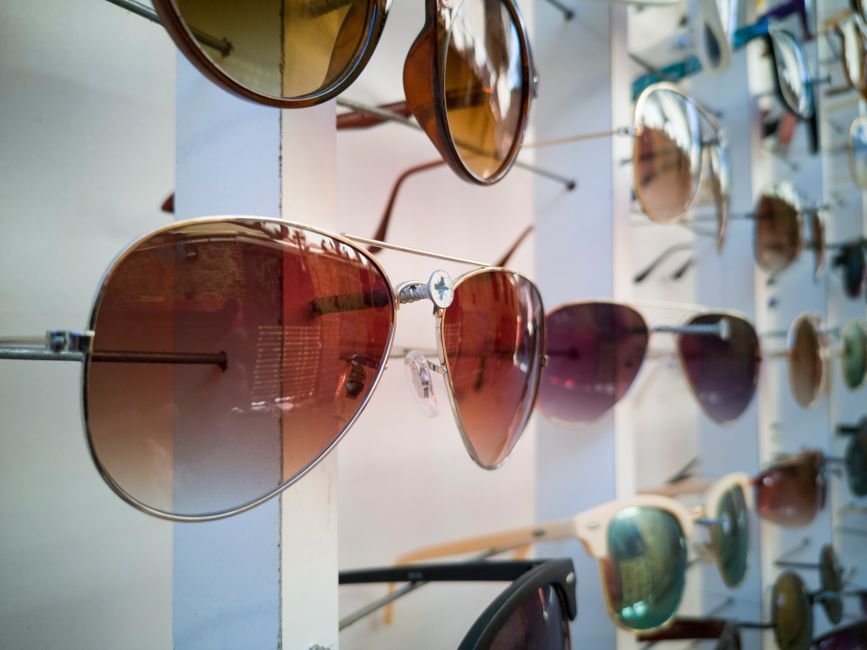
Aviator Sunglasses: A classic choice known for their large, teardrop-shaped lenses that provide good coverage. They are often lightweight and comfortable for long drives.
-
Sport Sunglasses: Designed for performance and durability, sport sunglasses often feature secure fits, good ventilation, and robust materials, making them a practical option for drivers who are also active.
-
Reading Sunglasses (with Prescription): For drivers who require corrective lenses, prescription sunglasses are essential. Many opticians offer polarized and tinted lenses with anti-reflective coatings to optimize vision.
Practical Tips for Driving with Sunglasses
- Always have a pair readily accessible: Keep your driving sunglasses in a convenient location in your car, such as the glove compartment or a dashboard holder.
- Clean your lenses regularly: Smudges and dirt can significantly impair vision. Use a soft microfiber cloth and a lens cleaner specifically designed for eyewear.
- Consider different pairs for different conditions: You might benefit from a darker, polarized pair for bright, sunny days and a lighter, contrast-enhancing pair for overcast or low-light conditions.
- Never wear sunglasses at night unless they are specifically designed for it: Standard dark sunglasses can significantly reduce visibility in low light, creating a dangerous situation. If you need to wear glasses at night due to glare, opt for specialized yellow-tinted or anti-glare lenses.
- Ensure a comfortable fit: Loose or tight sunglasses can be a distraction. Adjust them for a secure and comfortable fit.
The Impact of Prescription Lenses
For drivers who wear prescription glasses, the choice of driving sunglasses becomes even more critical.
-
Prescription Polarized Lenses: The benefits of polarization are amplified when combined with prescription lenses. This is often the most recommended option for drivers who need corrective vision.
-
Prescription Photochromic Lenses: These can be a convenient option, but it’s important to test their performance in your vehicle. Some photochromic lenses do not darken sufficiently behind the UV-filtering windshield of a car.
-
Consult your Optometrist: Discuss your driving needs with your eye care professional. They can recommend the best lens materials, coatings, and tints tailored to your prescription and driving habits.
Beyond the Eyes: The Importance of Overall Eye Health
While sunglasses are a vital tool for immediate driving safety, maintaining overall eye health is crucial for long-term vision. Regular eye exams, a balanced diet rich in antioxidants, and avoiding prolonged screen time without breaks all contribute to healthy eyesight, which directly benefits your driving capabilities.
The Investment in Safety
Investing in high-quality driving sunglasses is not merely a fashion statement; it’s an investment in your safety and the safety of others on the road. By understanding the impact of glare, the benefits of different lens technologies, and the importance of a proper fit, you can make informed choices that significantly enhance your visibility and confidence behind the wheel. Prioritize clear vision, prioritize safety, and choose the best sunglasses for your driving journey.