
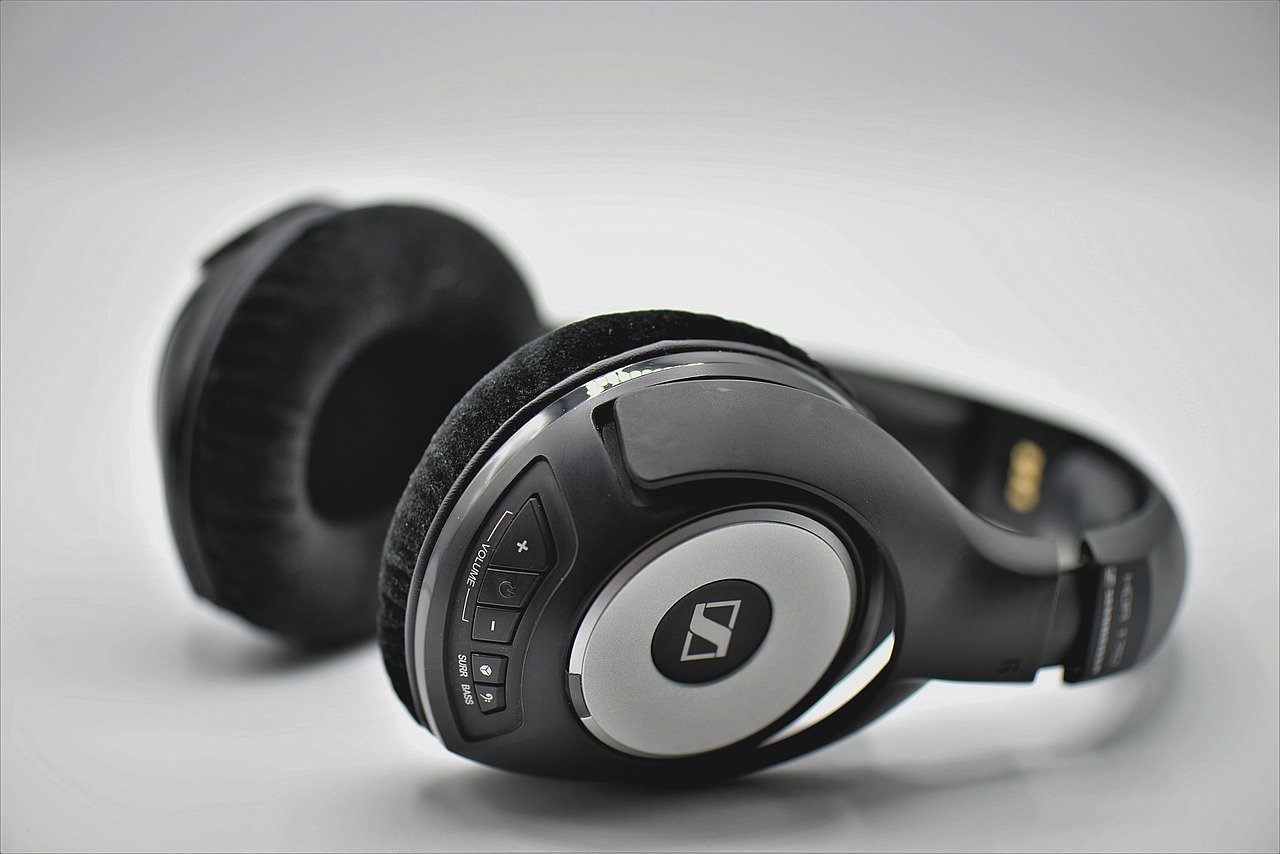
The Bass Revolution: Portable Bluetooth Speakers Redefined
For decades, the pursuit of powerful, portable audio has been a cornerstone of technological innovation. While early portable music players offered convenience, audio fidelity was often a compromise. The advent of Bluetooth technology, however, unlocked a new era, liberating us from tangled wires and ushering in the age of the portable Bluetooth speaker. Today, we stand on the precipice of a “Bass Revolution,” where these seemingly small devices are not just delivering sound, but redefining our entire listening experience with unprecedented depth, power, and clarity.
The evolution from tinny, battery-guzzling boomboxes to sophisticated, pocket-sized powerhouses is a testament to relentless engineering. Early Bluetooth speakers, while revolutionary for their wireless capabilities, often struggled to reproduce the full spectrum of sound, particularly the crucial low frequencies that give music its visceral impact. The perceived limitation was that small drivers couldn’t physically move enough air to create substantial bass. However, manufacturers have systematically dismantled these barriers through a combination of ingenious design, advanced driver technology, and intelligent digital signal processing (DSP).
At the heart of this revolution lies the relentless pursuit of enhanced bass reproduction. Gone are the days of muffled thuds. Modern portable Bluetooth speakers are achieving a level of bass richness and detail that was once exclusive to larger, home-based audio systems. This is not merely about increased volume; it’s about achieving a more accurate and impactful representation of the low end. Techniques such as passive radiators, often referred to as “bass radiators” or “auxiliary bass radiators” (ABRs), play a pivotal role. These are essentially unpowered diaphragms that are mechanically coupled to the main driver. As the main driver moves inward, it compresses the air inside the speaker enclosure, pushing the passive radiator outward. Conversely, when the main driver moves outward, the compressed air expands, pulling the passive radiator inward. This sympathetic vibration effectively amplifies the bass frequencies, allowing smaller enclosures to produce significantly deeper and more resonant lows without the distortion often associated with forcing small drivers to their limits.
Furthermore, the materials science behind speaker cones has undergone a significant transformation. Instead of traditional paper or plastic, manufacturers are increasingly employing advanced composites like woven fiberglass, Kevlar, or even carbon fiber. These materials offer superior stiffness-to-weight ratios, meaning they can move with greater speed and accuracy, delivering tighter, more responsive bass that is less prone to flexing and distortion. The ability of these advanced materials to maintain their shape under pressure is crucial for reproducing the nuances of basslines, from the subtle rumble of a kick drum to the distinct pluck of an electric bass guitar.
Beyond the physical hardware, the software driving these speakers is equally critical. Digital Signal Processing (DSP) has become an indispensable tool in the portable speaker arsenal. Sophisticated DSP algorithms can dynamically adjust audio frequencies in real-time, optimizing the output for clarity and impact. This includes sophisticated bass enhancement algorithms that can intelligently boost low frequencies without overwhelming the mid-range or causing clipping. They can also compensate for the inherent limitations of small enclosures, creating a psychoacoustic effect that makes the bass sound fuller and more powerful than the physical drivers might suggest. Advanced DSP can also be employed for equalization (EQ) adjustments, allowing users to tailor the sound profile to their preferences or the acoustics of their environment.
The design philosophy has also shifted. While portability remains paramount, manufacturers are no longer sacrificing aesthetics for performance. Many of today’s premium portable Bluetooth speakers boast sleek, minimalist designs crafted from durable, high-quality materials like aluminum, silicone, and robust plastics. The focus on form factor is not just about visual appeal; it’s also about optimizing acoustics. Strategic placement of drivers, careful enclosure design to minimize resonance, and the integration of features like IP-rated water and dust resistance enhance both durability and sound projection in diverse environments. Some speakers are even designed to be submerged, opening up a new world of aquatic listening experiences.
The impact of this bass revolution extends beyond individual listening. The ability to stream high-fidelity audio with impactful bass to multiple speakers simultaneously has transformed social gatherings and outdoor events. Technologies like TWS (True Wireless Stereo) pairing allow two identical speakers to connect wirelessly and act as a stereo pair, creating a wider soundstage and a more immersive listening experience. Furthermore, multi-speaker pairing, where a single source can broadcast audio to an array of compatible speakers, enables users to fill larger spaces with rich, room-filling sound, turning backyards, parks, and even small venues into impromptu concert halls.
The implications for various industries are profound. Musicians and DJs can now rely on portable Bluetooth speakers for impromptu rehearsals, street performances, and even as reliable monitoring tools on location. Content creators can leverage these devices for accurate audio playback during on-site editing or for sharing their work with clients in a professional manner. The ability to experience rich, full-spectrum audio on the go has also elevated the casual listener’s enjoyment of music, podcasts, and even movies watched on mobile devices. The immersive quality of modern portable speakers can transform a simple commute or a relaxing afternoon into a deeply engaging sensory experience.
Looking ahead, the trajectory of portable Bluetooth speaker innovation shows no signs of slowing. We can anticipate further advancements in driver technology, with even lighter and stiffer materials pushing the boundaries of bass response. Battery technology will continue to improve, offering longer playback times and faster charging capabilities. The integration of AI and machine learning into DSP algorithms will likely lead to even more intelligent and adaptive sound optimization, personalizing the listening experience to an unprecedented degree. Furthermore, the continued development of spatial audio technologies, when paired with portable Bluetooth speakers, promises to deliver truly three-dimensional soundscapes, blurring the lines between the listener and the audio source.
The bass revolution in portable Bluetooth speakers is not just a technological trend; it’s a fundamental shift in how we consume and experience audio. These devices have democratized high-quality sound, making it accessible, portable, and more impactful than ever before. The days of sacrificing bass for portability are firmly in the past, replaced by a future where every beat, every note, and every whisper can be felt as much as heard, no matter where life takes you. The compact powerhouse has arrived, and it’s shaking the foundations of portable audio.