
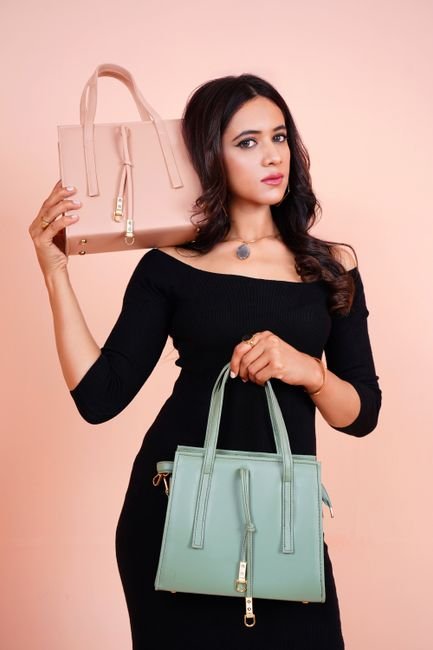
Sustainable Handbags: Eco-Friendly Choices for the Conscious Consumer
The modern consumer is increasingly aware of their environmental impact, and this consciousness extends to their purchasing decisions, even for everyday accessories like handbags. The fashion industry, historically a significant polluter, is undergoing a transformation, with sustainable practices gaining traction. For the discerning individual seeking to align their style with their values, a plethora of eco-friendly handbag options now exist, offering both aesthetic appeal and a reduced ecological footprint.
Understanding Sustainable Materials: The cornerstone of an eco-friendly handbag lies in its materials. Traditional leather, while durable, carries a substantial environmental burden due to animal agriculture, tanning processes, and water usage. Fortunately, innovative alternatives have emerged. Recycled materials are a popular choice, transforming waste into desirable products. Think handbags crafted from recycled plastic bottles, ocean plastic, or even repurposed textiles. These materials divert waste from landfills and oceans, giving them a new lease on life.
Plant-Based Wonders: Beyond recycled options, a growing array of plant-based materials offers a compelling sustainable narrative. Cork, harvested from the bark of cork oak trees without harming the tree itself, is a remarkably durable, water-resistant, and biodegradable material. It possesses a unique texture and a sophisticated aesthetic, making for stylish and ethical bags. Piñatex, a leather alternative made from pineapple leaf fibers, is another groundbreaking innovation. This byproduct of the pineapple harvest provides a strong, flexible, and breathable material that mimics the look and feel of leather without animal involvement.
Other notable plant-based materials include organic cotton, grown without harmful pesticides and synthetic fertilizers, and hemp, a fast-growing, low-impact crop that requires minimal water and no herbicides. These natural fibers can be woven into durable and attractive fabrics for handbags, often dyed with low-impact, natural dyes that further minimize chemical pollution.
Ethical Production and Fair Labor: Sustainability extends beyond materials to encompass ethical manufacturing processes. Conscious consumers are increasingly scrutinizing the social impact of their purchases. This means looking for brands that prioritize fair labor practices, ensuring safe working conditions, fair wages, and no child labor throughout their supply chains. Certifications like Fair Trade can be valuable indicators of a brand’s commitment to ethical production.
Furthermore, brands employing circular economy principles are at the forefront of sustainability. This involves designing products for longevity and repairability, and implementing take-back programs to recycle or repurpose old bags. This minimizes waste and reduces the demand for virgin resources. Local production can also contribute to sustainability by reducing transportation emissions and supporting local economies.
Durability and Timeless Design: A truly sustainable handbag is one that lasts. Investing in high-quality craftsmanship and durable materials reduces the need for frequent replacements, thereby minimizing consumption and waste. Timeless designs that transcend fleeting fashion trends are also key. A well-made, classic handbag will be cherished and used for years, making it a more sustainable choice than a trend-driven item that quickly falls out of favor. Look for brands that emphasize quality stitching, robust hardware, and thoughtful construction.
Navigating the Market: Key Considerations for Conscious Consumers:
- Material Transparency: Brands that are open about their material sourcing and production processes are generally more trustworthy. Look for detailed product descriptions and information on their website.
- Certifications and Accreditations: While not always necessary, certifications from reputable organizations (e.g., GOTS for organic textiles, B Corp for overall social and environmental performance) can provide an added layer of assurance.
- Brand Ethos and Values: Research the brand’s mission statement and commitment to sustainability. Do they actively engage in environmental initiatives or support social causes?
- Repairability and Longevity: Consider how easy it is to repair the handbag if needed. Some brands offer repair services, further extending the life of their products.
- Secondhand and Vintage Options: The most sustainable handbag is often one that already exists. Exploring the thriving secondhand and vintage market can uncover unique and eco-friendly treasures.
Exploring Popular Sustainable Handbag Categories:
- Recycled Plastic Bags: Many brands are now transforming discarded plastic bottles and ocean waste into stylish tote bags, crossbody bags, and backpacks. These often feature vibrant prints and a durable, water-resistant finish.
- Cork Handbags: The natural beauty and resilience of cork make it ideal for a range of handbag styles, from elegant clutches to practical shoulder bags. The harvesting process is inherently sustainable, making cork a champion of eco-friendly accessories.
- Piñatex Bags: This innovative pineapple leaf leather offers a vegan and cruelty-free alternative to traditional leather. It’s used to create everything from sophisticated briefcases to casual satchels, showcasing a unique, textured finish.
- Organic Cotton and Hemp Bags: These natural fiber bags are often chosen for their breathable qualities and soft feel. They are perfect for everyday use, whether as a grocery tote or a casual day bag, and are frequently dyed using natural, non-toxic pigments.
- Upcycled and Repurposed Bags: Artisans and designers often breathe new life into discarded materials like vintage denim, old sails, or even inner tubes, creating one-of-a-kind, character-filled handbags.
By making informed choices and supporting brands committed to environmental and social responsibility, consumers can embrace sustainable fashion without compromising on style or quality. The world of eco-friendly handbags offers a diverse and exciting landscape, empowering individuals to carry their values with confidence and flair.