
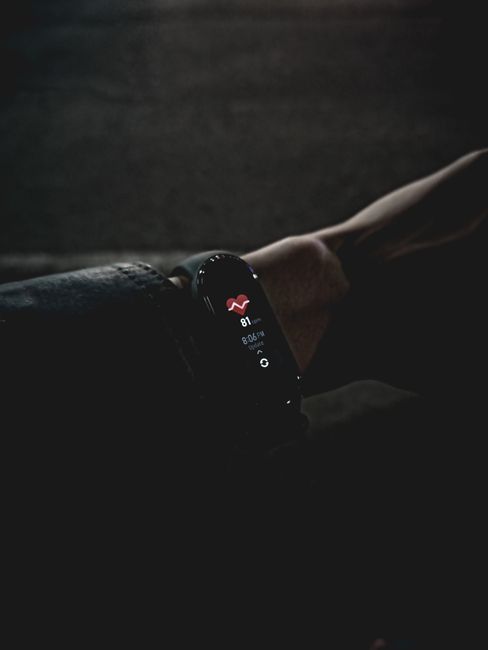
Summer Sports Smarts: Your Ultimate Smart Band Guide
The sun is high, the days are long, and the call of outdoor activity is irresistible. Summer is the prime season for embracing sports and fitness, from casual park jogs to intense beach volleyball matches. To elevate your summer athletic endeavors and gain deeper insights into your performance, your trusty smart band is an indispensable companion. This guide delves into how to leverage your smart band for maximum benefit, ensuring you train smarter, recover better, and enjoy your summer sports to the fullest.
Understanding Your Smart Band’s Core Summer Capabilities
At their heart, smart bands are designed to track your movement and physiological data. For summer sports, this translates to monitoring key metrics that directly impact performance and well-being.
-
Activity Tracking: This is the foundational feature. Most smart bands excel at counting steps, estimating distance covered, and calculating calories burned. For summer sports, this means getting an accurate picture of your exertion during activities like hiking, cycling, swimming, or even extended periods of active play. Look for bands that offer specific sport modes, allowing for more granular tracking of activities like running, rowing, or elliptical training. This data provides a baseline and allows you to quantify your efforts across different disciplines.
-
Heart Rate Monitoring: Continuous heart rate tracking is crucial for understanding your cardiovascular response to exercise. During summer sports, your heart rate will fluctuate significantly. Your smart band can help you identify your target heart rate zones for different types of training – for example, a lower, sustained heart rate for endurance activities like long-distance cycling, versus a higher intensity zone for interval training or competitive games. Monitoring your resting heart rate over time can also be an indicator of improved fitness. Elevated resting heart rates can sometimes signal overtraining or dehydration, both critical concerns during hot summer months.
-
Sleep Tracking: Recovery is paramount, especially when pushing your limits during summer. Your smart band’s sleep tracking provides valuable insights into the quality and duration of your rest. It typically breaks down sleep into stages (light, deep, REM) and monitors disturbances. Adequate, quality sleep is essential for muscle repair, energy replenishment, and cognitive function – all vital for peak summer sports performance. Understanding your sleep patterns can help you adjust your training schedule to ensure you’re not overtraining and are giving your body sufficient time to recover.
-
GPS Integration: For outdoor activities where distance and pace are key, GPS is a game-changer. Many smart bands now incorporate built-in GPS, eliminating the need to carry your phone for accurate route mapping, speed calculations, and elevation changes. This is particularly beneficial for runners, cyclists, and hikers who want to explore new trails or track their progress on familiar routes without the bulk. Analyzing your GPS data post-activity can reveal insights into your pacing strategies and identify areas where you can improve efficiency.
Optimizing Your Smart Band for Specific Summer Sports
Beyond general tracking, tailoring your smart band’s settings and understanding its specific features can dramatically enhance your experience in various summer sports.
-
Running & Trail Running: For runners, pace, distance, and cadence are critical. Ensure your smart band’s running mode is activated and that you’ve calibrated it for accuracy. Pay attention to your heart rate zones to ensure you’re training effectively for your goals, whether it’s building endurance or improving speed. Trail runners will benefit from GPS tracking to map their routes and monitor elevation gains, which can be physically demanding in summer heat. Some advanced bands offer VO2 Max estimates, a good indicator of aerobic fitness.
-
Cycling: Whether on the road or mountain trails, cycling demands sustained effort. Use your smart band to monitor your average speed, distance, and duration. If your band connects with a separate cadence or heart rate monitor, you can gain even deeper insights into your pedaling efficiency and cardiovascular exertion. For longer summer rides, tracking calories burned can help you plan your hydration and nutrition strategy.
-
Swimming: Many smart bands are now water-resistant or fully waterproof, making them ideal for poolside workouts or open-water swims. Look for bands with dedicated swimming modes that can track laps, stroke count, and distance. Understanding your swim metrics can help you improve your technique and endurance. Be mindful of the water temperature, as extreme heat can affect your body’s performance even in water.
-
Team Sports (e.g., Volleyball, Basketball, Soccer): While not always tracked with the same precision as individual endurance sports, smart bands can still offer valuable data for team players. Monitor your overall activity levels, heart rate spikes during intense bursts of play, and estimated calories burned. The sheer movement and intermittent high-intensity efforts of team sports translate to significant calorie expenditure. Some bands can even detect and log different types of activities automatically, though dedicated sport modes will always be more accurate.
-
Water Sports (e.g., Paddleboarding, Kayaking): For activities like paddleboarding and kayaking, your smart band can track duration, estimated calories burned, and heart rate. While precise distance tracking might be less critical, understanding your exertion levels during these often sun-drenched activities is important for hydration and sun protection awareness.
Leveraging Advanced Smart Band Features for Summer Success
Modern smart bands offer a wealth of sophisticated features that can further refine your summer sports strategy.
-
Workout Intensity and Recovery: Many bands analyze your heart rate data to provide insights into workout intensity. Post-exercise, they often offer a recovery score or suggest rest periods. During hot summer days, understanding your body’s recovery needs is even more critical. Overexertion in the heat can lead to heat exhaustion or heatstroke, so paying attention to these recovery metrics is vital for safety.
-
Hydration Reminders: Dehydration is a significant risk during summer sports. Some smart bands offer customizable hydration reminders, prompting you to drink water at regular intervals. This proactive approach can prevent dehydration before it impacts your performance or health.
-
Stress Monitoring: High temperatures and strenuous activity can elevate your stress levels. Certain smart bands can monitor your heart rate variability (HRV) to assess your stress levels. If you’re feeling unusually stressed or fatigued, it might be a sign to adjust your training intensity or prioritize rest.
-
Blood Oxygen (SpO2) Monitoring: While not directly tied to every summer sport, SpO2 monitoring can offer a broader picture of your physiological state, especially in higher altitudes or during prolonged exertion. Low blood oxygen levels can impact performance and recovery.
-
ECG (Electrocardiogram) Functionality: For users with certain health concerns, the ECG feature on some advanced smart bands can provide on-demand readings of their heart rhythm. This is a valuable tool for monitoring cardiovascular health, especially when undertaking strenuous physical activity in the summer.
Smart Band Maintenance and Care in Summer Conditions
Summer weather can be harsh on electronics. Proper care will ensure your smart band remains a reliable companion.
-
Cleaning: Sweat, sunscreen, and chlorine can build up on your smart band. Regularly clean the band and sensor area with a soft, damp cloth. Avoid harsh chemicals.
-
Water Resistance: Understand the water resistance rating of your band. While many are suitable for swimming, they may not be designed for high-pressure water sports or prolonged submersion in saltwater. Rinse your band with fresh water after exposure to chlorine or saltwater.
-
Temperature Extremes: Avoid leaving your smart band in direct sunlight for extended periods, as extreme heat can damage the battery and display.
-
Charging: Ensure your charging contacts are clean and dry to prevent corrosion.
Data Interpretation: Turning Numbers into Actionable Insights
The true power of your smart band lies not just in collecting data, but in interpreting it to inform your training decisions.
-
Trend Analysis: Don’t focus on single-day metrics. Look for trends over weeks and months. Is your resting heart rate decreasing? Are you covering more distance in the same amount of time? These trends indicate progress.
-
Personalized Benchmarks: Use your smart band to establish your own personal benchmarks for different activities. This allows you to track improvement and set realistic goals.
-
Listen to Your Body: Your smart band is a tool, not a dictator. If your data suggests you should push harder, but you feel fatigued or unwell, prioritize rest. Conversely, if you feel great but your band indicates low exertion, consider increasing intensity.
-
Integrate with Apps: Many smart bands sync with companion apps that offer more in-depth analysis, goal setting, and social features. Explore these apps to unlock the full potential of your device.
By embracing the capabilities of your smart band and applying this knowledge strategically, you can transform your summer sports experience into a more informed, effective, and enjoyable pursuit.