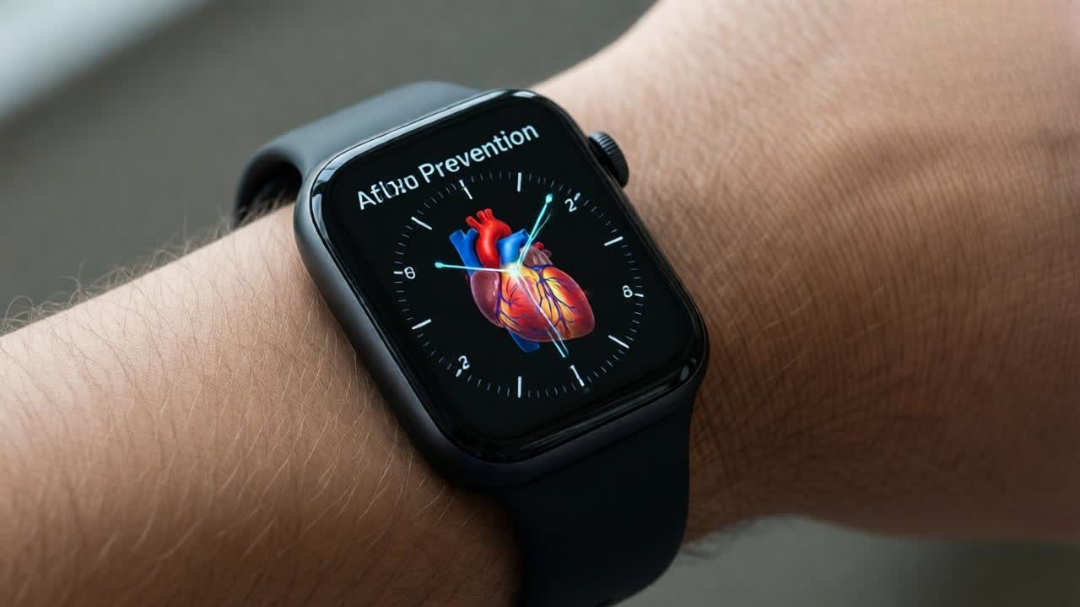
The relentless march of technology has brought us to a pivotal moment in healthcare, particularly in the realm of cardiovascular disease management. Smartwatches, once relegated to fitness tracking and basic notifications, have evolved into sophisticated personal health monitoring devices, offering unprecedented capabilities for early detection, continuous tracking, and proactive management of heart conditions. This technological leap is not merely a convenience; it represents a paradigm shift, empowering individuals with real-time data and actionable insights to take control of their heart health and potentially avert life-threatening events.
At the forefront of this revolution are the advanced sensors embedded within these wrist-worn marvels. Electrocardiogram (ECG or EKG) capabilities, once exclusive to clinical settings, are now a standard feature in many premium smartwatches. By placing a finger on the watch’s crown, users can generate a single-lead ECG, capturing the electrical activity of their heart. This data can detect atrial fibrillation (AFib), a common and often asymptomatic heart rhythm disorder that significantly increases the risk of stroke. The ability to perform an ECG on demand, and to store and share this data with healthcare providers, is a game-changer for individuals at risk or those experiencing palpitations. Algorithms analyze the waveforms, flagging irregularities for further medical investigation, thus facilitating earlier diagnosis and intervention.
Beyond episodic ECGs, smartwatches excel in continuous heart rate monitoring. They utilize photoplethysmography (PPG) sensors, which shine light into the skin and measure blood volume changes as the heart beats. This allows for constant tracking of resting heart rate, heart rate during exercise, and importantly, identification of abnormal heart rhythms like bradycardia (slow heart rate) or tachycardia (fast heart rate) that might otherwise go unnoticed. Many devices offer customizable alerts, notifying the wearer if their heart rate deviates significantly from their baseline or falls outside a pre-set healthy range, prompting them to seek medical attention or adjust their activity levels. This proactive approach can be crucial in managing conditions like heart failure, where subtle changes in heart rate can indicate worsening symptoms.
The integration of blood oxygen saturation (SpO2) monitoring further enhances the cardiovascular insights provided by smartwatches. SpO2 measures the amount of oxygen carried in the blood. While not a direct indicator of heart function, chronically low SpO2 levels can be a symptom of underlying cardiovascular or respiratory issues, such as heart failure or sleep apnea, which is strongly linked to heart disease. Continuous or on-demand SpO2 readings can provide a more comprehensive picture of a user’s physiological state, especially during sleep or strenuous activity.
Furthermore, the ubiquitous activity tracking capabilities of smartwatches, while seemingly fitness-oriented, play a vital role in heart disease management. By monitoring steps, distance, calories burned, and sleep patterns, these devices provide valuable data on lifestyle factors that directly impact cardiovascular health. Regular physical activity is a cornerstone of preventing and managing heart disease. Smartwatches encourage users to move more, set achievable fitness goals, and provide feedback on their progress. Similarly, insights into sleep quality and duration are critical, as poor sleep is a known contributor to hypertension and other cardiovascular risks.
The wearable ECG and heart rate monitoring data generated by smartwatches is not just for the individual. Secure cloud-based platforms and dedicated apps allow users to seamlessly share this information with their physicians. This remote patient monitoring (RPM) capability is transforming chronic disease management. Cardiologists can gain a longitudinal view of a patient’s heart rhythm and activity patterns, identifying trends and potential issues that might not be apparent during infrequent clinic visits. This allows for more personalized treatment plans, timely medication adjustments, and earlier detection of complications, ultimately reducing hospital readmissions and improving patient outcomes.
The smartwatch ecosystem extends beyond basic sensor data. Many devices integrate with other health apps and platforms, creating a holistic view of a user’s well-being. This includes tracking medication adherence, logging dietary intake, and even connecting with telehealth services for virtual consultations. For individuals managing conditions like hypertension, the ability to automatically log blood pressure readings (often via connected cuffs) alongside heart rate and activity data provides a powerful, integrated approach to managing their condition.
The advancements in sensor accuracy and algorithmic sophistication are continuously improving the reliability of smartwatch data. While not a replacement for professional medical diagnosis, these devices are becoming increasingly adept at identifying subtle physiological changes that warrant medical attention. Regulatory bodies like the FDA are actively approving smartwatch features for medical use, lending credibility to their diagnostic capabilities.
Personalized health insights and feedback are another key benefit. Smartwatches can analyze user data to provide tailored recommendations for improving heart health. This might include suggestions for increasing physical activity, improving sleep hygiene, or managing stress levels. By making health data more accessible and understandable, smartwatches empower individuals to become active participants in their own care, fostering a sense of agency and motivation.
The future of smartwatch technology in heart disease management is incredibly promising. Researchers are exploring the integration of even more advanced sensors, such as those capable of detecting blood pressure variations non-invasively and monitoring arterial stiffness. The development of AI-powered predictive algorithms that can forecast cardiovascular events based on a combination of sensor data, lifestyle factors, and genetic predispositions is on the horizon. Furthermore, the increasing affordability and accessibility of these devices will democratize access to advanced heart health monitoring, reaching broader populations and potentially reducing health disparities.
In essence, smartwatches are evolving from mere gadgets to indispensable tools in the fight against heart disease. They are putting the power of continuous, personalized, and actionable cardiovascular monitoring directly onto our wrists, ushering in an era of proactive health management and potentially saving countless lives. The ongoing innovation in this field promises to further solidify their role as a vital component of modern cardiovascular care.
Fire-Boltt Phoenix Pro Round Smart Watch 1.39" HD Display with Bluetooth Calling, AI Voice Assistant, SpO2 & Heart Rate Monitor, 120+ Sports Modes, IP67 Waterproof Smartwatch for Men & Women - Brown
₹1,199.00 (as of October 12, 2026 18:25 GMT +05:30 - More infoProduct prices and availability are accurate as of the date/time indicated and are subject to change. Any price and availability information displayed on [relevant Amazon Site(s), as applicable] at the time of purchase will apply to the purchase of this product.)
Noise Junior Champ 3 Smart Watch for Kids | 3-in-1 Look with 2 Switchable Bumpers, in-Built Learning Hub, Habit Builder, Exam & School Mode, SOS, 100+ Cloud Faces, Parental Control (Cotton Cloud)
₹1,999.00 (as of October 12, 2026 18:25 GMT +05:30 - More infoProduct prices and availability are accurate as of the date/time indicated and are subject to change. Any price and availability information displayed on [relevant Amazon Site(s), as applicable] at the time of purchase will apply to the purchase of this product.)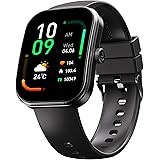
boAt Wave Sigma 3 Curv Smartwatch with 2.01” (5.33 cm) Immersive Curved Display, Metallic Finish, Functional Crown, BT Calling, Sleep, Stress, Heart Rate & SpO2 Monitoring, SOS, IP68 (Black Active)
₹1,299.00 (as of October 12, 2026 18:25 GMT +05:30 - More infoProduct prices and availability are accurate as of the date/time indicated and are subject to change. Any price and availability information displayed on [relevant Amazon Site(s), as applicable] at the time of purchase will apply to the purchase of this product.)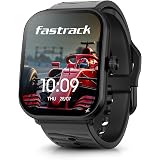
Fastrack MYND 1.93” AMOLED Display Smart Watch for Men & Women with AI Watch Faces,AI Chat,Offline Voice Commands,Curved Metallic Design,Functional Crown,BT Calling, Health Suite,100+ multisport modes
₹3,199.00 (as of October 12, 2026 18:25 GMT +05:30 - More infoProduct prices and availability are accurate as of the date/time indicated and are subject to change. Any price and availability information displayed on [relevant Amazon Site(s), as applicable] at the time of purchase will apply to the purchase of this product.)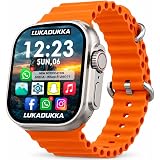
LUKADUKKA 1.83" AMOLED Bluetooth Calling Smartwatch with 100+ Sports Modes, IP67 Water Resistance & Ocean Band
₹499.00 (as of October 12, 2026 18:25 GMT +05:30 - More infoProduct prices and availability are accurate as of the date/time indicated and are subject to change. Any price and availability information displayed on [relevant Amazon Site(s), as applicable] at the time of purchase will apply to the purchase of this product.)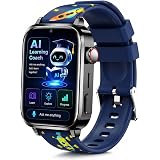
sekyo Neo Fit -India's 1st AI Smart Watch for Kids | AI Learning Assistant, 4G Video Call, GPS, Health & Activity Tracker, Smart Habit Reminder| Edu-Games, Step Count, Camera, Parent Control App
₹9,989.00 (as of October 12, 2026 18:25 GMT +05:30 - More infoProduct prices and availability are accurate as of the date/time indicated and are subject to change. Any price and availability information displayed on [relevant Amazon Site(s), as applicable] at the time of purchase will apply to the purchase of this product.)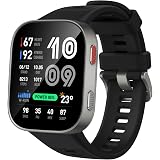
Amazfit Bip Max 50mm Smartwatch, 2.07" AMOLED Display, 20 Days of Battery, GPS, 4GB Storage, Offline Maps, Fitness Tracker, Hybrid Training, 150+ Sports, HYROX Mode, 5 ATM for Android & iPhone, Silver
₹10,999.00 (as of October 12, 2026 18:25 GMT +05:30 - More infoProduct prices and availability are accurate as of the date/time indicated and are subject to change. Any price and availability information displayed on [relevant Amazon Site(s), as applicable] at the time of purchase will apply to the purchase of this product.)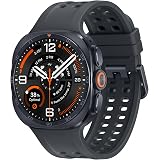
Samsung Galaxy Watch Ultra2 (47mm LTE, Titanium Grey)
₹58,892.00 (as of October 12, 2026 18:25 GMT +05:30 - More infoProduct prices and availability are accurate as of the date/time indicated and are subject to change. Any price and availability information displayed on [relevant Amazon Site(s), as applicable] at the time of purchase will apply to the purchase of this product.)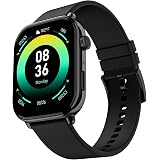
Noise Pulse 4 Max Smart Watch with 1.96" AMOLED Display, AI Voice Assistant, Bluetooth Calling, Functional Crown, SpO2 & Heart Rate Monitoring, IP68, Up to 7 Days Battery (Jet Black) - Limited Edition
₹1,799.00 (as of October 12, 2026 18:25 GMT +05:30 - More infoProduct prices and availability are accurate as of the date/time indicated and are subject to change. Any price and availability information displayed on [relevant Amazon Site(s), as applicable] at the time of purchase will apply to the purchase of this product.)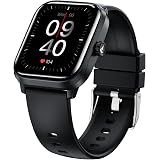
boAt Storm Blaze Smartwatch in Premium Metal Finish with Advanced BT Calling, Functional Crown, 1.83'' (4.64 cm) HD Display, IP68 Waterproof, HR, Sleep, Stress & SPO₂ Tracking, SOS (Active Black)
₹1,099.00 (as of October 12, 2026 18:25 GMT +05:30 - More infoProduct prices and availability are accurate as of the date/time indicated and are subject to change. Any price and availability information displayed on [relevant Amazon Site(s), as applicable] at the time of purchase will apply to the purchase of this product.)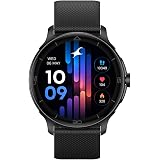
Fastrack Revoltt R1 with 1.38" Ultra UV Round Display with BT Calling, Heart Rate,SpO2 & Sleep Tracking, IP68, AI Voice Assistant, Upto 5 Days Battery- Smart Watch for Man and Woman-Black
Now retrieving the price.
(as of October 12, 2026 18:25 GMT +05:30 - More infoProduct prices and availability are accurate as of the date/time indicated and are subject to change. Any price and availability information displayed on [relevant Amazon Site(s), as applicable] at the time of purchase will apply to the purchase of this product.)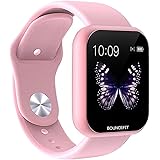
Bouncefit D20 Y68 Fitness Band Smart Watch for Men, Women, Boys, Girls, Kids – Single Touch Interface, Water Resistant, Workout Modes, Quick Charge Sports Smartwatch – Pink
₹369.00 (as of October 12, 2026 18:25 GMT +05:30 - More infoProduct prices and availability are accurate as of the date/time indicated and are subject to change. Any price and availability information displayed on [relevant Amazon Site(s), as applicable] at the time of purchase will apply to the purchase of this product.)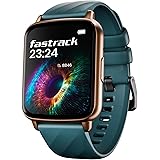
Fastrack Volt S1 Smart Watch for Man and Women Latest with 1.83" Display, Silicone Strap, BT Calling, 100+ Sports Modes, Heart Rate, SpO2, IP68, Ideal Smartwatch for Boys and Girls (Teal)
₹1,399.00 (as of October 12, 2026 18:25 GMT +05:30 - More infoProduct prices and availability are accurate as of the date/time indicated and are subject to change. Any price and availability information displayed on [relevant Amazon Site(s), as applicable] at the time of purchase will apply to the purchase of this product.)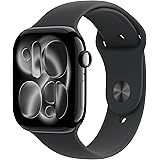
Apple Watch Series 11 GPS 46mm Jet Black Aluminium Case with Black Sport Band - M/L
₹37,499.00 (as of October 12, 2026 18:25 GMT +05:30 - More infoProduct prices and availability are accurate as of the date/time indicated and are subject to change. Any price and availability information displayed on [relevant Amazon Site(s), as applicable] at the time of purchase will apply to the purchase of this product.)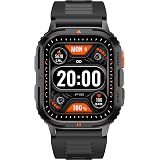
Fastrack Xtreme S Rugged Smart Watch with 1.93" AMOLED Square Display, BT Calling, 24/7 Health Suite, IP67, 60Hz Dynamic Refresh Rate, Vitality Index, Hydration Alert, Large Battery - Grey
₹2,699.00 (as of October 12, 2026 18:25 GMT +05:30 - More infoProduct prices and availability are accurate as of the date/time indicated and are subject to change. Any price and availability information displayed on [relevant Amazon Site(s), as applicable] at the time of purchase will apply to the purchase of this product.)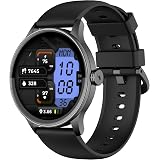
Fastrack Smart Jupiter R3 Pro with 1.43" AMOLED Round Display, BT Calling, Heart Rate, REM Sleep & Stress Tracking, IP68, Functional, AI Assitant, Hydration Alert Smart Watch for Men & Women - Black
₹2,599.00 (as of October 12, 2026 18:25 GMT +05:30 - More infoProduct prices and availability are accurate as of the date/time indicated and are subject to change. Any price and availability information displayed on [relevant Amazon Site(s), as applicable] at the time of purchase will apply to the purchase of this product.)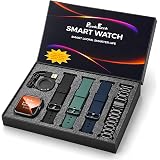
PunnkFunnk H18 Pro Smart Watch Combo, Bluetooth Calling with Heart Rate & SpO2 Monitor, Fitness Tracker, IP67, Smartwatch for Men & Women, Multi-Sport Mode, Android & iOS Compatible (BlackDial)
₹1,599.00 (as of October 12, 2026 18:25 GMT +05:30 - More infoProduct prices and availability are accurate as of the date/time indicated and are subject to change. Any price and availability information displayed on [relevant Amazon Site(s), as applicable] at the time of purchase will apply to the purchase of this product.)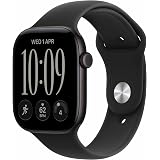
Apple Watch Series 12 GPS 46mm Smartwatch | Black Aluminium Case, Black Sport Band - M/L. Health + Fitness + Sleep Tracking, Heart Rate, Safety
₹61,900.00 (as of October 12, 2026 18:25 GMT +05:30 - More infoProduct prices and availability are accurate as of the date/time indicated and are subject to change. Any price and availability information displayed on [relevant Amazon Site(s), as applicable] at the time of purchase will apply to the purchase of this product.)
Titan Crest 1.43” AMOLED Smart Watch with BT Calling, AI Morning Briefs, Functional Crown, Health Tracking, Aluminium Body, 100+ Sports Modes, Smartwatch for Men and Women - Black Silicone Strap
₹4,499.00 (as of October 12, 2026 18:25 GMT +05:30 - More infoProduct prices and availability are accurate as of the date/time indicated and are subject to change. Any price and availability information displayed on [relevant Amazon Site(s), as applicable] at the time of purchase will apply to the purchase of this product.)