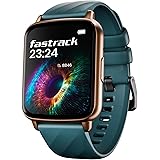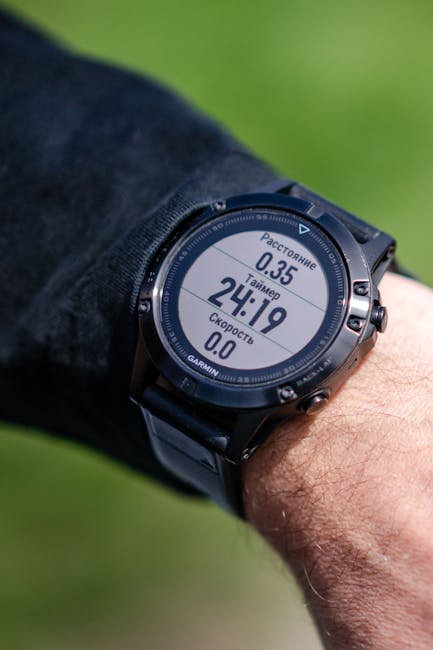
The quest for precise family planning, whether for conception or contraception, has long been a focus of women’s health. Traditional methods, while valuable, often involve manual tracking, guesswork, and a degree of uncertainty. Enter the smartwatch, a ubiquitous piece of technology now poised to revolutionize ovulation tracking, offering unparalleled precision and convenience for informed family planning decisions. These wearable devices, equipped with advanced sensors and sophisticated algorithms, are transforming how women understand and leverage their fertile windows.
At its core, smartwatch ovulation tracking relies on the continuous monitoring of physiological signals that are intrinsically linked to a woman’s menstrual cycle and the hormonal shifts that dictate ovulation. The most prominent of these signals is basal body temperature (BBT). BBT is the body’s lowest resting temperature, typically measured immediately upon waking before any physical activity. During the follicular phase of the menstrual cycle, estrogen dominates, and BBT tends to be slightly lower. Following ovulation, the corpus luteum produces progesterone, which causes a sustained rise in BBT, usually by 0.5 to 1 degree Fahrenheit (0.3 to 0.6 degrees Celsius). Smartwatches, particularly those with advanced temperature sensors, can meticulously record BBT throughout the night, capturing subtle fluctuations with far greater accuracy and consistency than manual thermometers. This continuous data stream eliminates the variability inherent in manual measurements, such as inconsistent timing of readings or the influence of external factors like illness or ambient temperature.
Beyond BBT, smartwatches are increasingly incorporating heart rate variability (HRV) monitoring. HRV, the variation in time between heartbeats, is influenced by the autonomic nervous system, which in turn is affected by hormonal changes. During the fertile window, and particularly around ovulation, hormonal fluctuations can lead to specific patterns in HRV. Some algorithms analyze these patterns, alongside BBT data, to identify potential shifts that correlate with increased fertility. While BBT remains the gold standard for confirming ovulation post-hoc, HRV can offer a complementary, real-time indicator that may help pinpoint the fertile window earlier.
Furthermore, the integration of sleep tracking capabilities within smartwatches adds another layer of valuable data. Sleep quality and duration can be influenced by hormonal shifts during the menstrual cycle. Disruptions or changes in sleep patterns, when correlated with BBT and HRV data, can provide further insights into the body’s cyclical changes. For instance, a woman might experience lighter or more restless sleep as her fertile window approaches, a phenomenon that, when observed consistently alongside temperature shifts, can contribute to a more comprehensive understanding of her cycle.
The true power of smartwatch ovulation tracking lies in its algorithmic interpretation of this collected data. Unlike simple temperature charting, these devices employ sophisticated algorithms trained on vast datasets of menstrual cycles. These algorithms analyze the interplay of BBT, HRV, and sleep patterns, along with user-inputted data such as menstruation start dates and any perceived symptoms, to predict the fertile window with increasing accuracy. Many smartwatches utilize machine learning to adapt and refine their predictions over time, learning from each individual user’s unique cycle. This personalized approach moves beyond generic cycle length estimations, acknowledging the inherent variability in women’s bodies.
The benefits for family planning are profound. For couples actively trying to conceive, a precisely identified fertile window significantly increases the chances of successful conception by enabling timed intercourse. Instead of relying on broad estimations, couples can focus their efforts during the days with the highest probability of ovulation, optimizing their chances without unnecessary pressure. This precision can reduce the emotional toll and frustration often associated with prolonged conception attempts.
Conversely, for individuals seeking natural family planning (NFP) methods for contraception, smartwatches offer a more data-driven and potentially more reliable approach. NFP methods, which involve abstaining from intercourse or using barrier methods during the fertile window, have historically relied on meticulous charting of BBT, cervical mucus, and other fertility signs. Smartwatches streamline this process, automating data collection and providing clear indicators of fertile and infertile periods. While it’s crucial to emphasize that no NFP method is 100% effective, and continued education and adherence to established protocols are paramount, smartwatches can enhance the accuracy and ease of implementation for those committed to these methods.
The user experience of smartwatch ovulation tracking is another significant advantage. The passive nature of data collection is a game-changer. Users simply wear the watch, and the necessary data is gathered automatically. This eliminates the daily discipline required for manual temperature charting, reducing the likelihood of missed readings or user error. The information is then presented in an easily digestible format within a companion app, often with visual representations of temperature trends, predicted fertile windows, and cycle phases. This accessibility empowers women to take a more active and informed role in managing their reproductive health.
However, it’s essential to acknowledge the limitations and considerations of smartwatch ovulation tracking. Firstly, accuracy can vary between different smartwatch models and their respective algorithms. Not all smartwatches are created equal in their sensor technology or the sophistication of their fertility tracking software. Users should research and select devices specifically designed and validated for ovulation tracking. Secondly, external factors can still influence the data. Illness, stress, alcohol consumption, and significant changes in sleep schedule can all impact BBT and HRV, potentially leading to inaccurate predictions. Users must be aware of these potential confounding factors and report them to the app where possible.
Thirdly, confirmation of ovulation is still crucial, especially for NFP. While smartwatches can predict the fertile window, the definitive confirmation of ovulation often occurs after the BBT shift has been observed for several days. Therefore, for those using NFP for contraception, understanding that the fertile window prediction is a proactive measure and that confirmation of ovulation occurs retrospectively is vital. Relying solely on the smartwatch’s prediction without understanding the underlying physiological principles can lead to miscalculations.
Furthermore, individual cycle variability remains a significant factor. While algorithms are becoming more sophisticated, some women experience highly irregular cycles due to conditions like Polycystic Ovary Syndrome (PCOS) or endometriosis. In such cases, smartwatch tracking might be less accurate, and consultation with a healthcare professional is strongly recommended. Smartwatches should be viewed as a tool to enhance understanding, not as a definitive diagnostic device.
The privacy and security of health data are also paramount. Users should ensure that the smartwatch manufacturer and app provider have robust data protection policies in place. Understanding how personal health information is collected, stored, and used is crucial before adopting any wearable health technology.
The future of smartwatch ovulation tracking holds even greater promise. As sensor technology advances, we can anticipate the integration of new biomarkers. For example, some research is exploring the potential of sweat analysis to detect hormonal fluctuations. Miniaturization of sensors and further refinement of AI algorithms will likely lead to even more precise and comprehensive fertility tracking. The seamless integration of smartwatch data with electronic health records and other health applications could also pave the way for a more holistic approach to women’s reproductive health management.
In conclusion, smartwatches are rapidly evolving from mere fitness trackers to powerful tools for women’s reproductive health. Their ability to passively and precisely monitor key physiological indicators like basal body temperature and heart rate variability, coupled with sophisticated algorithmic interpretation, offers unprecedented precision for family planning. Whether aiming to conceive or seeking to understand fertile periods for natural family planning, smartwatches empower women with data-driven insights, promoting informed decisions and a more proactive approach to their fertility journey. As technology continues to advance, the role of smartwatches in optimizing family planning and enhancing women’s reproductive health awareness will undoubtedly continue to grow.
Samsung Galaxy Watch9 (40mm Bluetooth, Graphite)
₹37,999.00 (as of October 10, 2026 13:24 GMT +05:30 - More infoProduct prices and availability are accurate as of the date/time indicated and are subject to change. Any price and availability information displayed on [relevant Amazon Site(s), as applicable] at the time of purchase will apply to the purchase of this product.)
Garmin Vivoactive® 5, Health & Fitness GPS Smartwatch, 42mm, Black | 24/7 Health Monitoring, Built-In Sports Apps, Sleep Coach, Body Battery™ Energy Monitoring, Workout Benefit & Recovery Time
₹16,990.00 (as of October 10, 2026 13:24 GMT +05:30 - More infoProduct prices and availability are accurate as of the date/time indicated and are subject to change. Any price and availability information displayed on [relevant Amazon Site(s), as applicable] at the time of purchase will apply to the purchase of this product.)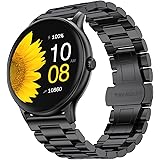
Fire-Boltt Phoenix Pro Round Smart Watch 1.39" Display with Bluetooth Calling, AI Voice Assistant,SpO2 & Heart Rate Monitor, 120+ Sports Modes,IP67 Waterproof Metal Smart Watch for Men & Women - Black
₹1,099.00 (as of October 10, 2026 13:24 GMT +05:30 - More infoProduct prices and availability are accurate as of the date/time indicated and are subject to change. Any price and availability information displayed on [relevant Amazon Site(s), as applicable] at the time of purchase will apply to the purchase of this product.)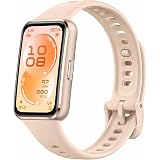
Huawei Band 11 Health & Fitness Tracker, Enhanced Sleep Tracking, All-Day Health Monitoring, Ultra-Slim & Comfort Wear, Compatible with iOS & Android, Smart Watch, Metal (Beige)
₹4,799.00 (as of October 10, 2026 13:24 GMT +05:30 - More infoProduct prices and availability are accurate as of the date/time indicated and are subject to change. Any price and availability information displayed on [relevant Amazon Site(s), as applicable] at the time of purchase will apply to the purchase of this product.)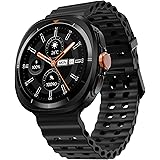
Fire-Boltt Axiom Round Smart Watch 1.43″ Super AMOLED Display with Always‑On Mode, Bluetooth Calling, Rotating Crown, SPO₂ & Heart Rate Monitor, IP67 Waterproof Silicone Smartwatch for Men - Black
₹1,799.00 (as of October 10, 2026 13:24 GMT +05:30 - More infoProduct prices and availability are accurate as of the date/time indicated and are subject to change. Any price and availability information displayed on [relevant Amazon Site(s), as applicable] at the time of purchase will apply to the purchase of this product.)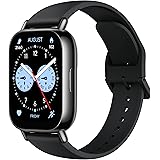
Redmi Watch 5 Lite SmartChoice 1.96" Amoled, Advanced in-Built GPS, 5 ATM, 18 Day Battery, Bluetooth Calling with AI Noise Reduction, Always on Display, Black
₹3,699.00 (as of October 10, 2026 13:24 GMT +05:30 - More infoProduct prices and availability are accurate as of the date/time indicated and are subject to change. Any price and availability information displayed on [relevant Amazon Site(s), as applicable] at the time of purchase will apply to the purchase of this product.)
boAt Storm Call 4 India's first Smartwatch with Type-C Charging,1.96”(4.97 cm) HD Display, Functional Crown, BT Calling, Sports Modes, Heart Rate, SpO2, Sleep & Stress Tracking, SOS,IP68(Active Black)
₹1,199.00 (as of October 10, 2026 13:24 GMT +05:30 - More infoProduct prices and availability are accurate as of the date/time indicated and are subject to change. Any price and availability information displayed on [relevant Amazon Site(s), as applicable] at the time of purchase will apply to the purchase of this product.)
Noise Pulse 4 Max Smart Watch with 1.96" AMOLED Display, AI Voice Assistant, Bluetooth Calling, Functional Crown, SpO2 & Heart Rate Monitoring, IP68, Up to 7 Days Battery (Jet Black) - Limited Edition
₹1,799.00 (as of October 10, 2026 13:24 GMT +05:30 - More infoProduct prices and availability are accurate as of the date/time indicated and are subject to change. Any price and availability information displayed on [relevant Amazon Site(s), as applicable] at the time of purchase will apply to the purchase of this product.)
Fastrack Xtreme S Rugged Smart Watch with 1.93" AMOLED Square Display, BT Calling, 24/7 Health Suite, IP67, 60Hz Dynamic Refresh Rate, Vitality Index, Hydration Alert, Large Battery - Grey
₹2,699.00 (as of October 10, 2026 13:24 GMT +05:30 - More infoProduct prices and availability are accurate as of the date/time indicated and are subject to change. Any price and availability information displayed on [relevant Amazon Site(s), as applicable] at the time of purchase will apply to the purchase of this product.)
OnePlus Watch 2R with Wear OS 4 by Google,Snapdragon W5 Chipset,Upto 100hrs Battery Life,1.43’’ AMOLED Display,100+ Sports Mode,Dual Frequency GPS,5 ATM,IP68 & BT Calling [Gunmetal Gray]
₹9,999.00 (as of October 10, 2026 13:24 GMT +05:30 - More infoProduct prices and availability are accurate as of the date/time indicated and are subject to change. Any price and availability information displayed on [relevant Amazon Site(s), as applicable] at the time of purchase will apply to the purchase of this product.)
Veuns variety Kids Digital Rakhi Gift Smart Watch for Boys & Girls (Black) | Calculator & Timer, Waterproof, Adjustable Strap, Battery Powered, Quartz Movement
₹199.00 (as of October 10, 2026 13:24 GMT +05:30 - More infoProduct prices and availability are accurate as of the date/time indicated and are subject to change. Any price and availability information displayed on [relevant Amazon Site(s), as applicable] at the time of purchase will apply to the purchase of this product.)
GOBOULT Newly Launched Mustang Stallion Smart Watch 1.43'' AMOLED Display, Rotating Bezel, BT Calling, 200+Watchfaces, 700 Nits Brightness, AI Voice Assistant, SpO2 Monitoring (Turbo Orange)
₹3,999.00 (as of October 10, 2026 13:24 GMT +05:30 - More infoProduct prices and availability are accurate as of the date/time indicated and are subject to change. Any price and availability information displayed on [relevant Amazon Site(s), as applicable] at the time of purchase will apply to the purchase of this product.)
Fastrack Revoltt S1 with 1.83” TFT 2.5D Sqaure Display with Singlesync BT Calling, Heart Rate, SpO2 & Sleep Tracking,IP68,Nitro Fast Charging,Upto 5 Days Battery- Smart Watch for Man and Woman-Blue
₹1,299.00 (as of October 10, 2026 13:24 GMT +05:30 - More infoProduct prices and availability are accurate as of the date/time indicated and are subject to change. Any price and availability information displayed on [relevant Amazon Site(s), as applicable] at the time of purchase will apply to the purchase of this product.)
boAt Ultima Ember 2 Smartwatch, 1.96” AMOLED Display, Ultra Bright 1000 nits Brightness, AOD, Personalized Fitness Nudges, Functional Crown, 100+ Sports Mode smartwatch for Men & Women (Velvet Wine)
₹1,799.00 (as of October 10, 2026 13:24 GMT +05:30 - More infoProduct prices and availability are accurate as of the date/time indicated and are subject to change. Any price and availability information displayed on [relevant Amazon Site(s), as applicable] at the time of purchase will apply to the purchase of this product.)
Fire-Boltt Talk Bluetooth Calling Smartwatch, 1.39" TFT Display with Dual Button, Hands On Voice Assistance, 120 Sports Modes, in Built Mic & Speaker (Talk, Black)
₹1,199.00 (as of October 10, 2026 13:24 GMT +05:30 - More infoProduct prices and availability are accurate as of the date/time indicated and are subject to change. Any price and availability information displayed on [relevant Amazon Site(s), as applicable] at the time of purchase will apply to the purchase of this product.)
Fastrack Smart Jupiter R3 Pro with 1.43" AMOLED Round Display, BT Calling, Heart Rate, REM Sleep & Stress Tracking, IP68, Functional, AI Assitant, Hydration Alert Smart Watch for Men & Women - Black
₹2,599.00 (as of October 10, 2026 13:24 GMT +05:30 - More infoProduct prices and availability are accurate as of the date/time indicated and are subject to change. Any price and availability information displayed on [relevant Amazon Site(s), as applicable] at the time of purchase will apply to the purchase of this product.)
Fire-Boltt Phoenix Pro Round Smart Watch 1.39" HD Display with Bluetooth Calling, AI Voice Assistant, SpO2 & Heart Rate Monitor, 120+ Sports Modes, IP67 Waterproof Smartwatch for Men & Women - Brown
₹1,199.00 (as of October 10, 2026 13:24 GMT +05:30 - More infoProduct prices and availability are accurate as of the date/time indicated and are subject to change. Any price and availability information displayed on [relevant Amazon Site(s), as applicable] at the time of purchase will apply to the purchase of this product.)
Noise Junior Explorer 2 Smart Watch for Kids with 4G SIM Compatible, 2-Way Video & Voice Calling, Geofencing, Real Time Location Monitoring via Google Maps, IP68, SOS Emergency Alerts (Lava Blast)
₹5,999.00 (as of October 10, 2026 13:24 GMT +05:30 - More infoProduct prices and availability are accurate as of the date/time indicated and are subject to change. Any price and availability information displayed on [relevant Amazon Site(s), as applicable] at the time of purchase will apply to the purchase of this product.)
Smart Watch with App Support, Large Display, Black Strap | Social Media Apps, Touch Screen, Rotary Crown, Fitness Tracker, Unisex Design
Now retrieving the price.
(as of October 10, 2026 13:24 GMT +05:30 - More infoProduct prices and availability are accurate as of the date/time indicated and are subject to change. Any price and availability information displayed on [relevant Amazon Site(s), as applicable] at the time of purchase will apply to the purchase of this product.)